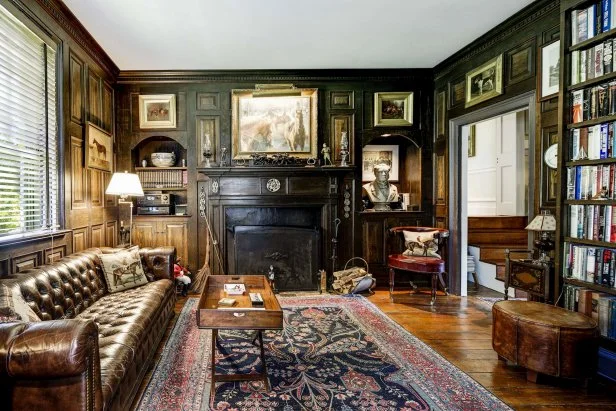
Dark academia interiors are built around atmosphere: ink-colored walls, walnut or oak, old books, aged brass, and light that feels intentional rather than accidental. The window treatment has to support that mood without turning the room into a cave. The best dark academia window shades balance directional daylight, privacy, and a rich material story in one measured installation.
For a quick starting point, use the World Wide Shades online builder to compare roller fabrics by color and opacity. A custom shade is especially useful when a library, office, or bedroom has several different window sizes.
What makes a shade look dark academia?
Dark academia is not simply “make everything black.” The recognizable palette usually combines deep brown, oxblood, forest green, navy, charcoal, tobacco, and parchment. A shade should repeat one of those undertones while keeping the window’s proportions quiet. A warm taupe roller shade can look more scholarly than a flat black shade because it echoes leather, paper, and wood without creating a hard rectangle.
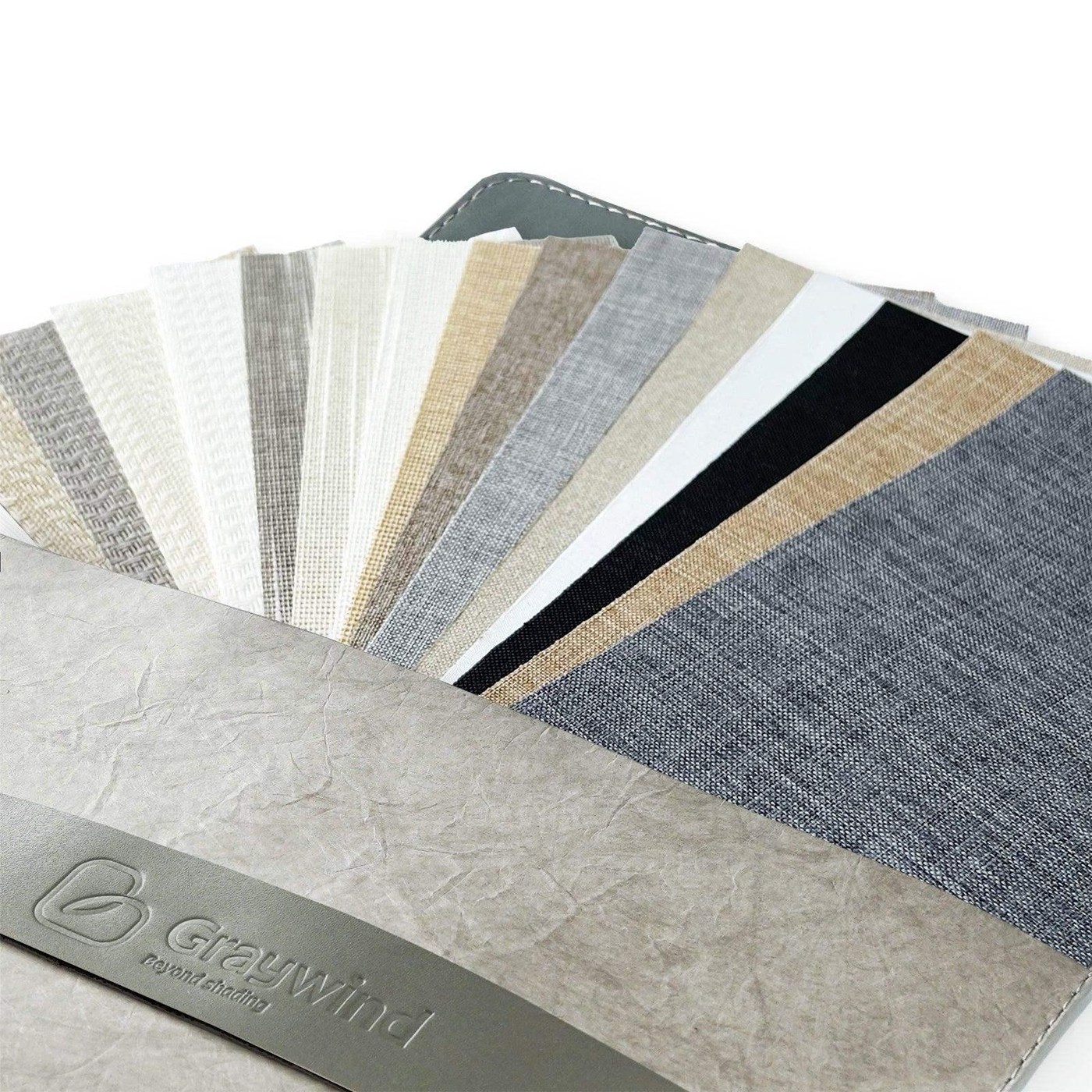
Texture is equally important. Linen-look polyester, subtle basketweave, woven wood, and lightly mottled solar fabrics add depth when daylight moves across them. Avoid a shiny vinyl surface in a room full of matte finishes; it reflects light and can make the window look newer than the furniture around it.
World Wide Shades can match a fabric to your wall paint, trim, and wood tone. Order fabric swatches before choosing a “brown” shade because brown can shift from red to gray by the window’s orientation.
Choose opacity by room, not by aesthetic label
A 5% to 10% openness solar shade or a translucent roller fabric keeps a reading room usable from morning through afternoon. You see softened daylight rather than a bright glare line on the page. At night, however, silhouettes may be visible from outdoors when interior lights are on, so pair a light-filtering shade with drapery or choose privacy lining.
For a library with south-facing windows, a 3% openness fabric is a practical middle ground. It reduces glare and filters much of the direct sun while preserving a suggestion of the trees or architecture beyond the glass. Our guide to best shades for south-facing windows explains how orientation changes the fabric decision. If you want a custom solar roller sized to your bookcases, start with World Wide Shades.
Room-darkening fabric blocks most visible light but is not necessarily sealed at every edge. It suits a home office where a monitor needs less glare, or a music room where you still want a little daylight. A cassette and side channels can reduce edge leakage, especially on an outside mount.
Blackout fabric blocks light through the cloth, but a small halo can remain around the sides, bottom, and top unless the installation covers those gaps. For a bedroom, use an outside mount that extends 3 to 4 inches beyond each side of the frame when the wall allows it. Read our comparison of blackout curtains vs. blackout shades before deciding whether you need fabric coverage beyond the glass.
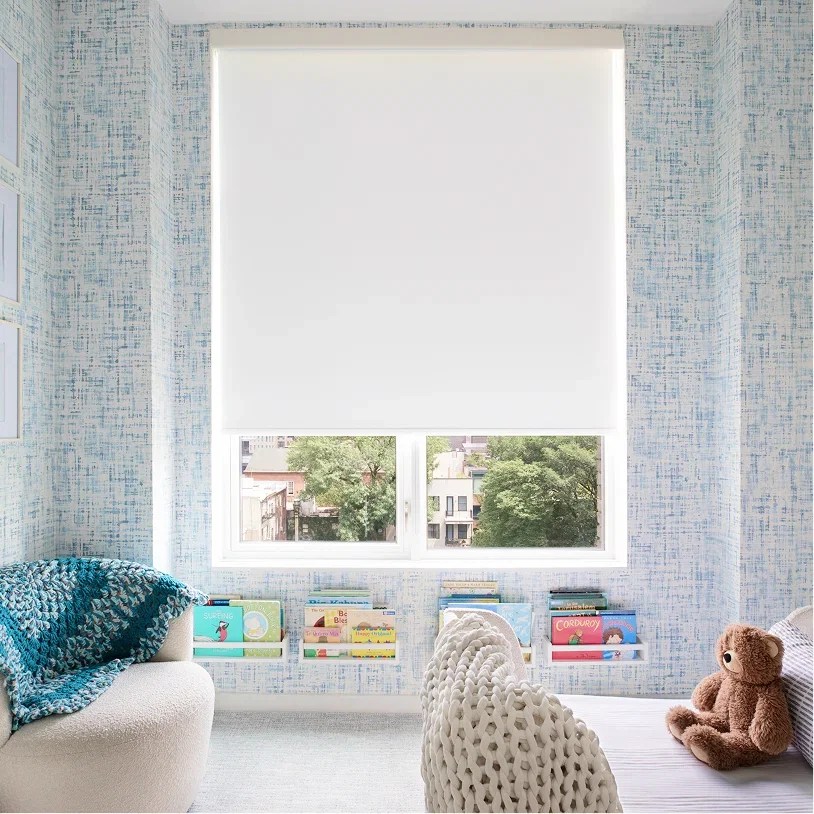
If the room is a nursery, prioritize cordless operation and a properly installed shade. The child-safe window treatments guide covers cord-control decisions that matter more than the aesthetic.
Three dark academia shade formulas that work
Use a tobacco or parchment linen-look roller shade against a dark walnut desk and cream wall. This combination keeps daylight warm and protects the room from looking visually flat. A 5% openness fabric is often enough for a study that needs a view; choose room-darkening if the desk faces a bright west window.
The shade becomes a quiet background instead of a theatrical prop. Pair it with antique brass hardware and a narrow wood valance only if the room already has substantial trim. Otherwise, a slim cassette is cleaner.
A charcoal or deep olive shade provides tonal contrast against a green wall without introducing another loud color. Choose a matte texture and inside mount where the recess is at least 2 inches deep. If the window is shallow, outside mount the shade so the roller clears the trim and the fabric hangs straight.
For a layered look, combine the roller with stationary linen panels. A dual treatment lets you close the shade for privacy while the panels add softness. See roller shade valance options for ways to conceal the tube without adding ornate bulk.
An oxblood roller shade can be the accent in a bedroom or reading nook when the rest of the room is charcoal and wood. Use a true blackout cloth if morning light is disruptive, and specify a cassette for a polished top edge. A 36-inch-wide window may need only one shade; a 72-inch opening is often better split into two units to reduce sag and make operation easier.
Ready to test an oxblood, tobacco, or charcoal option in your own lighting? Request swatches from World Wide Shades, then use the custom builder once you know which texture works.
Measuring and mounting details that protect the mood
Measure width at the top, middle, and bottom of the opening; record the narrowest inside width and the exact height at the left, center, and right. A 1/4-inch deduction is common for inside-mount clearance, but the product’s specifications control the final deduction. For outside mount, add 3 to 4 inches on each side and at least 3 inches above the opening when possible.
Mounting height affects the entire composition. Placing the shade just above the trim can make a low window appear taller, while an inside mount preserves historic casing. In an old house, do not drill into fragile plaster until you locate solid structure; a professional can specify anchors and a secure bracket layout.
Dark fabrics show dust and pet hair more readily than mid-tones. Vacuum with a brush attachment on low suction every 4 to 8 weeks, and spot-clean according to the manufacturer’s care code. For a home with cats or dogs, compare fibers in our pet-friendly window treatments guide. World Wide Shades can recommend a texture that keeps the academic look without becoming a maintenance project; contact the team if you have an unusual window or historic trim.
Motorization can fit a traditional room
A motorized shade does not have to look futuristic. A concealed battery motor can preserve the quiet face of a linen-look roller while providing a scheduled open at 7:00 a.m. and close at sunset. Battery systems often add roughly $180 to $350 per window depending on size, fabric, and control package; hardwired work typically costs more because an electrician must route power.
Motorization is helpful for tall windows, heavy blackout fabrics, and rooms where reaching behind a desk is inconvenient. It also removes operating cords from a study or bedroom. For integration details, see smart home motorized shades setup. Call (844) 674-2716 to discuss a quiet control plan with World Wide Shades, or configure a motorized option online.
Frequently Asked Questions
Warm charcoal, walnut brown, tobacco, oxblood, forest green, navy, and parchment are reliable dark academia choices. Match the shade’s undertone to the room’s wood and paint; a warm brown works with brass and walnut, while blue-charcoal suits blackened steel and cooler walls. Order World Wide Shades swatches because daylight can change a color by several degrees of apparent warmth.
Only when the room needs strong darkness. Use light-filtering fabric in a reading room, room-darkening fabric for screen glare, and blackout fabric in a bedroom or media room. Blackout cloth still needs an outside mount, cassette, or side channels to reduce edge gaps. World Wide Shades can specify the opacity and mounting method together; contact the team for a room-by-room recommendation.
Yes, particularly in walnut, espresso, bamboo, or deep-stained finishes. Woven wood adds natural texture and works with books, leather, and antique furniture. If privacy is important, add a privacy or blackout liner. Compare material and liner choices in the woven wood shades guide.
A small manual roller shade may start around $120 to $250, while a larger blackout shade or textured fabric commonly lands around $250 to $600. Motorization can add approximately $180 to $350 per window, and oversized or specialty windows cost more. Exact pricing depends on dimensions, fabric, mount, and quantity, so use the World Wide Shades builder for a project-specific estimate.
Yes. A roller shade controls glare and privacy while stationary or traversing panels add softness and improve edge coverage. Leave enough depth for both hardware, and confirm that the shade does not hit the curtain rod when raised. World Wide Shades can help coordinate the shade fabric and panel palette; request a consultation or call (844) 674-2716.
Build a more livable dark academia room
The most convincing dark academia window is controlled, not covered in decoration. Start with the room’s sun direction, choose the opacity that solves the actual problem, and then select a matte color or texture that supports the wood, books, and textiles already present. Precise measurements keep the shade aligned with historic trim, while a cassette, cordless lift, or motor can make the finish feel intentional.
World Wide Shades supplies custom roller shades for studies, bedrooms, libraries, and full-home projects. Browse the online builder, order swatches, or contact World Wide Shades for help with a difficult opening. Call (844) 674-2716 when you want to talk through fabric and mounting details with a specialist.