Why library windows need controlled daylight
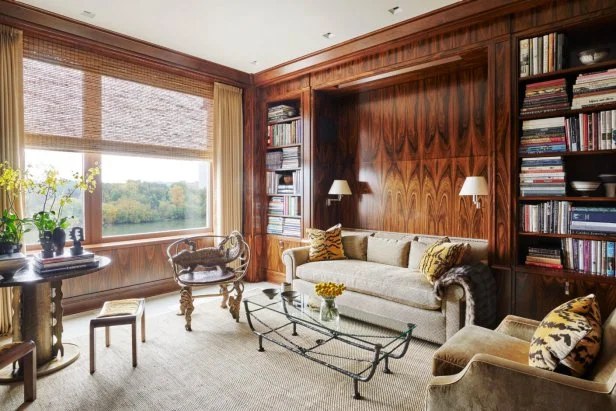
A home library needs enough light to read, but direct sunlight can fade book jackets, paper, rugs, and wood. Ultraviolet radiation is invisible, so damage can build while a room still looks comfortable. The right window shades for a home library reduce exposure at the glass while preserving a soft pool of daylight for reading.
World Wide Shades can help you balance protection with the atmosphere that makes a library inviting. Begin a library window plan in the Custom Shade Builder and note where shelves, a reading chair, and a desk sit relative to each opening.
UV, visible light, and heat are different problems
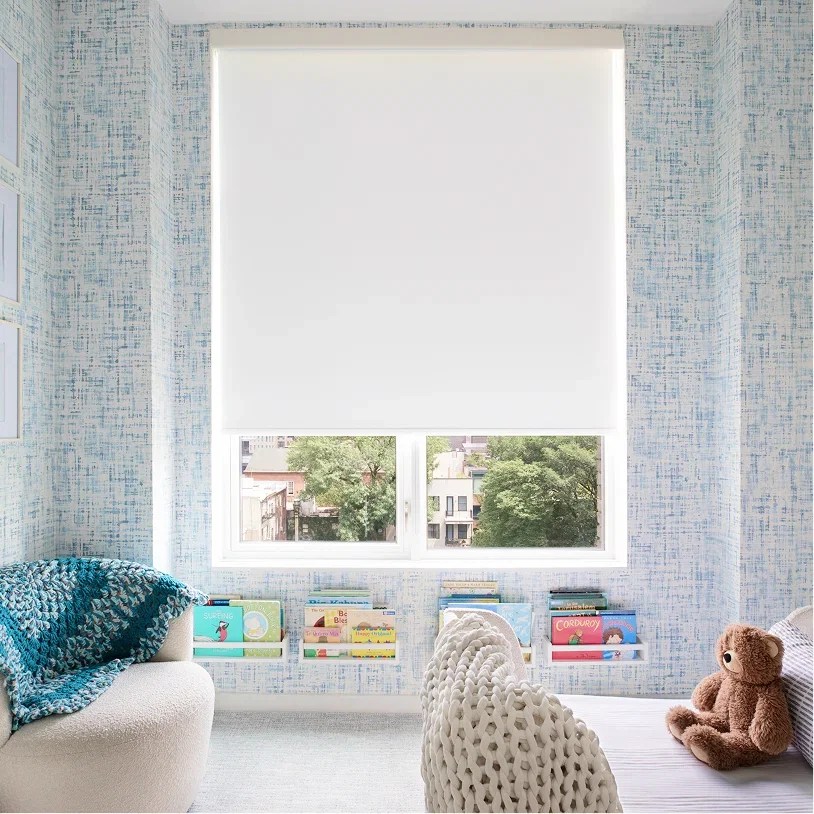
UV protection helps slow fading, but a shade also needs to manage visible glare and solar heat. A tightly woven solar screen can reduce glare while maintaining an outward view. A light-filtering roller shade can soften the room and keep it bright. A room-darkening shade may be useful for a library that doubles as a media room, but it can make reading depend on electric lighting.
No interior shade blocks every ray around the edges. An outside mount with overlap can improve coverage, while a close-fitting cassette or side channel can reduce exposed gaps when protection is a priority. Read UV protection window shades for the material tradeoffs, then order samples from World Wide Shades and place them beside the most valuable books.
A simple exposure priority for books
Treat the most sun-exposed shelf first. Books near a south- or west-facing window may experience stronger afternoon exposure than books on an interior wall. A shelf directly beside glass is a higher priority than one across the room, especially when the window is large or uncovered for many hours.
Use this planning order:
- Protect rare, signed, antique, or brightly jacketed books first.
- Shade wood shelving and floors where uneven fading would be obvious.
- Control glare at the reading chair without eliminating all daylight.
- Use a consistent fabric family so the library still feels calm.
See best shades for south-facing windows and best fabrics for roller shades for more ways to match performance to exposure. Ask World Wide Shades to review your shelf layout before choosing a sheer fabric for a very bright wall.
Light-filtering versus solar screen fabric
Light-filtering fabric diffuses incoming light and can create a soft, even glow. It is a natural fit for a reading nook where privacy and comfort matter more than a clear exterior view. Solar screen fabric uses a visible weave to reduce glare and preserve view-through; openness is commonly listed as 1%, 3%, 5%, or 10%.
A 3% or 5% screen often works well for a library with a garden view. A 1% screen is better when low-angle glare makes the pages hard to read. If the library contains a television or computer, choose a fabric based on the screen's reflection at the time you use it, not only on a swatch under showroom lights.
Compare the two approaches in the light-filtering shades guide. Then use the World Wide Shades builder to explore a custom size and operating method.
Mounting details that protect the collection
Inside mount looks integrated and keeps the shade close to the glass. It requires a frame with sufficient depth and may leave a narrow perimeter of light. Outside mount covers more of the opening and can add 2 to 3 inches of overlap on each side when the wall and trim allow it.
A cassette headrail can shield the rolled fabric from dust and create a finished line above the bookcase. A valance can also conceal the tube, but it occupies some vertical space. Read roller-shade valance options if your library has traditional trim or built-in shelving.
Keep the bottom rail clear of shelf doors and chair backs. If the window is behind a tall bookcase, make sure the shade can fully lower and that the hardware remains serviceable. Send World Wide Shades a photo of the opening when shelving makes standard measurements difficult.
Reading light and glare control
A comfortable reading surface needs even illumination rather than a bright window behind the page. Place a chair at a 90-degree angle to the glass when possible, add a warm task lamp, and close the shade partway when low-angle light crosses the room. A shade with a neutral backing can reduce color shifts on paper.
A good target is to avoid a strong bright rectangle in the reader's field of view. Test the shade at 9 a.m., noon, and 4 p.m. because a window that looks gentle in the morning can become harsh in the afternoon. World Wide Shades can help you specify different openness factors for different exposures while keeping the color consistent.
For adjacent rooms with different needs, see window shades color guide and window shades that increase home value. Request design help from World Wide Shades if you are coordinating a library, office, and living room.
Color and texture for a quiet library
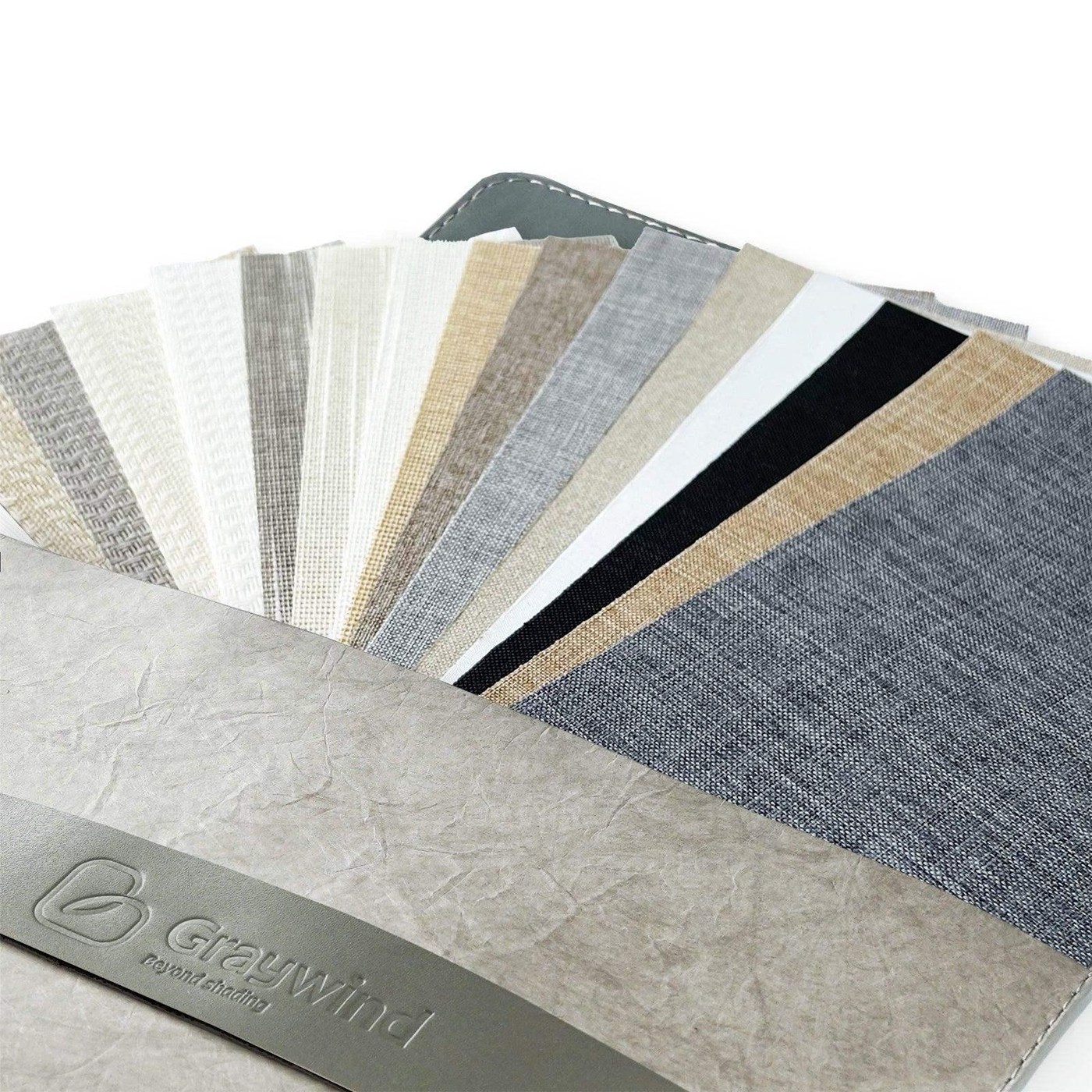
A library benefits from colors that let the books and woodwork lead. Natural white, parchment, oatmeal, warm gray, and muted olive can complement oak, walnut, painted millwork, and leather. A smooth roller shade keeps the architecture crisp; a subtle woven texture adds warmth without competing with the shelves.
Avoid picking a fabric only from a phone screen. The backing, weave, and daylight can shift a color by several visual steps. Order physical swatches, place them beside the trim, and compare them with the lamps on at night.
Manual, cordless, or motorized operation
A standard manual shade is often adequate for a reachable library window. Cordless operation reduces visual clutter and works well when the shade is used daily. Motorization is valuable for tall windows, multiple openings, or valuable collections where you want to close all shades during peak sun.
A simple automation might close west-facing shades at 3 p.m. in summer and open them in the morning. Use a timer as a convenience, not as a substitute for checking unusual weather or a window that needs to remain open. If you want connected control, review smart-home motorized shades setup and contact World Wide Shades.
Cost and project sequencing
Many custom manual or cordless roller shades cost about $150 to $600 per window as an initial planning range. Motorization can add approximately $200 to $500 per shade. A specialty cassette, side channel, oversized opening, installation, or premium UV fabric can increase the price.
A phased library project can protect the collection without overbuilding every opening. Start with the sunniest wall and the shelves that matter most, confirm the fabric in real light, then extend the same color and hardware to the rest of the room. Get an itemized quote from World Wide Shades.
A library shade plan that ages well
Prioritize exposure and collection value, choose a fabric that supports reading, and use overlap or a cassette when edge light and dust matter. Keep the operating method simple enough that the shade will actually be used every sunny day. A well-designed roller shade should fade into the architecture while quietly protecting what is inside.
World Wide Shades can coordinate shade performance with built-ins, trim, and adjacent rooms. Build your library solution, order swatches, or call (844) 674-2716 for a plan based on your windows and collection.
For a collection-focused recommendation, contact World Wide Shades at (844) 674-2716.
Home library window shade FAQ
Light-filtering shades create soft reading light, while 1% to 5% solar screens reduce glare and preserve a view. Choose the fabric based on the window's exposure, shelf location, and whether the room is used after dark.
They can reduce direct UV and visible-light exposure, which helps slow fading. Use the shade during bright periods and prioritize books near south- and west-facing glass. No interior shade eliminates every edge gap.
Only when the room needs strong darkness for media or sleep. For a reading-focused library, light filtering or solar screen fabric often preserves a more useful level of daylight.
Outside mount can cover more of the opening and reduce edge light when the wall allows enough overlap. Inside mount looks integrated but generally leaves more perimeter exposure.
A typical starting range is about $150 to $600 per manual or cordless window shade, with motorization adding approximately $200 to $500. Fabric, size, and installation determine the actual quote.
Yes. Share photos and dimensions through the contact page, explore the builder, and order samples to confirm the shade beside your woodwork and books.