Why solar screen roller shades need a different cleaning approach
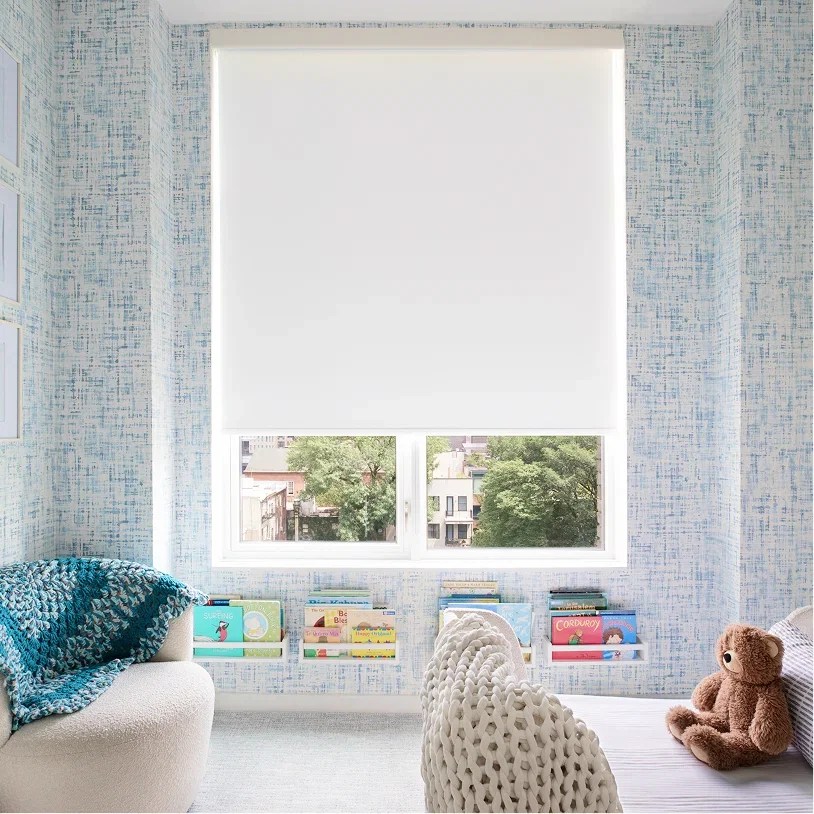
Solar screen roller shades (often called solar shades) are designed to manage glare and UV while preserving an exterior view. The fabric is typically a woven PVC/polyester blend with a measurable “openness factor” (commonly 1%–10%). Because that weave is the performance feature, aggressive cleaning can clog pores, distort the fabric, or leave residue that attracts more dust.
World Wide Shades recommends a “low-moisture, low-residue” routine: frequent dry cleaning, careful spot cleaning, and only occasional deep cleaning.
CTA: Not sure which openness factor you have (or want)? Compare materials and performance in the World Wide Shades builder.
Quick diagnosis: what kind of dirt are you dealing with?
Solar shades collect a few common types of grime, each with a different best practice.
Most common in living rooms and bedrooms. Dust can be removed with dry methods.
Common in kitchens, especially near ranges. Grease needs a mild degreasing step.
For kitchen-specific advice, see roller shades for kitchen and bathroom.
If you’re in a humid region, moisture management matters. Solar fabric is more resistant than many textiles, but mildew can still form on dust layers.
If this sounds familiar, read shades for hot humid climates and mold.
Some color shift is normal over years of UV exposure, especially on south- and west-facing windows. Cleaning can remove surface haze, but it won’t reverse true UV fading.
If your priority is preserving color, review best shades for south-facing windows and UV protection window shades.
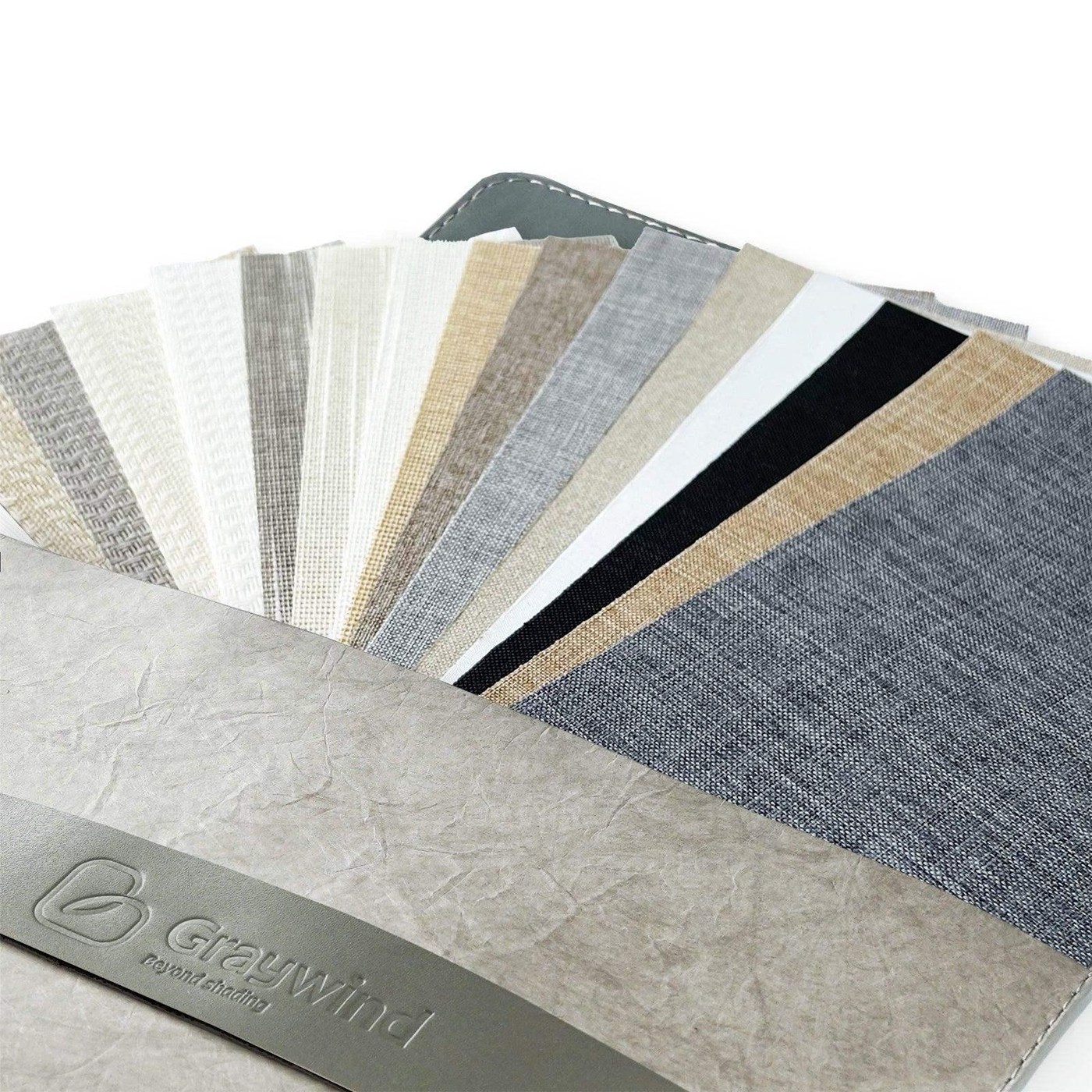
CTA: If you’re ready to upgrade to a UV-stable fabric, start with the World Wide Shades swatches to compare colors in your actual lighting.
Weekly maintenance (5 minutes per shade)
A simple weekly routine prevents most deep-clean problems.
Cleaning is easiest when the fabric is flat and supported.
- Work top to bottom.
- Use light pressure to avoid stretching the weave.
- Pay attention to the hem bar and edges where dust collects.
Use a low-suction setting. Keep the nozzle moving to avoid pulling the fabric.
If you’re also maintaining other fabrics in your home, compare broader methods in best fabrics for roller shades.
CTA: Want a shade that stays cleaner with less effort? Configure solar fabrics in the World Wide Shades builder.
Spot-cleaning solar screen fabric (the safe method)
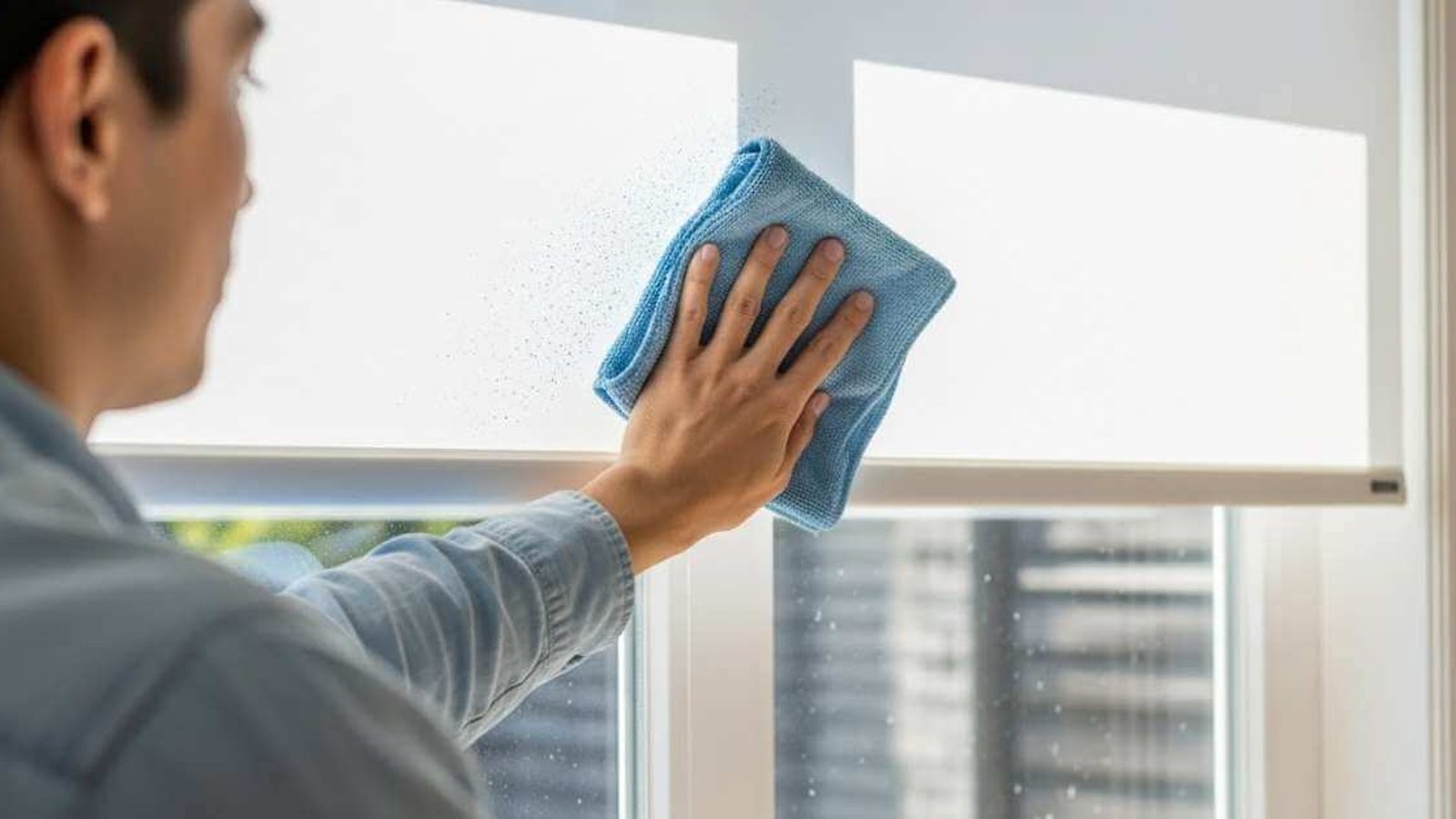
When you have fingerprints, splatter, or small stains, spot cleaning is the best approach.
- Clean microfiber cloths (2–3)
- A bowl of lukewarm water
- Mild soap (clear, non-bleach)
- Optional: a second bowl of clean rinse water
A reliable starting mix is:
- 1 teaspoon of mild dish soap per 2 cups of water
This keeps residue low. Using too much soap is a common mistake because leftover detergent can attract dust and make the shade look hazy.
- Test the solution on a small corner.
- Dampen (don’t soak) the cloth.
- Blot the stain—avoid aggressive scrubbing.
- Follow with a cloth dampened with clean water to remove soap.
- Pat dry.
Important: avoid bleach, ammonia, and strong solvents. They can damage PVC coatings and create permanent discoloration.
CTA: If you have repeated stains (kids, pets, rentals), ask World Wide Shades about easy-clean materials—call (844) 674-2716 or visit /contact.
Deep cleaning (seasonal): removing built-up grime without warping the fabric
Deep cleaning is for shades that look dull even after dusting.
Always vacuum/dust before adding any moisture. Wetting dusty fabric can create streaks.
- Keep the shade lowered.
- Use the mild soap mix above.
- Wipe gently in straight passes (top to bottom).
Use a clean cloth dampened with plain water. The goal is to remove soap film without saturating the fabric.
- Leave the shade down until fully dry.
- Open windows or run a fan to speed drying.
If your home has high humidity, drying matters as much as cleaning. Reference shades for hot humid climates and mold for prevention.
CTA: If you want low-maintenance shades room-by-room, build your plan in the World Wide Shades builder.
Cleaning grease near kitchens (without damaging the weave)
Grease is tricky because it binds dust.
Best practice:
- Start with vacuuming.
- Use the mild soap mix and blot repeatedly.
- Change cloth sections often so you’re lifting grease instead of smearing it.
Avoid:
- Degreasing sprays that leave residue
- Abrasive pads
- Hot water (can soften some coatings and increase stretching)
If your windows are near a cooking area or sink, also consider shade choices designed for moisture and easy cleaning—see roller shades for kitchen and bathroom.
What not to do (mistakes that ruin solar shades)
Solar screen fabric is durable, but these mistakes can shorten its life:
Never hose down a rolled shade. Moisture trapped in the roll can lead to odor, edge curl, or mildew.
Steam can deform the weave and loosen adhesives.
Bleach can cause immediate discoloration and weaken fibers.
Heavy friction can fuzz edges and distort openness factor.
If you’re choosing shades for a heavy-use space, consider performance materials and protective installs. For example, pet owners often benefit from the options in pet-friendly window treatments.
CTA: Want to avoid maintenance headaches? Order samples first at /swatches and choose the right material upfront.
How to tell if cleaning fixed the issue—or if it’s time to replace
Cleaning helps with surface dirt, haze, and some stains. Replacement is more practical when:
- The fabric is permanently faded or brittle
- Edges are frayed or curling
- The shade telescopes badly and rubs the bracket repeatedly
If fit is the underlying issue, check mounting and measurement fundamentals in how to install roller shades.
If you’re budgeting for replacement, start with how much do custom roller shades cost.
CTA: If your shade is aging out, rebuild your exact size in minutes using the World Wide Shades builder.
Maintenance schedule that works in real homes
A practical schedule most homeowners can keep:
- Weekly: microfiber dusting (5 minutes)
- Monthly: vacuum with brush attachment
- Quarterly: spot-clean any visible marks
- 1–2× per year: deep clean if the fabric looks dull
Homes with pets, kids, or open windows may need more frequent dusting.
Special cases: pets, smoke residue, and construction dust
Some homes create messes that behave differently than normal dust.
If you have shedding pets, hair often collects at the hem bar and along the side edges.
Best method:
- Vacuum with a brush attachment on low suction.
- Follow with a dry microfiber wipe (top to bottom).
- If oils are present (from pets rubbing), use the mild soap mix and blot, then rinse lightly.
For broader planning in pet households, see pet-friendly window treatments.
Smoke residue is sticky and can make solar fabric look dull or yellowed.
Approach:
- Dry-vacuum first.
- Use the mild soap mix and wipe in straight vertical passes.
- Rinse lightly and dry fully.
If residue keeps returning, improve ventilation and consider a fabric color that hides light haze better. The selection approach in window shades color guide helps.
Drywall dust is ultra-fine and can pack into the weave.
Best practice:
- Vacuum slowly with a brush attachment.
- Avoid wet cleaning until most powder is removed.
- If you must wet-clean, rinse more thoroughly to avoid streaking.
If you’re in a build or remodel phase, it can also be smart to delay installing new shades until dusty work is finished. See custom shades for new construction.
How to prevent solar shades from getting dirty so fast
Prevention reduces deep cleaning and extends fabric life.
- Keep windows closed on high-pollen days.
- Use kitchen exhaust fans to reduce grease film.
- In humid climates, keep indoor humidity in a reasonable range to avoid dust sticking to fabric.
- Kitchens: consider easy-clean materials and darker mid-tones that hide light haze.
- Living rooms with views: solar fabrics are excellent, but plan for routine dusting.
- Bedrooms: if you rarely open windows, dust accumulation is usually lower.
If you’re choosing materials room-by-room, compare fundamentals in best fabrics for roller shades.
FAQ: Cleaning solar screen roller shades
It’s usually not recommended because many glass cleaners contain ammonia or additives that can discolor coatings and leave residue in the weave.
For most situations, no. Cleaning the shade while it’s mounted keeps it supported and reduces the chance of stretching or creasing.
Start with vacuuming using a brush attachment at low suction. If hair is embedded, use a clean, dry microfiber cloth with light pressure to lift it.
The most common cause is leftover soap residue or cleaning a dusty fabric with moisture first. Dry-clean before spot cleaning, and rinse lightly afterward.
Cleaning can remove surface haze, but it can’t reverse true UV fading. If fading matters, consider upgrading to a UV-stable fabric and review UV protection window shades.
CTA: Need help choosing an easy-clean solar shade for your exact windows? Contact World Wide Shades at (844) 674-2716 or start with /builder.