Solar shade fabric is designed to reduce glare and solar heat while preserving some view through the window. Its openness—often described as 1%, 3%, 5%, or 10%—is created by a precise weave. Cleaning should remove dust and fingerprints without stretching the weave, closing the pores with residue, or damaging a coating. The safest routine is dry and gentle first, followed by a small, controlled spot treatment when needed.
World Wide Shades can help identify the fabric and care method before you clean a large shade. Choose solar and screen fabrics with World Wide Shades, order swatches, or contact World Wide Shades for care guidance. Call (844) 674-2716 when the shade has a specialty coating, a motor, a cassette, or a stain you cannot identify.
Why solar shade fabric needs gentle care
Solar screen fabrics are commonly made from coated fiberglass, polyester, or a blend. The surface may resist dust, but it is not indestructible. Strong brushing can fuzz the yarn or alter the appearance. Excess water can leave tide marks, loosen adhesives, or migrate into a bottom bar and motor area. Household bleach, abrasive powder, and solvent cleaners can discolor the coating or change its openness.
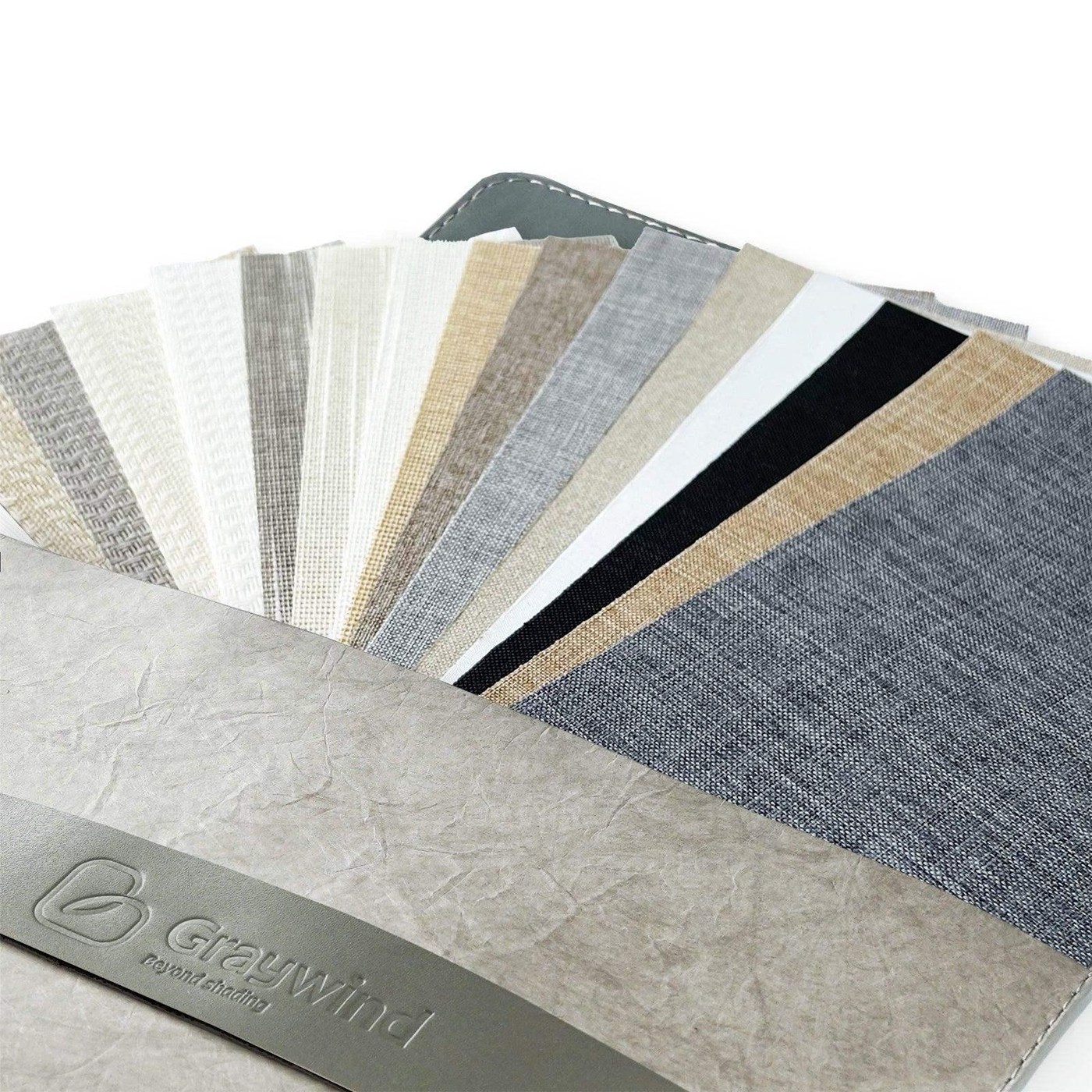
The openness percentage matters. A 1% solar screen has smaller apertures and typically provides stronger glare control than a 5% or 10% screen, but trapped dust can be more visible. A light-colored fabric can show fingerprints, while a dark screen can show lint or residue. World Wide Shades can match a cleanable fabric to the room’s dust, cooking, pets, and sun exposure. Ask World Wide Shades about fabric maintenance.
Cleaning frequency and a simple schedule
Dust solar shades every 2 to 4 weeks in a high-dust room and at least every 1 to 3 months in a typical living space. Kitchens, homes with pets, construction zones, and windows near an open door may need weekly light dusting. A two-minute dry cleaning is better than waiting for a thick layer that requires moisture.
Use a calendar reminder for large or hard-to-reach shades. Clean one shade at a time and photograph the fabric before you begin. If you have a motorized shade, keep the motor and charging port dry. For broader material comparisons, read how to clean roller shades safely and roller shade fabric care by material.
World Wide Shades can help you plan shades that will be easy to maintain in a busy room. Start a practical fabric plan or call (844) 674-2716 for project guidance.
Step 1: Remove loose dust
Lower the shade to a comfortable working height. If the system allows it, clean the front and back separately without pulling the fabric sideways. Use a clean, soft microfiber cloth or a feather-free duster and move from top to bottom with light strokes. Do not press hard enough to flatten the weave.
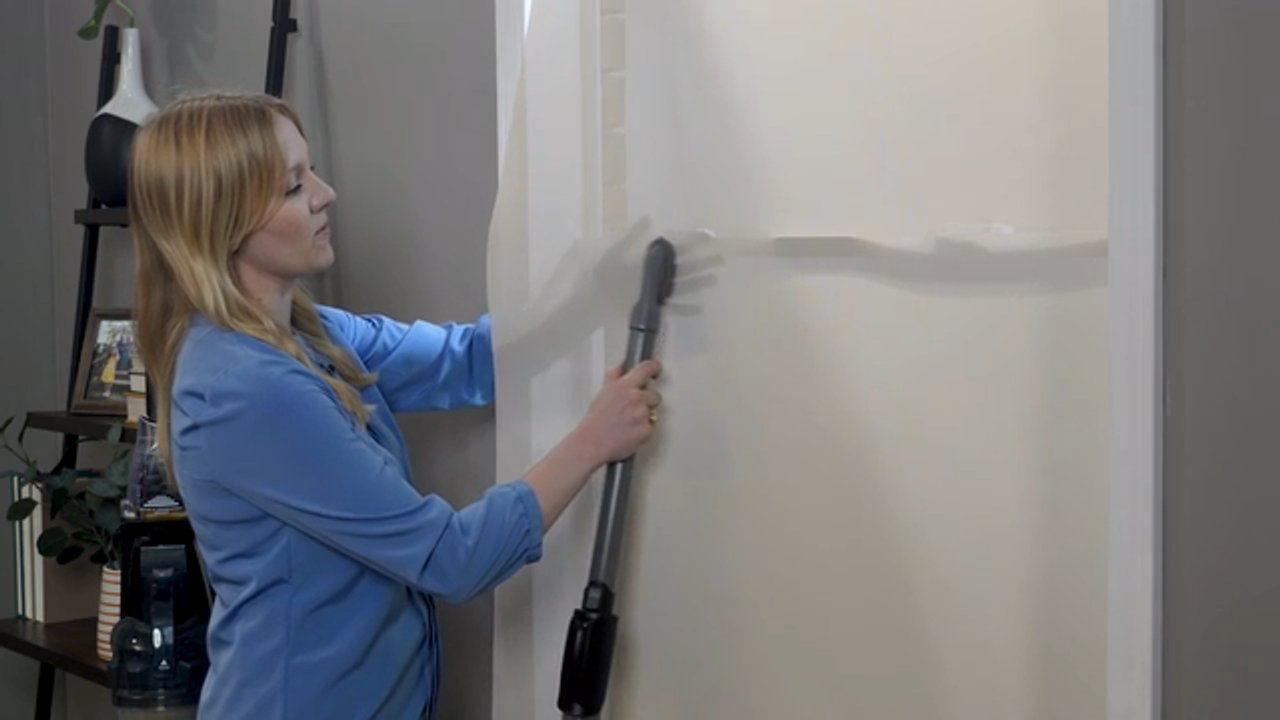
A vacuum with a clean upholstery brush can work at low suction. Keep the brush moving and never allow the nozzle to touch the fabric without a soft attachment. Start at the top, support the lower bar, and work across in overlapping passes. On a wide shade, clean in 6- to 12-inch sections so you do not miss a band.
If the shade is high, use an extension duster rather than leaning from a ladder. World Wide Shades can recommend motorized control for openings that are difficult to reach, but cleaning still requires a safe working position. Contact World Wide Shades about high windows.
Step 2: Test before spot cleaning
Inspect the stain. A dry gray film is usually dust; a shiny mark may be oil or a fingerprint; a dark dot may be food, insect residue, or mildew. Do not assume every mark needs soap. First, choose a hidden spot near an edge and test your intended method. Wait until the area is fully dry and compare color, texture, and sheen.
Use distilled or clean lukewarm water and a small amount of mild, non-bleach detergent only when the fabric maker permits it. Mix a weak solution—approximately 1 teaspoon of mild detergent per quart of water is a conservative starting point—and use less rather than more. The correct care instructions for your fabric override any general recipe. World Wide Shades can help identify the safest approach.
Never mix cleaners. Do not use ammonia, chlorine bleach, acetone, furniture polish, abrasive sponge, steam cleaner, or a high-pressure spray. These products can attack coatings and leave a visible patch. Send the fabric details to World Wide Shades if you are unsure.
Step 3: Blot a small area
Dampen a white microfiber cloth until it is moist, not dripping. Blot the mark from the outer edge toward the center. Do not scrub in circles, twist the cloth, or stretch the fabric. Rinse the cloth often so you are lifting soil rather than spreading it. Keep the damp area as small as possible.
After blotting, use another cloth dampened with plain water to remove detergent residue. Do not saturate the shade. Residue can attract dust and make the cleaned area look darker. Pat the area with a dry towel, then leave the shade fully extended until it is dry. Do not roll damp fabric into the tube.
If a stain remains after two gentle passes, stop. Repeated rubbing is more likely to change the weave than remove the mark. World Wide Shades can suggest whether professional cleaning, fabric replacement, or a new shade is the better value. Ask World Wide Shades before escalating the treatment.
Keep water away from motors and hardware
For rechargeable or hardwired shades, inspect the lower bar, side channels, cassette, and motor end before cleaning. Disconnect or avoid controls as the product instructions require. Never spray the fabric while it is installed. Apply moisture to the cloth, not directly to the shade, and keep water away from the tube, end cap, wire, charging port, and wall control.
If the shade has a cassette, clean the exterior with a barely damp cloth and dry it immediately. Do not remove a cassette or motor to wash the fabric unless the manufacturer provides a service procedure. Review motorized shade care and setup when the shade is part of a connected system.
World Wide Shades can help with care planning for rooms that use many motorized shades. Build a coordinated shade package.
Special cases: grease, pet hair, and mildew
Kitchen grease can bind dust to solar fabric. Start with dry removal, then use only the approved weak detergent solution and blotting method. Pet hair may lift with a soft brush or low-suction upholstery tool; do not use adhesive lint rollers because their tack can pull at the coating. For mildew or a persistent odor, do not apply bleach. Moisture may indicate a window leak or condensation problem that should be corrected before replacing fabric.
A solar shade that lives in a humid bathroom or laundry area needs a fabric rated for that environment and adequate ventilation. Read roller shades for kitchens and bathrooms and how to clean solar screen roller shades. World Wide Shades can help select a product that balances privacy, moisture, and cleanability.
Prevent future soil and fading
Keep the shade fully raised when it is not needed in a dusty construction area. Use exhaust fans during cooking and showers. Keep plants, candles, and humidifiers from touching or blowing directly toward the fabric. Close windows during high-pollen or high-wind periods. A quarterly inspection of the bottom bar and side edges can catch rubbing before it frays.
Cleaning will not stop ultraviolet fading. Fabric color, window direction, glass, openness, and exposure all matter. A west-facing room may need a lower openness percentage or a dual-shade strategy. See UV protection window shades, energy-efficient window shades, and best fabrics for roller shades.
Compare solar screen options with World Wide Shades before a replacement project, or call (844) 674-2716 for care advice.
When to replace instead of clean
Replace or service a shade when the fabric has a permanent oil halo, coating failure, frayed edges, severe mildew, or a distorted weave. A clean-looking shade that no longer rolls level may have a mechanical or installation issue rather than a fabric problem. If the fabric is several years old and the room’s glare needs have changed, a new openness level may be more useful than repeated spot cleaning.
World Wide Shades can evaluate whether fabric-only replacement is possible for your system. Contact World Wide Shades for a service assessment or call (844) 674-2716 with the shade type and photos.
Frequently asked questions
Usually, no. Soaking can damage coatings, cause tide marks, stretch the weave, or expose hardware to water. Use low-moisture dusting and controlled spot blotting unless the fabric maker specifically approves immersion.
Do not use bleach unless the exact fabric manufacturer gives written instructions for it. White fabric can still have a coating that bleach damages. Start with dry cleaning and ask World Wide Shades about the fabric before using any chemical.
Use low suction with a clean, soft upholstery brush. Keep the brush moving, support the bottom bar, and avoid pressing the nozzle into the screen. Stop if the fabric catches or the coating changes appearance.
Test a hidden area, then blot gently with a barely damp white microfiber cloth and, only if approved, a weak mild-detergent solution. Rinse by blotting with plain water and let the shade dry fully while extended. Do not scrub or roll it while damp.
Yes, with care. Keep water away from the motor, wiring, charger, cassette, and control hardware, and follow the motor and fabric instructions. World Wide Shades can help identify the safe care method for the installed system.