What makes a window treatment feel Japandi
Japandi blends Japanese restraint with Scandinavian warmth. The look is calm, functional, and tactile: uncluttered lines, natural materials, low-contrast color, and objects chosen for purpose. Japandi roller shades fit that language when the fabric is quiet, the hardware is neat, and the window treatment supports the room instead of becoming its focal point.
World Wide Shades can turn the style into a measurable window plan rather than a vague mood board. Start exploring a custom roller shade in the builder, then use real fabric samples to check texture in your light.
The Japandi shade formula
A reliable Japandi formula is one simple silhouette + one natural undertone + one useful performance feature. That might mean a warm flax-colored roller shade with a cassette, a soft gray screen shade that keeps a garden view, or a natural-texture fabric that filters daylight without a busy pattern.
Keep the visual contrast modest. If the wall is warm white, a shade one or two steps deeper in oat, sand, or stone creates depth without a sharp stripe. If the room has pale oak, charcoal accents, or black window frames, a mushroom gray or muted taupe can connect the palette.
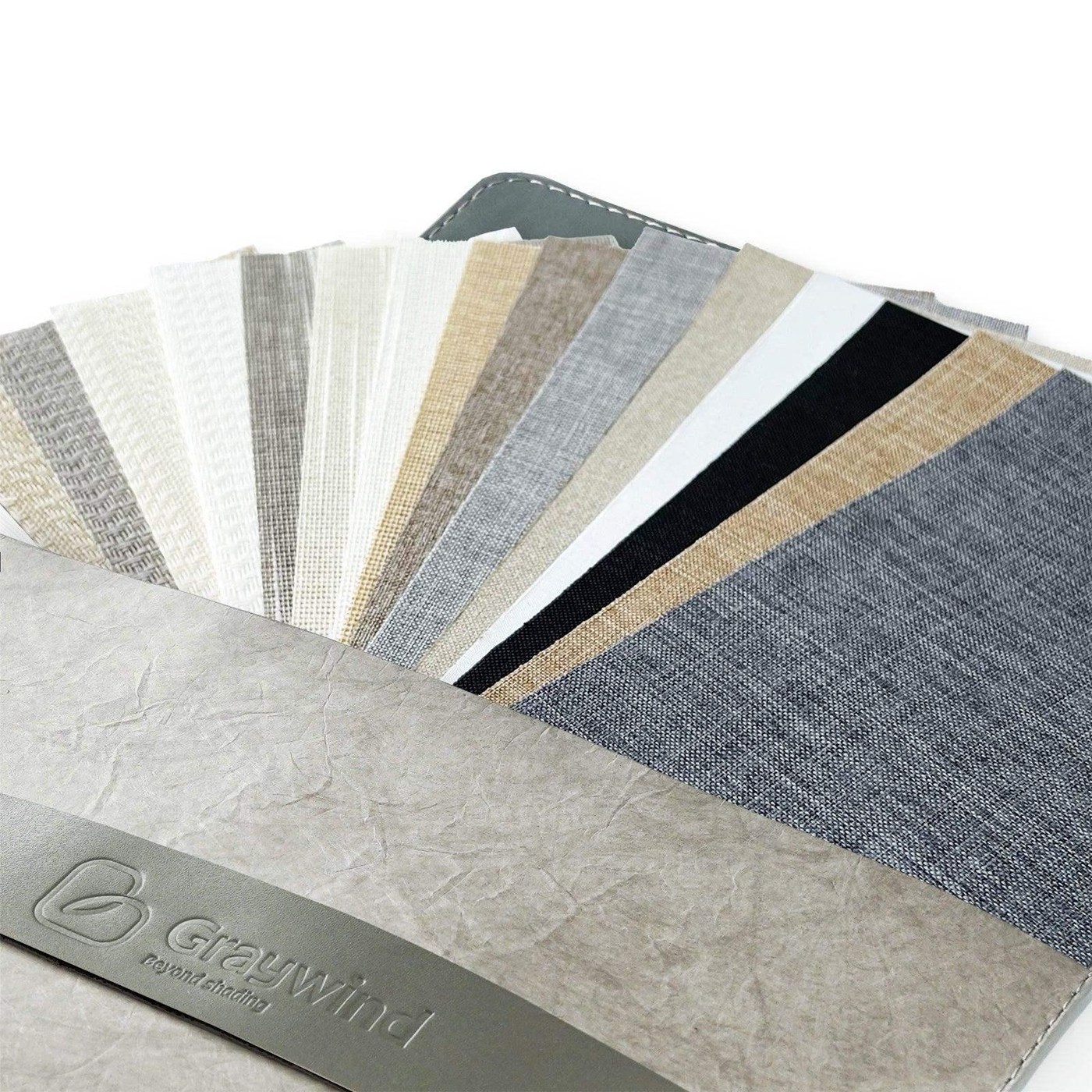
Order Japandi-friendly swatches from World Wide Shades and compare them against the floor, plaster, and woodwork. Ask a designer for a coordinated recommendation when the room has several window sizes.
Texture without visual noise
Natural texture does not require a heavy woven shade. A subtle linen-look roller, a fine basket weave, or a barely visible slub can bring warmth while keeping the profile clean. Avoid high-contrast geometric patterns, glossy finishes, and thick decorative folds if the goal is an edited Japandi interior.
Woven wood can add stronger organic texture, especially in a dining area or reading corner, but it may look more substantial than a smooth roller. Compare the possibilities in woven wood shades guide and roller shades vs. Roman shades. A World Wide Shades specialist can help you decide where texture should be repeated and where it should remain quiet.
For a clean modern line, build the shade in World Wide Shades' custom builder and select a headrail or cassette that keeps the roll visually contained.
Choosing light control for a calm home
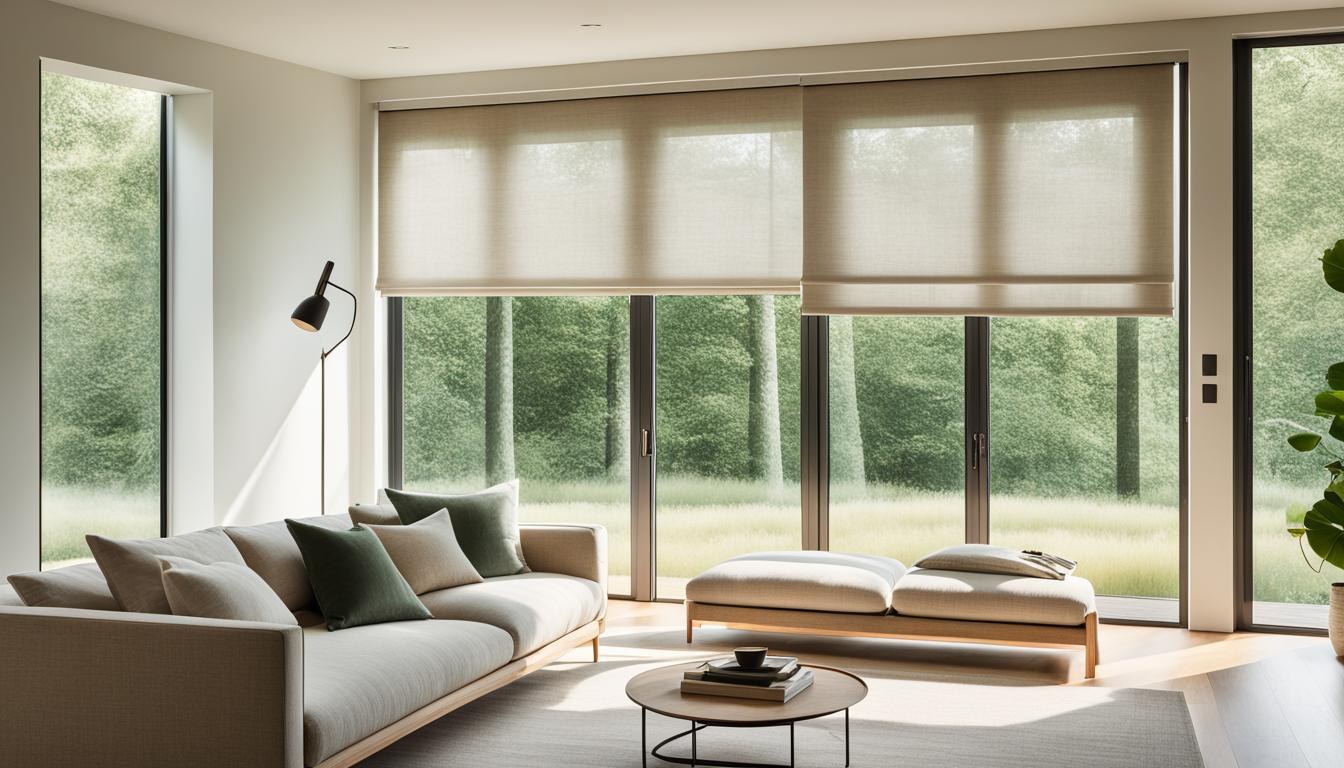
Japandi rooms are often bright but not glaring. Light-filtering fabric can diffuse daylight and create the soft, even atmosphere associated with the style. A 3% to 5% solar screen can preserve a view in a living room, while room darkening makes sense in a bedroom where sleep matters more than transparency.
Use different performance levels without changing the palette. A bedroom may need 90% to 100% light reduction, while a living room can use a lighter fabric with 3% or 5% openness. The colors can match even when the constructions differ.
Read window shade trends for 2026 and best window shades for a bedroom for room-specific tradeoffs. Contact World Wide Shades if you want one quiet color across rooms with different light goals.
Privacy that preserves daylight
The Japandi mood depends on daylight, but open glass can feel exposed. A light-filtering shade gives daytime privacy while keeping the room luminous. At night, privacy changes when interior lights are brighter than the outdoors, so a bedroom or street-facing room may need a more opaque fabric.
Use the window's sightline to choose. A high window with no neighboring view may need only glare control. A ground-floor living room may benefit from a shade that filters silhouettes. For a layered plan, pair a simple roller with a linen-look drapery panel, keeping the fabric colors close rather than introducing a new pattern.
See the light-filtering shades guide and request help from World Wide Shades. Order samples to test privacy with the room lights on after sunset.
Mounting, proportions, and the clean line
Inside mount keeps the shade within the frame and reinforces a tailored, minimal appearance. Outside mount can make a small window feel taller and cover bright edge gaps, but it needs a clear mounting surface and careful alignment. In a Japandi room, uneven headrail heights are more noticeable because there is less visual clutter to hide them.
Align the tops of nearby shades where possible, even if window heights differ. Keep the bottom rails at consistent visual levels when the architecture allows. A cassette can provide a continuous horizontal line; a slim exposed tube may be appropriate when the room is deliberately spare.
If you are coordinating new construction or a renovation, read custom shades for new construction. Share your elevations with World Wide Shades so the hardware can be planned before trim is installed.
Color palettes that stay quiet
Japandi works well with warm white, bone, oatmeal, flax, mushroom, stone, soft charcoal, and muted sage. Choose undertones carefully: a pinkish beige may fight a yellow-oak floor, while a cool blue-gray can make warm plaster look dull. The goal is not to make every surface the same color; it is to keep transitions gentle.
A neutral shade can be a long-term choice because it supports seasonal changes in pillows, ceramics, and plants. Use black hardware sparingly as a deliberate punctuation mark rather than a default. Use the window shades color guide, then request physical swatches from World Wide Shades before selecting a full set.
Motorization without clutter
Smart shades can support the Japandi principle of function without adding visual noise. Motorization removes chains and can open high windows with a quiet schedule. Use grouped controls for a wall of matching windows and keep the app or switch access simple.
A practical schedule might raise living-room shades at 7 a.m., lower west-facing shades at 3 p.m., and close bedroom shades at bedtime. Battery-powered motors are often convenient for finished rooms; hardwired options can suit new construction. Compare smart-home motorized shades setup and motorized shades with Alexa and Google Home. Talk to World Wide Shades about a control plan that stays in the background.
Cost and value of a restrained design
Many custom manual or cordless roller shades fall in a planning range of $150 to $600 per window. Motorization can add about $200 to $500 per shade, while premium textured fabrics, cassettes, large sizes, and installation may increase the total. A restrained design can still be custom; the value is in correct proportions, consistent color, and hardware that functions every day.
Start with the most visible window and confirm the fabric in changing light. Then extend the same shade family through connected rooms. Request an itemized quote from World Wide Shades so you can compare a minimal manual plan with a motorized upgrade.
A Japandi window plan that feels intentional
Choose a quiet color, a subtle texture, and the light control each room actually needs. Keep the mounting lines aligned, minimize busy hardware, and let the view or natural materials carry the visual interest. Japandi roller shades work best when you notice the room's calm before you notice the window treatment.
World Wide Shades can help you keep that restraint while solving glare, privacy, and hard-to-reach windows. Design your shades, order swatches, or call (844) 674-2716 for a room-by-room recommendation.
For a quiet whole-home motorization plan, contact World Wide Shades at (844) 674-2716.
Japandi roller shade FAQ
Warm white, flax, oatmeal, mushroom, stone, soft charcoal, and muted sage are reliable choices. Match the undertone to the floor and wall rather than selecting a neutral from a screen.
Both can work. A smooth or linen-look roller is more minimal; woven wood adds stronger natural texture. Use the architecture and the desired visual weight to decide, and keep the palette quiet.
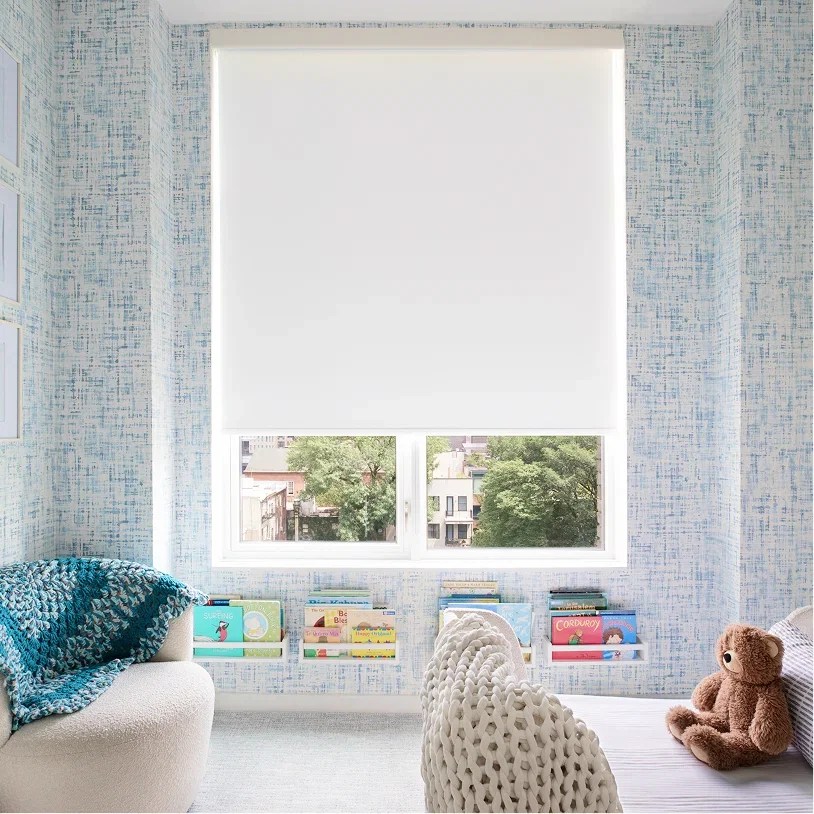
Many bedrooms need room-darkening or blackout fabric, often around 90% to 100% light reduction. Living rooms can use light filtering or a 3% to 5% solar screen to preserve daylight and views.
Yes. Motorization can remove chains and simplify high or wide windows while keeping the visual design clean. Grouped controls and quiet schedules support the functional side of Japandi style.
A planning range for many custom manual or cordless shades is $150 to $600 per window. Motorization may add about $200 to $500, with final cost determined by size, fabric, hardware, and installation.
Yes. Build a starting plan, order swatches, and contact World Wide Shades with photos of the flooring, paint, and window trim for a cohesive recommendation.