Kitchens are hard on window treatments. Between sizzling oil, steam from pots, splashes at the sink, and hands that are constantly wet or messy, a shade that looks great in a living room can turn into a stained, warped, or smelly mess in a matter of months.
This guide walks through what actually works for kitchen window shades: materials that wipe clean, options that hold their shape around heat and humidity, and smart light-control choices for the most common kitchen window locations (over the sink, by the cooktop, and near breakfast nooks).
Throughout the article, you’ll see practical ways to get a custom look without choosing something that’s going to be a maintenance headache. If you want help narrowing down a kitchen-safe fabric, start with our custom quote builder: Design your shades in the builder.
What makes kitchen window shades different from other rooms
Kitchens create three “stress tests” for shades that you don’t get elsewhere.
Even if you’re not frying daily, tiny droplets of oil travel farther than most people think. Over time they cling to fabric fibers, attract dust, and create a yellow or gray film that’s difficult to remove. That’s why fluffy fabrics and deep weaves often look dingy faster in kitchens than in bedrooms.
If you’ve ever wondered why a shade “never looks clean,” it’s often because the fabric is holding onto cooking residue, not because you’re cleaning incorrectly.
Kitchens see quick humidity spikes (boiling water, dishwashers, simmering sauces) that can stress adhesives, coatings, and certain natural fibers. Moisture can also encourage mildew on fabrics that stay damp, especially near sinks where windows are frequently splashed.
Kitchen shades are opened and closed more often than almost any other room, and not always with clean hands. A chain, cordless lift, or motorized control matters here because it changes how much you touch the shade fabric and hem bar.
If you want a low-maintenance setup from day one, request recommendations from World Wide Shades or call (844) 674-2716 to talk through fabric options and control types.
The best materials for kitchen window shades (ranked by real-world cleanability)
There’s no single “best” fabric for every kitchen, but there is a clear hierarchy when you prioritize wipe-clean performance.
Many kitchen-friendly roller shade fabrics are designed to be smooth, coated, and easy to wipe. The key benefit is that grease tends to sit on the surface instead of soaking in.
Choose this category if:
- Your window is near the cooktop or a high-splatter zone
- You cook frequently with oils
- You want the fastest wipe-down cleaning routine
If your top priority is durability plus easy cleaning, build a few options and compare them side-by-side in the World Wide Shades builder.
A lot of homeowners want the softness of linen in the kitchen, but real linen can wrinkle, absorb odors, and stain easily. The workaround is a faux-linen look fabric engineered to stay flatter and clean easier.
Choose this category if:
- You want an organic-modern style but still need kitchen practicality
- Your window is more “dining nook” than “over the frying pan”
- You want texture without constant maintenance
For more on texture vs performance, you may also like our fabric breakdown: Best Fabrics for Roller Shades.
Solar shades can be excellent in kitchens with strong sun exposure because they cut glare while preserving a view. However, the open weave can trap grease particles.
Choose solar shades if:
- The window is far from cooking residue
- You want glare control at the breakfast bar or kitchen desk
- You value daytime view-through
If your kitchen gets harsh sun, pair this article with: Best Shades for South-Facing Windows and UV Protection Window Shades.
Woven wood shades are beautiful, but kitchens are one of the toughest environments for natural materials. Grease and steam can cause odors and long-term discoloration.
If you love the look, consider using woven woods in adjacent dining spaces rather than directly above the sink or cooktop. Here’s a deeper dive: Woven Wood Shades Guide.
Light control choices that make sense in a kitchen
Kitchens need a different light strategy than bedrooms. Most homeowners want bright daytime light, plus targeted privacy at night.
Light-filtering shades soften glare, protect finishes from UV, and still keep the room feeling open. They’re a strong choice for over-sink windows where you want daylight but don’t want your view into the kitchen at night.
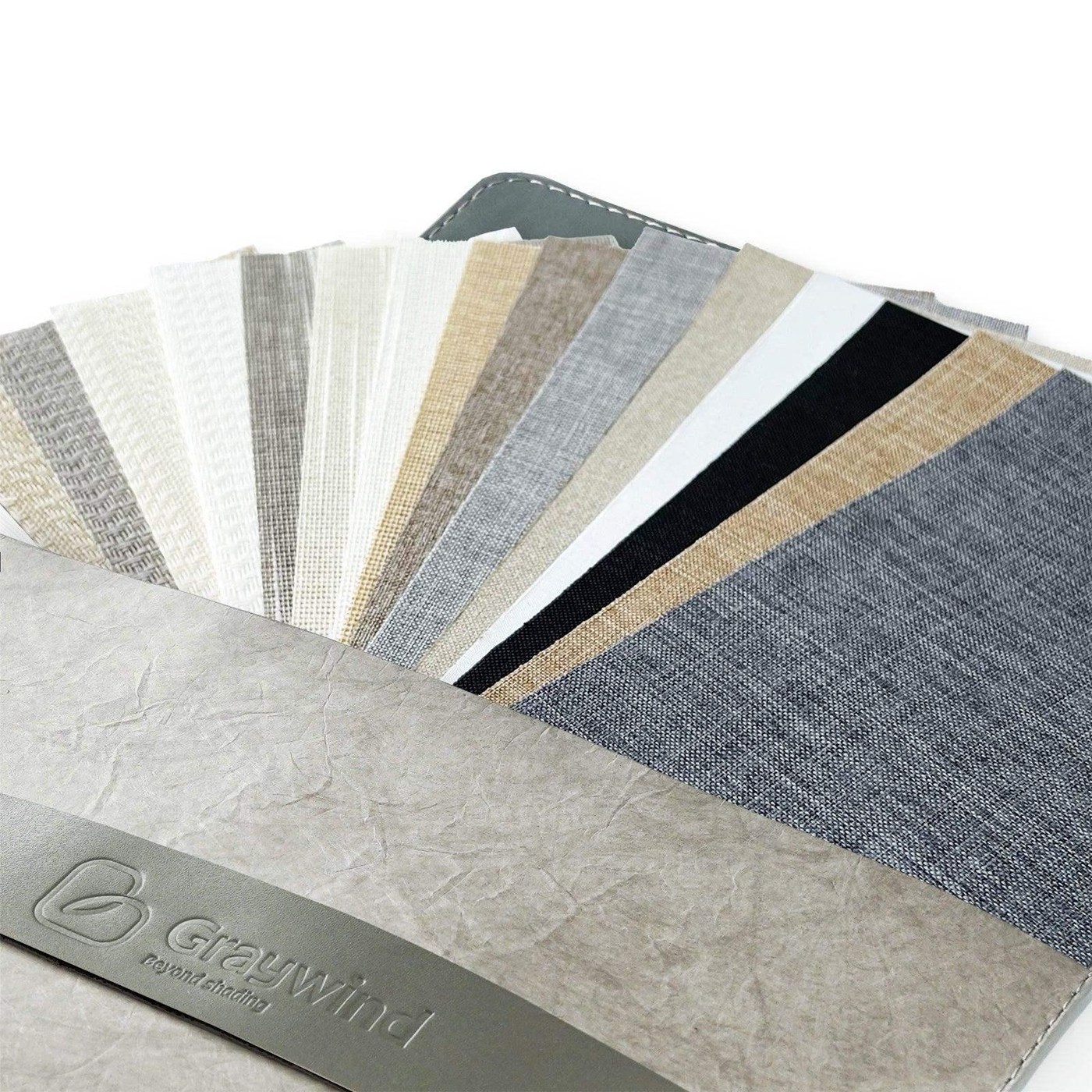
If you’re unsure what “light filtering” really looks like, see: Light Filtering Shades Guide and then order swatches to view the fabric in your real kitchen lighting.
Blackout shades can make sense when:
- The kitchen faces a neighbor’s bright exterior lighting at night
- You have a multi-use kitchen space (like a projector wall for family nights)
- The kitchen is part of an open plan and you want evening privacy
Note: blackout doesn’t automatically mean “no light gaps.” If you need close-to-total darkness, you may want outside mount or side channels.
Open kitchens connected to living rooms often need flexible light control. A day/night setup gives you a sheer or light-filtering layer for daytime, plus a privacy layer for night.
If you’re comparing layered options, you’ll like: Dual Roller Shades: Day & Night Explained.
Best kitchen window shades by window location
A shade that’s perfect near a breakfast nook might be a bad choice over the sink.
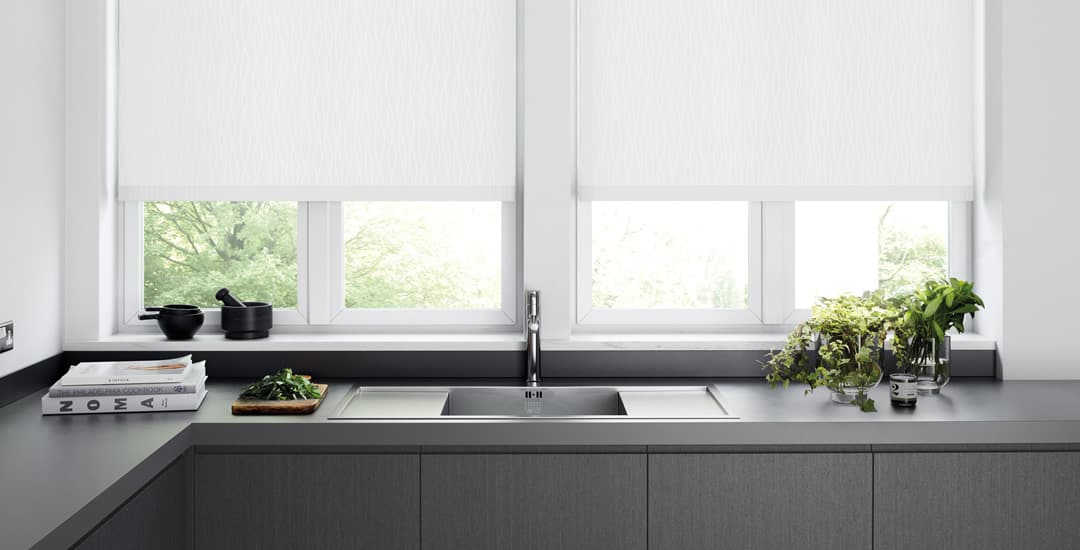
Over-sink windows take the most water splashes and tend to be opened and closed frequently.
Best options:
- Smooth, wipeable roller shades
- Moisture-resistant light-filtering fabrics
- Motorized shades if the window is hard to reach
Practical tip: choose a control type that minimizes touching the fabric. If you want a “set it and forget it” approach, talk to World Wide Shades about motorized options or call (844) 674-2716.
This is the highest-risk spot for grease and heat.
Best options:
- Easy-clean performance roller fabrics
- Outside mount to keep fabric farther from splatter zones
- Simple valance choices that don’t create dust ledges
If you’re considering a valance, read: Roller Shade Valance Options.
These windows often need glare control and style.
Best options:
- Faux linen textures (if they’re still easy-clean)
- Solar shades for view-through and glare reduction
- Light-filtering fabrics that complement nearby dining spaces
If your kitchen flows into the living room, you may also want a consistent look across rooms. Start here: Best Roller Shades for Living Rooms.
Choosing inside mount vs outside mount for kitchen shades
Mount choice affects cleanability, light gaps, and how forgiving the shade is around kitchen obstacles.
Inside mount looks custom and keeps the shade tight to the window opening. It’s popular in kitchens because it stays out of the way of cabinets and trim.
However, inside mount can increase side light gaps and may be less forgiving if the window opening isn’t perfectly square.
If you’re deciding between the two, read: Inside Mount vs Outside Mount Shades.
Outside mount is a strong kitchen choice when:
- You need more privacy coverage
- The window has shallow depth because of tile or trim
- You’re mounting above a sink and need clearance
If you’re planning your shade now and want fewer surprises later, use the World Wide Shades builder to choose mount type and confirm fit.
Control options: corded, cordless, or motorized for kitchens
Kitchens reward convenience. The control type isn’t just a preference; it can reduce mess and make daily use more pleasant.
Cordless shades are popular in kitchens because there’s no chain to collect grime. They’re also a great safety choice.
If you’re prioritizing safety, see: Child Safe Window Treatments.
Chains can be practical for tall kitchen windows or when you want precise positioning. The trade-off is that the chain and tension device will need occasional cleaning.
Motorization shines for:
- Over-the-sink windows you don’t want to reach across
- High transom-style kitchen windows
- Smart routines (open in the morning, close at night)
If you already use Alexa or Google Home, this setup guide helps: Motorized Shades Alexa and Google Home.
To price out a motorized kitchen shade quickly, start your configuration in the World Wide Shades builder.
Cleaning routine: how to keep kitchen shades looking new
A realistic cleaning routine beats “deep cleaning” once a year.
- Dust with a microfiber cloth or soft brush attachment
- For wipeable fabrics, do a light wipe with a damp cloth
Avoid harsh degreasers unless the fabric is specifically rated for it.
Look at the bottom hem bar and the edges closest to the stove. These areas show the earliest residue buildup.
For a complete cleaning guide, follow: How to Clean Roller Shades Without Ruining Them.
If a shade looks “cloudy,” it’s often a buildup of airborne residue. That’s a sign the fabric choice isn’t matching the kitchen’s demands.
If you want help selecting a more kitchen-proof fabric, contact World Wide Shades or call (844) 674-2716.
Kitchen safety considerations (heat, flame, and placement)
Kitchen shades should be positioned to avoid direct exposure to heat and open flame.
Practical guidelines:
- Keep window treatments away from active burners and toasters
- Use outside mount when you need the fabric further from splatter zones
- Choose materials designed to tolerate humidity swings
If you have unusually large kitchen windows, consider weight and control type too. Heavy fabrics are often easier with motorization.
How to get a “designer” kitchen look without choosing a high-maintenance fabric
A kitchen can still feel elevated even if you choose a practical material.
Pick a fabric with subtle texture and a wipeable finish, then keep the color palette aligned with cabinets and backsplash.
If you’re deciding between whites and warm neutrals, these guides help:
Kitchen lighting can be tricky: under-cabinet lighting, daylight shifts, and reflective surfaces change how fabrics look.
The simplest way to avoid regret is to order swatches and view them at breakfast, midday, and nighttime.
A clean top treatment can make a roller shade look more built-in. If you’re exploring finishes, see: Roller Shade Valance Styles.
FAQ: kitchen window shades
Smooth, performance-focused roller shade fabrics are typically the easiest because grease sits on the surface and can be wiped away more easily than on a deep weave.
Yes, if the fabric is designed to be moisture-resistant and wipeable. Faux linen looks can give you warmth without the maintenance issues of natural linen.
Inside mount looks more built-in and stays clear of cabinets. Outside mount often provides better coverage and can keep the fabric farther from splatter zones. Use your window depth and cooking location to decide.
They can be, especially for over-the-sink windows, hard-to-reach openings, and households that want quick privacy at night. They also reduce how often you touch the shade with wet or messy hands.
Get kitchen shades that survive real life (and still look custom)
The best kitchen window shades aren’t just stylish; they’re designed for grease, moisture, and daily use. When you match the fabric to your cooking habits and choose the right mount and control, your shades stay cleaner, last longer, and look more “built-in.”
To get started, design your kitchen shades in the World Wide Shades builder, compare fabrics with swatches, or contact World Wide Shades for recommendations tailored to your windows.