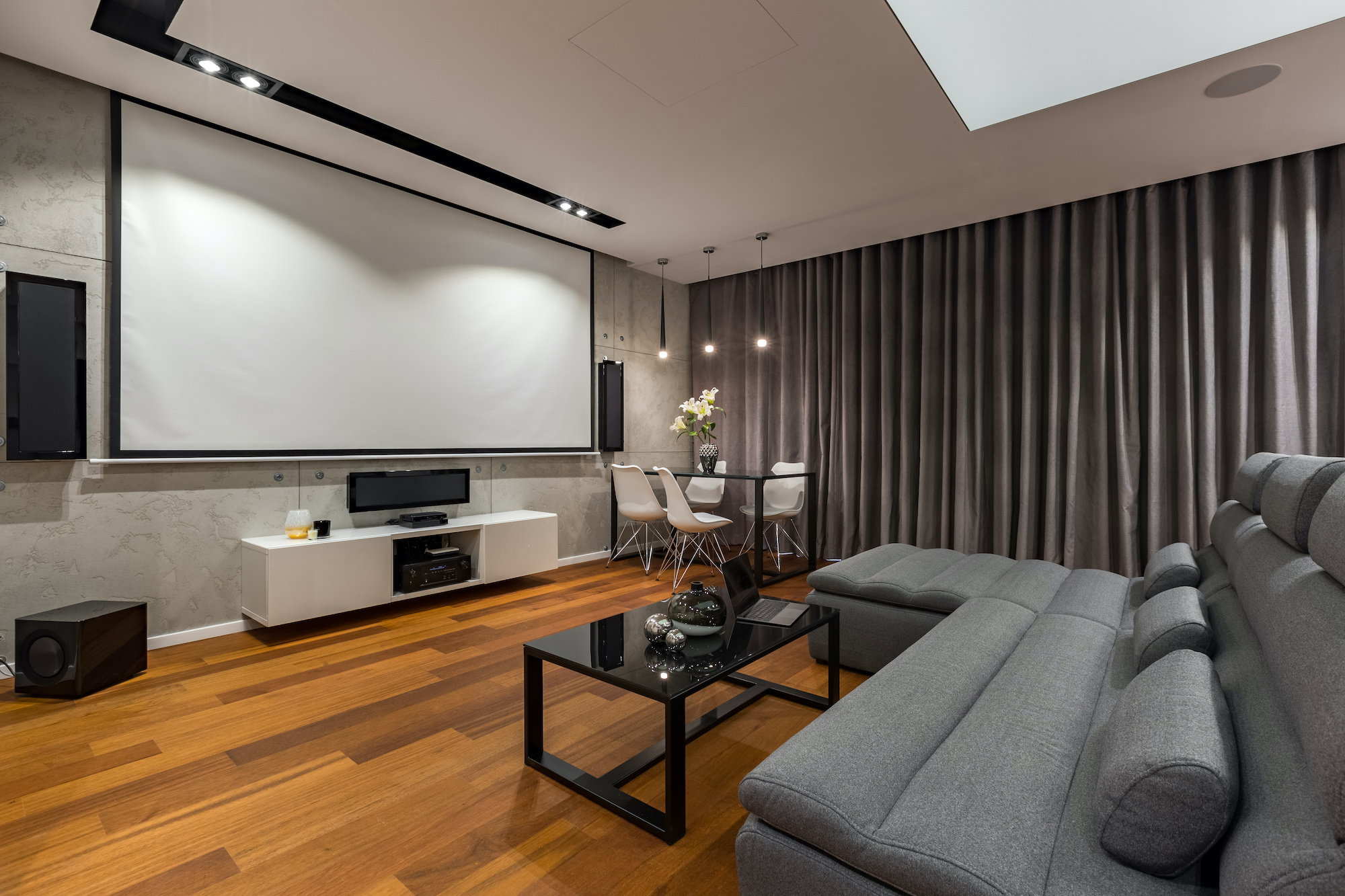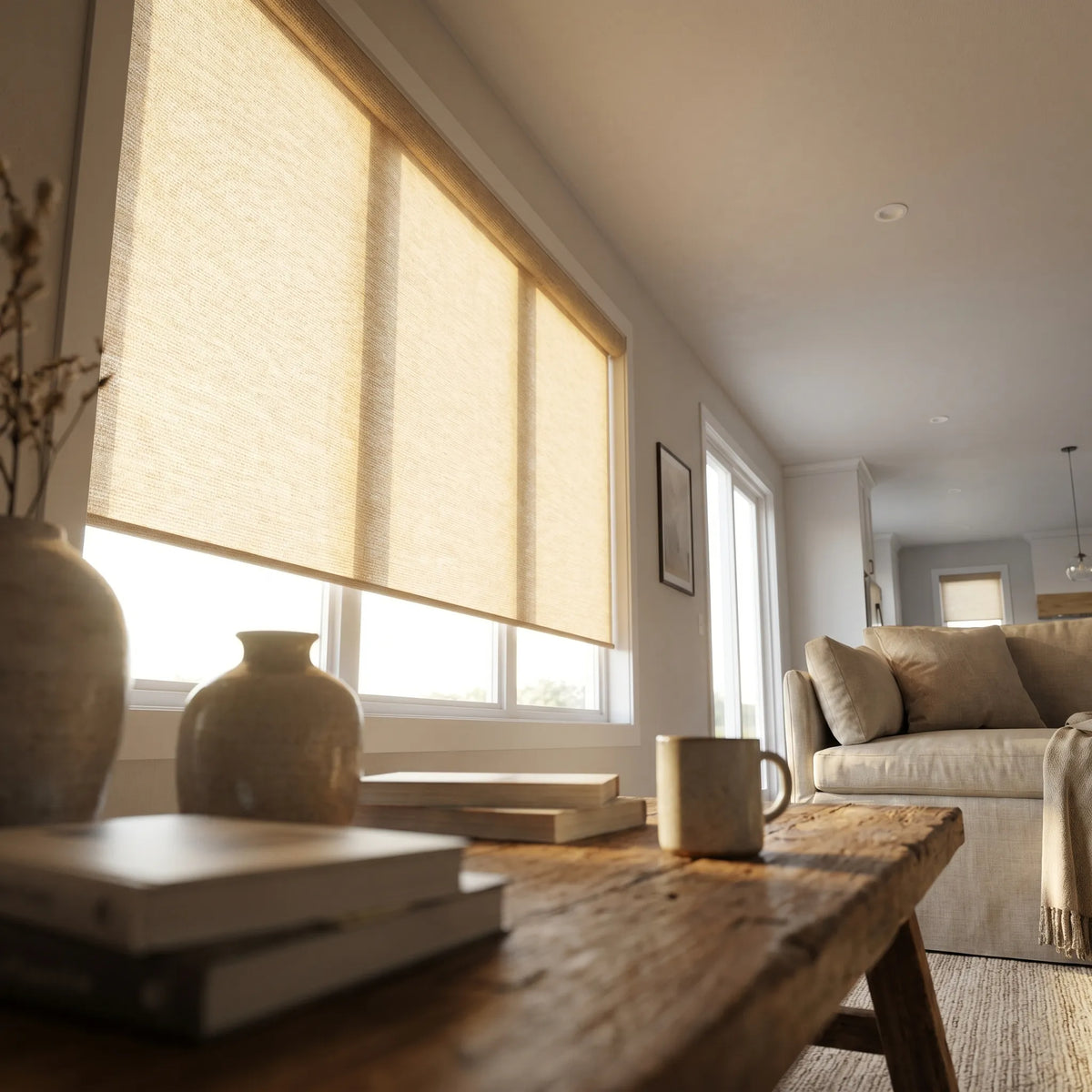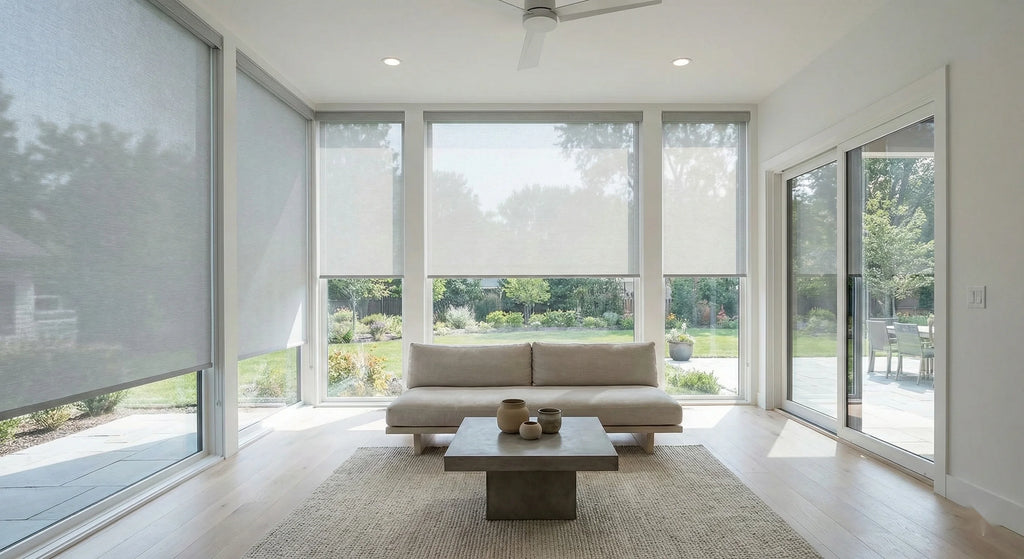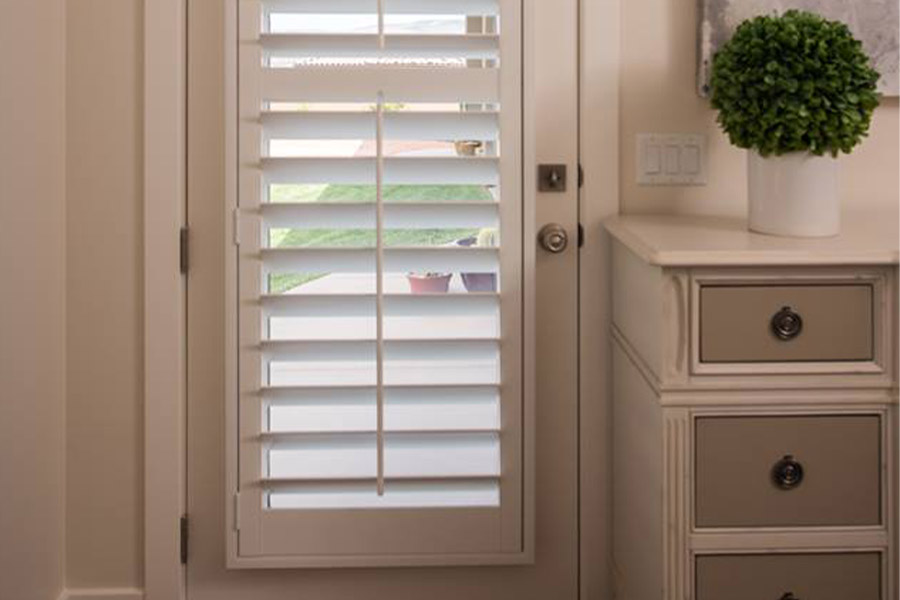
A mudroom is not a showroom. It is where wet coats drip, bags land, pets wait, and family members move quickly between inside and outside. Mudroom window shades should provide privacy and glare control while tolerating dust, moisture, bumps, and frequent operation. World Wide Shades can size a durable treatment around hooks, benches, doors, and sightlines. Build a mudroom shade plan with World Wide Shades before the hardware competes with storage.
Begin with privacy and traffic patterns
Look through the windows from the sidewalk, driveway, and neighboring homes at morning, noon, and night. A mudroom that feels private in daylight can become fully visible when interior lights switch on. If the window faces a walkway, choose a fabric or opacity that protects privacy without making the room gloomy.
Then map movement. Note whether a bench sits under the window, whether a door swings across the opening, and whether a dog crate or shoe cabinet blocks the bottom rail. Share the room layout with World Wide Shades so the shade is planned around the traffic lane rather than added after the furniture.
Choose a material that cleans easily
A mudroom benefits from a smooth, tightly woven polyester or performance fabric that can be dusted and spot-cleaned. Avoid a deeply nubby surface directly above a boot tray if it will collect grit. A light-filtering weave can soften daylight; a more opaque fabric adds privacy at night. If the room has a sink or exterior door, confirm cleaning instructions and keep the shade from touching wet surfaces.
Color affects maintenance. Warm gray, flax, mushroom, and medium taupe can disguise everyday dust better than bright white, while charcoal may show pale lint from towels and pet hair. Compare best roller shade fabrics and window shade color ideas with real samples. World Wide Shades can steer you toward a finish that looks intentional after a busy week.
Use the right light level
Many mudrooms need privacy more than blackout. A translucent light-filtering shade keeps a narrow entryway from feeling like a closet, while a room-darkening weave is useful for a window facing a bright driveway or security light. If the mudroom connects to a kitchen, match the shade’s openness and color to nearby windows so the sightline feels continuous.
A 3% solar screen can reduce glare and preserve some view, but it may not provide enough nighttime privacy when lights are on. Use a privacy liner or a tighter fabric when the room is visible from outside. The light-filtering shades guide and privacy-focused child-safe treatments provide helpful comparisons.
Plan for doors, handles, and benches
The bottom rail should not strike a bench lid, coat hook, faucet, or door handle. Measure the projection of every object in the shade’s path. For a narrow sidelight beside a door, an outside mount may cover trim but can interfere with the door swing; an inside mount may preserve clearance but leave brighter edges.
If the shade is near an exterior door, check that wind from the opening does not repeatedly slap the fabric against the glass. A side guide, hold-down, or a shade split can keep operation controlled. Ask World Wide Shades to review clearances when a window shares space with a frequently used door.
Pick cordless or motorized operation
Cordless control is a strong fit for a mudroom because it removes a loop from the path of children, pets, bags, and jackets. For a high transom, stair landing, or window behind a bench, motorization prevents the family from leaning over furniture to reach a chain. Put a remote where it is easy to find, or group the shades with an entry “privacy” scene.
The motorized shades setup guide explains hub and control decisions. For voice control, see Alexa and Google Home motorized shades, but keep a physical control for guests and outages. World Wide Shades can match the operating method to the room’s real behavior.
Measure every opening separately
Record width at three points and height at three points. Check for uneven casing, tile, wall hooks, shelves, and the trim of an adjacent door. Mudrooms often have utility construction with small variations, so a single “standard” measurement can lead to a crooked reveal. Decide whether the shade should stop at the sill or extend below it, based on the bench and shoe storage.
For multiple windows, matching fabric matters more than forcing identical widths. Separate shades let you adjust privacy by opening and leave a window cracked for ventilation. Send World Wide Shades your measurements for a fit check before placing an order.
Handle moisture and temperature swings
A shade should not be the first surface exposed to a wet coat. Keep hooks and drip trays clear of the fabric, and allow ventilation so condensation does not linger on the glass. Solar control can reduce heat near a bright door, but it will not solve a leak, poor weatherstripping, or persistent humidity.
If the mudroom is unheated or attached to a garage, ask about the fabric’s care instructions and motor battery temperature range. The energy-efficient window shades guide and renter-friendly no-drill treatments cover adjacent planning questions that can help in transitional spaces.
Budget for durability, not replacement
A custom mudroom shade often falls in a planning range of $180 to $750 per opening, with motorization, specialty hardware, or installation access adding cost. A smooth fabric that lasts through years of daily use can be a better value than a cheaper shade that stains, sags, or gets replaced after one season. Include the number of cycles per day, cleaning needs, and exposure to moisture when comparing quotes.
Get a World Wide Shades recommendation based on the opening size and traffic pattern, or call (844) 674-2716 if the window is beside a door or utility sink. The goal is a treatment that disappears into the routine.
A durable mudroom specification
For a street-facing mudroom, choose a medium-neutral, easy-care fabric with privacy after dark. Use cordless operation for reachable windows and motorization for high or blocked openings. Prefer separate shades when windows have different privacy or ventilation needs. Keep the lower rail away from benches, pet bowls, and wet coats, and confirm the mount clears door handles.
World Wide Shades can make a high-traffic room feel finished without pretending it will be handled gently. The right fabric, mount, and control are practical design decisions, not decorative extras.
Add safety and maintenance to the plan
Keep the shade operating area clear of hooks, leash clips, and hanging umbrellas. Wipe the bottom rail and sill regularly so grit does not transfer to the fabric during repeated raises and lowers. For a family that comes in from snow or rain, schedule a quick ventilation period instead of leaving a damp shade closed against cold glass. If pets press against the window, choose a fabric and mount that can be reached for gentle spot cleaning without removing the shade.
Privacy may also need a seasonal adjustment. Bare trees can expose a mudroom that feels screened in summer, while shorter winter days make evening visibility more important. A timed close at dusk gives consistent coverage without forcing the shade down all day. World Wide Shades can help build that routine into a motorized plan or recommend a fabric that offers daytime privacy and a calmer nighttime view.
FAQ: mudroom window shades
A smooth, tightly woven polyester or performance fabric is a practical starting point because it is easier to dust and spot-clean than a deep texture. Always follow the product’s care instructions.
Usually no. Light-filtering fabric gives the entryway useful daylight, while room-darkening or privacy-lined fabric helps when the window faces a bright or exposed area.
Yes. Cordless operation removes a loop that can snag on clothing, pet gear, or bags and keeps the control surface clear in a busy path.
Check the door swing, handle projection, wind movement, and trim before selecting the mount. A split layout, hold-down, or alternate mount can preserve clearance.
Yes. World Wide Shades can review uneven trim, benches, doors, and high openings. Call (844) 674-2716 or send the layout online.
Provide width and height measurements, photos of the trim and nearby furniture, privacy goals, and whether the space gets wet or unheated. Start with World Wide Shades or compare swatches.