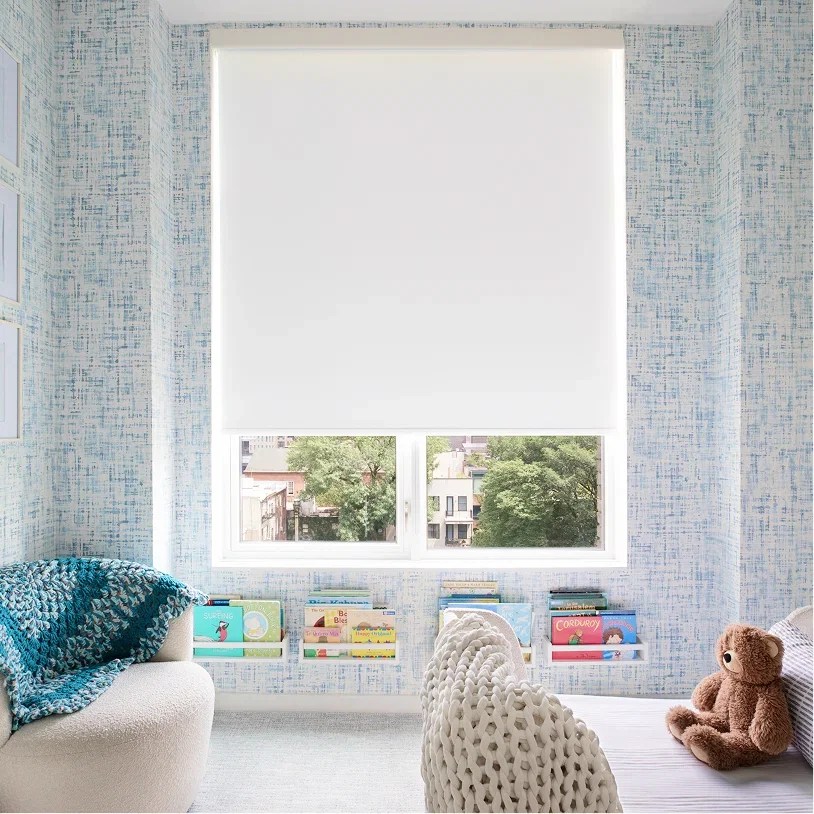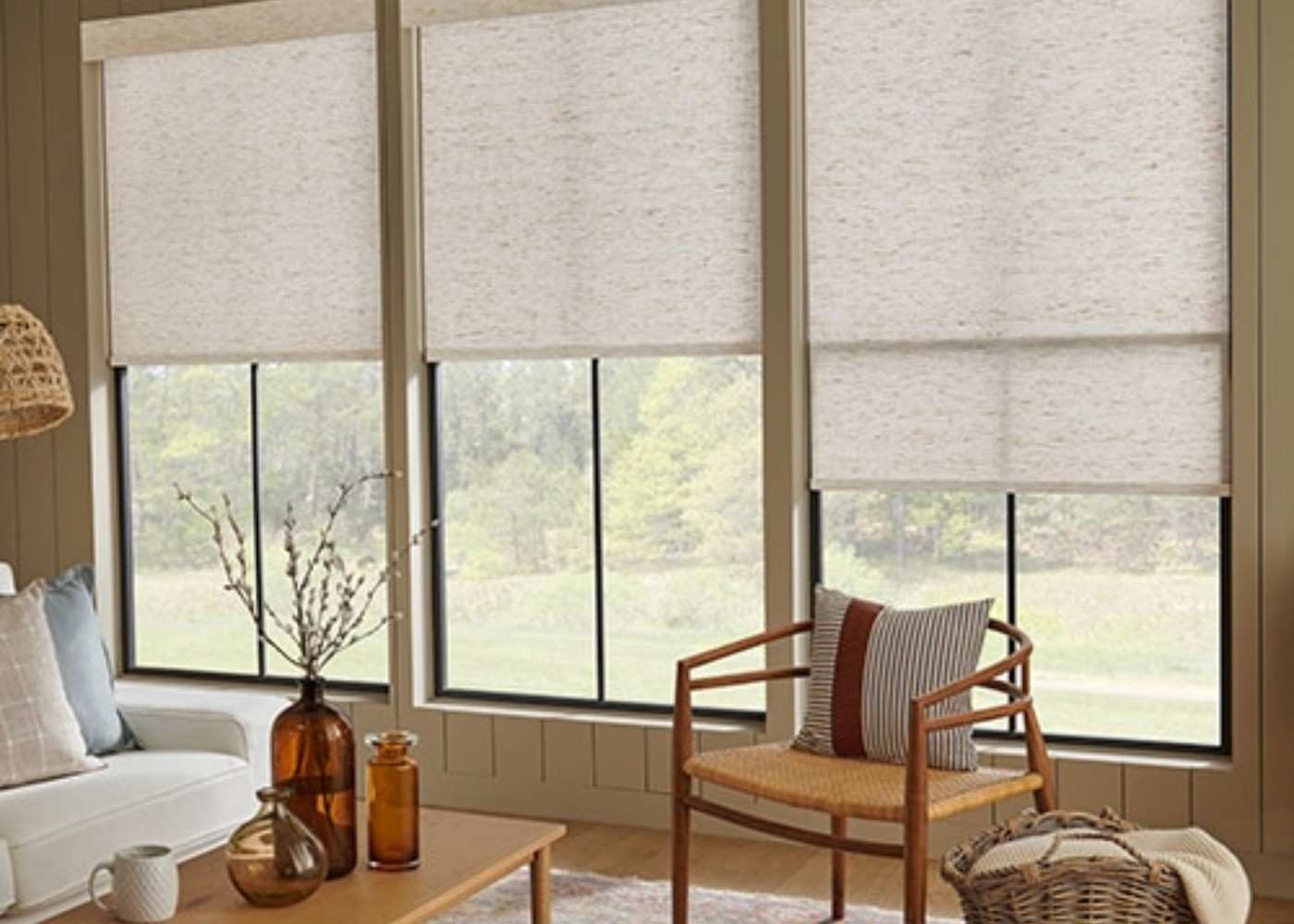
Patterned and textured roller shades are the fastest way to make a room feel designed without adding visual clutter. Instead of treating a window covering like a plain backdrop, you can use pattern, weave, and texture to create depth, hide everyday smudges, and coordinate with rugs, upholstery, and wall color.
World Wide Shades helps you do it without the usual guesswork: you can build a shade to your exact measurements, compare fabrics side-by-side, and order confidence-building samples before you commit. If you’re ready to explore options now, start with the custom shade builder to see fabrics, lift styles, and pricing in one place.
Pattern vs. texture: what’s the difference (and why it matters)
Pattern is the design you see from across the room: stripes, geometrics, botanicals, or a subtle tonal motif. Texture is the surface quality you notice up close: a linen-like slub, a basket weave, a matte-vs-satin contrast, or a tweed-style visual grain.
Here’s the practical difference:
- Pattern changes the room’s “visual rhythm.” It can energize a calm space or tie together multiple colors.
- Texture changes the room’s “feel.” It softens hard finishes, adds warmth, and often hides small imperfections better than a flat solid.
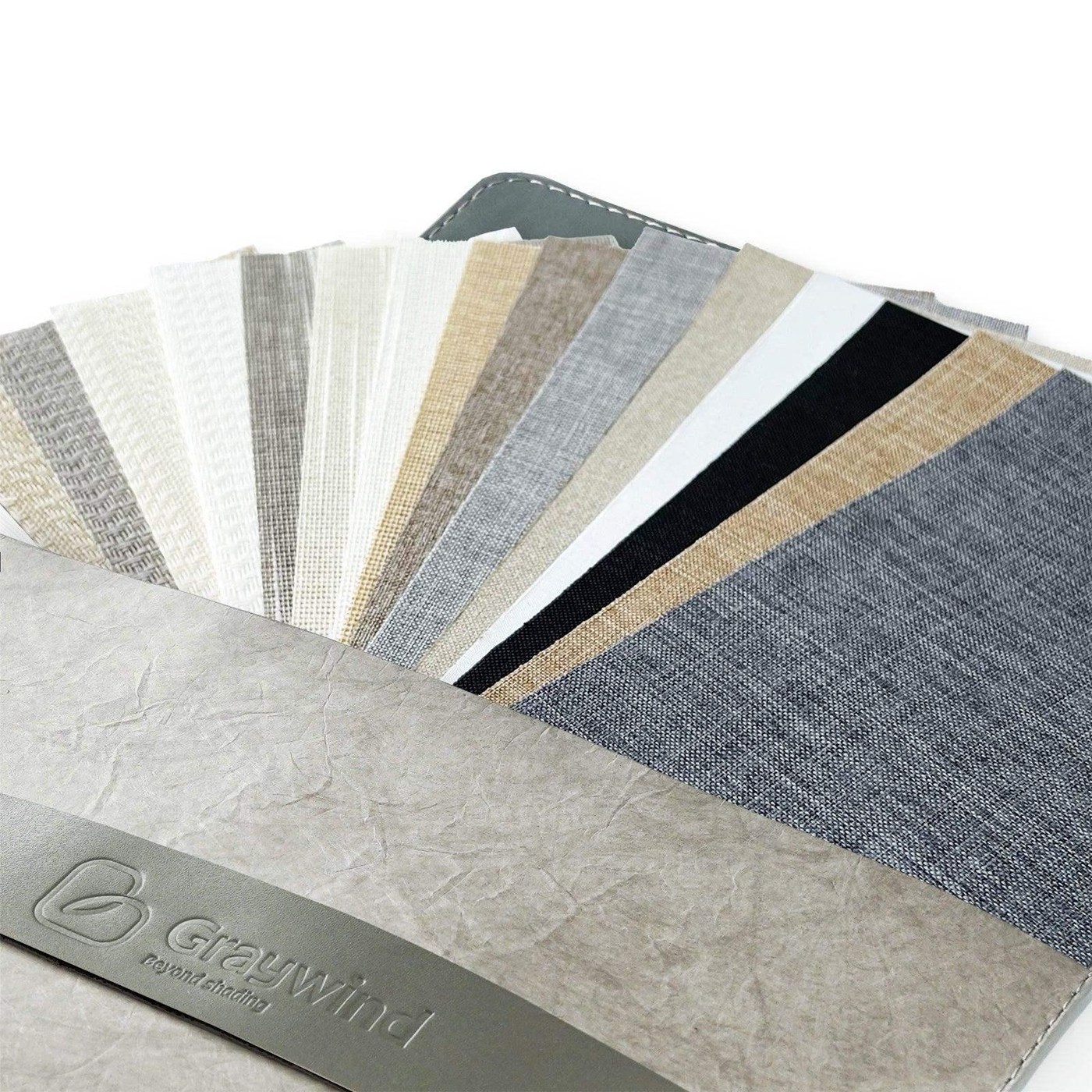
If you’re unsure which direction to take, World Wide Shades makes it easy to compare—order a few options from the swatch page and hold them next to your wall paint and flooring.
Start with the window: inside mount vs. outside mount
Patterned and textured fabrics behave differently depending on how the shade is mounted.
Inside mount keeps the shade within the window frame, which looks crisp and built-in. It’s great when you want your patterned roller shades to feel like part of the trim package.
A few tips:
- Choose smaller-scale patterns on narrow windows to avoid awkward cutoffs at the edges.
- If you want the most polished look, prioritize accurate measuring. World Wide Shades’ sizing process helps you order confidently—use the builder to specify your mount and dimensions.
For more measuring context, cross-read How Much Do Custom Roller Shades Cost? and How to Install Roller Shades while you’re planning.
Outside mount is ideal if you want pattern to feel like a design panel on the wall, or if you need extra light control. It can also make small windows look larger.
Outside mount pairs especially well with:
- Bold prints that deserve more visible fabric
- Textures you want to highlight, like linen-look or woven-like surfaces
- Bedrooms that need better coverage (pair with blackout fabrics or layered treatments)
If light control is your top priority, compare approaches in Blackout Curtains vs Blackout Shades and Light Filtering Shades Guide.
Choosing pattern scale: small, medium, or bold
Pattern scale is the difference between “tastefully interesting” and “busy.” The best choice depends on window size, ceiling height, and how many other patterns already exist in the room.
Small-scale patterns read as texture from a distance, which makes them easy to live with.
Best for:
- Kitchens and breakfast nooks
- Home offices (less visual distraction)
- Rooms with patterned rugs or busy art
If you’re designing for a workspace, you’ll also like Best Shades for Home Office Zoom.
Medium patterns show intention without overwhelming the room.
Best for:
- Living rooms and dining rooms
- Bedrooms with simple bedding and minimal wall art
- Open concept spaces where windows repeat across a wall
For living rooms specifically, see Best Roller Shades for Living Room.
Bold patterns can replace the need for heavy drapery. The trick is to keep everything else calmer.
Best for:
- Minimalist rooms with neutral furniture
- Spaces with a single dominant accent color
- Rooms where you want the window to be the focal point
If you want “on-trend but safe,” look at Window Shade Trends 2026 for color and style direction.
When texture beats pattern
Sometimes texture is the smarter upgrade—especially if you already have strong pattern elsewhere.
Texture is usually better when:
- Your walls have visible texture (plaster, shiplap, brick)
- Your rug or sofa already carries the pattern load
- You want warmth in a modern space (think oak floors, creamy paint, and matte black hardware)
A textured shade also photographs well, which matters if you work on camera. World Wide Shades can help you choose a texture that reduces glare and keeps backgrounds flattering—start with the swatches to compare sheen levels.
Light control: how patterns and textures change the “glow”
Fabric structure affects how a room feels during the day.
Many patterned and textured roller shades are light filtering, meaning they diffuse daylight.
You’ll like light filtering when:
- You want rooms to feel bright but not harsh
- You want daytime privacy without a cave-like effect
- You want a gentle “glow” that flatters paint colors
Learn the basics in Light Filtering Shades Guide, then use the World Wide Shades builder to narrow fabrics by light-control level.
Blackout doesn’t have to mean boring. You can choose a textured or subtly patterned face fabric that still provides strong light blocking.
If you’re comparing options, read Blackout Curtains vs Blackout Shades and Best Window Shades for Bedroom.
Want help deciding what’s realistic for your room? Call World Wide Shades at (844) 674-2716 or request guidance through our contact page.
Color strategy: keep it cohesive (even with patterns)
Patterned roller shades still need to “belong” in your palette.
A simple rule set:
- If your room is mostly neutral: add pattern with one accent color pulled from art or pillows.
- If your room is colorful: choose a tonal pattern (same color family, different value).
- If you’re undecided: start with texture in a warm neutral and let décor do the talking.
For more help coordinating, use Window Shades Color Guide and Best Shades South-Facing Windows (sunlight changes color perception more than people expect).
Room-by-room ideas for patterned and textured roller shades
In living rooms, a subtle pattern can act like upholstery for the wall—especially if you keep the rest of the room simple.
Try:
- Tonal geometrics in warm gray or sand
- Linen-look texture with a matte finish
- A narrow stripe that echoes ceiling height
If you’re planning a full refresh, start with Best Roller Shades for Living Room and build your shortlist in the World Wide Shades builder.
Bedrooms do best with texture over high-contrast pattern. It feels restful and still looks premium.
Try:
- Linen-look textures in warm whites or taupes
- Subtle herringbone weaves
- Blackout fabrics with a decorative face
For sleeping comfort, cross-read Best Window Shades for Bedroom. If you’re trying to reduce early morning light, see UV Protection Window Shades for daylight and fabric protection guidance.
Need help matching a fabric to your wall color? World Wide Shades can walk you through it—call (844) 674-2716 or reach out via contact.
In kitchens, roller shades are exposed to fingerprints, cooking residue, and frequent use.
A few smart choices:
- Small tonal patterns that hide smudges
- Textured weaves that don’t look “slick” under overhead lighting
- Light-filtering fabrics that keep the space bright
For wet or high-use areas, also check Roller Shades for Kitchen & Bathroom.
A textured shade creates a subtle, high-end background while controlling glare.
Pair it with:
- Light filtering for daytime meetings
- Neutral tones that don’t color-cast your face
See Best Shades for Home Office Zoom for practical setup tips.
Custom-print and designer looks: what’s realistic
Some homeowners want a truly custom printed shade with artwork or a distinctive motif. Others want the designer feel without the complexity.
A realistic approach is:
- Choose a pattern family (stripe, geometric, organic, tonal).
- Decide whether you want contrast (pattern stands out) or tone-on-tone (pattern whispers).
- Order a handful of samples from World Wide Shades using swatches.
- Build the final product to your exact window with the builder.
This is where World Wide Shades shines: custom sizing plus fabric choice means you don’t have to settle for whatever’s on the shelf.
Design mistakes to avoid
If you have multiple windows in one room, repeat a subtle pattern or texture rather than introducing a new print each time.
Strong sun can stress any textile. If you have intense light exposure, consider fabrics designed for UV performance.
Start with UV Protection Window Shades and Energy Efficient Window Shades to understand how fabric choice impacts comfort and longevity.
A pattern can look perfect online and feel totally different under your lighting.
Order samples first from swatches. It’s the simplest way to avoid regret.
FAQ: patterned and textured roller shades
Most patterns look great when the shade is fully lowered. If you frequently stop a shade at different heights, choose textures or small-scale tonal patterns that still look tidy in a partially raised position.
Not usually more than other fabrics, but deeper textures can hold particles slightly longer. Regular light dusting and occasional spot cleaning are typically enough. For maintenance basics, see How to Clean Roller Shades.
Yes. Many blackout options include a decorative face that looks like a woven or linen texture while still blocking light.
Start with 3–6 swatches in the same color family, then compare them next to your wall at different times of day. World Wide Shades can also help you narrow choices—call (844) 674-2716 or use contact.
Use the builder to configure your mount, exact measurements, fabric, and control type. If you want to check color and texture first, order from swatches and then finalize your build.
Make your windows feel designed (without overdoing it)
Pattern and texture are the difference between “window covering” and “finished room.” With the right scale, the right light-control level, and a fabric you’ve seen in your own lighting, patterned and textured roller shades can look intentional for years.
World Wide Shades can help you choose the right fabric and build a shade that fits the first time. Start with the custom builder, order samples from swatches, or reach out at (844) 674-2716 through our contact page.