Why hotels, restaurants, and high-use rooms need different roller shades
Commercial and high-traffic spaces punish window treatments in ways most homes never do: repeated daily cycles, higher cleaning frequency, sunlight on finishes, and guests or clients who tug on hem bars and chains.
For that reason, World Wide Shades recommends choosing roller shades by performance specs first (openness, lift type, hardware grade), then dialing in color and texture.
If you want help picking a fabric and hardware package that fits your budget and your space, start with the World Wide Shades online shade builder and get an instant configuration.
Hotel and hospitality shade priorities (durability + guest comfort)
Hotels usually optimize for three outcomes: sleep quality, privacy, and brand consistency.
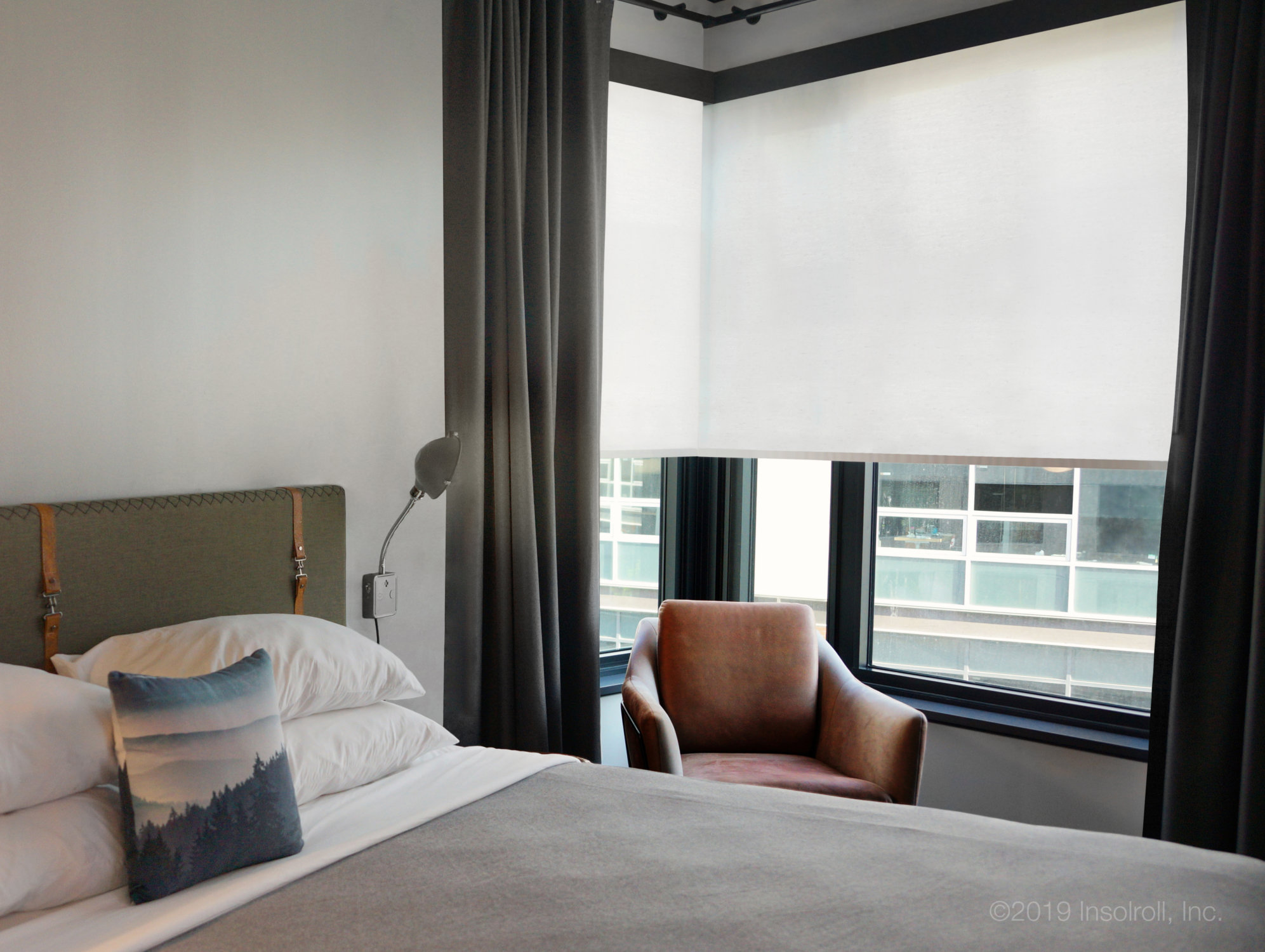
- Guest rooms typically perform best with blackout fabric plus tighter edge control, because corridor or street lighting can leak around the shade even when the fabric itself is blackout.
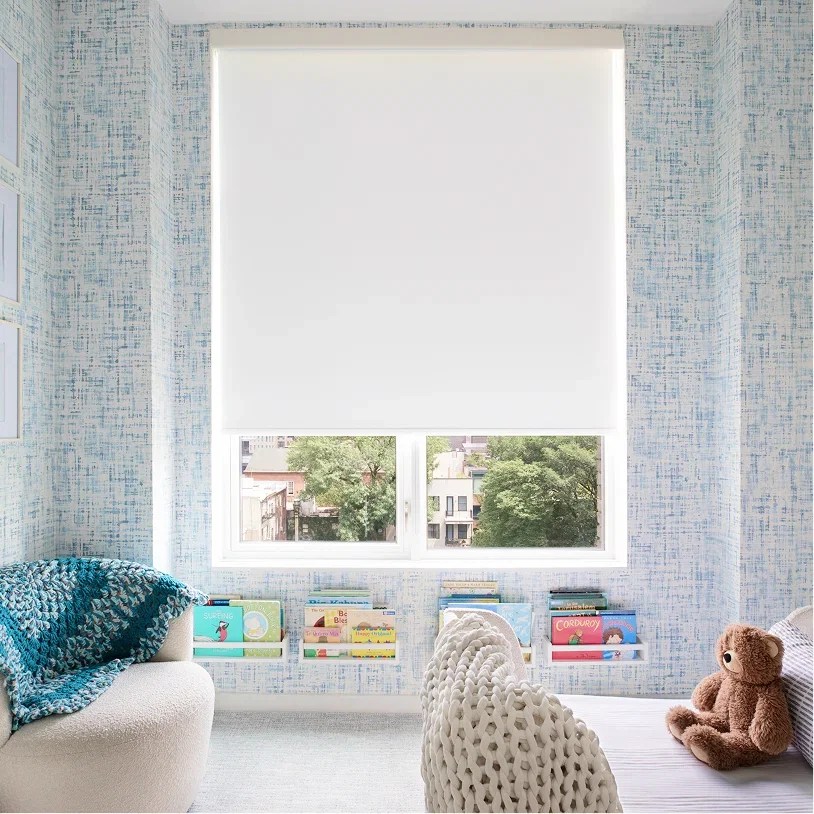
- Lobbies and breakfast areas often benefit from solar fabrics that reduce glare and protect finishes while keeping the view.
World Wide Shades can help you standardize a spec across multiple room types—start with {cta_block('/builder','the builder')} and request {cta_block('/swatches','swatches')} for final color sign-off.
The performance specs that matter most (with real numbers)
- Glare control: many interiors feel comfortable when direct sun is reduced enough that surfaces stay below roughly 2000–3000 lux at the work plane; a shade that blocks direct beam and diffuses light usually fixes the “squint factor.”
- Privacy: for street-level windows, a tighter weave (lower openness) typically outperforms higher-openness solar fabrics at night.
- UV protection: many quality solar fabrics provide 90–99% UV blockage, depending on weave and color.
To compare how these trade-offs work in a home context, see UV protection window shades and our light-filtering shades guide.
Openness is the percentage of open area in a solar fabric weave.
- 1% openness: strongest glare + privacy, darker view out.
- 3% openness: balanced; common in sunny rooms.
- 5% openness: more view and daylight, less privacy at night.
- 10% openness: maximum view; best when you mainly want UV reduction.
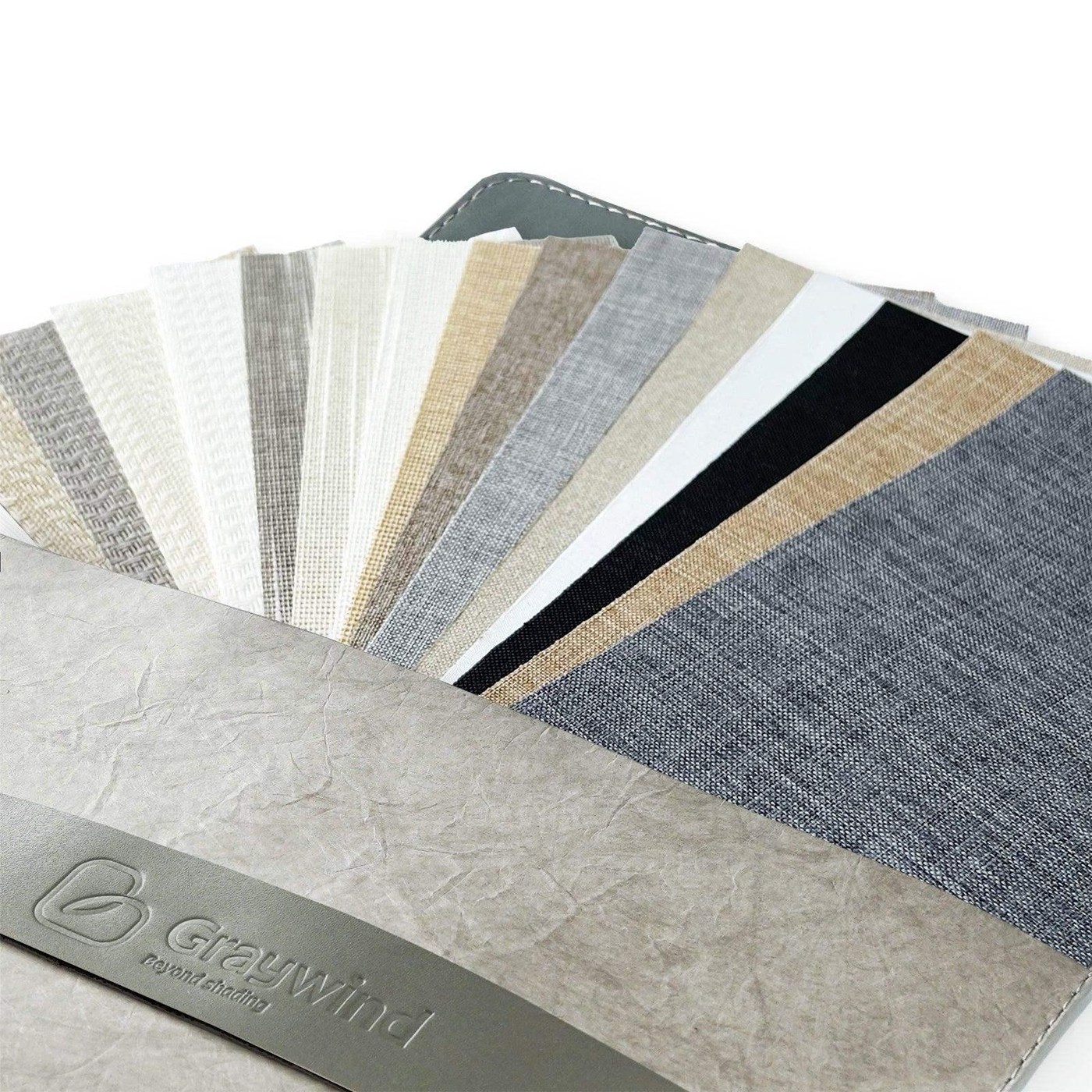
World Wide Shades can help you sample multiple openness options quickly—request free swatches before you commit.
In higher-use spaces, a slightly heavier, more stable fabric reduces edge curl and helps the shade hang straighter over time.
If you’re comparing fabrics across many rooms, bookmark best fabrics for roller shades.
- Manual clutch or cordless: great for smaller windows and tighter budgets.
- Motorized: best for tall windows, frequent cycles, and consistent daily routines.
If automation is on your roadmap, World Wide Shades can build a plan that scales from a single shade to an entire property—start with smart motorized shade setup and then configure yours in the builder.
While pricing varies by size, fabric, and lift type, many homeowners and facility managers see these ballpark ranges:
- Manual custom roller shade: roughly $250–$600 per window
- Motorized roller shade: often $450–$1,200+ per window depending on motor and controls
- Add-ons (cassette, fascia, side channels): often $75–$300+ depending on the system
For a deeper breakdown, see how much custom roller shades cost.
Room-by-room recommendations
Aim for a “sleep-first” approach:
- If you need near-total darkness, combine blackout fabric with tight side gaps (the gaps often leak more light than the fabric).
- Choose a quieter, more robust operating system to reduce nighttime noise.
If you’re designing for families, also review child-safe window treatments.
Need a quote fast? Build a guest-room shade in World Wide Shades Builder and call (844) 674-2716 if you want help sizing.
Common areas need comfort and durability:
- Consider 3% or 5% solar fabric to cut glare while keeping the view.
- Use consistent hem-bar styles across windows for a clean brand look.
If you’re comparing commercial options, see commercial roller shades for offices—many specs translate directly.
For design matching, World Wide Shades can mail swatches so you can compare colors under your actual lighting.
Direct sun and wind can punish fabrics and hardware.
For exterior-facing needs, review outdoor roller shades for patios and then use contact World Wide Shades for a recommendation.
How to choose color so the space photographs well
If your space is marketed online, lighting and photography matter.
- Lighter fabrics can brighten a room but may show dirt sooner.
- Darker fabrics can increase perceived contrast and reduce glare more aggressively.
For a simple framework, see window shades color guide.
Measuring and install planning (avoid the costly mistakes)
Bad measurements are the #1 cause of frustration.
- Decide inside-mount vs outside-mount early.
- In commercial spaces, standardizing mounting rules across windows can save labor.
If you want a step-by-step process, read how to install roller shades.
World Wide Shades can double-check your measurements—use contact us or call (844) 674-2716.
When motorization is worth it (and when it isn’t)
Motorization usually pays off when at least one is true:
- Windows are hard to reach.
- Shades will move multiple times per day.
- You need consistent light levels for comfort or operations.
If you want voice control, see motorized shades with Alexa/Google Home.
To price your exact setup, build it in World Wide Shades Builder.
The hotel spec checklist (what to decide before you order)
Hotels frequently mix blackout in guest rooms with solar shades in public areas. World Wide Shades suggests picking two or three repeatable specifications so replacements stay consistent over time:
- Guest room spec: blackout (or room-darkening) + durable hem bar + a lift system that survives daily use.
- Public space spec: 3%–5% solar fabric for glare control + consistent fascia/cassette for a finished look.
- Back-of-house spec: budget-focused privacy/light control where aesthetics matter less.
Even the best systems need occasional service. A standardized shade size list and fabric library makes it easier to replace 1–2 shades without redoing a whole floor.
World Wide Shades can help you build a repeatable spec pack—start with /builder and save your configuration.
If guests complain about “blackout” not feeling blackout, it’s often because of light leaks. To reduce that:
- Choose outside-mount where possible to cover more of the frame.
- Use tighter side clearances and consider light-blocking accessories when needed.
- Avoid shiny, reflective fabrics near streetlights.
If your property has many bedrooms, also review /blog/best-window-shades-bedroom for bedroom-specific light strategies.
FAQ
Many spaces land in the 3%–5% openness range because it reduces direct glare while still keeping a usable view out.
Blackout fabrics block light through the material, but side gaps and top/bottom gaps can still leak light; adding tighter fit and light-blocking options usually matters more than upgrading fabric alone.
Yes—if you choose commercial-grade hardware, stable fabrics, and the right lift system; heavy-use spaces often benefit from motorization to reduce rough handling.
In many cases, yes; the fastest route is to compare World Wide Shades swatches under your real lighting and then order to spec.
Lead times vary, but many projects plan for 1–4 weeks after final measurements and fabric selection.
World Wide Shades can recommend fabrics, openness, and lift types—start in the builder and call (844) 674-2716 for guidance.
Inside-mount looks built-in when the window depth allows it; outside-mount can cover more glass and is often better when you need maximum light control.
Order World Wide Shades /swatches, test them at the time of day you use the room most, then finalize your order in the /builder.
Next step: spec your shades the fast way
If you want a clean, consistent result across multiple windows, use World Wide Shades Builder to create a repeatable spec, then reach out via contact if you want a second set of eyes.