A motorized roller shade humming but not moving is receiving at least some electrical command, but the motor is not converting that command into normal rotation. The cause may be a low battery, a fabric edge caught in a bracket, a misaligned tube, an overloaded motor, or a failed drive component. Continuing to press the remote can turn a small obstruction into a damaged motor.
World Wide Shades can help identify whether the problem is power, programming, or mechanics. Use the World Wide Shades builder for a replacement project, request fabric swatches, or contact World Wide Shades with a short video of the sound and shade position.
Stop and observe before troubleshooting
Press stop and wait at least 30 seconds. If the motor or headrail feels hot, disconnect the charger or low-voltage supply and let it cool. Do not pull down on the fabric to “help” the motor; manual force can bend the tube, shift the fabric, or damage the clutch.
Write down what happened: did the shade hum on up, down, or both? Did it move a few inches before stopping? Is the bottom bar touching the sill? Did the sound begin after cleaning, a battery change, installation, or a limit reset? These details distinguish a load problem from a communication problem.
If the shade is above a stairwell or the headrail cannot be reached safely, stop at the visual inspection and contact World Wide Shades. Call (844) 674-2716 rather than using an unstable ladder.
The most common causes
A weak battery can power a motor's audible response without providing enough torque to lift the fabric. This is common with wide blackout shades and battery packs that have been cycled several times per day. Charge the battery according to the manufacturer's instructions, often 4–8 hours, and test once.
If the shade only hums while charging, the battery may be at end of life. Confirm that the charger indicator is normal and that the connector is seated. Hardwired models may have a tripped power supply or loose low-voltage connection; electrical diagnosis should be performed by a qualified professional.
Inspect both fabric edges, the roller ends, side channels, and sill. A small piece of trim, a screw head, a toy, or a folded hem can create enough resistance to stop a shade. Look for a diagonal wrinkle or an edge that has telescoped toward one side. Never insert tools into the roll while the motor is energized.
Side-channel shades need parallel guides. If a channel is squeezed or shifted, the bottom bar can bind. The blackout curtains vs. blackout shades guide explains how track alignment affects both light control and movement.
The roller tube should sit fully in both brackets. A bracket that loosened or a cassette that dropped on one side can put the tube under side load. On a new installation, a motor that hums immediately may indicate the tube is not seated or the fabric is too tight in the cassette.
Compare the gap between the tube and bracket on each side. Do not remove a wide or heavy shade alone. Send photos to World Wide Shades so the team can advise whether the shade needs a bracket adjustment or a service visit.
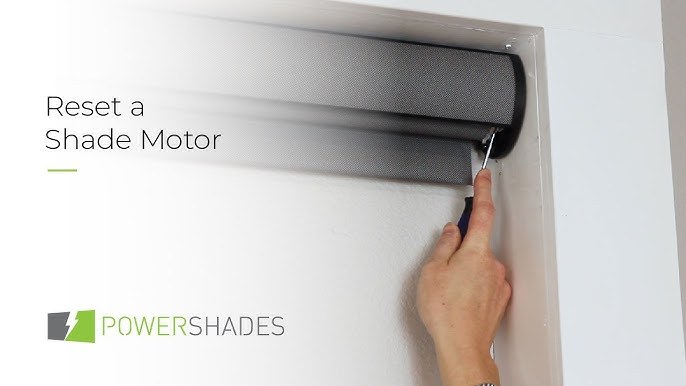
If the motor stops at the same point every time, the lower limit may be set against the sill or an obstruction. A limit is not a substitute for a physical clearance check. Move the shade only if it can be jogged away from the stop without strain; otherwise follow the reset procedure for the motor.
A heavy fabric on an undersized motor can hum or stall near the top. Large shades may require a larger tube, a stronger motor, or a split shade. The best shades for south-facing windows guide covers width, support, and motor sizing.
If power is verified, the fabric rolls freely by hand only when disconnected as instructed, and the motor hums without rotation, the gearbox or drive may be failing. Do not open a sealed motor unless the manufacturer authorizes it; opening can void the warranty and expose gears or battery cells.
A safe diagnostic sequence
Use the motor's local button if available. If the local button hums in the same way as the remote, the problem is probably not remote pairing. If the local button works but the remote does not, replace remote batteries and check the channel.
Charge a battery or verify the power indicator. Test one short command. If the motor hums longer than 2–3 seconds without movement, press stop. Repeated stall cycles create heat.
With power disconnected, look for an edge caught in a bracket, channel, hembar, or sill. Check that furniture, curtain rods, and window handles are not touching the shade. A 1/8-inch interference can be enough to stop a tight side channel.
Stand several feet back and compare the bottom bar to the sill. If one side is higher by more than about 1/8 inch over a 36-inch width, the fabric may be tracking crookedly. Do not trim the fabric at home; edge trimming can worsen the problem.
If the issue began after a battery swap, remote pairing, or app setup, restore the documented setting rather than performing an unrelated factory reset. If it began after installation, photograph the brackets and call for a fit review.
Have World Wide Shades diagnose a persistent humming motor before ordering a replacement part. Build a replacement shade or motor only after the fabric size and mounting system are confirmed.
What not to do
Do not pull, twist, or unroll the fabric by force. Do not spray lubricant into the motor or headrail; oil can stain fabric and attract dust. Do not bypass a limit switch, splice a battery lead, or connect a charger with a different voltage. Do not keep commanding a motor that is hot.
If a shade is covered by a warranty, save photos, the motor label, date of purchase, and a short video. A service provider can often determine the fault faster when the shade is left in the position where the failure occurred.
Repair versus replacement
A bracket adjustment or cleared channel may cost little if handled during a service appointment. Battery replacement commonly costs $35–$250 depending on the pack, while a motor replacement may run $150–$500 plus labor. A complete new shade can range from $250 to $1,000 or more based on width, fabric, cassette, and control.
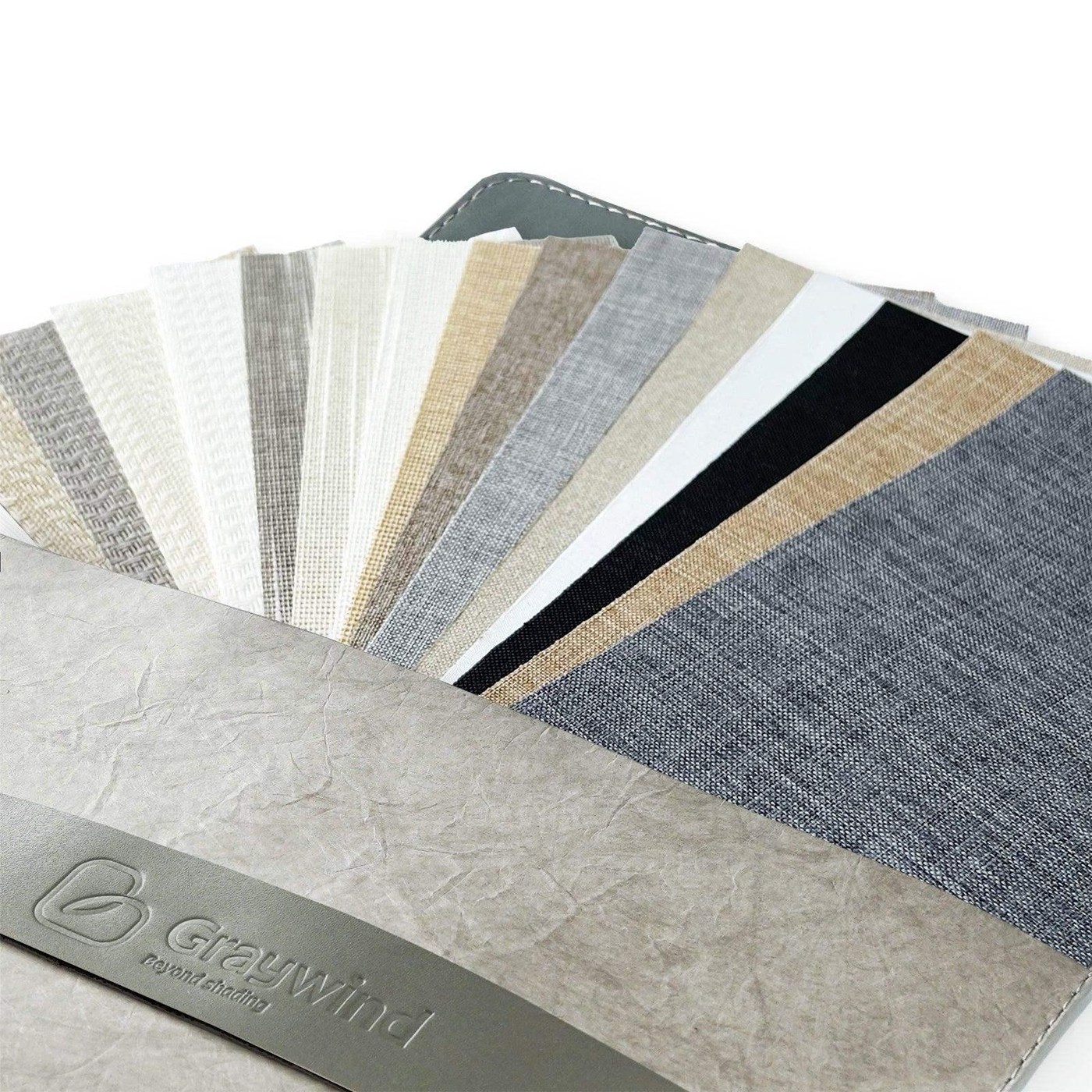
Repair is usually sensible when the fabric is clean, the tube and cassette are sound, and compatible parts remain available. Replacement makes more sense when the motor is obsolete, fabric edges are damaged, or the shade is too heavy for its current drive. World Wide Shades can compare both paths. Request swatches if a new fabric may solve glare or heat issues at the same time.
Preventing future stalls
Keep side channels and the bottom sill free of debris. Operate the shade at a steady cadence rather than rapid repeated commands. Charge batteries before they are completely depleted, and keep the remote channel map with the home's maintenance records. For large windows, confirm the motor's rated width and fabric weight before ordering.
Schedule scenes so a heavy shade does not cycle unnecessarily. If you use smart-home controls, see motorized shades with Alexa and Google Home and smart home motorized shades setup for reliable automation practices.
For a replacement decision, compare how much custom roller shades cost, child-safe window treatments, and best roller shades for living rooms alongside the motor repair estimate.
Frequently asked questions
The motor may have power but be unable to rotate because of a weak battery, an obstruction, tube misalignment, a bad limit, or a failed gearbox. Stop repeated commands and inspect the perimeter first.
Yes. A depleted battery may provide enough energy for an audible response but not enough torque to lift a heavy fabric. Charge or replace the battery according to the motor specification.
No, not unless the manufacturer explicitly provides a manual override. Force can damage the tube, fabric, clutch, or motor. Use a local control or request service.
Look for a caught fabric edge, compressed side channel, bottom bar touching an object, or a diagonal roll. Disconnect power before inspecting closely, and do not insert tools into the mechanism.
A motor replacement often costs about $150–$500 plus labor, but the exact price depends on motor type, access, fabric weight, and whether the tube must be removed. A compatible battery or bracket repair may cost less.
Contact World Wide Shades, start a replacement configuration, or call (844) 674-2716. High-access shade work should not be attempted from an unstable ladder.