Multi-unit projects live and die on repeatability: the same fit, the same finish, and the same performance window after window. This guide explains how to choose apartment building roller shades with fewer change orders, faster turns, and happier residents.
Design yours in minutes with our online builder to price out your first unit, then replicate it across the property.
Why multi-family roller shade specs are different
Property teams need a solution that balances unit-by-unit resident comfort with building-wide consistency. World Wide Shades regularly helps multifamily owners standardize fabrics, hardware, and mounting details so every window reads the same from the street.
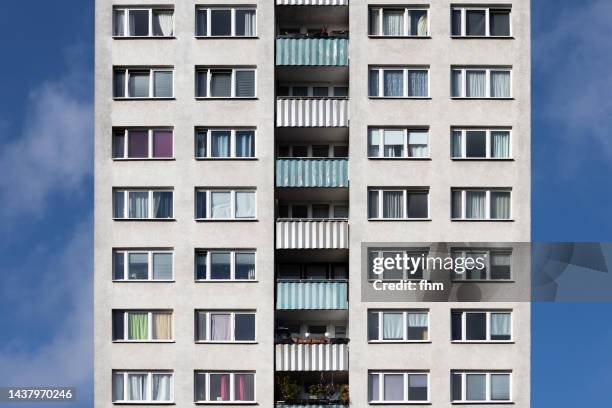
- Uniform exterior appearance: identical hem drop and opacity prevents a patchwork look.
- Durability under frequent use: resident turnover means more daily cycles than a typical single-family home.
- Cost control per opening: small upgrades multiplied by 200 windows become real money.
Order free swatches before you commit so your ownership group can approve color and openness before the bulk order.
How to set a building-wide standard that still works for residents
World Wide Shades recommends defining two shade "tiers" for most communities:
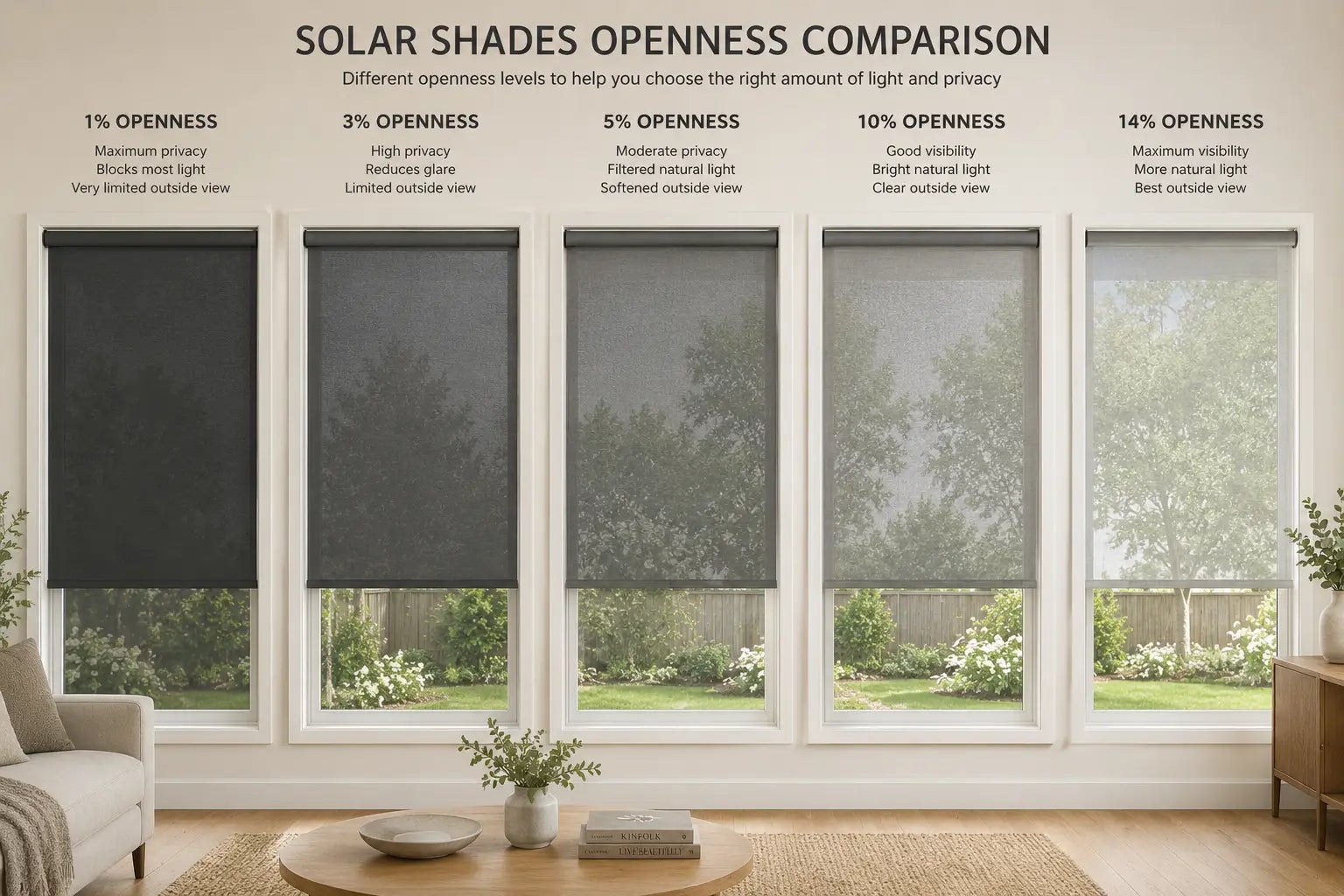
- Target openness: 3% to 5% for balanced daytime privacy with outward visibility.
- Color strategy: a single street-facing color (often white or warm white) to keep the exterior consistent.
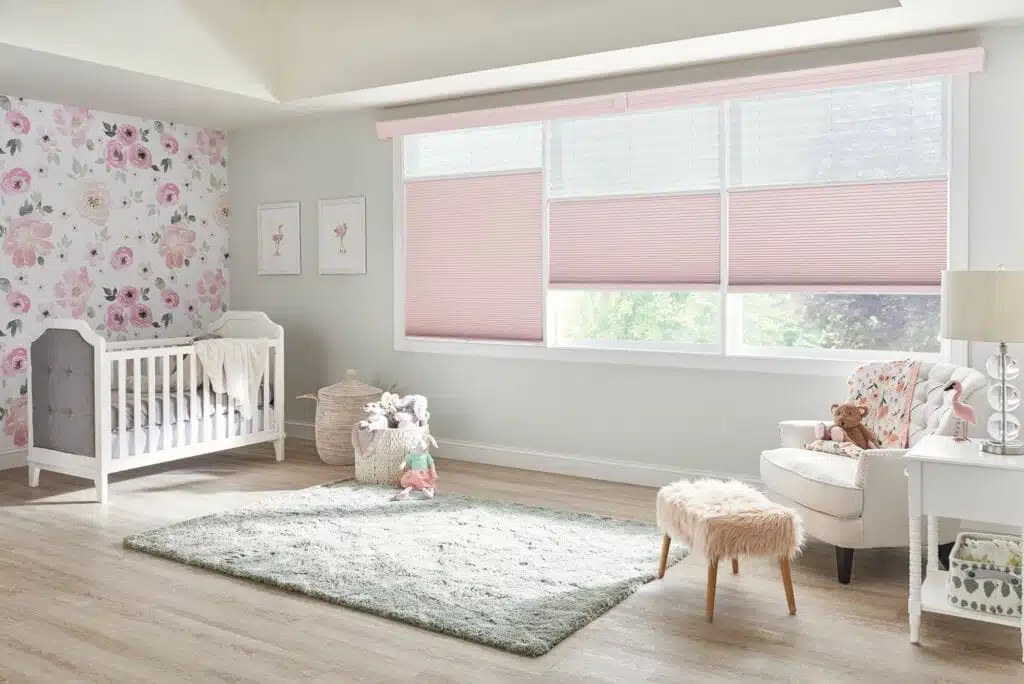
- Use in bedrooms, nurseries, and east-facing units where morning sun is intense.
- Pair with outside mount when possible to reduce edge gaps. For a deeper comparison, see our guide on light filtering and our breakdown of blackout vs curtains.
Measurements and installation details that prevent change orders
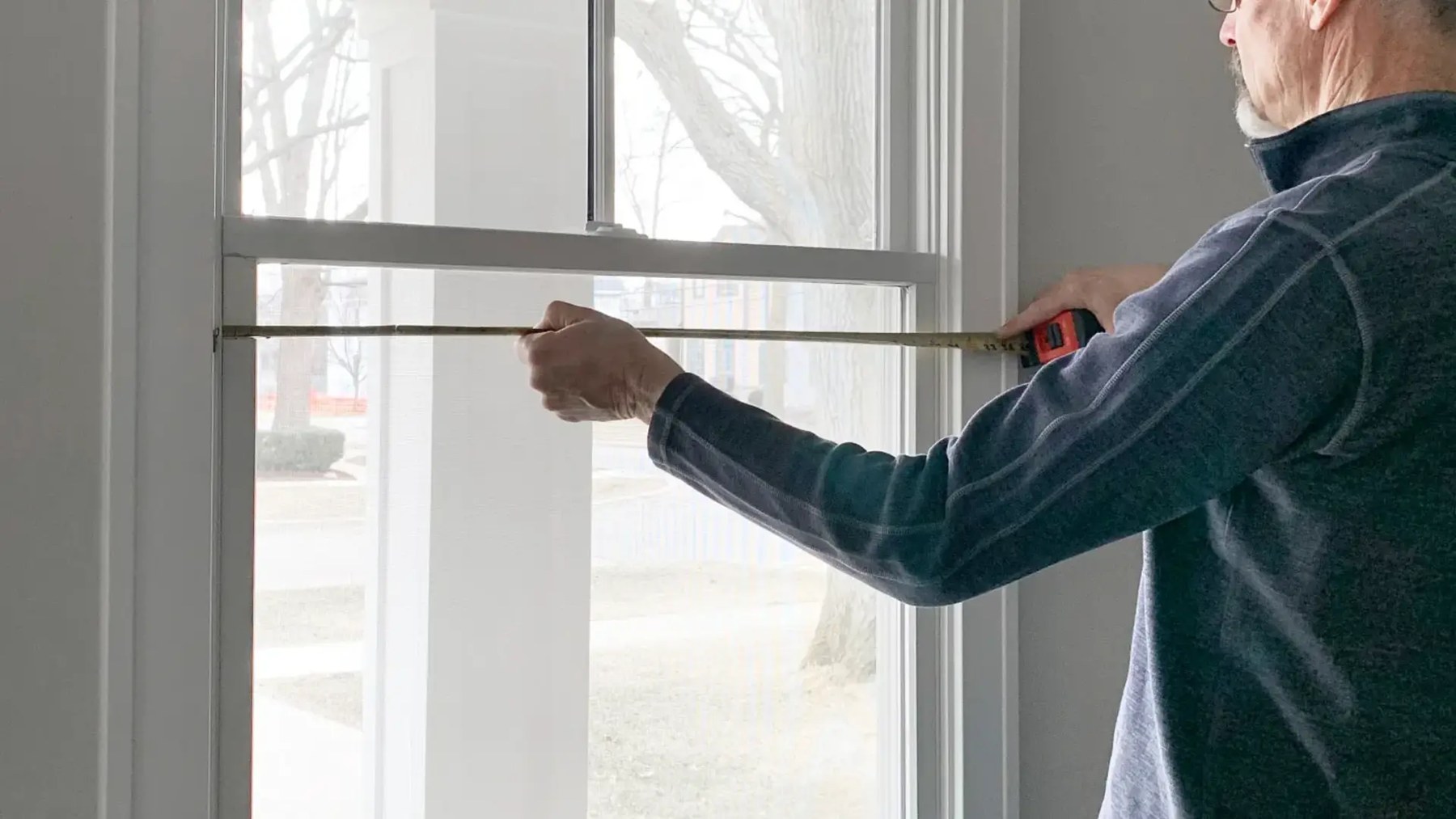
Change orders usually come from two issues: inconsistent measuring and unclear mount requirements.
- Minimum depth for clean inside-mount aesthetics is typically 2 to 2.5 inches depending on bracket and cassette.
- If a window has trim or a crank, outside mount is often safer. World Wide Shades can review photos and measurements before you finalize.
Talk to a shade specialist — Call (844) 674-2716 for a fast quote and spec check.
- Add 2 inches on each side (total 4 inches wider than glass) when wall space allows.
- Add 3 to 4 inches above the opening to clear trim and achieve a taller look. If you want a cleaner top detail, read roller shade valance options.
Durability checklist for high-turnover communities
Multifamily shades get tugged, snapped, and cycled. The hardware matters. World Wide Shades typically suggests:
- Cordless or continuous loop controls for consistent operation.
- Commercial-grade clutch systems for larger widths.
- Child safety requirements: follow the principles in child-safe window treatments.
- UV stability is critical in sunny regions; see UV protection window shades.
- Easy-clean surfaces reduce maintenance calls.
Pricing drivers: what changes the cost per unit
Pricing for a multifamily order is usually driven by the same few levers.
- Fabric type (solar vs light-filtering vs blackout)
- Shade width/height (larger openings increase hardware needs)
- Top treatment (open roll vs fascia vs cassette)
- Control type (manual vs cordless vs motorized)
- Installation approach (in-house maintenance vs pro install)
Start with our cost explainer: how much do custom roller shades cost. Then use World Wide Shades to build a standardized template you can reuse across the entire building.
Get a fast, building-ready quote in the World Wide Shades builder. Call (844) 674-2716 for a fast quote and spec check.
Spec package: what to include in your bid documents
A simple spec package reduces back-and-forth.
- Room list + window IDs
- Mount type by window (inside/outside)
- Fabric name, color, openness/opacity
- Hem style and bottom bar detail
- Lead times and delivery expectations
World Wide Shades can help you format a spec sheet that installers can execute without guesswork.
Lead times and rollout strategy
Most properties succeed with a phased rollout.
- Phase 1: one model unit + one high-sun exposure unit
- Phase 2: one full floor or wing
- Phase 3: remainder of the building
If your project is new construction, use our guide to custom shades for new construction to align with your build schedule.
Property Manager Priorities: Uniform Appearance, Tenant Flexibility, and Durability
From a property management perspective, window treatments are a long-term operating cost, not a one-time aesthetic choice. The three priorities experienced multifamily owners put at the top of their spec criteria are exterior uniformity, interior flexibility, and durability across turnover cycles. Exterior uniformity matters because a building with mismatched shades — different fabrics, colors, and hem heights — signals poor management to prospective residents and affects rent comparables. Specifying a single street-facing fabric color (typically a warm white in a 3% openness solar fabric) locks in a consistent appearance regardless of what individual residents do with their shades.
Interior flexibility means giving residents meaningful choice within a defined standard. A practical approach: specify shade hardware, fabric, and mounting as a building standard, then offer an optional blackout liner upgrade at move-in priced at $45–$75 per window. This keeps the exterior consistent while meeting sleep and privacy needs from inside. World Wide Shades can supply both the base shade and liner option under a single building account, simplifying reorders at turnover.
Durability is the most underestimated factor at initial spec. A multifamily shade serving 6–8 resident households accumulates far more cycles than a residential shade — budget for a commercial-grade clutch rated for 10,000+ cycles rather than a residential unit rated for 3,000–5,000. The additional cost is approximately $15–$25 per shade. See roller shades fabric openness guide for how openness choices interact with long-term durability.
Bulk Procurement Workflow and Volume Pricing
Multifamily projects with 50 or more windows typically qualify for volume pricing not available through the standard retail configurator. World Wide Shades structures bulk pricing in tiers: 50–99 units receives 15–18% off, 100–199 units receives 18–22% off, and 200+ units receives 22–25% off with priority production scheduling and a dedicated account manager. For a 150-unit building averaging three windows per unit — 450 shades at $145 base price — a 20% volume discount saves roughly $13,000 on the total order.
The workflow runs in four stages: a site survey establishes a window type matrix; a sample order of 10–20 shades confirms spec in a model unit; the bulk order is produced in batches matched to the install schedule; and a standing reorder configuration is saved so replacements can be ordered in minutes.
Start your building's procurement with World Wide Shades — call (844) 674-2716 to discuss volume pricing and production scheduling.
Renter-Friendly Installation and Inside vs. Outside Mount Tradeoffs
For standard units with wood or metal frames and at least 2 inches of interior depth, inside mount is preferred: clean look, less wall space, and compatible with standard lease restrictions. Frame depth is the critical measurement — minimum 2 inches for a standard bracket, 2.5 inches with a cassette. Our inside mount vs outside mount guide covers measurement requirements in full.
For shallow frames or crank handles, outside mount is the reliable choice. Adding 2 inches of overlap per side and 3–4 inches above the opening nearly eliminates bedroom edge gaps. No-drill solutions are limited to shades under 36 inches wide and lighter fabrics — not suitable for a building-wide spec. The roller shades for rental apartments guide covers all installation options and limitations.
ADA requirements apply to a defined percentage of units in federally assisted or newly constructed multifamily buildings. Under ADA Section 308, operable hardware must be reachable within 48 inches of the floor. Standard chains at the top corner of high windows may not comply — motorization or a low-reach continuous loop chain is the compliant solution. World Wide Shades flags accessible-unit requirements during spec review.
Common Areas and Amenity Spaces: Lobby, Fitness Center, and Lounge
Common areas — lobby, leasing office, fitness center, rooftop lounge — have different requirements than residential units and a higher impact on building perception. Lobbies and leasing offices benefit from a 3–5% openness solar fabric that controls glare while preserving the visual connection to landscaping. A slightly higher fabric budget ($180–$280 per shade versus $120–$165 for residential) is justified by visitor volume and branding impact — a well-designed lobby shade treatment communicates quality in a way residents mention to prospective renters.
Fitness centers require antimicrobial coatings and PVC-coated yarns that clean easily with a damp cloth and resist mold in high-humidity environments. Motorization is strongly recommended — a group scene button at the front desk sets all shades to a standard position for each time of day, eliminating the inconsistency of residents leaving shades in random positions. See commercial roller shades for office for shared-space fabric and hardware recommendations that translate directly to multifamily amenity applications.
Get a consultation for your common areas from World Wide Shades — a commercial specialist can specify the right fabric, hardware, and control strategy for each space type.
ROI on Shade Upgrades: Rent Uplift and Resident Retention Data
Research from Multifamily Executive and the National Multifamily Housing Council (NMHC) consistently identifies window coverings as one of the top five unit amenity upgrades that residents cite when renewing their lease or selecting a property. A unit with quality roller shades — clean hem, proper fit, solar fabric — photographs better for listing sites, directly affecting days-on-market and qualified applicant volume.
The rent uplift for a Class B property moving from no treatment to a properly specified solar roller shade runs approximately $25–$60 per month per unit. At $40 per month on a 100-unit property, the annual revenue increase is $48,000. A building-wide installation for 100 units averaging three windows per unit at $145 per shade with a 20% volume discount totals approximately $34,800 — a payback period of roughly 8–9 months. Resident retention amplifies the ROI: NMHC data suggests well-finished units reduce turnover by 5–10%, and each avoided turnover saves $1,500–$3,500 in make-ready costs and lost rent.
World Wide Shades can provide a per-unit ROI worksheet for your property type. Start the conversation today or call (844) 674-2716 to speak with a commercial account manager. For context on how window treatments affect property value, see window shades increase home value and how much do custom roller shades cost.
FAQ: roller shades for multi-family apartment buildings
3% to 5% is a common choice because it balances daytime privacy and outward visibility while limiting glare.
Standardize the street-facing fabric color and hem drop, and specify a single mount height per window type. World Wide Shades can help you lock a "building standard" so replacements match.
Motorization can reduce cord issues and improve accessibility, but it adds cost. It's most valuable in common areas, high windows, or premium units; see smart-home motorized shades setup.
For the darkest result, yes—outside mount with extra overlap reduces edge gaps. For bedrooms, compare options in best window shades for bedrooms.
Start with one "typical" window in the World Wide Shades online builder, then duplicate that configuration across similar openings. If you want help validating the template, call (844) 674-2716.