What makes sunrooms uniquely hard to shade
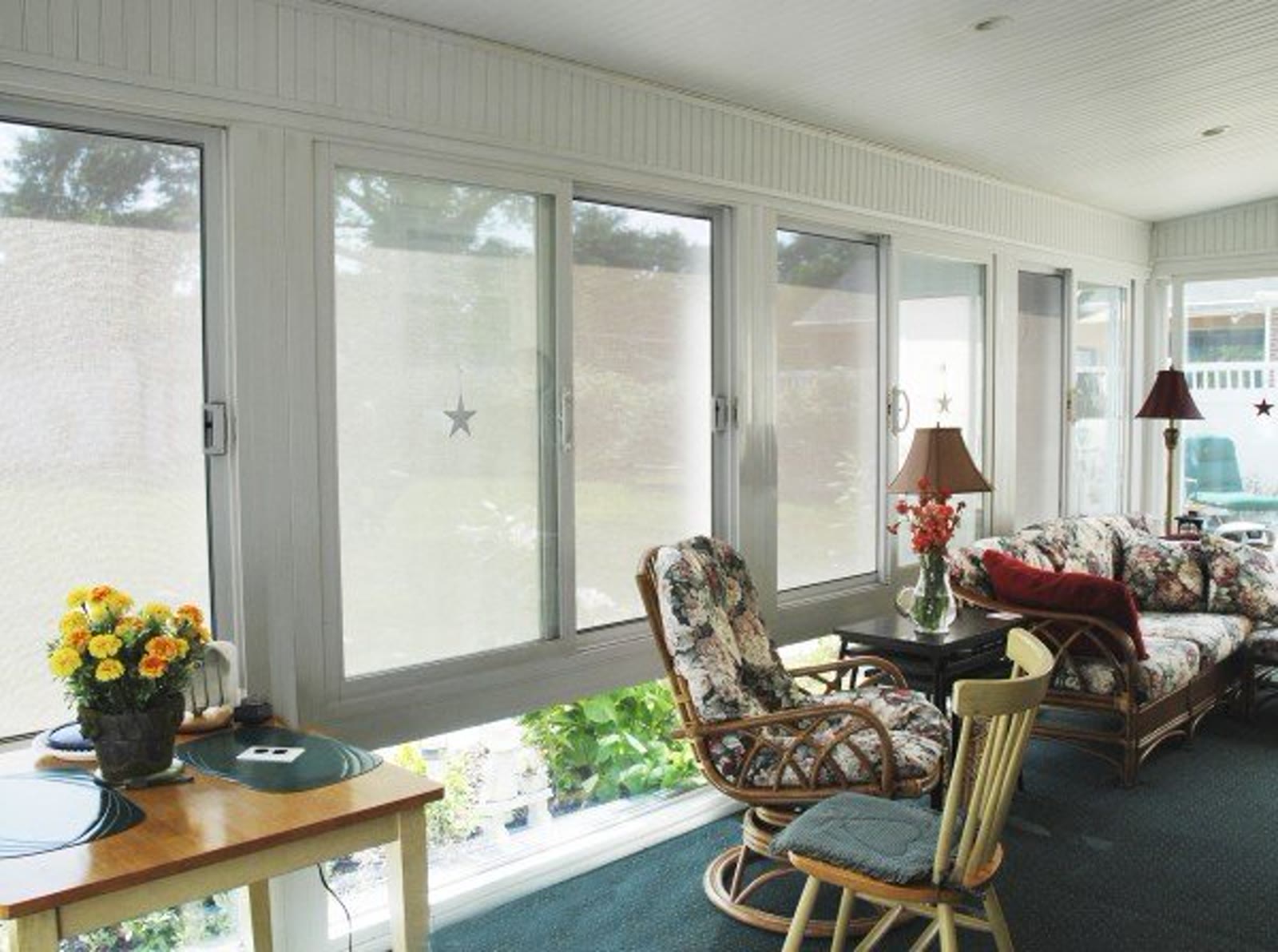
Sunrooms usually have more glass, more angles, and more direct sun than any other space. That creates three common problems: heat buildup, harsh glare, and fabric fading. World Wide Shades helps homeowners solve all three with solar-performance materials, accurate measurements, and shade systems that fit complex window layouts.
Start with materials: Order color samples to compare openness factors and color options.
Solar shades 101: the numbers that matter
Solar shades are typically described by openness factor—the percent of the fabric that’s "open" (tiny holes) versus "closed." A few practical rules of thumb:
- 1–3% openness: strongest glare control; minimal view-through.
- 5% openness: common balance of view + performance.
- 10% openness: brighter room with more visibility; less glare reduction.
In a sunroom, many homeowners choose 1–5% on the brightest exposures.
World Wide Shades can help you pick the right openness for each wall—Design yours in the Custom Shade Builder.
Color choice: why darker isn’t always “hotter”
A common misconception is that dark fabrics always make the room hotter. In practice, dark solar fabrics can improve view-through and reduce glare, while light fabrics can brighten the interior. What matters most is the fabric’s solar performance and how the window is oriented.
For color strategy, see window shades color guide.
Inside mount vs. outside mount for sunrooms
Sunrooms often have trim constraints and many adjacent windows.
- Cleaner look when frames are deep enough
- Better for rows of identical windows
- Adds overlap to reduce edge glare
- Useful when frames are shallow
If you’re not sure which is best, Talk to a shade expert or call (844) 674-2716 and World Wide Shades will walk through your photos and measurements.
Pairing solar shades with other treatments
Many sunrooms are used day-to-night. A layered plan can give you:
- Solar shades for daytime glare and UV control
- A second layer (room darkening/blackout) for TV viewing or privacy
Compare shade types in solar shades vs. roller shades and privacy tradeoffs in light filtering shades guide.
UV protection and fading prevention
UV is a leading cause of fading for floors, rugs, and furniture. If your sunroom gets strong afternoon sun, prioritize UV-oriented materials.
Learn how UV protection works in UV protection window shades.
Managing heat: what to expect
Shades reduce glare and help comfort, but they won’t turn a sunroom into a basement. Heat depends on glass type, air sealing, and ventilation.
- Expect the biggest comfort improvement on windows with direct sun.
- Consider adding fans or improving ventilation for peak-summer afternoons.
World Wide Shades can help you build a room-by-room plan—Design yours in the Custom Shade Builder.
Cost ranges and budgeting for many windows
Sunrooms often have a lot of openings. Even if each shade is modestly priced, the total adds up. Use a staged approach:
- Shade the brightest exposures first.
- Add the remaining windows after you confirm the fabric choice.
- Consider motorization only where it improves daily usability.
For pricing context, see how much custom roller shades cost.
Installation tips for sunroom window grids
- Measure each opening; sunrooms are often not perfectly symmetrical.
- Label shades by window position before installation.
- Keep hardware consistent for a uniform look.
If you’re DIYing, follow how to install roller shades.
Four-season sunrooms: glare control without losing the view
A four-season sunroom is used more like a living room, so you often want both comfort and visibility.
- 1–3% openness: strongest glare control; minimal view-through.
- 5% openness: popular balance for seating areas.
- 10% openness: brightest interior; least glare reduction.
World Wide Shades can recommend different openness factors per exposure—Design yours in the Custom Shade Builder.
Layering strategy: solar by day, privacy by night
Many homeowners use solar shades during the day, then switch to a more opaque layer after sunset.
Compare materials in Solar shades vs. roller shades and Light filtering shades guide.
Managing fading for furniture and flooring
Sunrooms are high-UV environments.
- UV control helps protect rugs, upholstery, and wood flooring.
- Consistent shading reduces uneven fading lines.
Learn more in UV protection window shades.
Ventilation and comfort tips beyond shades
Shades help, but comfort is also about air flow.
- Use ceiling fans or venting windows during peak heat.
- Seal obvious gaps to reduce drafts in winter.
For insulation ideas, see Energy efficient window shades.
World Wide Shades can help you build a whole-room plan—Talk to a shade expert or call (844) 674-2716.
When to use room darkening or blackout in a four-season sunroom
Some four-season sunrooms double as TV rooms or guest spaces.
- Use room darkening when you want stronger glare control and more privacy.
- Use blackout when the room is used for sleeping or you need near-total darkness.
If you’re deciding between blackout products, review Blackout curtains vs. blackout shades.
Window-by-window planning (why one fabric may not fit every wall)
Sunrooms commonly have different exposures on each side.
- East: morning sun and glare.
- South: high overall brightness.
- West: late-day heat.
It’s normal to use different openness factors on different walls while keeping a consistent color.
World Wide Shades can help you design a coordinated set—Talk to a shade expert or call (844) 674-2716.
Getting the “bright but comfortable” balance
A simple way to balance comfort and brightness:
- Start with 5% openness in the main seating area.
- Drop to 1–3% on the wall that gets direct afternoon sun.
- Keep color consistent so the room looks uniform.
World Wide Shades can recommend the best combination for your orientation—Design yours in the Custom Shade Builder.
Measuring many sunroom windows without mistakes
Sunrooms often have repeating windows that are almost the same size.
- Measure each opening individually.
- Label each window (A, B, C…) and record width/height next to the label.
- When you order, keep the same label system to avoid swapping shades.
If you want a second set of eyes, World Wide Shades can confirm your measurements—Talk to a shade expert or call (844) 674-2716.
Coordinating shades with sunroom décor
Because sunrooms are bright, small color differences can feel bigger than in other rooms.
- If your trim is white, a white or light neutral shade keeps the room airy.
- If you want more contrast, choose a mid-tone that complements flooring.
For broader color guidance, read Window shades color guide.
World Wide Shades can help you confirm the best match—Order color samples or call (844) 674-2716.
FAQ: Solar shades for sunrooms
Many homeowners land between 1–5% openness for strong glare control, then go higher on shaded sides if they want more view.
Not fully. At night, interior lights can make silhouettes visible. If privacy matters, consider a second layer or a different fabric.
They can reduce harsh direct sun and protect foliage from intense exposure, but plant needs vary; consider partial coverage or higher openness where plants need more light.
Yes. It’s common to use lower openness on the brightest walls and higher openness where glare is less severe.
Darker fabrics often improve view-through and reduce glare; lighter colors brighten the room. World Wide Shades can recommend a balanced palette. Talk to a shade expert or call (844) 674-2716.
Design yours in the Custom Shade Builder to build a configuration and see fabric options, then finalize with World Wide Shades.
World Wide Shades makes it easy to compare fabrics and hardware—Design yours in the Custom Shade Builder.
If you want a recommendation tailored to your window measurements, contact World Wide Shades at (844) 674-2716 or use Talk to a shade expert.
World Wide Shades can also help you match styles across rooms—start with Order color samples.