Why roller shades work especially well for roller vs roman shades
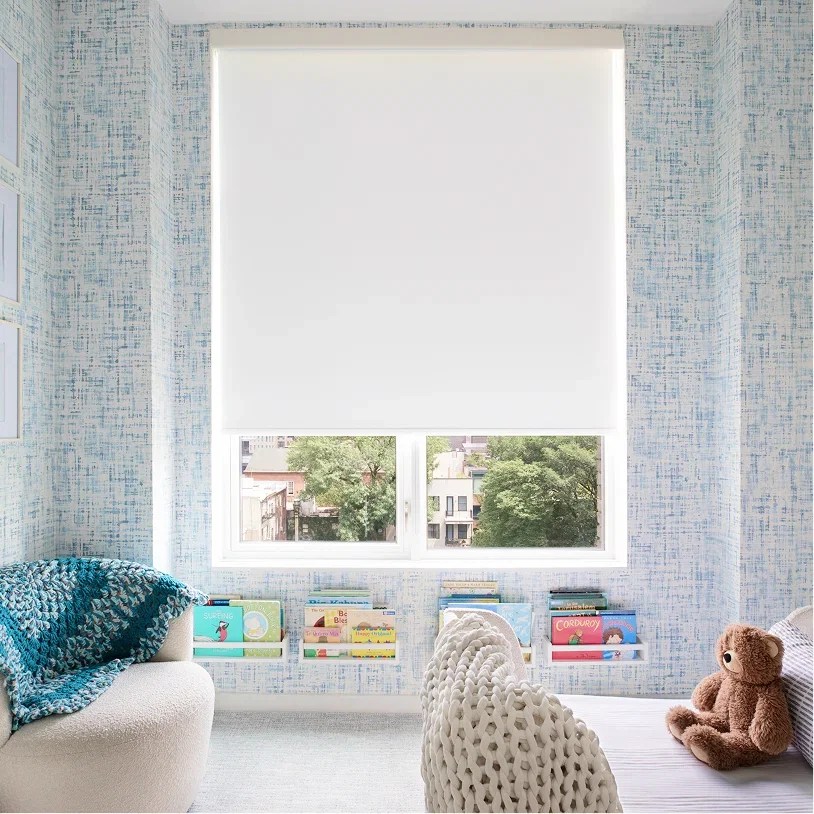
Roller shades are one of the cleanest-looking window treatments because the fabric rolls into a compact tube instead of stacking bulky folds. In style-heavy rooms (lofts, coastal interiors, and modern farmhouse spaces), that simple silhouette keeps the architecture and materials—brick, shiplap, beams, or ocean views—doing the talking.
Design yours in minutes with the World Wide Shades Shade Builder.
When you compare fabrics, focus on measurable specs that affect comfort:
- Openness factor: common solar fabrics range from 1%–5%. Lower openness means more glare reduction and privacy, higher openness keeps sharper views.
- UV control: many solar fabrics can block up to ~95%+ of UV (varies by weave, color, and liner).
- Heat and glare: tighter weaves and darker colors typically cut glare more, while lighter colors often reflect more daylight.
- Light gaps: a standard roller shade (without side channels) often leaves small edge gaps; plan for 2–3 in. per side of outside-mount overlap if you need better coverage.
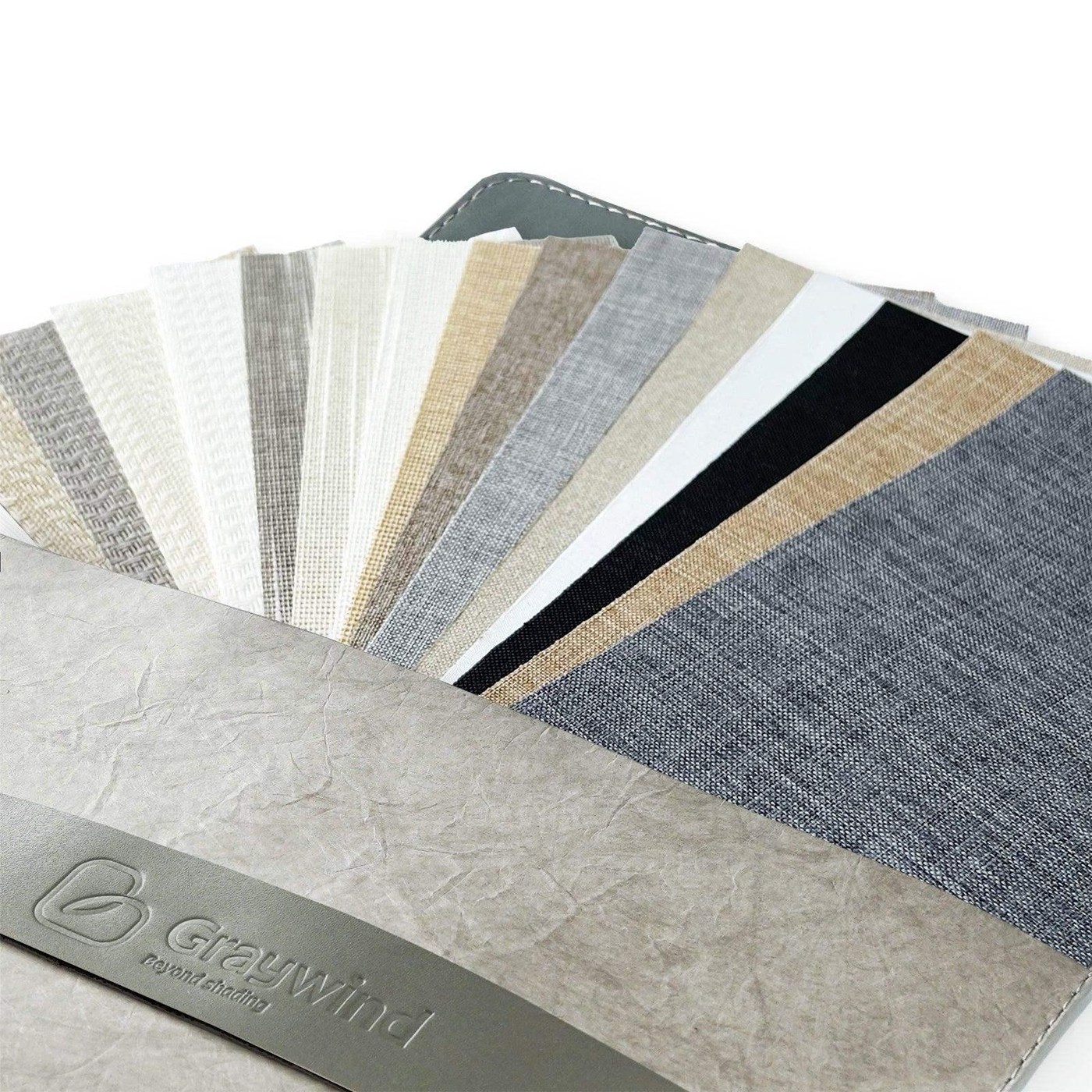
Need help matching finishes? Order free samples on our World Wide Shades Swatches page.
Choosing the right fabric: solar, light-filtering, or blackout
Solar fabrics are designed to reduce glare while maintaining daytime visibility. In bright rooms, a 3% openness fabric is a common middle ground: it softens glare without making the window feel “covered.” If privacy is a concern—especially at night—pair solar fabric with a secondary treatment or choose a tighter weave.
Light-filtering fabrics diffuse daylight for a softer look. They’re great when you want privacy during the day but don’t need full darkness.
Blackout fabrics are the most consistent way to get room darkening. If you’re sensitive to light, consider adding side channels or a light-blocking hem bar to reduce edge leakage.
For a deeper breakdown, see our guides on Light Filtering Shades and Blackout Curtains vs Blackout Shades.
Talk to a shade specialist at (844) 674-2716 or reach us via World Wide Shades Contact.
Industrial loft + exposed brick: design and practicality
Industrial lofts often have tall, wide windows. That changes the buying checklist:
- Wider widths benefit from sturdier tubes and stronger hardware to prevent fabric “smile.”
- Outside mount is common when trim is minimal; plan for 2–3 in. per side overlap for better light control.
- Neutral solids and textured weaves pair well with brick and metal; avoid fussy patterns that fight the architecture.
- Red/orange brick: try warm whites, oatmeal, flax, or soft gray.
- Whitewashed brick: try charcoal, matte black, or mid-gray for contrast.
- Dark brick: lighter fabrics keep the room from feeling heavy.
Coastal and beach houses: humidity, salt air, and UV
In coastal homes, window treatments have to handle more than sunlight:
- Humidity swings can stress natural fibers.
- Salt air can accelerate corrosion on cheap hardware.
- UV exposure is often higher because coastal rooms are view-driven.
If you’re planning a coastal build, also read Window Shades for Hurricane + Coastal Areas and UV Protection Window Shades.
Modern farmhouse: shiplap-friendly simplicity
Farmhouse interiors are all about calm contrast—warm woods, soft whites, and functional materials.
- Warm white light-filtering for kitchens and everyday spaces
- Oatmeal and flax textures for living rooms
- Blackout in bedrooms for better sleep consistency
Pair your shades with the palette tips in Window Shades Color Guide and ideas from Window Shade Trends 2026.
If you're comparing options, start with the World Wide Shades Shade Builder to see styles and prices fast.
Roller shades vs other popular styles (quick, practical comparison)
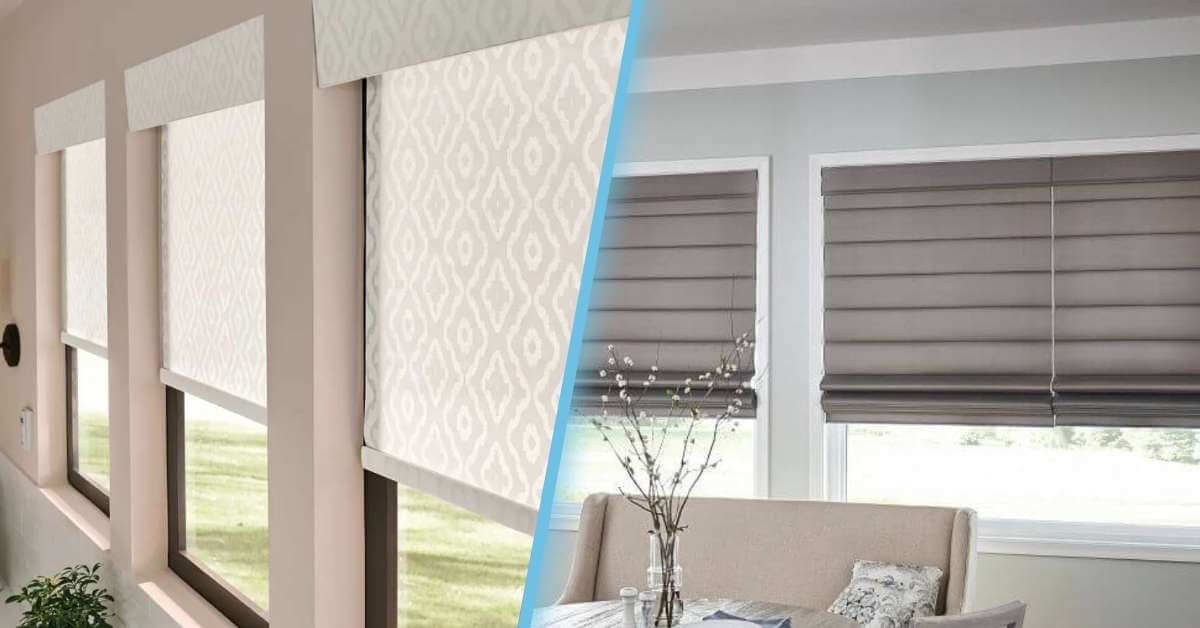
Roman shades stack into soft folds. They’re beautiful, but they collect more dust and take longer to clean than a wipeable roller fabric. If you like the tailored look, compare details in Roller Shades vs Roman Shades.
Woven wood shades add texture, but they can be harder to clean and less predictable for light control unless you add a liner. For a deeper dive, see Woven Wood Shades Guide.
Measuring and mounting details that prevent expensive mistakes
Even a premium shade looks wrong if it’s mounted incorrectly.
- Confirm you have at least 2 3/4 in. of depth for many roller mechanisms.
- Measure width in three places (top/middle/bottom) and use the smallest.
Outside mount is often the best choice for privacy and light control. A practical target is 2–3 in. per side of overlap on each side, plus a bit more above the frame to cover the top gap.
If you want a step-by-step, see How to Install Roller Shades.
For a quick recommendation, call (844) 674-2716 or send photos through World Wide Shades Contact.
Realistic costs in 2026 (what most homeowners actually spend)
Pricing varies by fabric, size, and lift type, but most custom roller shade projects land around $250–$900 per window per window.
Common upgrades that change price:
- Motorization: typically adds about $250–$600 per shade depending on brand and power.
- Cassette valance: adds cost but hides the roll for a cleaner finish; see Roller Shade Valance Options.
- Side channels: often worth it when you need better blackout performance.
For deeper numbers, read How Much Do Custom Roller Shades Cost? and Custom Roller Shades vs Home Depot.
Lead times, warranties, and what to ask before you buy
A typical made-to-order timeline is 7–14 business days (rush options vary). Before ordering, confirm:
- warranty length and what’s covered
- fabric fading expectations
- whether hardware is rated for coastal humidity (if relevant)
FAQ: roller shades for this style
A common starting point is 3% openness solar fabric: it reduces glare while keeping the view relatively sharp.
Yes, but wide shades need stronger tubes and quality brackets to prevent fabric bowing. For extra-wide spans, consider splitting into two shades.
Not always, but natural materials can react to humidity. If you love the look, choose a liner and prioritize quality hardware.
Plan about 2–3 inches per side plus a few inches above the frame to reduce side and top gaps.
Order samples first—small changes in undertone matter. Use the World Wide Shades Swatches page and compare them at morning and evening light.
Sometimes, but it’s usually more cost-effective to choose motorization at purchase so brackets, tubes, and power options match.
Next steps with World Wide Shades
If you want shades that look right and perform day-to-day, World Wide Shades can help you dial in fabric, mounting, and options for your exact windows.
- Build and price your project: World Wide Shades Shade Builder
- Get color and material samples: World Wide Shades Swatches
- Talk to a specialist: World Wide Shades Contact or call (844) 674-2716
More reading from our blog
- Related: Roller Shades Vs Roman Shades
- Related: How Much Do Custom Roller Shades Cost
- Related: Light Filtering Shades Guide
- Related: Blackout Curtains Vs Blackout Shades
- Related: Custom Roller Shades Vs Home Depot