Why this comparison keeps coming up in 2026
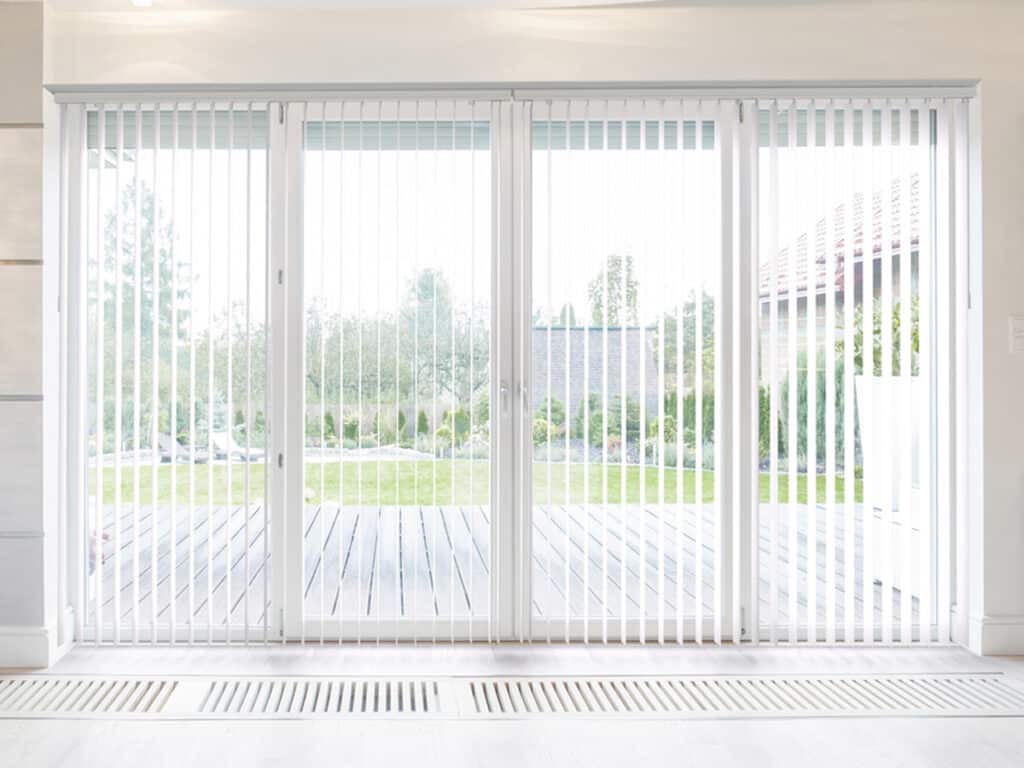
Vertical blinds used to be the default solution for sliding glass doors. They were inexpensive, easy to replace, and covered wide openings.
But modern homeowners now expect:
- Cleaner lines
- Quieter, smoother operation
- Better glare control for TVs and laptops
- A more “designed” look for open-concept spaces
That’s why roller shades (and slider-friendly modern systems) have become the go-to alternative.
World Wide Shades helps homeowners replace vertical blinds with modern custom roller shades that look intentional and perform better day-to-day. Start with /builder or reach out at /contact.
Vertical blinds: strengths and weaknesses
Vertical blinds can still make sense when:
- The opening is extremely wide
- Budget is the top constraint
- You need a fast replacement for a rental or temporary setup
If you’re in a rental scenario, also see roller-shades-rental-apartment for modern renter-friendly guidance.
Most homeowners dislike vertical blinds because of:
- Noise: slats clack when you open the door or run HVAC
- Breakage: individual slats crack or fall off
- Aesthetic: the “office” look doesn’t match modern interiors
- Light leaks: slats twist and create uneven gaps
Roller shades: why they’re the modern upgrade
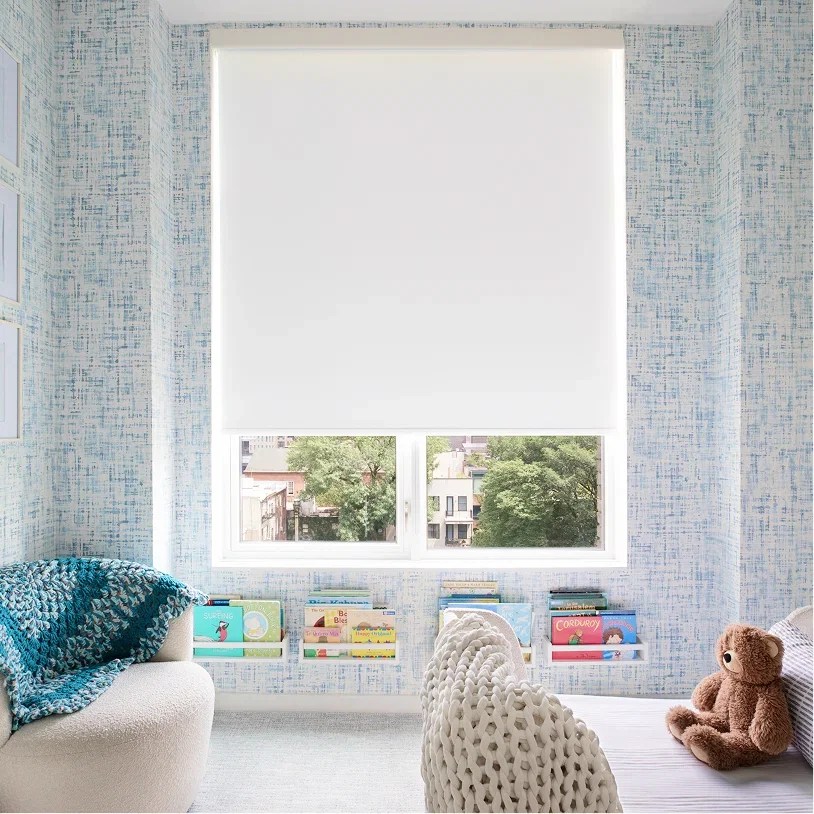
Roller shades replace a set of slats with a single, uniform fabric plane.
- Cleaner look across large glass
- Consistent glare control (especially with solar fabrics)
- Less noise during daily door use
- Easier cleaning compared to many slat systems
If you’re new to roller shades on doors, start with roller-shades-for-sliding-glass-doors.
CTA: Want a modern slider upgrade that still feels practical? Price your door in the World Wide Shades /builder.
The best roller shade configurations for sliding doors
Not every “roller shade” is the same on a slider.
Many homeowners choose either:
- One wide roller shade across the opening
- Two or three aligned shades panel-by-panel
Each choice affects seams, daily usability, and width limits. For a deep breakdown, see our companion guide: roller-shades-large-glass-doors-sliders.
If you like the way vertical blinds stack to one side, you may prefer a slider-friendly approach that stacks similarly, rather than rolling upward.
World Wide Shades can recommend the best configuration for your exact opening and traffic pattern. Use /contact to get a recommendation.
Light control and privacy: what actually changes
If your main problem is glare on screens, roller shades usually outperform vertical blinds because the fabric is continuous.
For glare fundamentals, see light-filtering-shades-guide and the workspace-focused tips in best-shades-home-office-zoom.
At night, both systems depend on coverage. Roller shades typically feel more private because:
- The fabric is uniform
- It doesn’t twist open like slats
If you need true bedroom-style darkness on a door, compare blackout approaches in blackout-curtains-vs-blackout-shades.
CTA: If privacy is the pain point, World Wide Shades can recommend a fabric + mount strategy—contact /contact or call (844) 674-2716.
Durability and maintenance
- Individual slats can be replaced, but breakage is common.
- Tracks can get dirty and cause sticking.
- Slats collect dust and can stain.
- Fewer moving parts exposed
- Easier surface cleaning in many fabrics
For cleaning guidance, see how-to-clean-roller-shades and fabric-specific details in polyester-vs-vinyl-roller-shade-fabric.
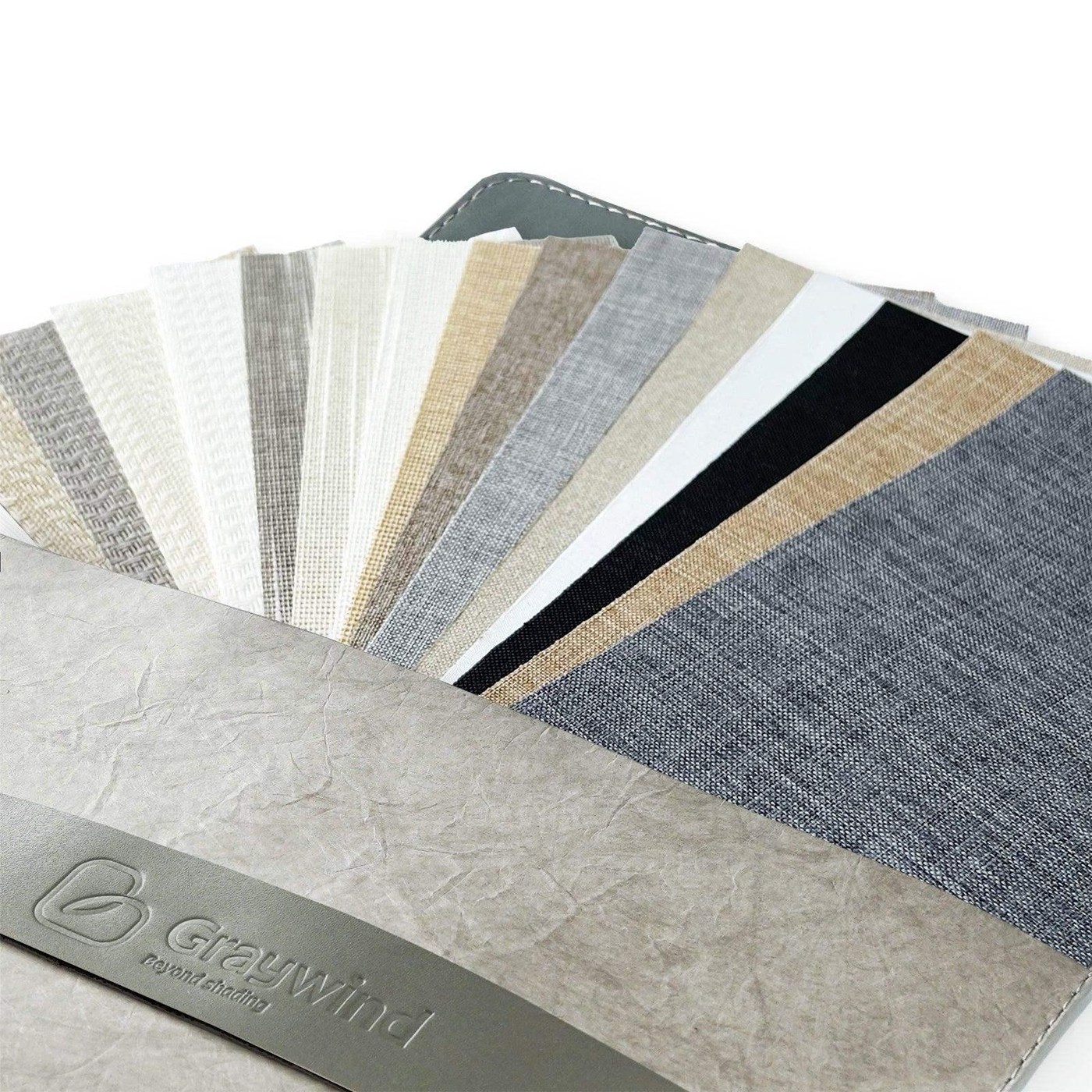
CTA: Want low-maintenance fabrics for a high-traffic door? Explore World Wide Shades samples at /swatches.
Cost comparison: what usually happens in real projects
Vertical blinds are often cheaper upfront.
Roller shades can cost more initially, but homeowners choose them because:
- They upgrade the look of a major visual feature (a big glass door)
- They reduce daily annoyance (noise, twisting, broken slats)
- They can be motorized for one-touch control
For broader pricing context, start with how-much-do-custom-roller-shades-cost. If you’re considering smart control, see motorized-shades-alexa-google-home.
CTA: Get a realistic quote for your exact slider at /builder.
Slider usability: traffic flow, pets, and everyday wear
Sliding doors are high-traffic openings. The best solution is the one you’ll actually use.
In busy households, vertical blinds often fail in predictable ways:
- Slats get pulled off by kids or pets
- The wand/control becomes loose
- Tracks collect debris and start sticking
Roller shade systems designed for doors reduce “individual-part” breakage because there aren’t dozens of slats.
If you have pets that like to sit by the door, a continuous shade surface can be easier to keep neat.
For a broader kid-safe perspective, see child-safe-window-treatments.
CTA: Need a door solution that can handle daily abuse? Start in the World Wide Shades /builder.
Motorization: the easiest way to make sliders feel premium
Sliding doors often get raised/lowered multiple times per day.
Motorization helps because:
- Operation is consistent (no uneven pulling)
- You can use a remote, wall switch, or smart home routine
- It’s safer and cleaner than chains
For deeper setup guidance, read smart-home-motorized-shades-setup.
CTA: Want help choosing battery vs hardwired power? Contact World Wide Shades at /contact or call (844) 674-2716.
Measuring and fit: why door treatments fail
A door treatment fails when it blocks the handle, drags on the floor, or doesn’t cover enough glass for privacy.
- Overall opening width
- Overall opening height
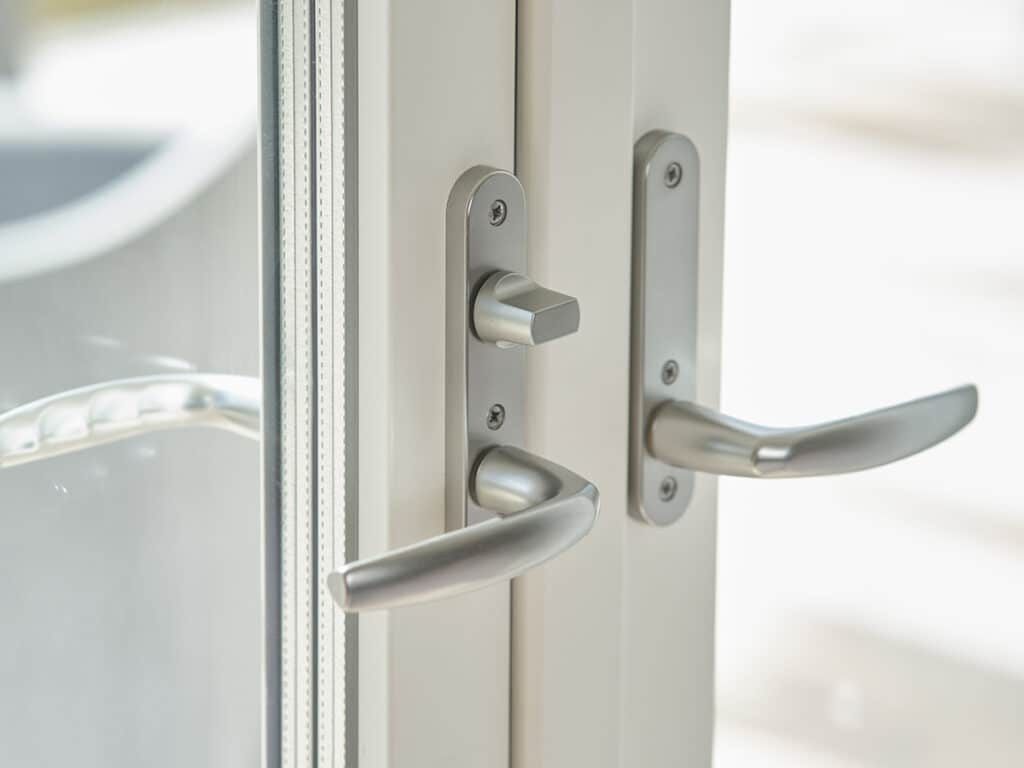
- Handle projection and clearance
If you want a step-by-step approach, see how-to-measure-windows-for-roller-shades.
Any treatment on a moving door can show edge gaps, especially at night. Outside mount and better overlap often improve results. For practical fixes, see roller-shade-light-gaps-side-fix.
CTA: Want help sizing your slider correctly the first time? Start with World Wide Shades at /builder.
Which should you choose? Quick decision guide
- Budget is the only priority
- You need a fast, temporary solution
- You don’t mind slat noise and replacements
- You want a modern look
- You want smoother daily use
- You want better glare consistency
- You want motorization or smart-home integration
If you’re upgrading a main living area, roller shades are usually the better long-term choice.
FAQ: Roller shades vs vertical blinds
For most modern homes, yes. Roller shades offer a cleaner look, more consistent glare control, and fewer “breakable slat” issues—especially when designed as a slider-appropriate system.
They can, depending on fabric. Room-darkening and blackout fabrics block significantly more light than typical vertical blind slats.
A roller shade system designed for large openings (single wide or multi-panel) is one of the most modern options. For doors where you want a side-stack behavior, a track-style approach may be best.
Usually, yes upfront. Roller shades often cost more initially but deliver a more premium look and fewer daily annoyances.
Yes, and motorization is often the feature that makes sliders dramatically easier to live with. World Wide Shades can recommend the right control and power setup.
Yes. World Wide Shades can recommend the right shade configuration for your opening and usage pattern. Start with /builder, order /swatches, or call (844) 674-2716.