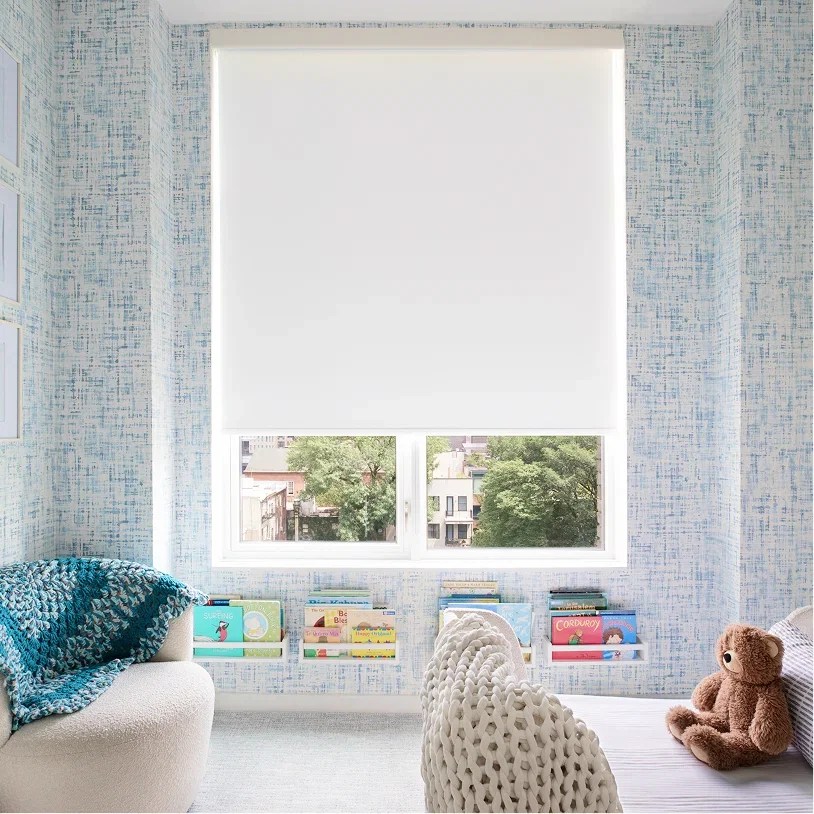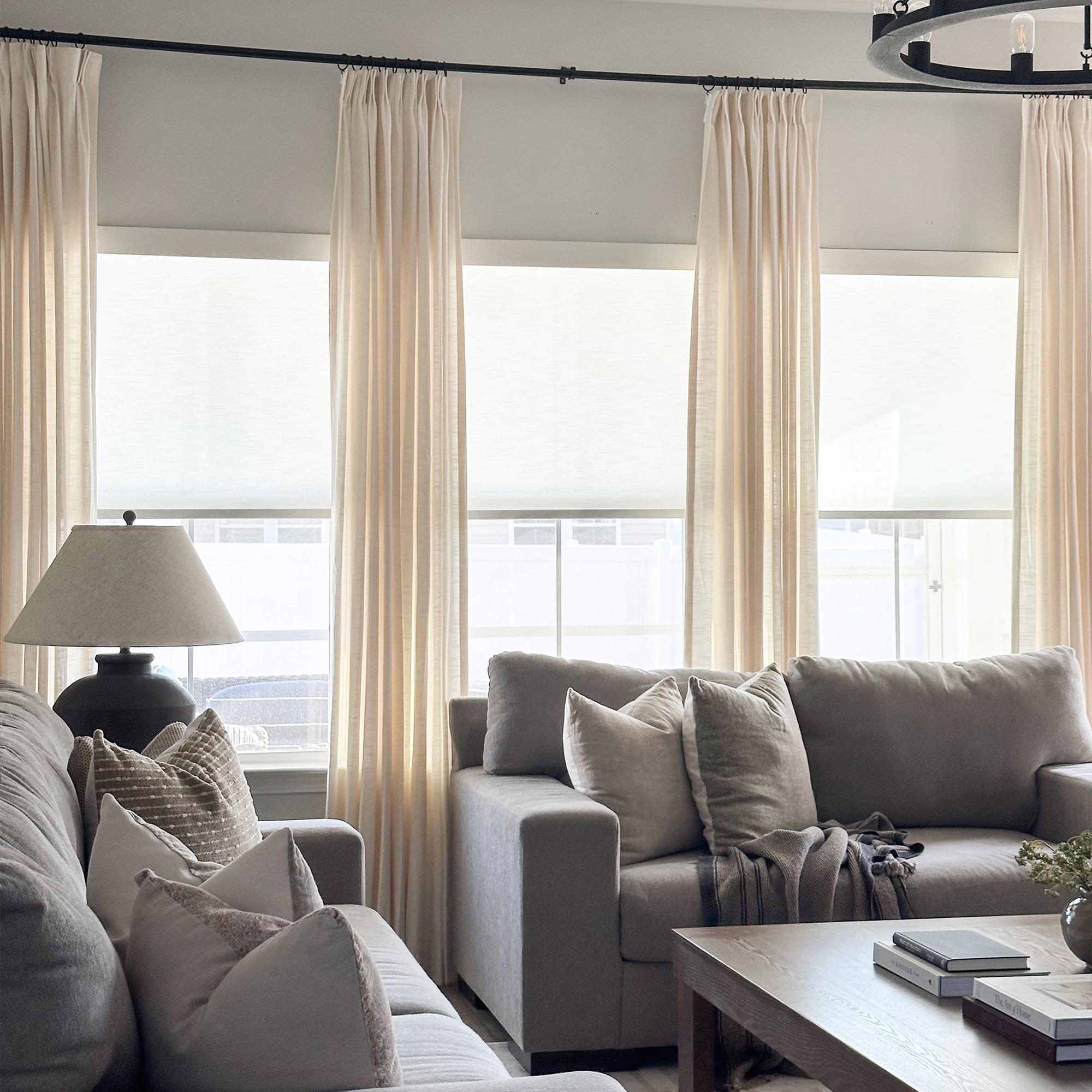
Warm minimalism is minimalism with a pulse. Instead of cold white, glossy surfaces, and empty rooms, it uses cream, sand, clay, natural wood, wool, and a few useful objects. Roller shades fit the approach because they create a calm, uninterrupted plane at the window while solving glare, privacy, and temperature problems.
The trick is choosing a shade that feels soft rather than stark. Start with the World Wide Shades online builder to compare light-filtering, solar, and room-darkening fabrics. A custom fit keeps the treatment from looking like a temporary rectangle added after the room was finished.
What warm minimalism requires from a window shade
The shade does not have to match the wall exactly. A shade one or two steps darker than a warm white wall creates definition without visual noise. Good starting colors include oat, mushroom, flax, putty, greige with a yellow or red undertone, and soft clay. If the room has pale oak, choose a shade with a similar warmth; if it has walnut, use mushroom or caramel to bridge the contrast.
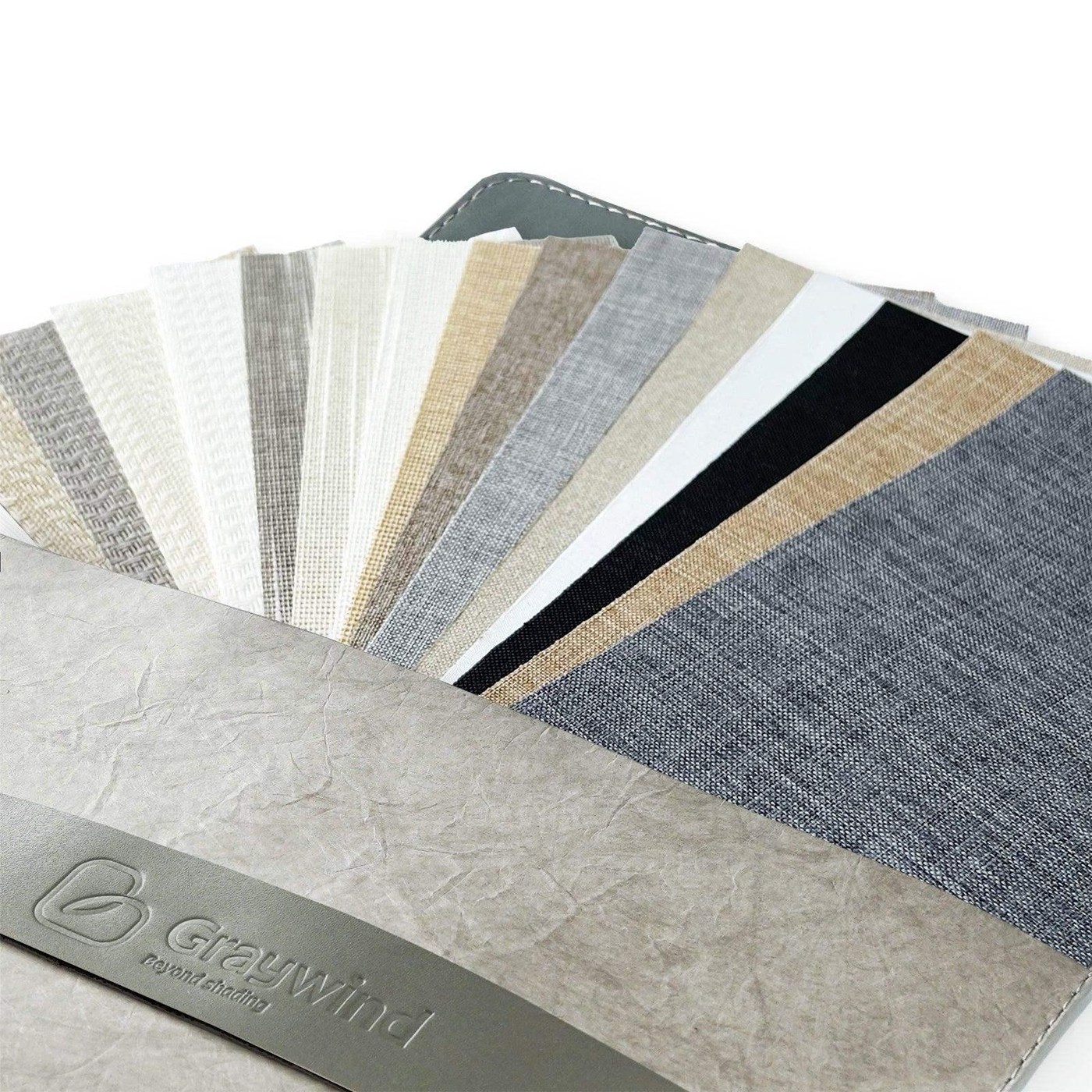
Test the material at three times of day. A warm neutral can turn pink at sunset, yellow under incandescent bulbs, or gray beside cool daylight. Order World Wide Shades swatches and hold them beside the trim, sofa, and flooring before ordering a full set.
Linen-look polyester, subtle basketweave, and micro-textured solar screens reflect light gently. Glossy vinyl highlights every crease and can work against the quiet character of the room. A tiny weave also hides dust and minor handling marks better than a perfectly smooth pale surface.
Texture should be visible from a few feet away but not become a pattern. If the room already has boucle, jute, or ribbed wood, choose a shade with a fine weave; if the room is very smooth, a linen texture adds enough depth to keep the wall from feeling flat.
A slim headrail or cassette in white, beige, black, or bronze can recede into the architecture. Align the top edges of neighboring shades even if the windows differ slightly in height. For outside mount, extend 3 to 4 inches beyond the glass on each side to reduce side gaps and make the window feel more generous.
World Wide Shades can specify a cassette and roller fabric together so the hardware does not compete with the shade face. Contact the team when you are treating several windows across an open-plan space.
Choose fabric opacity by activity
A light-filtering roller softens daylight and protects privacy during the day without making the room dim. In a living room that gets moderate morning sun, a translucent fabric can be comfortable at 5% to 15% light transmission. In a south-facing room, look for a tighter weave or pair light-filtering fabric with drapery.
A light-filtering shade is not automatically private at night. Turn on the room’s lights after dark and check whether silhouettes can be seen from outside. Read the light-filtering shades guide for a room-by-room breakdown, then build a custom option.
Solar shades reduce glare while preserving a view, making them useful behind a desk or near a television. Openness factors around 3% to 5% are common starting points: 3% cuts more glare and increases daytime privacy, while 5% keeps the view more open. For a west-facing window, 1% to 3% may be more comfortable during afternoon sun.
Solar fabric still allows nighttime silhouettes, so add a separate privacy layer where needed. The energy-efficient window shades guide explains how solar control differs from insulation.
Warm minimalism works well in a bedroom when the shade blocks morning light without making the room feel severe. Choose oatmeal, warm white, taupe, or muted mushroom room-darkening fabric rather than automatically defaulting to black. An outside mount and cassette reduce the halo around the edges. For true sleep darkness, compare the construction in blackout curtains vs. blackout shades.
Room-by-room recipes
Pair an oat or flax roller with oak shelving, a wool rug, and one darker accent. Use a 3% to 5% solar or light-filtering fabric when the room needs a view. Keep adjacent windows on the same color even if one requires blackout; consistent color matters more than identical opacity. Request swatches from World Wide Shades before ordering the entire room.
A mushroom blackout roller provides a restful background with warm white bedding and natural linen. Add stationary curtains only if you need softness or additional side coverage. For a child’s bedroom, choose cordless operation and follow the safety guidance in child-safe window treatments. Use the builder to compare blackout fabrics by color and texture.
Kitchens need a fabric that tolerates airborne grease, steam, and frequent wiping. A smooth performance roller in warm white, pebble, or light taupe is easier to maintain than a deep open weave. Keep the shade clear of a cooktop and specify enough clearance for cabinet doors. See roller shades for kitchens and bathrooms for placement and cleaning considerations.
A 3% solar fabric can reduce reflections on a monitor while keeping the office connected to daylight. Position the desk perpendicular to the window when possible; the shade manages the remaining glare rather than compensating for a poor screen angle. If video calls are frequent, choose a neutral shade that does not cast a strong color onto your face. Contact World Wide Shades for a multi-window plan.
Exact sizing keeps minimalism from looking cheap
Measure inside-mount width at the top, middle, and bottom, then use the narrowest measurement. Measure height at the left, center, and right. Record the frame depth and handle clearance. Do not deduct a standard amount yourself until you check the specific system; one shade may need a 1/4-inch deduction while another needs more.
For outside mount, add at least 3 inches to each side and 3 inches above the frame when space allows. A larger overlap hides light gaps and can make small windows feel more architectural. On a bank of windows, take separate measurements because construction tolerances can vary by 1/8 to 1/2 inch.
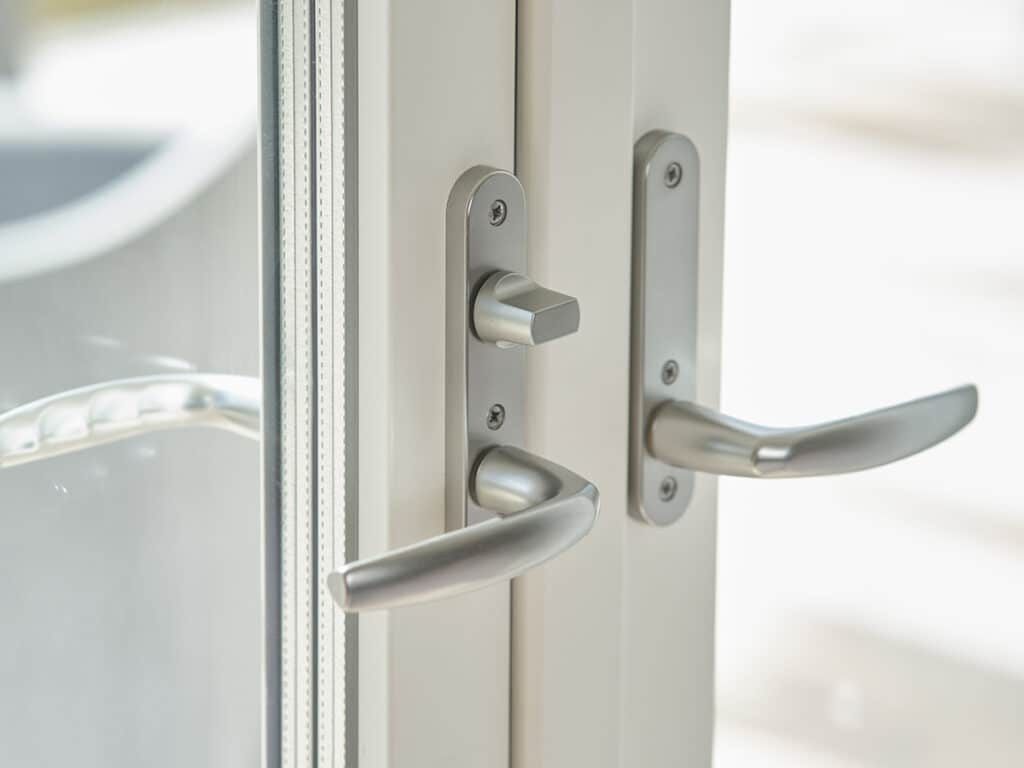
For a sliding door, measure the moving panels separately and check the handle path. Our roller shades for French doors guide explains how to avoid collisions with handles and hinges. If you are unsure, send your window schedule to World Wide Shades before production.
Smart and manual lifts in a quiet home
Manual cordless shades preserve a clean appearance and are cost-effective for reachable windows. Motorized shades make sense for tall glass, bedrooms, and open-plan rooms where identical daily positions are part of the design. A battery motor commonly adds about $180 to $350 per window, depending on size and controls; a hardwired option adds electrical labor.
Automation can open shades to 30% at sunrise, lower west-facing shades at 2:00 p.m., and close bedrooms at sunset. The controls disappear while the result is consistent. Learn the basics in smart home motorized shades setup. Call (844) 674-2716 or ask World Wide Shades to map a scene.
Care, durability, and the “less but better” test
Dust pale shades with a soft brush or vacuum attachment every 4 to 8 weeks. Blot spills rather than rubbing, and follow the fabric’s cleaning code. Avoid soaking a roller because moisture can affect the tube, hem bar, or adhesive components. In high-touch rooms, a medium warm neutral may stay presentable longer than pure white.
Before selecting a fabric, ask four questions: Does it solve the room’s glare problem? Does its privacy match the room’s use? Will its undertone work in morning and evening light? Can the shade be cleaned without special equipment? A shade that answers all four is more minimalist than a visually perfect fabric that requires constant adjustment.
Frequently Asked Questions
Oat, flax, mushroom, putty, warm white, sand, taupe, and soft clay are dependable choices. Choose a shade one or two steps darker than the wall for quiet definition, or match the wall closely for a near-invisible treatment. Order swatches from World Wide Shades because neutral undertones change dramatically under different light sources.
No. Charcoal, olive, cocoa, and warm black can fit warm minimalism when they repeat an intentional architectural or furniture cue. The key is a matte texture and a controlled palette, not a requirement that every surface be pale. Contact World Wide Shades for help balancing a dark accent with daylight.
Use 3% to 5% solar fabric when glare and screen reflections are the priority, or light-filtering fabric when you want softer daylight. Use room-darkening or blackout in bedrooms and media rooms. Solar shades preserve views but do not provide complete nighttime privacy, so add a layer if silhouettes are a concern.
Manual custom shades often fall around $120 to $450 per window. Textured, blackout, oversized, and motorized configurations can run $250 to $700 or more. Motorization commonly adds $180 to $350 per opening. The World Wide Shades builder produces a more useful estimate once dimensions and fabric choices are entered.
Dust every 4 to 8 weeks with a soft brush or low-suction upholstery attachment. Blot marks with a barely damp cloth only when the care code allows it, and never saturate the roll. In kitchens, choose a smooth performance fabric and keep the shade away from direct cooking splatter. Ask World Wide Shades for fabric-specific care advice.
Make the window feel calm and useful
Warm minimalist roller shades succeed when they solve a real light or privacy problem without adding visual clutter. Use soft neutrals, a fine matte texture, exact measurements, and hardware that recedes. The result is not an empty window; it is a quiet architectural surface that supports the room all day.
World Wide Shades can help you coordinate shade color and opacity across a whole home. Start with the online builder, order fabric swatches, or contact World Wide Shades. Call (844) 674-2716 when you want a specialist to review your measurements and room goals.