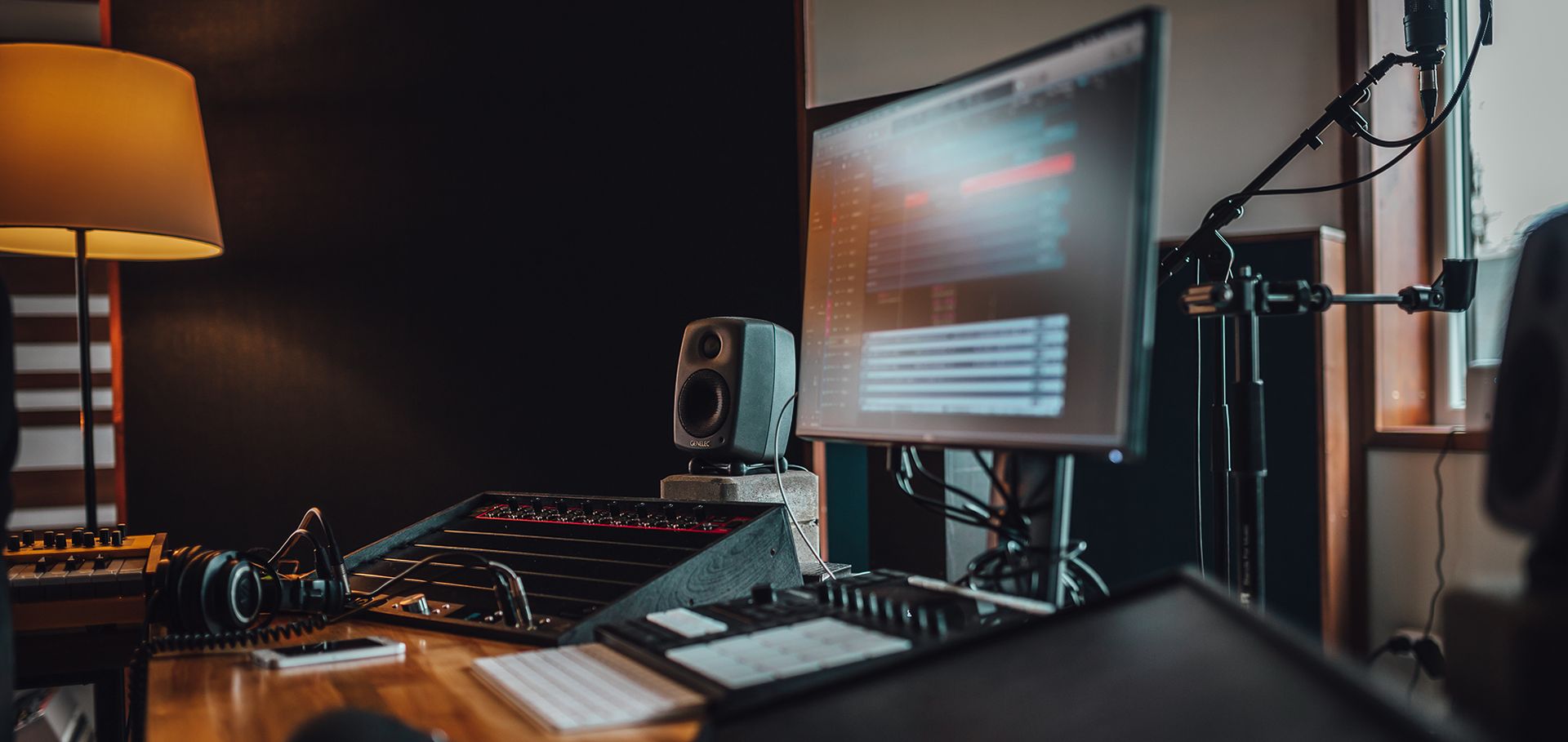
A home recording studio needs a window treatment that solves several problems at once. Direct sun can wash out a monitor, change how a camera sees skin tones, raise room temperature, and create unwanted light spill in a control room. Window shades for a home recording studio should make light predictable while leaving microphones, speakers, and acoustic panels free to do their jobs.
World Wide Shades helps homeowners match shade openness, opacity, mounting, and controls to the actual mix position. Use the World Wide Shades builder to compare fabrics, order swatches under your studio lights, or contact World Wide Shades for a layout review. Call (844) 674-2716 if a window sits behind a monitor, vocalist, or camera and you want a practical recommendation.
Why studios need more than “dark” shades
A studio is sensitive to contrast. A sunbeam on a display can force you to change monitor angle; a bright window behind a performer can make a camera expose the face too dark; changing daylight can make a video set look different from take to take. The target is not always total darkness. It is repeatable light that supports recording, editing, and video without making the room uncomfortable.
Identify the room’s three primary modes: tracking, mixing, and filming. Tracking may need low light spill and privacy. Mixing needs a screen without reflections. Filming may need softened daylight rather than a black rectangle behind the subject. World Wide Shades can help you choose one shade that serves all three modes or a dual system that changes with the session.
Plan the studio’s window coverage before buying gear; the shade can be less expensive than repeatedly moving a monitor, stand, or acoustic panel.
Choose fabric by the kind of light you need
Solar shades use a woven screen with an openness factor such as 1%, 3%, or 5%. A 1% fabric gives the strongest glare and view reduction. A 3% fabric is a common middle ground for a control desk because it cuts direct brightness while retaining a sense of daylight. A 5% fabric preserves more exterior view but allows more light and nighttime visibility.
If a studio window faces west, begin with 1% or 3% and a matte, non-shiny color. A darker screen can reduce perceived contrast around a monitor, while a lighter screen can keep the room brighter; test both instead of choosing from a small catalog chip. The UV protection window shades guide explains why screen fabric also matters for floors, instruments, and finishes.
Light-filtering roller fabric turns a hard window source into softer illumination. This can be helpful when a performer or host sits near the glass and you want a natural key light without a bright hotspot. It will not create studio-quality exposure by itself, so pair it with a fill light and keep the camera position consistent.
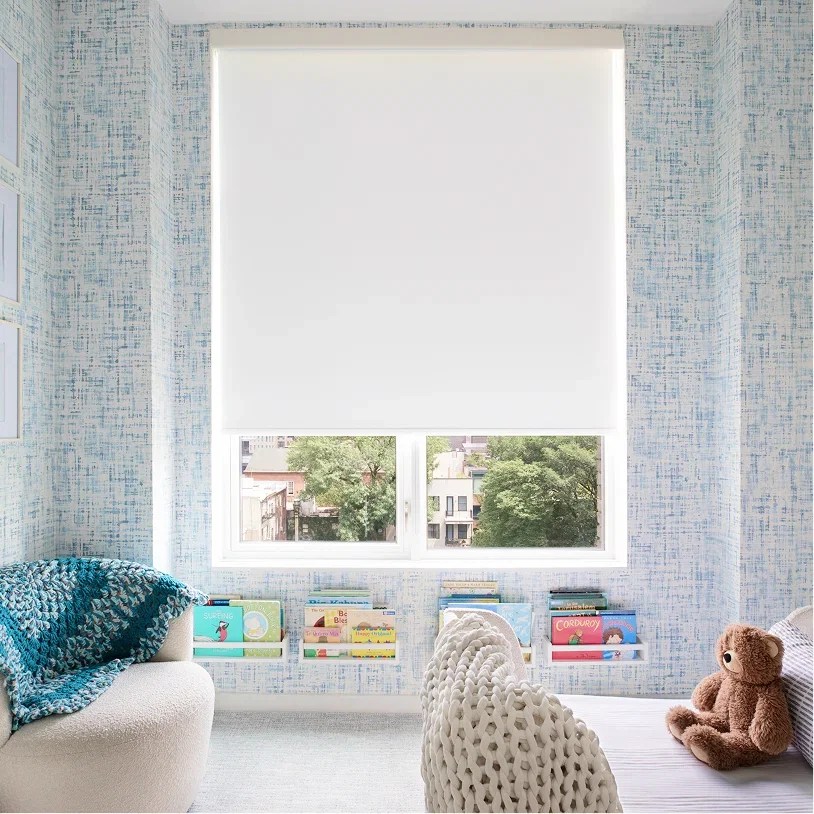
Blackout roller fabric is useful for a vocal booth, projection background, late-night mixing, or a room where every take must look identical. Remember that a small edge gap can project a bright line onto a wall. An outside mount, cassette, or side channel can do more for perceived darkness than moving from one dark fabric to another.
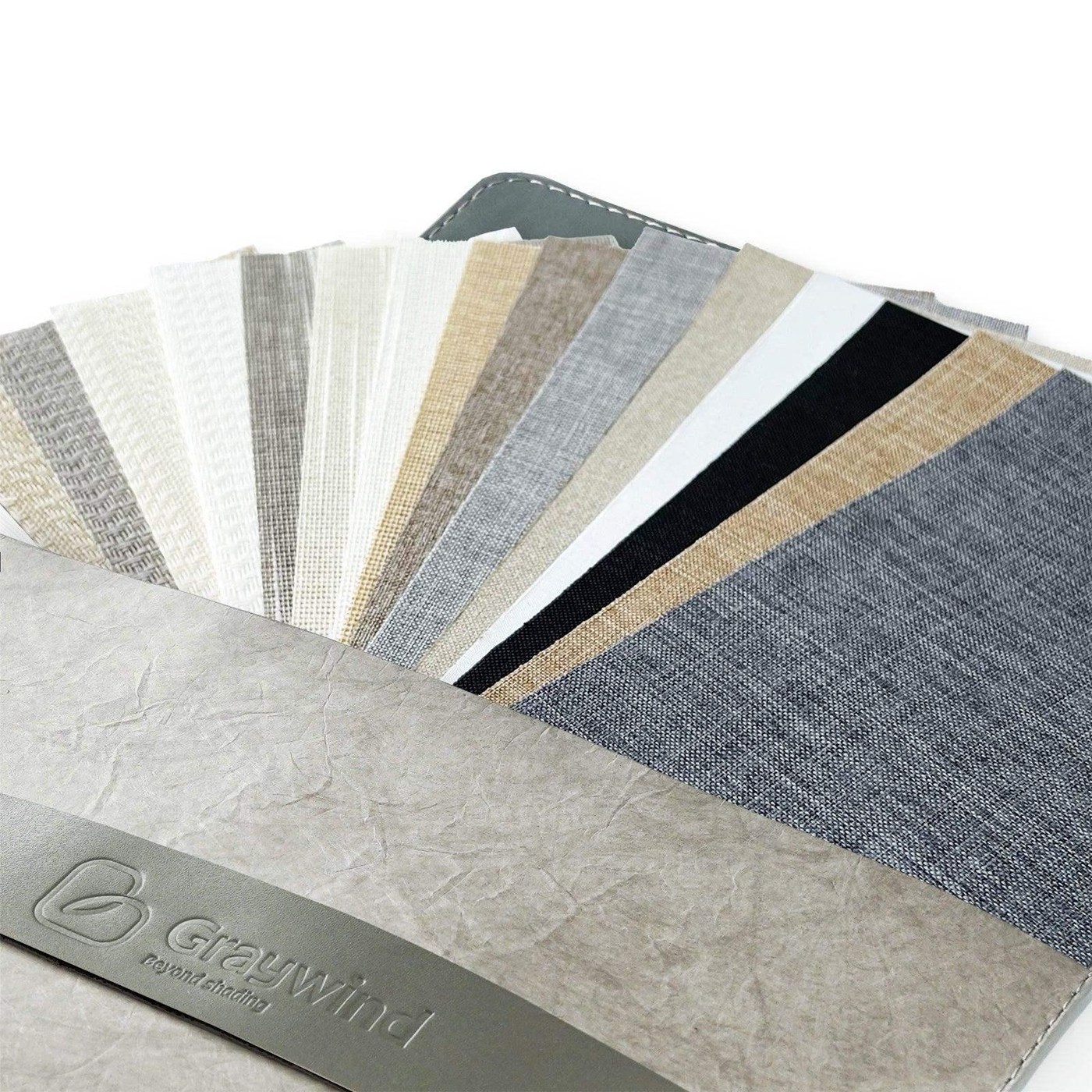
World Wide Shades can compare solar, light-filtering, and blackout options through swatches. If the room switches between daylight filming and dark mixing, ask about a dual roller system rather than committing to blackout-only.
A shade does not replace acoustic treatment
Window glass is a hard reflective surface, and a shade may reduce some high-frequency reflection when it is down. It will not replace bass traps, broadband absorbers, speaker placement, or a sealed door. A thick drape may absorb more sound than a thin roller, but it can also collect dust and alter the room’s high-frequency balance when closed.
The practical goal is consistency. Use the same shade position for comparable takes and keep the microphone from pointing directly at a reflective pane. The Stoneside guide to window coverings in a home studio notes that coverings can help with glare and thermal comfort, but they are only one part of a studio plan.
World Wide Shades can specify the visual light-control layer while you keep acoustic decisions with your recording professional. Contact World Wide Shades if a shade must fit around a wall-mounted absorber or a deep window recess. For fabric performance comparisons, see best fabrics for roller shades and noise-reducing window shades.
Control heat, glare, and color shifts
A sun-facing window can make a compact studio feel several degrees warmer during a session. Solar screens reduce direct solar load while preserving some view, and room-darkening fabrics can reduce light further when heat and contrast are the bigger problems. Use the shade before the room overheats; waiting until the glass and desk are hot makes cooling less efficient.
Color consistency matters for video. A neutral gray, warm white, or linen-look fabric can reduce a strong cast compared with saturated colors near the subject. Do not judge a swatch only at noon. View it in morning, afternoon, and the studio’s actual LED color temperature. A shade that appears gray under 3,200K lamps may appear warmer under daylight.
Order studio swatches from World Wide Shades and tape them beside the glass, monitor, and skin-tone reference before ordering.
Mounting choices that prevent light leaks
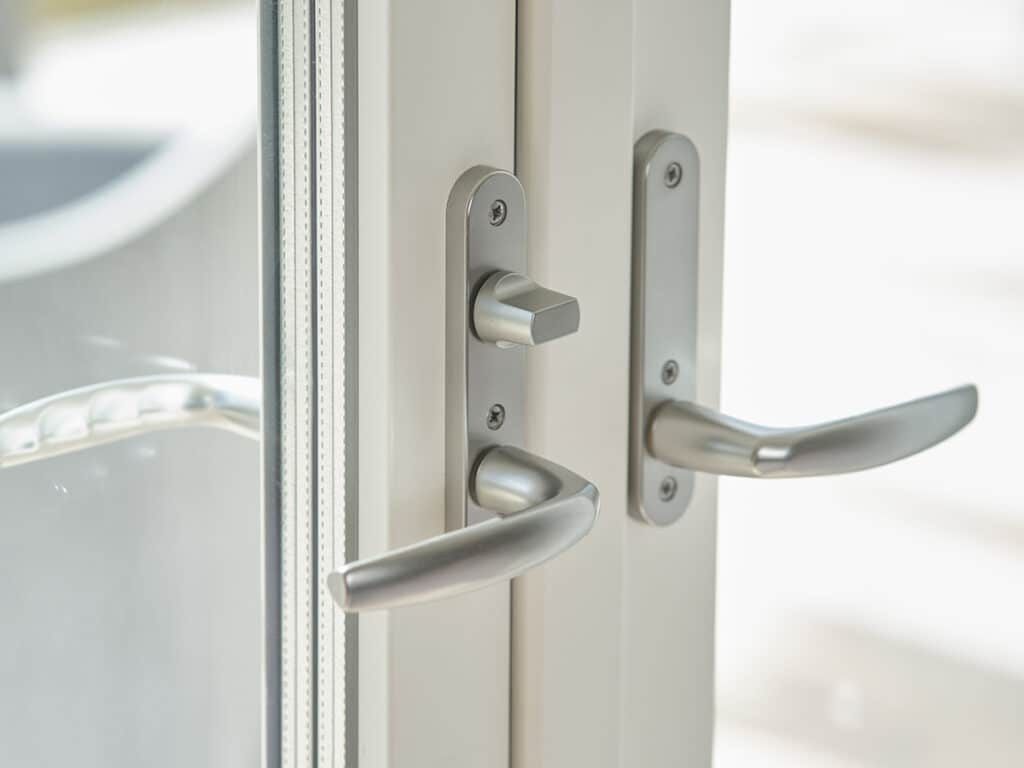
Inside mount produces a clean line and preserves trim, but it leaves less room to overlap the opening. Measure width at the top, middle, and bottom; height at the left, center, and right; and record recess depth. Check for window handles, monitor arms, cable raceways, and acoustic panels before selecting hardware.
Outside mount is often stronger for a control room because it covers more of the frame. A planning range of 2 to 4 inches of side overlap can reduce edge light when the wall allows it. A cassette hides the roll and gives the front of the studio a finished look. Side channels are especially valuable when a projector, camera, or dark wall makes small light streaks obvious.
Large panes may work better as two or more coordinated shades. Splitting a 96-inch opening into two approximately 48-inch units can reduce tube load and let you lower only the section facing the desk, but fabric weight and motor limits determine the final division. World Wide Shades will confirm the safe width and hardware configuration. Send the window details through the contact page for a fit review.
Motorization helps preserve a repeatable workflow
A remote or motorized shade lets you lower the window without bumping a mic stand or leaving the mixing position. Schedule a “tracking” level for daytime, a “mix” level for screen work, and a “camera” level for filming. Rechargeable motors suit finished rooms where opening walls is undesirable; hardwired motors can be useful in a remodel or new build.
Use a physical remote as a backup even if you connect the shades to a smart-home platform. Read smart-home motorized shades setup before selecting hubs and scenes. For a clean profile, compare roller shades vs. Roman shades, and review window shade trends for 2026 for current control ideas. World Wide Shades can help align multiple windows so a single command does not leave one bright pane open beside a closed shade.
Budget by window size and performance
As a broad planning range, a small manual solar or light-filtering shade may fall around $200 to $450. A larger blackout shade with a cassette may land around $350 to $800, and motorization may add approximately $250 to $600 per shade. Side channels, dual rollers, tall openings, and difficult access can increase the quote.
The key cost decision is performance, not the cheapest square foot. A lower-cost shade that leaves a reflection on every take can cost more in lost editing time. Compare actual dimensions in the World Wide Shades builder, then use contact for an estimate based on the studio’s openings.
Keep studio shades clean and stable
Dust with a soft brush or low-suction vacuum. Spot-clean according to the fabric instructions and avoid soaking a blackout backing. Keep rosin, solder, paint, and aerosol products away from the shade. Inspect the bottom rail if it begins to skew; uneven tracking can create both a light gap and an annoying visual distraction.
If the shade rubs a monitor arm or acoustic panel, stop operating it and correct the clearance rather than forcing the chain or motor. A level tube and square brackets matter more than a quick adjustment.
FAQ: window shades for a home recording studio
A 1% or 3% solar shade is a strong choice for glare control with a view. Light-filtering fabric works for soft daylight on camera, while blackout is best for strict light control, projection, or repeatable dark takes.
They can reduce some high-frequency reflection when lowered, but they do not replace acoustic panels, bass traps, speaker placement, or sound isolation. Treat the shade as a light and comfort tool first.
Use 1% for strong west-facing glare and 3% for balanced glare reduction and view. A 5% screen keeps more view and daylight but may not control a bright monitor reflection.
Only if the studio needs near-total darkness, projection, or consistent filming conditions. If you record during the day and want a view, a solar screen or dual roller may be more useful than blackout alone.
They can be worthwhile when windows are behind microphones, monitors, or acoustic treatment. A motor lets you recall repeatable shade positions without interrupting a session; battery, rechargeable, or hardwired power depends on access and project stage.
A typical planning range is about $200 to $450 for a small manual shade, $350 to $800 for a larger blackout cassette, and an additional $250 to $600 for motorization. Exact pricing depends on width, height, fabric, mount, and controls.
Build a predictable recording environment
The right shade does not make a recording studio soundproof, but it can make light, screen glare, heat, privacy, and camera exposure much easier to repeat. World Wide Shades can coordinate the fabric and hardware with your gear instead of treating the window as an afterthought. Start your studio design in the builder, test the fabrics, or contact World Wide Shades; call (844) 674-2716 for help with an unusual opening or multi-window setup.