Why coastal homes are harder on window shades than “normal” homes
A beach house is basically a stress test for window treatments: intense UV reflection off water and sand, humid air, occasional salt spray, and big temperature swings when the sun drops.
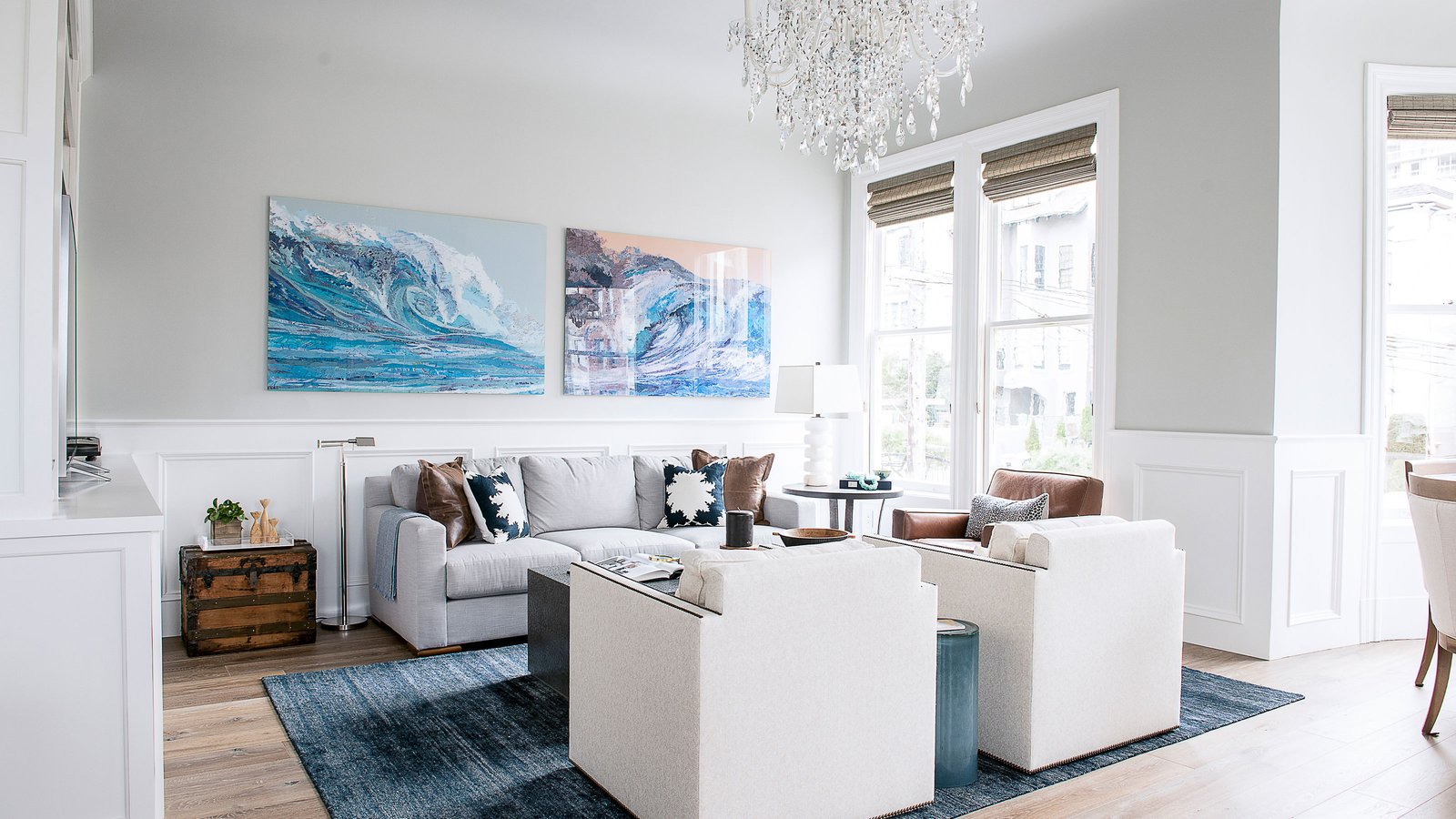
Coastal interiors also tend to feature lots of glass. More glass means bigger fabric panels, more exposure to sunlight, and more opportunities for glare, fading, and heat gain.
If you want shades that still look crisp after a few summers, start by choosing materials and hardware that are built for coastal conditions. World Wide Shades specializes in custom roller shades that can be configured for UV control, moisture resistance, and long-term durability—without sacrificing the relaxed coastal look.
The three coastal problems you’re really trying to solve
UV is what makes white-washed woods yellow over time, discolors rugs, and turns “oat” fabrics into “butter.” A high-quality solar fabric can block a large share of UV while still keeping a view.
If your home has ocean-facing windows, UV protection is usually the first priority. For a deeper dive on UV strategy, cross-read uv-protection-window-shades.
Coastal light feels different because it’s highly reflective. Even on cooler days, glare can be the reason you stop using a room. The best beach-home setups pair the right openness percentage with light-filtering or room-darkening fabrics so the space stays usable all day.
If your beach home also doubles as a work-from-home space, see best-shades-home-office-zoom for glare-control tactics.
Humidity affects fabric, and salt can affect metal finishes over time. The goal is simple: pick fabrics that won’t hold odors or mildew easily, and pick hardware finishes that don’t pit or corrode.
World Wide Shades can walk you through fabric and hardware options for coastal conditions—start with the online shade builder and we’ll help you dial in the specs.
Best roller shade fabric types for beach and coastal homes
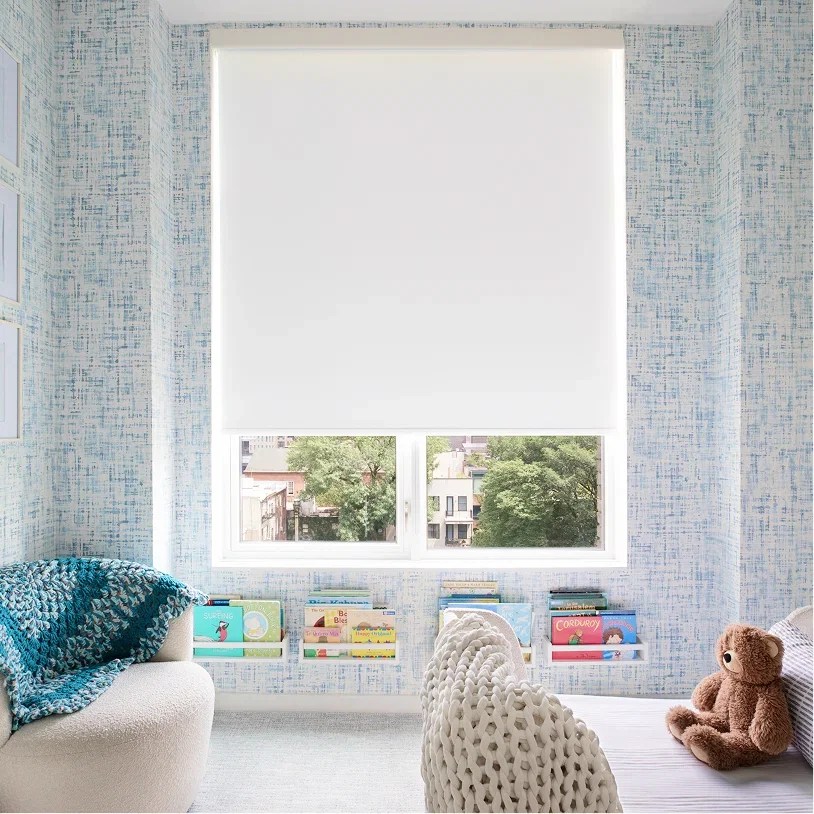
Solar shades are a top coastal choice because they’re designed to cut glare while preserving a view.
Use solar screen when:
- You want daytime privacy from the outside without feeling “closed in.”
- You care about a view of water, dunes, or palms.
- You want a modern, clean-lined look.
A common coastal pick is 3%–5% openness for main living areas and 1%–3% for harsh west-facing exposures. If you’re not sure what those numbers mean, start with light-filtering-shades-guide and window-shades-color-guide.
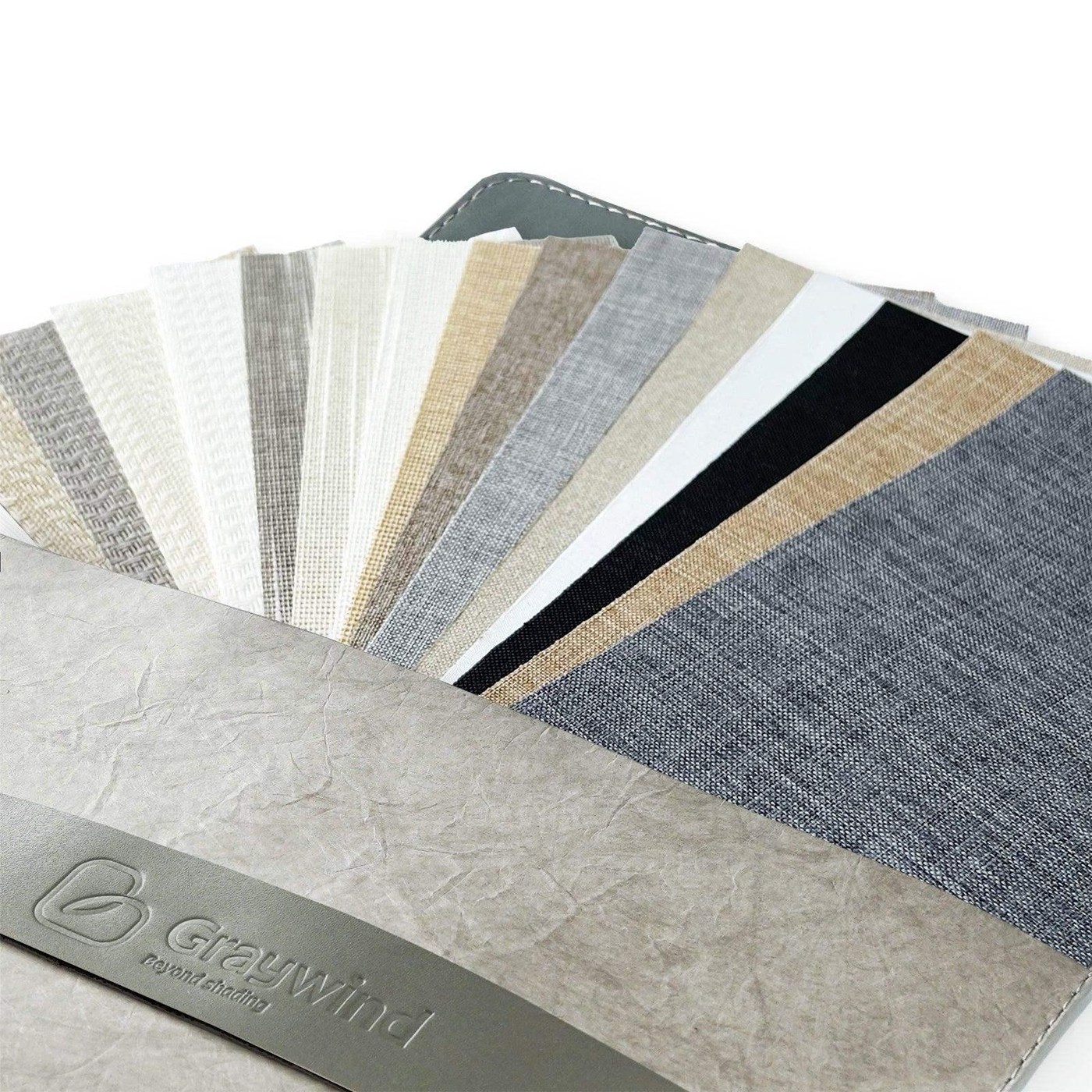
CTA: Want to compare openness and color in your actual lighting? Order free/low-cost samples from World Wide Shades at swatches.
Many beach-style interiors use linen-look or woven textures, but true linen can be harder to keep perfectly crisp. Performance polyester fabrics can mimic that organic look while being easier to clean and more resistant to everyday wear.
If you’re choosing between common materials, see polyester-vs-vinyl-roller-shade-fabric.
CTA: Build a textured coastal roller shade in minutes with the World Wide Shades online builder.
For kitchens near the water, bar areas, and beach bathrooms, wipe-clean fabrics can be practical. These are often used when you want easy maintenance over softness.
If you expect grease or heavy cooking, see kitchen-window-shades-grease-moisture. For humidity-focused advice, see bathroom-window-shades-privacy-humidity.
Choosing openness percentage for coastal light (a practical cheat sheet)
Openness is the percentage of “open space” in a solar fabric weave. Lower openness usually means more glare reduction and more privacy, but a darker interior and less visible view.
Best for:
- West-facing beachfront glass
- TV rooms where reflections are brutal
- Neighbors close by
Best for:
- Living rooms and great rooms
- Ocean-view windows where you still want a view
- Spaces used all day
Best for:
- North/east exposures
- Rooms where you want more daylight
- Taller windows where you don’t want the shade to feel heavy
Best for:
- Very low-glare exposures
- When you truly want an “almost screen” feel
CTA: If you want a quick recommendation based on your window direction and room use, call World Wide Shades at (844) 674-2716 or contact us at contact.
Coastal color strategy: how to avoid “yellowing whites” and keep the look airy
Beach homes love soft whites, sand, oat, fog gray, and pale blue-gray. But in coastal sunlight, undertones show up fast.
Use this approach:
- If your floors and walls are warm (oak, creamy paint), choose a warm white or oat to avoid looking “icy.”
- If your palette is cool (blue-gray, bright white trim), choose a cooler white so it doesn’t read yellow.
- For strong sun, slightly deeper neutrals often look cleaner over time because minor dust and shadow lines are less visible.
For more on coordinating colors, cross-read window-shades-color-guide and window-shade-trends-2026.
CTA: World Wide Shades can help you match undertones—start with swatches to see the color in your home.
Hardware and build details that matter near the ocean
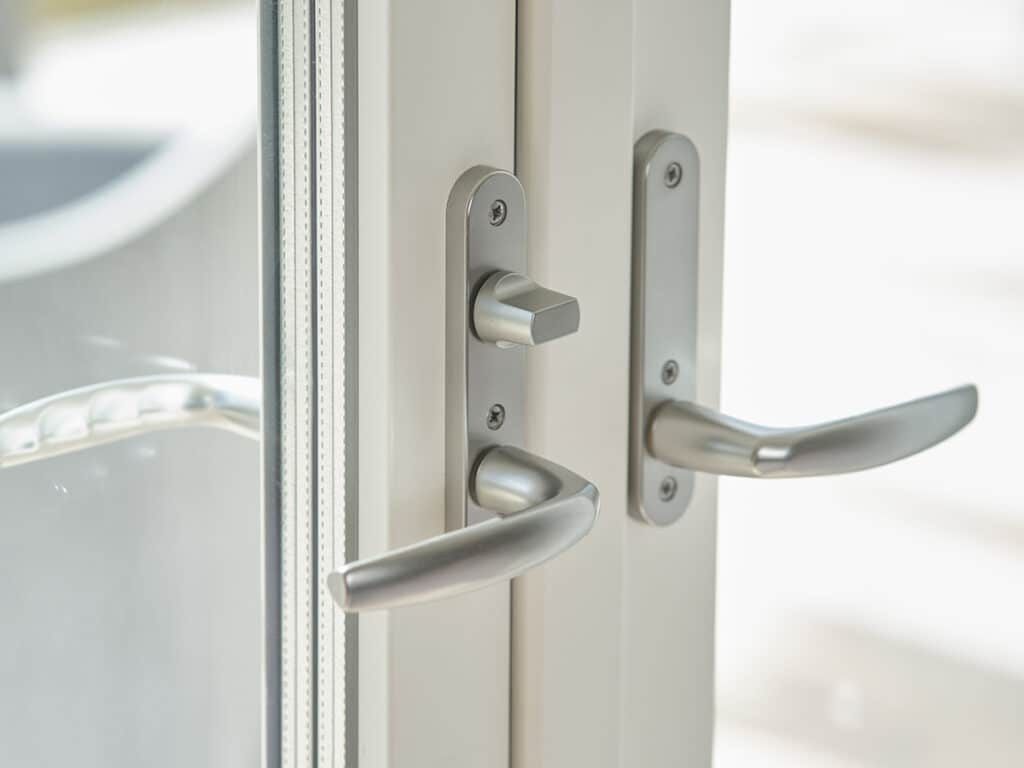
Coastal air can be hard on lower-grade finishes. Even if your windows are indoors, salty air can still reach hardware over time.
Practical tips:
- Prefer enclosed, quality headrails and components.
- Keep the design minimal: fewer seams, fewer places for moisture to sit.
Coastal interiors often lean “hotel clean.” A cassette headrail hides the roller tube and gives a finished, built-in feel.
If you’re deciding between finishes, read roller-shade-valance-options.
CTA: Want the polished coastal look? Configure a cassette-style roller shade in the World Wide Shades builder.
Room-by-room roller shade recommendations for beach houses
- Solar 3% or 5% openness for view + glare control
- Larger panels benefit from higher-quality rollers and fabrics that stay flat
If you have very large spans, see roller-shades-for-large-windows.
If the beach house is a rental or guest-first space, sleep quality matters.
- Blackout or room-darkening for bedrooms
- Consider layering: blackout for sleep + solar in living spaces
For bedroom specifics, see best-window-shades-bedroom and blackout-curtains-vs-blackout-shades.
CTA: For bedroom blackout recommendations, call World Wide Shades at (844) 674-2716 or start at contact.
- Wipe-clean or moisture-tolerant fabrics
- Lighter colors can keep the space bright, but choose easy-clean materials
See roller-shades-kitchen-bathroom for material guidance.
If your beach home has sliders to a deck, choose a system designed for larger widths.
See roller-shades-for-sliding-glass-doors and outdoor-roller-shades-patio.
CTA: Want help choosing between inside/outside mount for wide openings? World Wide Shades can help—start with builder.
Maintenance: what keeps coastal shades looking new
Coastal maintenance is mostly about being consistent.
- Vacuum with a soft brush attachment every few weeks during peak season.
- Spot-clean salt residue early (don’t let it “bake” in the sun).
- Keep windows and screens clean—less airborne salt ends up on fabric.
For cleaning methods by material, see how-to-clean-roller-shades.
FAQ: Coastal and beach-style roller shades
Performance polyester and quality solar screen fabrics are popular because they resist everyday moisture exposure and are easier to maintain than delicate natural fibers.
Most homeowners choose 3%–5% openness for view preservation with meaningful glare reduction; 1% is better when the sun is harsh or privacy is critical.
Yes—especially for guest rooms. A darker room improves sleep, and it’s one of the fastest upgrades that makes a rental feel higher-end. Compare options in blackout-curtains-vs-blackout-shades.
Not required, but it’s a great choice when you want a clean “built-in” look and less visible hardware. See roller-shade-valance-options.
Use the World Wide Shades online shade builder to configure your shade, then order samples at swatches. If you want a fast recommendation, call (844) 674-2716 or reach out via contact.
CTA: Ready to outfit your beach home with custom roller shades built for sun and salt? Start with World Wide Shades at builder or call (844) 674-2716.