What restaurants and cafes need from window shades
Hospitality spaces are harder on window treatments than homes. You’re dealing with long operating hours, frequent adjustments, sun glare on diners, and (in many kitchens) grease and moisture.
Start designing your custom shades in the World Wide Shades builder to price durable commercial-ready roller shades by window size.
The three biggest problems to solve
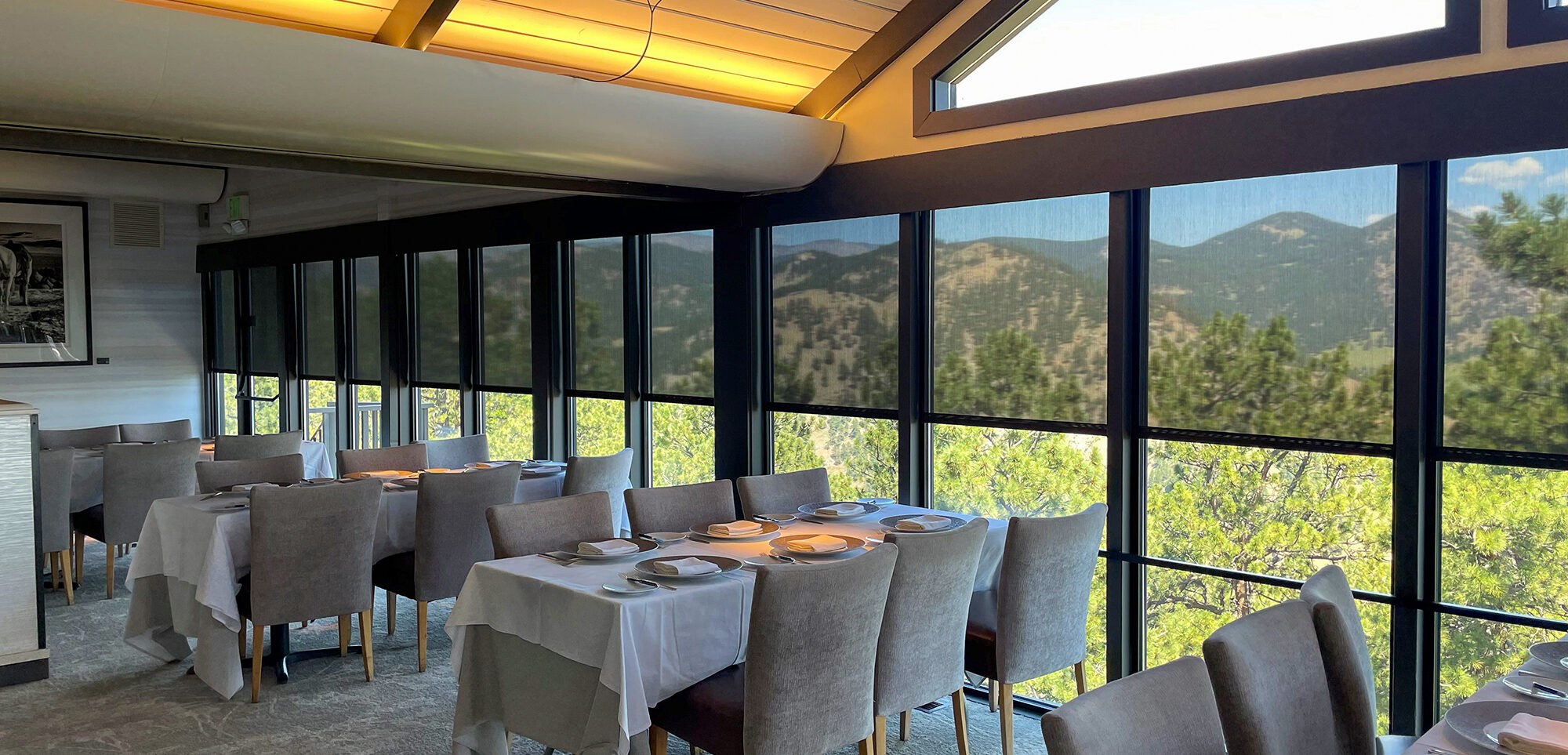
Afternoon glare can create empty “bad tables.” A solar or light-filtering fabric can cut glare while keeping the room bright. Start with Best Shades for South-Facing Windows.
Large storefront windows can turn a dining room into a greenhouse. Solar fabrics and reflective backings can reduce radiant heat and make seating areas more comfortable. Related: Energy Efficient Window Shades.
Restaurants need fabrics that wipe clean and hardware that doesn’t corrode. Ask for easy-clean fabric options when you request swatches.
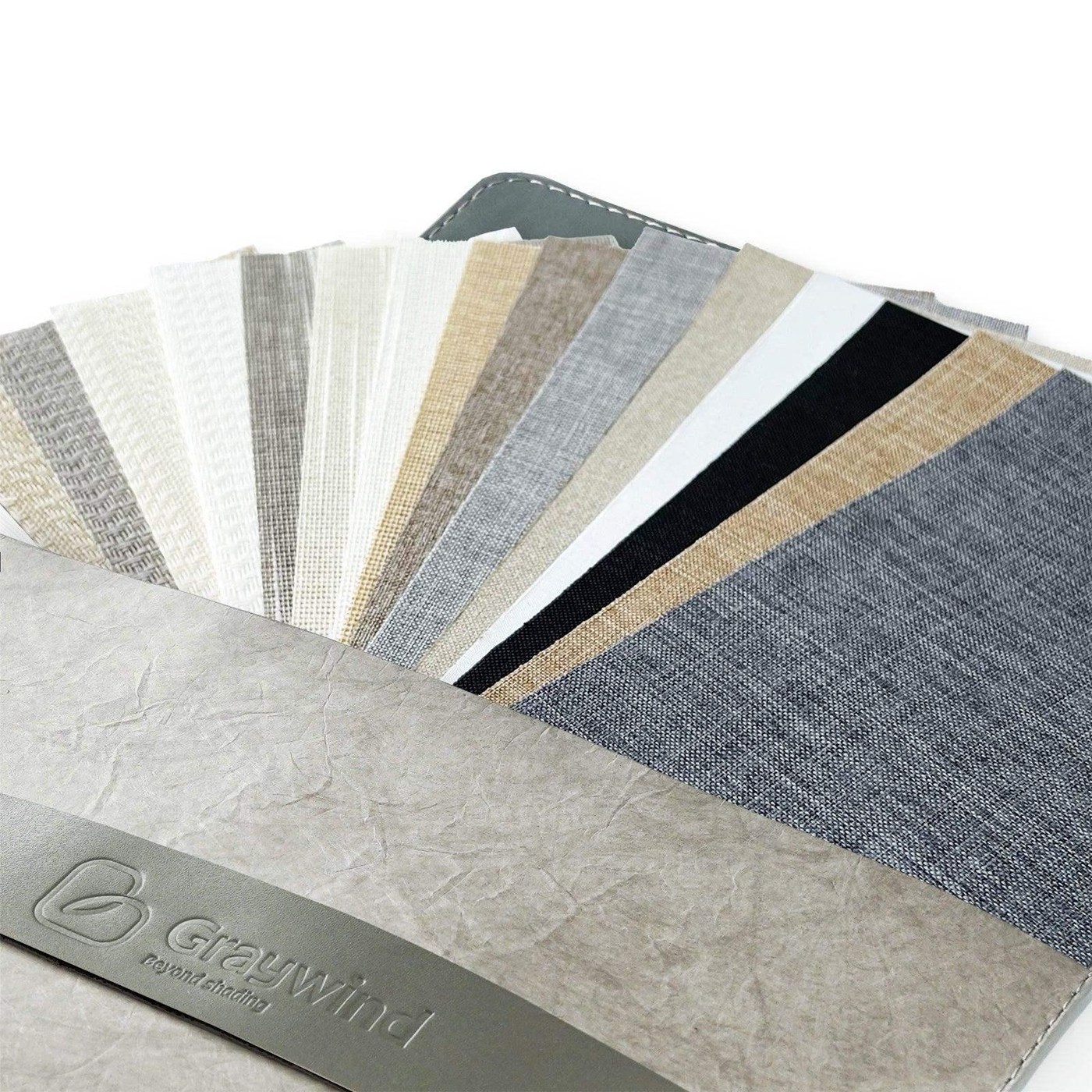
Order free swatches from World Wide Shades before you buy
Best roller shade fabric types for hospitality
- Great for storefronts and sunny dining rooms.
- Helps keep daytime visibility while cutting glare.
- Common planning guideline: 3% openness for strong glare control with visibility.
- Better for softer ambiance and “even” daylight.
- Useful when you don’t need see-through performance.
- Best for projector areas, private dining rooms, and late-night lounge vibes.
- If you’re comparing blackout systems, see Blackout Curtains vs Blackout Shades.
Hardware specs that matter in a commercial space
- Continuous chain: cost-effective and serviceable for many windows.
- Cordless: clean look, but not always ideal for very large shades in high-use spaces.
- Motorized: best for hard-to-reach clerestory windows or synchronized storefront lines.
If you’re planning automation, see Smart Home Motorized Shades Setup and Motorized Shades with Alexa or Google Home.
A finished top treatment matters in hospitality because guests notice details. If you want a polished line, review Roller Shade Valance Options.
Get a quote from World Wide Shades and confirm your measurements
Layout-by-layout recommendations
Use solar shades to control glare while keeping “open” visibility. Consider consistent heights across the facade for a uniform exterior appearance.
Aim for fabrics that reduce glare without making the space feel closed. Pair with a slightly darker color on the inside to hide smudges.
Prioritize wipeable fabrics and corrosion-resistant hardware. In some kitchens, it’s smarter to mount outside the main grease plume.
Room-darkening or blackout gives you control for presentations and flexible ambiance. For blackout performance tips, see Best Window Shades for Bedrooms (the light-control principles carry over).
Ballpark pricing (what most owners budget)
Restaurant shade pricing depends heavily on size and number of openings. For planning, many commercial buyers budget roughly $250–$900 per window for durable manual shades, and $450–$1,400 per window when adding motorization on larger openings. To compare against residential projects, see How Much Do Custom Roller Shades Cost?.
Talk to the World Wide Shades team at (844) 674-2716
Maintenance and replacement planning
Most restaurants do best with a weekly light wipe-down and a deeper monthly clean. Avoid abrasive scrubbers that can fuzz the weave.
If you have one “hero” wall of windows, keeping one spare shade or fabric panel can reduce downtime.
Save fabric name, openness, and hardware color so replacements match. World Wide Shades can help standardize specs so additions later look intentional.
Frequently asked questions
Solar fabrics are for daylight glare control. At night, with interior lights on, visibility can increase. If privacy matters, choose a lower openness, a privacy liner, or switch to light-filtering.
Yes, but choose wipeable, heat-appropriate fabrics and mount them away from direct heat sources.
Many cafes like 3% for strong glare control while maintaining a bright feel. South- or west-facing glass may prefer 1%.
With quality hardware and regular cleaning, many commercial roller shades last 5–10 years, but high-use chains and greasy environments can shorten that.
Build your roller shades now with World Wide Shades
Compliance and safety considerations (common requirements)
If the public can access the shade, consider safer operation methods and clean chain management. For general safety guidance, see Child-Safe Window Treatments (many of the same principles apply in public-facing spaces).
Local codes and insurance requirements vary. Many commercial buyers look for fabrics marketed for commercial use and easy maintenance. World Wide Shades can guide you to appropriate fabric categories and document your specs for your contractor.
Call World Wide Shades at (844) 674-2716 for help choosing options
How to choose the right openness for hospitality (a quick method)
Stand in the dining room during your worst sun time (often 4–7 pm for west-facing glass). If guests squint or you see hard reflections on tables, start with 1%–3% openness.
If you rely on street visibility (a cafe that wants “busy energy”), choose 3%–5%. If privacy or projector performance matters, move toward light-filtering or room-darkening.
Restaurants look more professional when all storefront shades align and match. World Wide Shades can help you standardize fabric, hem style, and hardware color.
Use the World Wide Shades builder to price your exact windows
Noise and comfort: the overlooked win
In busy corridors or urban streets, a fabric layer at the window can soften the space. If noise is a concern, see Noise-Reducing Window Shades.
Example packages (what many owners choose)
- 3% solar fabric on storefront windows
- Light-filtering in side windows
- Manual chain for serviceability
- Light-filtering or room-darkening fabric
- Valance/cassette for a finished top line
- Optional motorization for synchronized close at dusk
- Blackout fabric with outside mount
- Consider side channels for best performance
- Durable hardware for frequent use
Request a quote and measurement help from World Wide Shades
More FAQs
Yes. Standardizing fabric and hardware is one of the easiest ways to keep a consistent brand look. World Wide Shades can help you document specs so reorders match.
Mid-tones often hide smudges better than bright white. If you want a current look, see Window Shade Trends 2026.
If daylight visibility is important, start with solar. If you want a softer, more private ambiance, choose light-filtering.
Get free World Wide Shades swatches to compare fabrics in your space
Measuring and ordering for commercial projects
Even if window heights vary slightly, aligning shade top heights often looks more professional. A consistent top line also makes the facade look cleaner from the street.
Restaurants benefit from fabrics that don’t show fingerprints easily. Mid-tone neutrals often look cleaner between wipe-downs.
If you’re mounting into masonry, tile, or metal studs, you may need different anchors than a residential drywall mount. World Wide Shades can help confirm what you’ll need based on photos and basic measurements.
Start your order with World Wide Shades
Fast timeline tips for owners
If you’re opening soon, order swatches immediately and decide on hardware colors early. Swatch decisions are usually the slowest part when multiple stakeholders weigh in.