Tall windows change every part of a roller shade decision. A 12-foot drop puts more weight on the fabric and tube, magnifies any measurement error, and rules out most reach-based manual controls. Motorization becomes less of a luxury and more of a safety feature, but only when the motor, tube, brackets, fabric, and controls are matched to the actual opening. A motor rated for a bedroom window will not survive a foyer curtain wall.
World Wide Shades can help plan motor torque, tube diameter, and fabric weight before fabrication. Start a tall window shade project with World Wide Shades, order fabric swatches, or contact World Wide Shades with the window dimensions, wall material, and ceiling height. Call (844) 674-2716 if the opening exceeds 10 feet, sits above a stairwell, or requires split fabric.
Why tall windows demand a different plan
A shade for a 3-foot window may weigh 4 or 5 pounds; the same fabric on a 10-foot window can weigh 15 to 25 pounds and hangs from a longer moment arm. As the fabric unrolls, the effective diameter of the tube changes and the motor experiences varying resistance. A tall window also amplifies:
- Squareness errors from framing.
- Tube deflection across a wide span.
- Wind loads at partially-open positions.
- Battery discharge, because each cycle takes longer.
- Any obstruction, because a small angle creates a large lateral shift at the hem bar.
Because the shade cannot be repaired from a step stool, service access and reliability matter more. Read roller shade fabric telescoping causes and fixes for a preview of what happens when a tall shade rolls uneven. World Wide Shades can help you plan around every one of these risks. Send tall-window measurements to World Wide Shades before you commit to a fabric.
Measure a tall window like the shade is already there
Measurement precision is the single largest factor in a successful tall-window shade. For an inside mount:
- Record the width at the top, middle, and bottom of the opening.
- Record the height at the left, center, and right.
- Measure the depth of the recess to confirm the bracket fits.
- Check whether the top and bottom are level or slope toward one side.
- Note any handles, cranks, latches, or trim inside the opening.
For an outside mount:
- Decide the desired overlap on each side and add it to the opening width.
- Measure the wall or trim distance from the ceiling or a level reference line.
- Confirm the mounting surface material (drywall, plaster, wood trim, masonry).
- Record any obstructions that could interfere with the roll or hem bar.
If a tall window is inside a two-story foyer, use a laser measure and, if possible, a second person to confirm at the top and bottom. Small variations that would be invisible on a 30-inch window become obvious across 12 feet. The how to install roller shades guide covers general principles; World Wide Shades can help refine them for a tall opening. Ask World Wide Shades for a measurement worksheet.
Choose the motor for the actual load, not the marketing sheet
A motor spec sheet lists maximum weight, maximum tube size, or a torque number in Newton-meters. Those values are limits, not targets. A shade built to the exact maximum can stall in hot weather, near end of battery, or when a fabric absorbs humidity. Target 70 to 80 percent of the rated capacity as a working load.
Considerations that shift the correct motor selection include:
- Fabric weight per square yard.
- Total shade width and drop.
- Cassette or fascia enclosure.
- Wind exposure if the window opens.
- Side channels or blackout guides that add friction.
- Power source: rechargeable, low-voltage hardwired, or line voltage transformer.
For a very tall shade, a hardwired motor may be more predictable than a rechargeable one. Charging a 12-foot shade every few weeks is not trivial when the port sits eight feet in the air. Read battery vs hardwired motorized shades to compare the two approaches. World Wide Shades can quote a hardwired plan and coordinate the electrical rough-in during construction.
Tube diameter, brackets, and structural support
A larger tube resists deflection. On a 96-inch or wider tall shade, a small tube can bow under the weight of blackout fabric and cause the roll to telescope. Typical tube diameters range from 32 mm to 55 mm or more, and the correct choice depends on the fabric, width, and drop. Ask the vendor which tube is specified for your exact configuration; do not accept the default.
Brackets and mounts must reach solid framing. Drywall anchors alone are rarely adequate for a wide tall shade. If the wall lacks a stud or blocking behind the intended mounting point, either use through-bolts to structural blocking or reposition the bracket. For an outside mount, extend the fascia across the studs so the load spreads.
If two tall shades sit next to each other, the visual center gap and hem-bar alignment become important. World Wide Shades can specify a matched pair rather than two independent orders. Configure paired shades in the World Wide Shades builder.
Fabric selection for a tall window
Fabric weight is a structural decision on a tall window. Very heavy blackout fabrics can push a motor toward its limit and increase telescoping risk. Lighter light-filtering or solar fabrics reduce load but change the light control. Balance:
- Openness factor: 3% to 5% solar screens preserve view; 0% blackout maximizes privacy.
- Weight per square yard: influences motor and tube choice.
- Coating: some blackout coatings are stiffer and roll less cleanly.
- Color: dark fabrics show glare bounce; light fabrics show shadow patterns.
- UV performance: tall windows often face significant sun exposure.
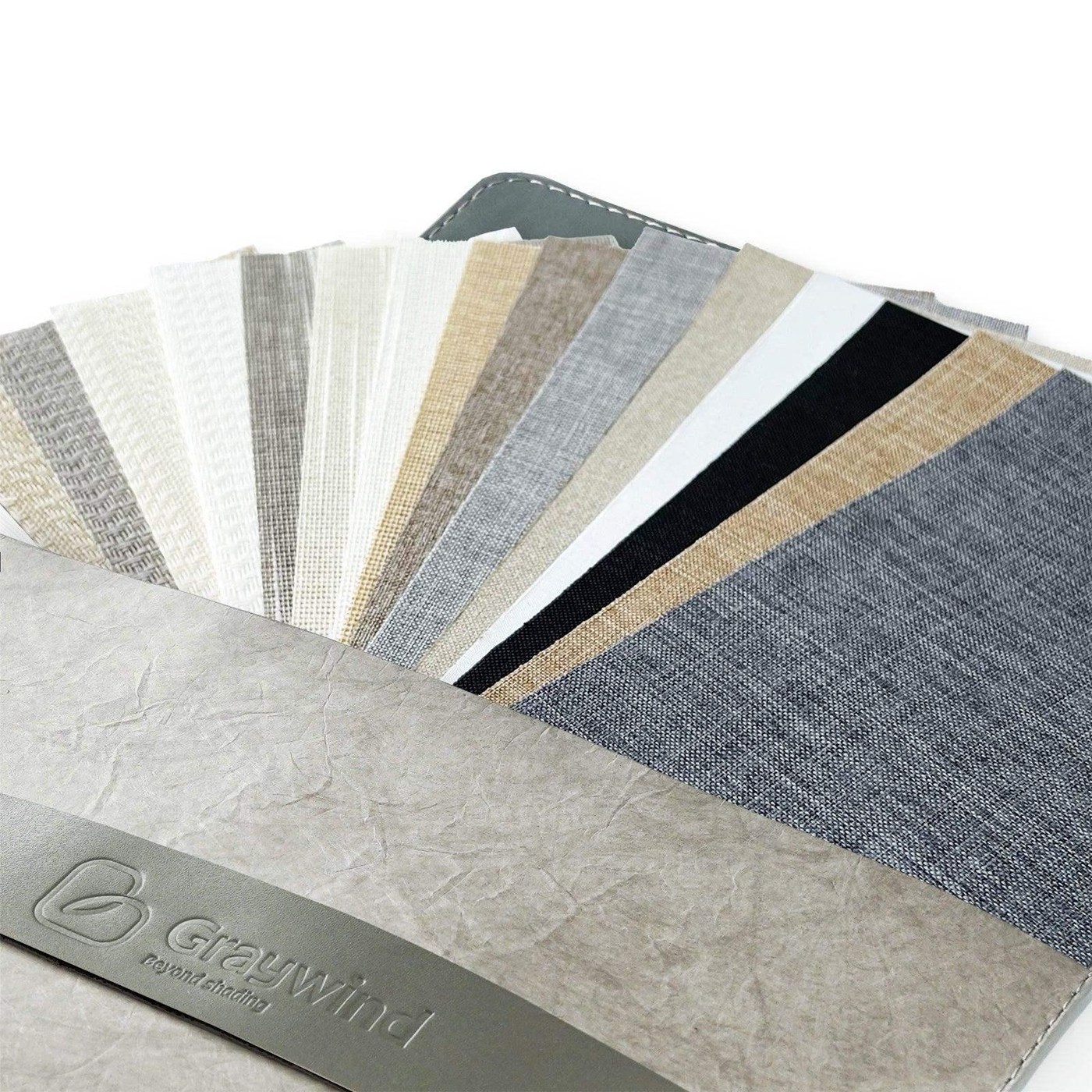
For a two-story living room, a light-filtering fabric may serve daytime softness while a separate blackout treatment handles evening privacy. Read the light-filtering shades guide and best fabrics for roller shades for material comparisons. World Wide Shades can supply swatches, but see them in the actual window with morning and afternoon light before finalizing a large-format order. Order swatches from World Wide Shades.
Split shades, coupled shades, and cassette limits
Once a shade exceeds the manufacturer's recommended width, a single fabric run is not the right answer. Options include:
- Split shades: two shades side by side on separate tubes, controlled together.
- Coupled shades: one long tube with a shared motor and matching fabrics.
- Cascade or stacked shades: paired for aesthetic reasons on a tall opening.
Split shades reduce individual weight, simplify replacement, and let each half track independently. They introduce a visible seam at the center; plan the gap and consider a matching valance to hide it. Coupled shades keep a single fabric look but require a stronger tube and precise fabrication. Cassette height increases with tube diameter; confirm that the cassette clears trim and any nearby fixture.
World Wide Shades can model both options in the builder so you can compare the appearance and the cost. Ask World Wide Shades to compare split and coupled options.
Controls that reach the shade safely
A tall window rules out most manual chain, bead, or crank controls. Motorization is standard, but the choice of control still matters:
- Handheld remote for daily use, with clear channel labeling.
- Wall control near the entry to the room for guests.
- Voice assistant integration for hands-free scenes.
- Smartphone app for schedules and remote checks.
Program a stop command that anyone in the room can access. Do not depend solely on voice control for a shade that could interfere with a chandelier, fireplace, or ceiling projector when partially raised. Use a physical wall control near primary seating. The multi-channel remote programming guide shows how to label channels for a home with several tall shades.
For a two-story foyer with several shades, plan scenes for morning light, afternoon glare, and evening privacy. Read the HomeKit roller shade scenes guide if the home uses Apple Home, or the motorized shades Alexa and Google Home guide for other ecosystems.
Installation logistics: safety before speed
A tall shade often requires scaffolding, an extension ladder, or a lift. Do not attempt a solo installation of a heavy shade above 8 feet. Two installers, a proper platform, and a plan for lifting the tube reduce the risk of dropping the shade, damaging fabric, or hitting nearby glass. Prepare:
- A stable platform rated for two people and the shade weight.
- Cordless drills with the correct bits for the wall material.
- Level, laser measure, and tape marked with the bracket line.
- A soft area to rest the fabric while brackets are set.
- A partner ready to catch the tube before final bracket engagement.
Inspect the shade before installation. If the fabric shows a diagonal crease, contact the fabricator before mounting. Once installed, a diagonal crease is much harder to correct.
Test the shade at least three full cycles from the remote before finishing trim, restoring lighting, or removing the platform. Confirm the roll clears the cassette, the hem bar is level, and the fabric does not drift. World Wide Shades can recommend a qualified installer for a tall shade or foyer configuration. Contact World Wide Shades for installer coordination.
Power, service access, and future maintenance
A tall motorized shade needs a service plan. Consider:
- Battery access: a rechargeable motor 12 feet above the floor must come down for charging unless the shade uses a wired charging channel or a hidden low-voltage supply.
- Hardwired transformers: choose a location that an electrician can reach without demolishing finishes.
- Fabric replacement: a wide fabric roll should be replaced by a professional installer, not a homeowner on a ladder.
- Motor replacement: keep the model number and rated capacity documented.
- Cleaning: use a soft brush or low-suction upholstery attachment; do not soak a tall shade in place.
If a shade suddenly stops halfway, do not repeatedly press down from the floor. Follow the diagnostic sequence in motorized shade stops halfway troubleshooting and call for service if the shade is over a stairwell or above furniture that would be difficult to move.
World Wide Shades can quote a maintenance plan alongside the fabric selection so a tall shade continues to work five and ten years after installation. Ask World Wide Shades about long-term service or call (844) 674-2716.
Budget factors for a tall motorized shade
A tall shade costs more than a standard shade for structural reasons: larger tube, heavier fabric, motor upsizing, brackets, and installation labor. Additional line items may include:
- Custom fabric width beyond a standard bolt.
- Fascia or cassette to hide the tube on a two-story opening.
- Hardwired low-voltage supply and transformer.
- Wall control and wiring.
- Split shade fabrication for very wide openings.
- Installer time on a lift or scaffold.
Use the custom roller shades cost guide to review the pricing factors, then request a project-specific quote. Compare the total installed cost, not the base motor price. World Wide Shades can prepare a proposal that separates fabric, hardware, motorization, control, and labor so you can adjust the plan without hidden trade-offs.
Final checklist before you order
For each tall window, confirm:
- Width and drop are measured at multiple points and recorded.
- Motor torque leaves 20 to 30 percent headroom above the actual load.
- Tube diameter is specified for the width and fabric weight.
- Brackets reach structural framing or approved blocking.
- Fabric weight, openness, and color have been reviewed in the room.
- Split or coupled configuration is decided before fabrication.
- Control plan includes remote, wall control, and voice option if desired.
- Power source (battery or hardwired) matches the service access.
- Installation plan includes two people and a proper platform.
- Warranty terms and service plan are documented.
A tall motorized shade is a long-term system. World Wide Shades can supply the shades, coordinate the fabric plan, and help you interview qualified installers. Configure your project with World Wide Shades, order swatches, or contact World Wide Shades for a room-by-room review. Call (844) 674-2716 to speak with a specialist about tall or oversized openings.
Frequently asked questions
Practical limits depend on the motor, tube, and fabric. Custom systems can reach 12 to 16 feet or more, but very tall shades often use split or coupled configurations for reliability. World Wide Shades can advise a maximum for your specific fabric and control choice.
Almost always no. Manual operation on a tall shade is unsafe, exhausting, and inconsistent. Motorization is the standard for tall openings. If a homeowner insists on manual operation, split shades with individually reachable controls may be considered, but they still add fatigue and safety risk.
Hardwired motors need a low-voltage supply, transformer, and safe routing. Battery motors avoid wiring but require accessible charging. A qualified electrician should complete any building wiring.
It depends on the room. Blackout fabric maximizes privacy and light control but is heavier and can strain a large-format shade. Solar fabric preserves views and reduces glare with a lighter weight. Some rooms benefit from dual shades or two coordinated treatments. World Wide Shades can help you choose after testing swatches in the actual window.
Tall shades cost more than standard shades because of larger tube, heavier fabric, motor upsizing, brackets, and installation labor. Request a project-specific quote.
A qualified installer with a proper lift or scaffold and a helper. Do not attempt a solo installation of a heavy shade above 8 feet.