When a motorized shade stops halfway, the symptom is clear but the cause is not. The motor may be obeying a saved upper or lower limit, protecting itself from excess resistance, losing power, or encountering fabric that is rubbing against a bracket or side channel. The safest response is to stop forcing the controls, inspect the opening, and troubleshoot in a controlled order.
World Wide Shades can help separate a programming issue from a mechanical one. Start a shade configuration with World Wide Shades, compare replacement fabrics, or contact World Wide Shades with the shade width, motor type, and stopping position. Call (844) 674-2716 if the shade is over a door, above stairs, hardwired, or showing heat or electrical damage.
First: stop repeated commands
Do not press down or up repeatedly when the shade has stopped. A motor may have a thermal or overload protection routine, and repeated commands can add heat without solving the resistance. Keep hands away from the roll, bottom bar, and side channels while the motor is energized. If you smell burning, see melted plastic, hear grinding, or notice a hot charger, disconnect power only as the product instructions allow and request service.
Look at the exact stopping position. A clean, repeatable stop at the same point suggests a saved limit or a consistent obstruction. A different stop each time suggests low battery, intermittent power, fabric drag, a loose bracket, or motor protection. Write down whether the shade stops while raising, lowering, or both. Ask World Wide Shades to review the symptoms before changing settings on a complicated installation.
The six most common causes
A motor stores an upper and lower endpoint. If the lower limit was accidentally saved halfway up, the shade may stop there every time even though the motor is healthy. This often happens after a reset, a remote-programming session, or a limit change made while the installer was testing.
Use the shade’s approved limit procedure to check the endpoints. The sequence differs by motor, so do not hold random buttons until the shade jogs. A limit change can affect every remote or group that controls the motor. The how-to-program a multi-channel shade remote guide explains why channel pairing and limits should be handled separately.
Rechargeable motors can still respond to a remote when the battery is too low to complete a full cycle. The shade may move slowly, stop under load, or stop halfway and recover after charging. Charge with the approved adapter and allow the full recommended charge time; do not substitute a phone charger unless the motor documentation explicitly allows it.
Battery life varies with width, fabric weight, temperature, cycles, and motor model. A large 96-inch shade used four times a day puts a different load on a battery than a 30-inch bedroom shade used once. World Wide Shades can help you plan charging access and service intervals. Contact World Wide Shades for motor and battery guidance.
Inspect both fabric edges as the shade moves. If the roll shifts toward one bracket, the fabric may telescope and rub against the end cap. A hem bar can also catch a sill, handle, lock, or side channel. Do not pull the fabric sideways while the motor runs. Stop and read roller shade fabric telescoping causes and fixes for a detailed explanation of uneven rolling.
A shade that is not level can create increasing resistance as it lowers. Check the headrail, bracket seating, and side channels visually, but do not remove a wide or heavy shade alone. A small mounting correction may solve the symptom; trimming fabric or bending a bracket usually creates a larger problem.
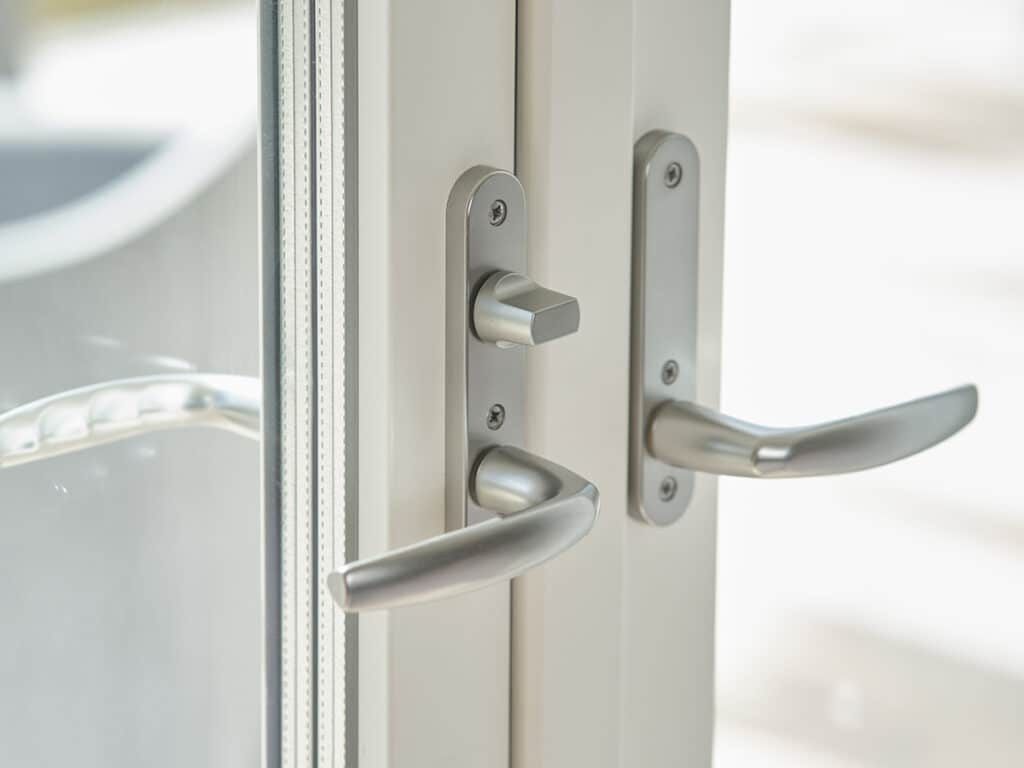
Furniture, window cranks, door handles, insect screens, plants, and a projecting sill can stop the shade at a repeatable point. Move the obstruction only if it can be done safely, then test one cycle. For doors, operate the panel through its full path and check the handle in both closed and sliding positions. Review roller shades for French doors when a shade covers an active door.
If a side channel is too tight or debris has entered the guide, do not spray lubricant into the shade. Clean only as directed for the product. World Wide Shades can recommend a clearance adjustment, split shade, or different mounting position. Send photos to World Wide Shades before drilling new holes.
A heavy blackout fabric, extra-wide tube, tight cassette, or stiff side channel can push the motor beyond its rated load. The motor may stop, pause, or require a cool-down period. An oversized shade should be reviewed against the motor’s width and weight limits, not just its measured opening.
Do not increase force settings as a shortcut. Higher force can damage fabric, brackets, or the object causing the resistance. A split configuration, larger tube, lighter fabric, or revised guide may be the correct fix. Ask World Wide Shades to evaluate an oversized opening.
A hardwired shade can stop if its supply, low-voltage transformer, or connection is intermittent. A battery shade can stop if the battery connector is loose. A remote may also be sending a stop command through a stuck button or group scene. Test the shade from its local control, then from the remote or app, but change one variable at a time.
If other shades on the same circuit stop too, the problem may be upstream. If only one shade stops, inspect that motor’s power and mechanical conditions. Keep the wiring accessible and have electrical work performed by a qualified professional. World Wide Shades can help identify the likely control path.
A safe diagnostic sequence
- Note the direction, position, sound, and repeatability of the stop.
- Check for visible furniture, handles, sill contact, side-channel debris, or fabric drift.
- Confirm the motor battery or power indicator and charge with the approved equipment.
- Test a single shade with its local control, not an all-shades group.
- Run one complete cycle without touching the fabric.
- Compare the stop location with the saved upper and lower limits.
- Stop if the motor strains, overheats, grinds, or repeatedly stalls.
This sequence prevents a programming reset from masking a mechanical obstruction. Photograph the roll at the top, the stopping point, and both fabric edges. Those three images often reveal whether the cloth is centered. World Wide Shades can use the information to recommend a next step. Request a troubleshooting review.
When a reset is appropriate
A reset may help when the motor’s pairing memory is corrupted, a remote is unresponsive after a documented power event, or the installation instructions specifically call for it. It is not a first-line cure for rubbing fabric, an incorrect bracket, or a blocked sill. A factory reset may erase the remote, channel assignments, limits, and smart-home connection.
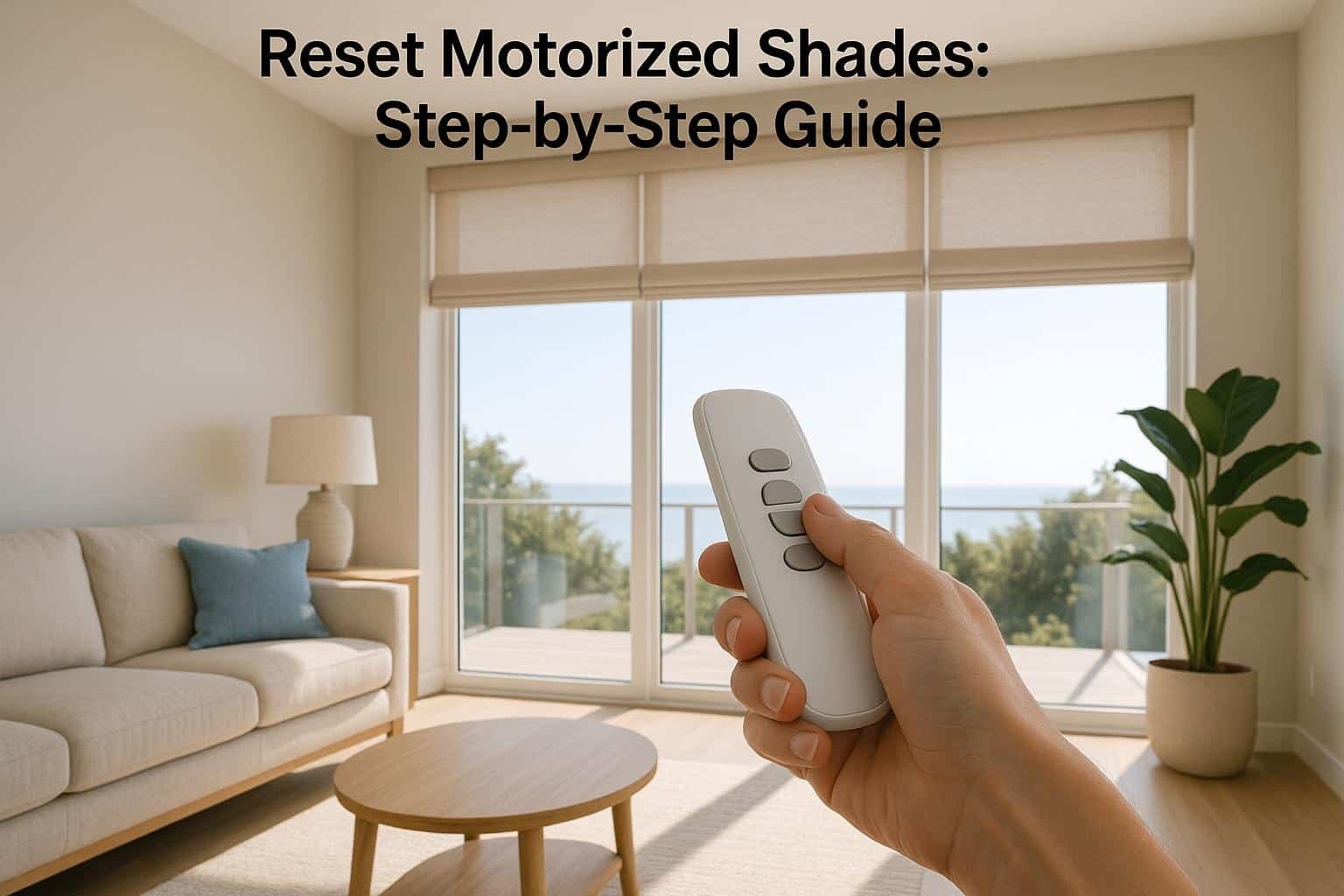
Before resetting, record the current channel, motor response, upper limit, lower limit, and remote model. Take a photo of the motor label if it is accessible. Then follow the exact reset and reprogramming sequence for that motor family. The smart-home motorized shade setup guide explains why local control should be restored before reconnecting an app.
Prevention after the fix
Operate a repaired shade through at least three complete cycles while watching both edges. Confirm the fabric remains centered, the bottom bar clears the sill, and the motor does not slow dramatically near the previous stopping point. Label the charger and remote, keep the motor manual, and note the date of the repair.
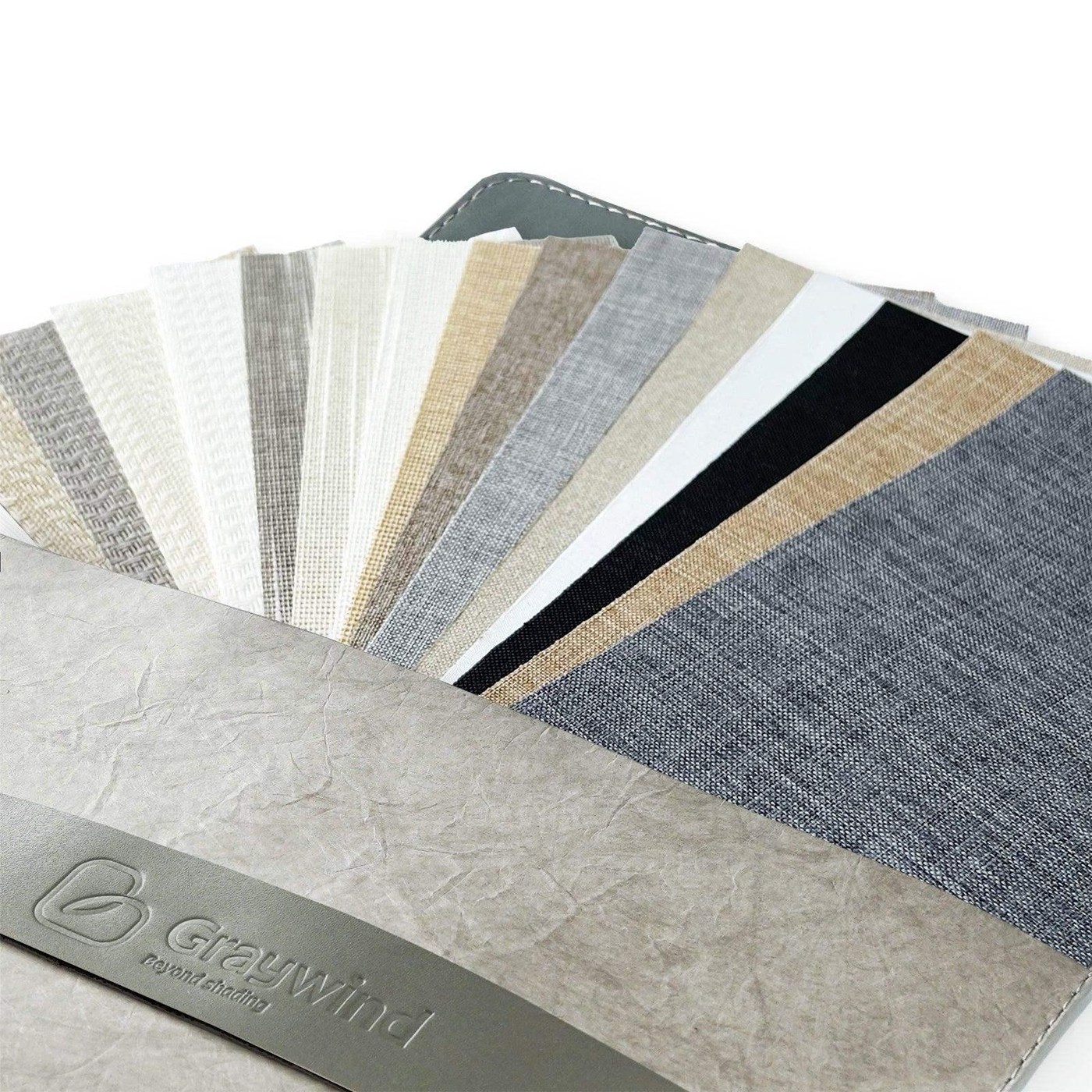
Dust can increase friction, but do not soak the roll or apply household oil. For light-filtering, solar, or blackout fabric, use the care method appropriate to the material. The best fabrics for roller shades guide helps match performance to room conditions. World Wide Shades can recommend a more forgiving fabric or mounting plan when a window has unusual hardware. Order swatches from World Wide Shades.
If the shade is being replaced, compare the full installed cost—not just the motor. A new tube, cassette, wiring change, split configuration, and installation may matter more than a small component price. Use how much custom roller shades cost as a planning reference, then request a project-specific estimate. Call (844) 674-2716 for help deciding between service and replacement.
Frequently asked questions
A repeatable stop commonly indicates a saved limit or a consistent obstruction such as a handle, sill, side channel, or furniture. Check the opening without forcing the fabric, then compare the position with the motor’s limit settings. World Wide Shades can help identify the correct manufacturer-specific procedure.
Yes. A low battery can provide enough power for a short movement but not a full cycle, especially with a wide or heavy shade. Charge with the approved adapter and retest after the recommended charge period. If the shade still stalls, inspect for rubbing or an overload.
Not before checking for an obstruction, fabric drift, low battery, or mechanical drag. A factory reset may erase limits and remote assignments while leaving the physical problem unchanged. Record the current settings and follow the motor documentation if a reset is required.
Lowering may expose a sill, lock, handle, side-channel, or floor obstruction that is not encountered while raising. The lower limit may also be set incorrectly. Watch the hem bar and both fabric edges during one slow test cycle, then stop if the motor strains.
Request service when the motor grinds, overheats, smells burnt, stops at changing positions, pulls the fabric to one side, or repeatedly stalls after charging. Do not open an electrical motor or alter force settings without the approved procedure. Contact World Wide Shades with photos and the motor model.
Sometimes, but the fabric weight, tube, cassette, brackets, and limits must all be compatible. If the original system was overloaded or the fabric is rubbing, a motor-only replacement may repeat the failure. World Wide Shades can evaluate whether service, a split shade, or a complete replacement is the safer value.