Coastal style needs more than a blue-and-white palette
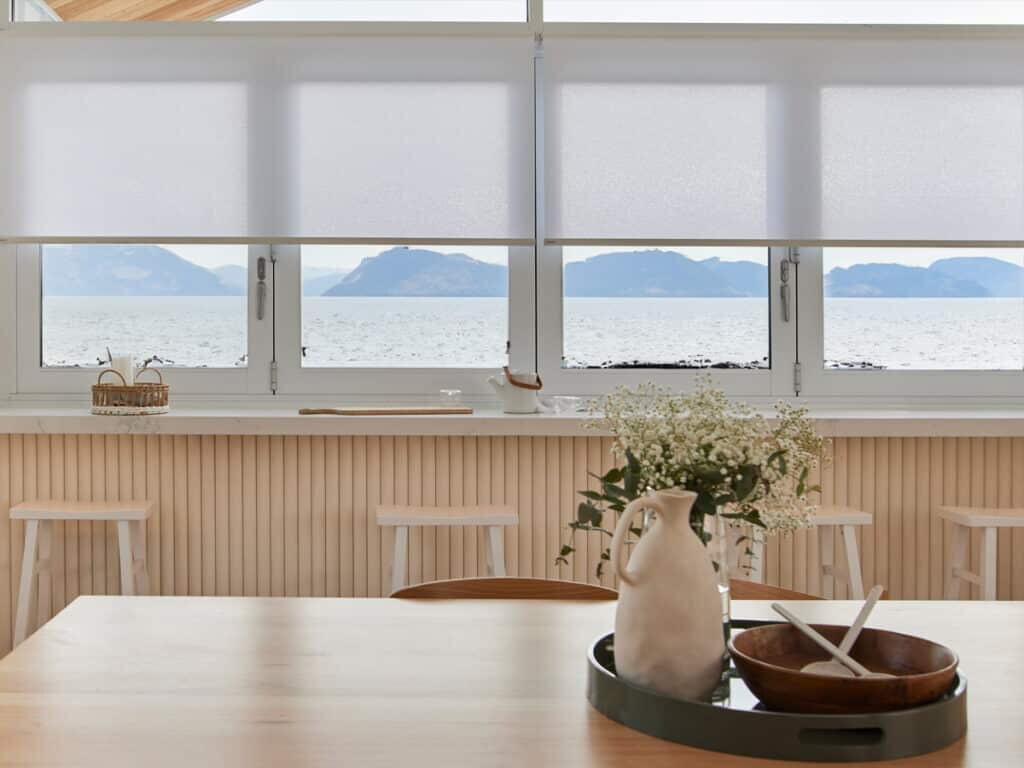
A coastal home gets beautiful light, but the same light can create screen glare, hot glass, and fading on floors, rugs, art, and upholstery. Coastal roller shades should feel relaxed and airy while doing real work against sun and salt air. The strongest specification combines a washable or tightly woven fabric, the right openness, corrosion-conscious hardware, and an operating routine that matches the window’s exposure.
World Wide Shades can help you build that balance. Start with the World Wide Shades shade builder to compare solar screen, light-filtering, blackout, and motorized options by window.
A shade is not hurricane protection, a substitute for impact glass, or a guarantee that furniture will never fade. It is a way to manage light entering through the glass. The UV protection window shades guide explains why fabric, glazing, exposure time, and closed-shade habits all matter.
Use openness to manage glare and preserve the view
Solar screen fabrics are commonly described by openness. A 1% fabric has a tighter screen and generally gives stronger glare control with a darker view. A 3% fabric is a versatile starting point for many living rooms. A 5% fabric gives more daylight and view while still reducing some direct brightness. A 10% screen can feel open and airy but may be too bright for a west-facing television or office.
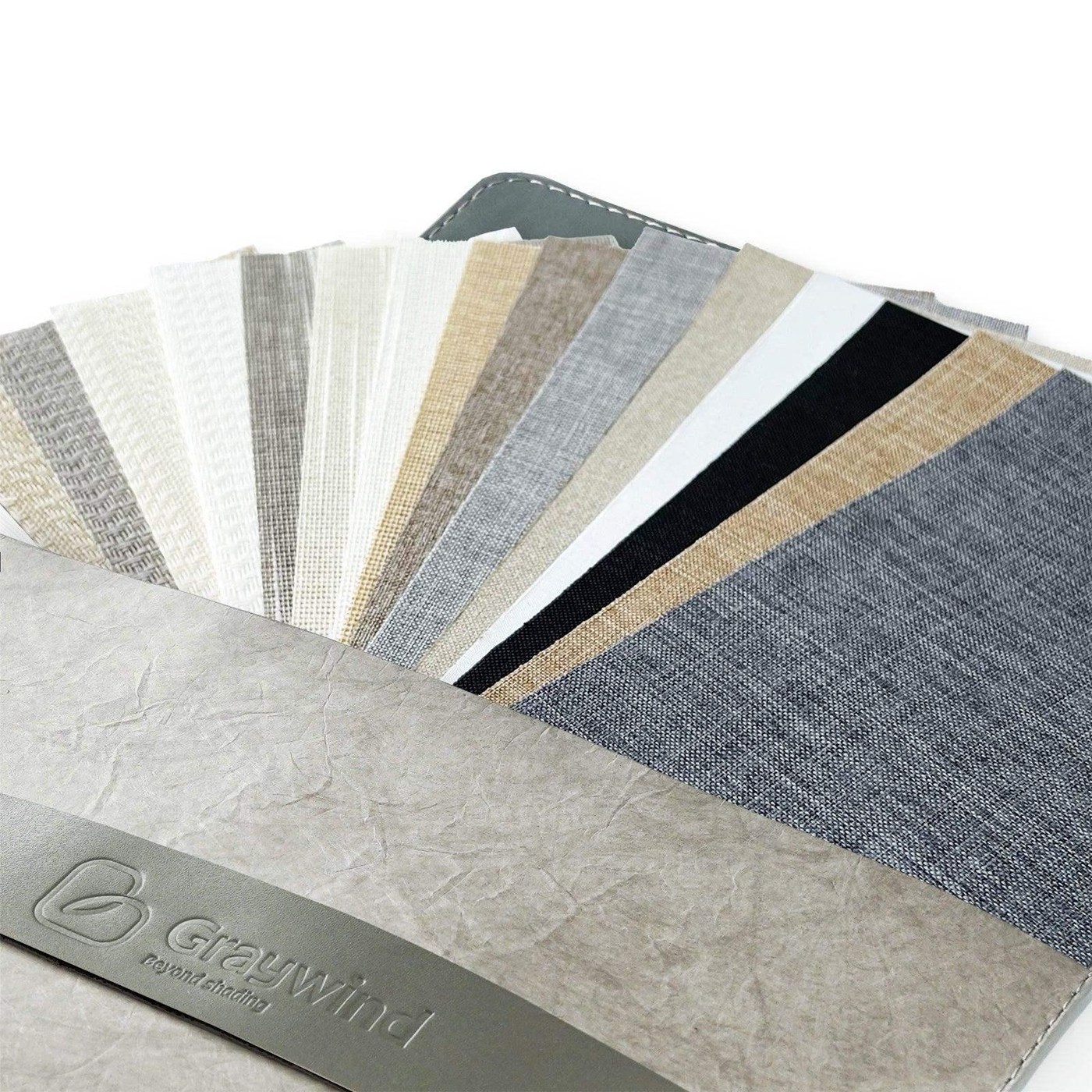
Test the fabric at the window, not only under showroom lighting. A 3% gray screen may preserve a blue-water view while cutting reflected brightness, whereas a white screen can keep the room brighter but may produce more visual glow. World Wide Shades swatches let you compare the weave, reverse side, and view. Order coastal shade swatches before deciding.
Screen shades are not private after dark when lights are on inside. For bedrooms, bathrooms, and street-facing rooms, use light-filtering or blackout fabric, add curtains, or specify dual rollers. World Wide Shades can coordinate a screen daytime layer with an opaque nighttime layer so you do not sacrifice the view 24 hours a day.
Protect coastal interiors from fading
Sun damage accumulates. A rug or painted cabinet may look unchanged for months, then show a sharp difference when a picture or plant is moved. Close shades during the strongest direct-sun window, especially on south- and west-facing glass. The best shades for south-facing windows offers a useful orientation-based framework.
UV reduction is not the same as total UV elimination. Glass, film, screen openness, lining, and the time the shade stays down all change exposure. Use a shade to reduce direct rays on textiles and artwork, and rotate furnishings when possible. A pale, light-filtering shade may reduce visual brightness but still transmit more solar energy than a tighter screen or lined blackout fabric.
For a beach home with large sliders, divide the treatment by panel or architectural break. A single oversized shade can be heavy, difficult to operate, and less practical to service. Motorized shades make it easier to close several openings before afternoon sun arrives. Ask World Wide Shades for a sun-control plan and include compass direction, glass width, and the furnishings you want to protect.
Choose materials for salt, sand, and humidity
Coastal rooms reward simple, cleanable surfaces. Tightly woven polyester or polyester-blend roller fabrics resist everyday dust and can usually be maintained with a soft brush or dry cloth. Loose natural weaves can be beautiful, but they may hold sand and respond less predictably to humidity. Use the best fabrics for roller shades guide to compare the look and upkeep of common constructions.
Keep fabric away from splash zones. In a bathroom or kitchen near the water, select a moisture-tolerant textile and ventilate after showers or cooking. A shade should not stay damp against the sill. Wipe salt residue from the headrail and brackets with a barely damp cloth, then dry the hardware; do not soak the roller tube or spray cleaner onto the fabric.
Hardware deserves attention near the coast. Choose corrosion-resistant finishes where available, avoid abrasive salt buildup, and inspect fasteners at least twice a year. If a window faces blowing rain, specify an exterior product only when it is designed for outdoor use. Interior roller shades are not automatically suitable for a covered porch. For patios and screened rooms, see the outdoor roller shades guide.
Keep the coastal look calm and tailored
Coastal roller shades do not need nautical motifs. Warm white, sand, flax, pale gray, driftwood, muted blue, and sea-glass green can relate to the view without turning the room into a theme. A matte cassette disappears more easily than a shiny metal tube, while a subtle woven texture adds interest to white walls.
For a modern coastal home, use a flat, low-contrast screen shade with a slim cassette. For a relaxed cottage, use a linen-look light-filtering shade and simple side panels. For a historic shore house, coordinate the shade with casing and choose a tailored valance only if the architecture calls for more top weight. The woven wood shades guide can help if you want stronger natural texture, but confirm how the weave handles moisture and privacy.
Outside mount is useful when you need to cover trim and reduce side light. Inside mount keeps the window casing visible and works well when the frame is deep enough. For blackout, plan side overlap and a hembar that stays level; a 2–3-inch overlap on each side is a common starting point, subject to the opening and hardware.
Automate daily sun control
A shade is most useful when it is closed before glare and heat peak. Motorized shades can open with morning light and close on a schedule that follows the season. Add a sun sensor or smart-home routine only after choosing a safe and reliable control system; an automated shade that runs at the wrong time can block the view or expose furniture unnecessarily.
Motorization is practical for tall windows, wide sliders, and vacation homes that sit empty for weeks. It also avoids chains near children and pets. Battery-powered motors can reduce wiring during a retrofit, while hardwired power may make sense during new construction. The smart-home motorized shades setup guide covers planning considerations.
World Wide Shades can coordinate motors across rooms and set limits so shades stop at the correct sill or mullion. Build a motorized coastal shade package, or call (844) 674-2716 to discuss power, control, and salt-air conditions.
A coastal specification example
For a 72-by-60-inch west-facing living-room window, start with a 1% or 3% screen fabric in a soft gray, outside mount if trim allows, and motorization for afternoon scheduling. For a 36-by-48-inch bedroom window, use a light-filtering or blackout roller with enough overlap for privacy. For a 120-inch slider, use two or three coordinated shades rather than one oversized roll.
Those are planning examples, not promises of a specific temperature or fading result. World Wide Shades will adjust fabric, openness, roll direction, cassette, and control based on the glass and room. Contact World Wide Shades for a measured recommendation.
FAQ: coastal roller shades
Solar screen shades are strong choices for daytime glare and views, while light-filtering or blackout rollers provide better nighttime privacy. Use tightly woven, cleanable fabrics and hardware suited to the home’s humidity and salt exposure.
Try 1%, 3%, and 5% screen samples. Lower openness generally gives stronger glare control; higher openness preserves more view and daylight. Orientation, glass, and the room’s use should determine the final choice.
No shade can promise complete prevention. Closing the shade during direct sun can reduce exposure, but fading also depends on glass, UV transmission, fabric, exposure time, and the material’s own lightfastness.
Not reliably when indoor lights are on. Add curtains, use an opaque roller, or choose a dual-shade system for bedrooms and street-facing rooms.
Many interior roller shades can work in coastal homes with regular dusting and gentle hardware cleaning, but salt and moisture require maintenance. Exterior shades should be specifically rated for outdoor conditions.
Motorization is helpful for high, wide, or hard-to-reach windows and for vacation homes where a schedule can close shades before peak sun. Talk with World Wide Shades or call (844) 674-2716 to plan the right power and control option.