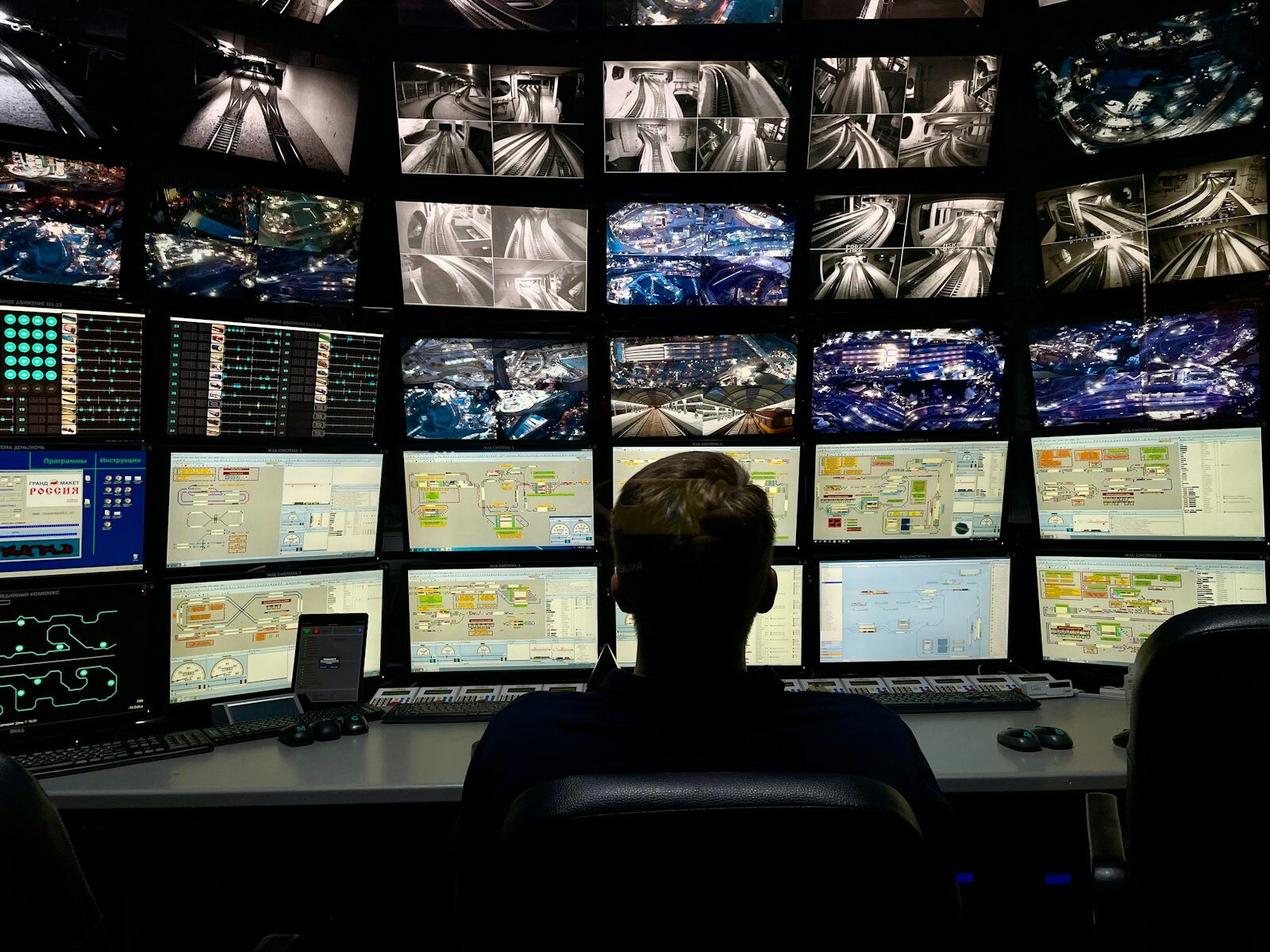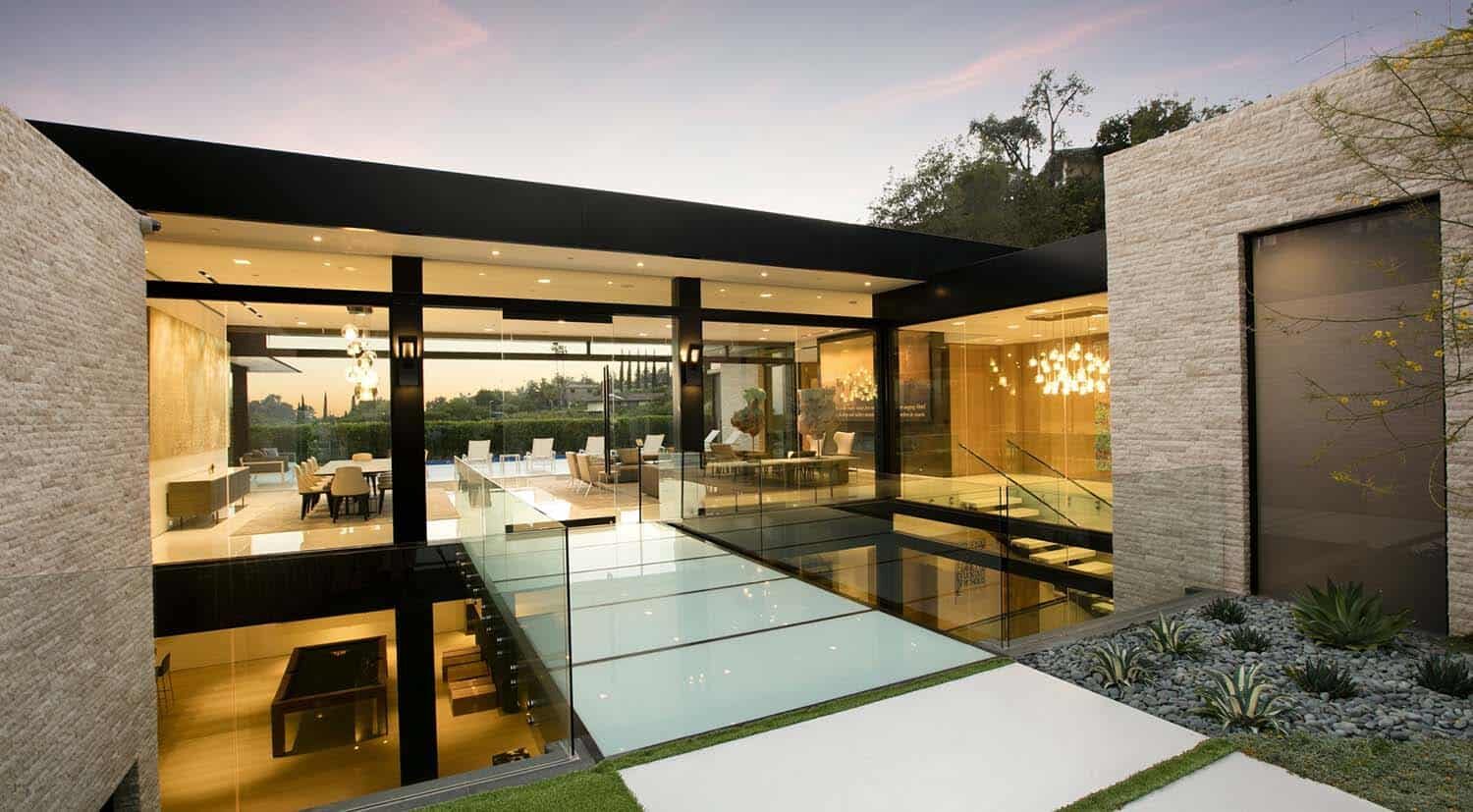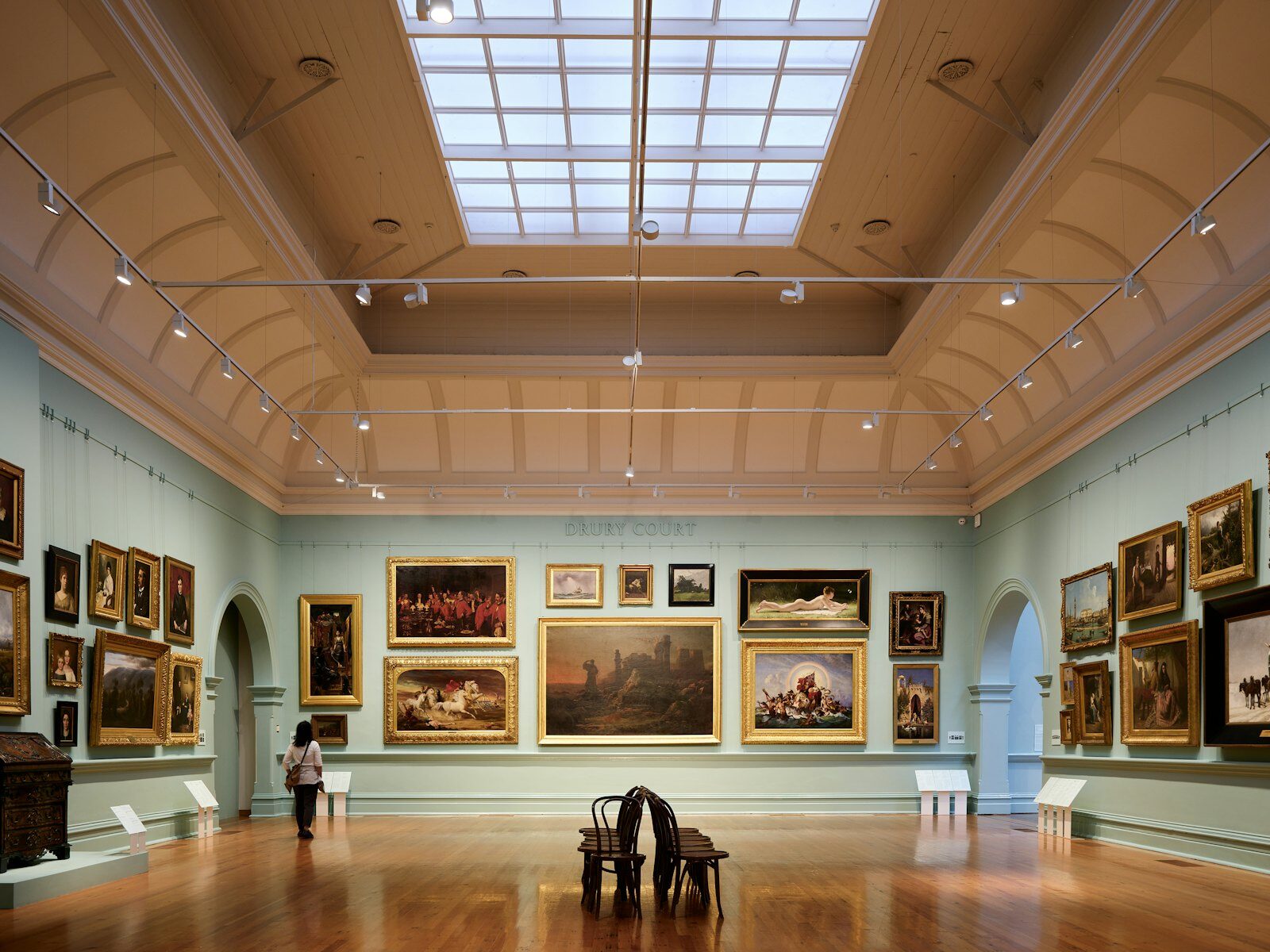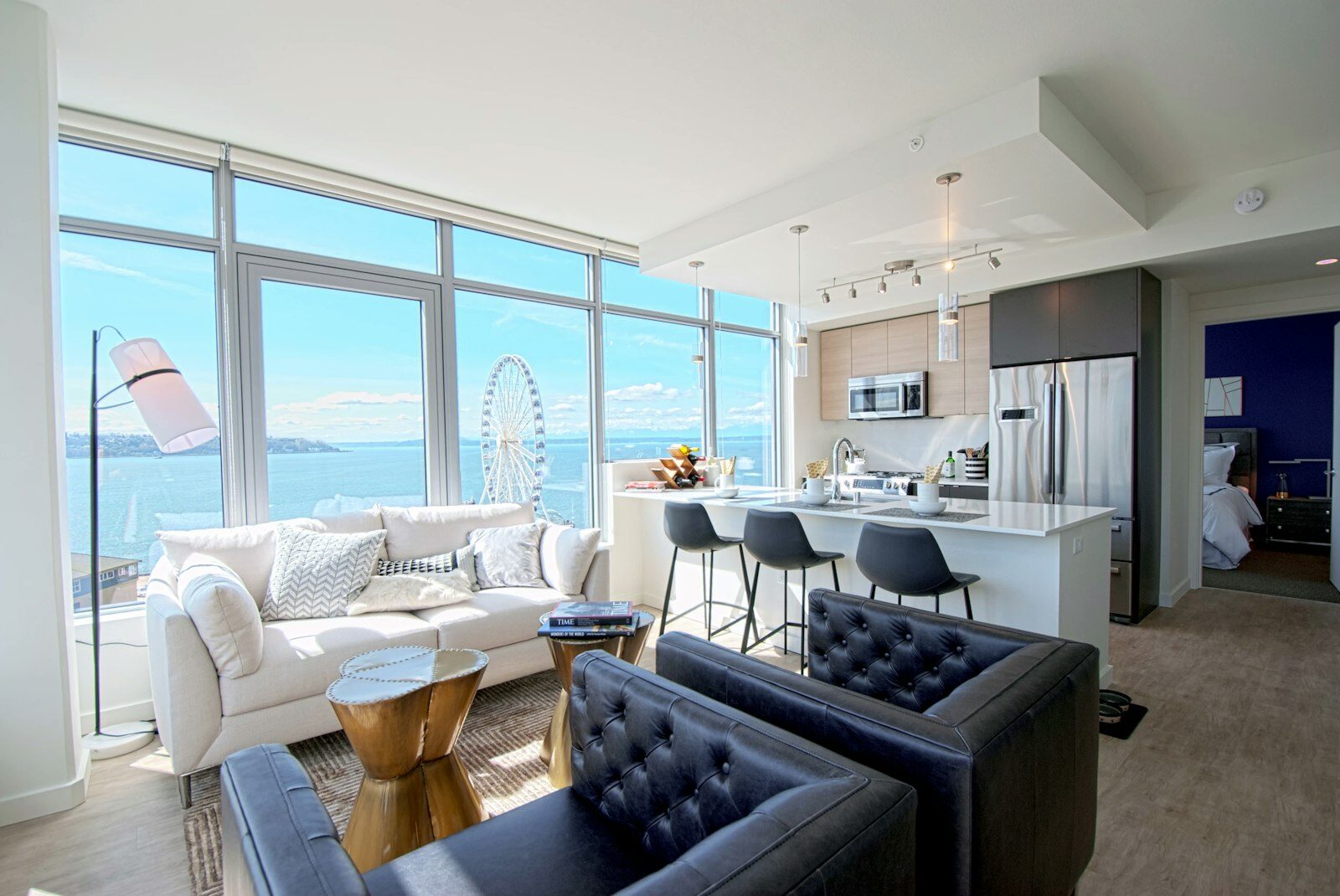
When you shop for custom shades for Seattle waterfront condos, start with the window you use most. A solar screen is a good starting point if you want to soften glare at the sofa without losing the daytime water view. Choose a more diffusing light-filtering fabric if you want daylight but would rather soften what you see outside. If privacy after dark is the deciding factor, consider blackout instead of asking one screen to do everything.
You don't have to put the same fabric on every pane. Start with the biggest annoyance in each room, then look for colors and finishes that work together and meet your building's rules. Browse World Wide Shades fabrics to compare actual fabric close-ups and the mill's published openness factors before narrowing your list.
Solar screen vs. light-filtering fabric
A solar screen is a type of light-filtering fabric with an open mesh. It can take the edge off a bright outdoor view while leaving enough detail to see the shoreline or watch boats pass. The U.S. Department of Energy's architectural design guide recommends fine mesh roll screens as one way to reduce glare and illumination while keeping a connection to the view.
A more diffusing light-filtering fabric is the better starting point if you want the window to glow rather than act as a picture frame. Think of a dining nook facing another building: you might want daylight at the table without a clear view of the windows opposite. Light filtering is not blackout, however, and some fabrics can reveal silhouettes after dark.
The simplest way to compare is to ask what you want to see when the shade is down. If the answer is the water, compare solar screens. If it's just daylight, compare more diffusing weaves. For more on that second option, read the light-filtering shades guide and explore light-filtering roller shades from World Wide Shades.
What the mill's openness factor tells you
Openness factor describes how much of a woven fabric's area is open. Within a comparable screen family, a lower figure generally means less view-through, while a higher figure generally gives you a clearer view. If the same family offers 1%, 3%, and 5%, compare the tighter option for the pane that bothers you most and the more open weave for a pane where the view takes priority. Those numbers are starting points, not prescriptions.
Do not read 3% openness as 3% visible light transmission or as 97% glare reduction. Fabric color and construction influence how a fabric looks in use, and the condo glass is part of the result. The DOE's fenestration glossary distinguishes visible transmittance, which describes how much visible light passes through glazing, from the solar heat gain coefficient, which describes how much solar energy the glazing admits as heat.
World Wide Shades offers 500+ colors across 40+ blackout and light-filtering fabric families from Phifer, Mermet, Ferrari, Copaco, Senbesta, and Texstyle. Compare fabrics by family, using each mill's published openness factor and the genuine fabric close-up together. If two options share the same openness, don't assume the water will look the same through both. The roller shade fabric guide explains what else to compare.
Choose by room and view, not just compass direction
Water can send a bright reflection into the room even when the sun itself isn't in your line of sight. A nearby glass facade can create a similar problem. Before choosing a fabric, sit where you normally read, work, or watch TV and notice which pane puts the bright patch in your field of view or reflects it onto your screen. Repeat at the time of day you actually use that seat.
For the main view window, start with a solar screen and decide how much outdoor detail you're willing to give up for less glare. An east-facing pane may be the one you notice at breakfast; a west-facing pane may bother you later in the day. On a corner window wall, the pane opposite the TV may need a different fabric than the one next to it. The guides to living room roller shades and south-facing windows can help you think through those tradeoffs.
For a desk, test the view from your chair, not from the middle of the room. If bright water shows up in video calls or in your monitor, consider a tighter screen or a diffusing fabric on that opening while leaving the neighboring view window more open. In a bedroom facing nearby residences, prioritize privacy and darkness over how much water you can see through the shade. Use the bedroom shade guide to compare options, or shop blackout roller shades if you already know when you'll want the room dark.
Plan for privacy after dark
A solar screen can make it harder to see in when outdoors is considerably brighter than the room. Turn on the lamps after dusk and the balance changes: someone outside may see movement, furnishings, or silhouettes through the same screen. A more diffusing fabric may blur those details, but it isn't a dependable substitute for an opaque fabric where privacy matters.
Think about where someone could actually be looking from, whether that's an opposing balcony, a neighboring tower, or a walkway. A daytime screen might be enough for a living room without a direct sightline, while a bedroom may warrant blackout. If you want both a view by day and more coverage at night in the same opening, consider separate layers only if your mounting space and building rules allow them. For help evaluating that setup, contact World Wide Shades or call (844) 674-2716.
Decide where custom fit and motorization add value
In a glass wall with several sections, fitting shades to separate openings lets you lower the one over the desk without covering the whole view. Custom fit also lets you work around trim, door handles, and differences between openings. It doesn't eliminate every gap around a roller shade, so think about those edges if privacy is important. Check your condo's glazing and any building rules on mounting or street-facing finishes before ordering. The DOE architectural design guide notes that interior shading helps manage glare, but exterior shading is more effective for controlling solar heat gain.
With World Wide Shades, battery motors don't need wiring. Automate is the default; Somfy is only for owners who already have a Somfy remote. A remote is required, and the Push 5 can control up to five shades. For app control, voice commands, or schedules, Pulse 2 works with Automate only. Explore motorized shades and read the smart-home setup guide if daily adjustments or hard-to-reach panes are driving the purchase.
To get the most value, compare the same set of openings in the builder before adding motors everywhere. You might motorize the tall living room shades you adjust every afternoon and use manual control on an easy-to-reach shade you rarely move. World Wide Shades hand-makes every shade to order in the USA and offers free U.S. shipping. Delivery is typically 2–4 weeks from order, with limited-stock and specialty orders taking 3–4 weeks.
Consider a window wall with three panes: two see open water, and one faces a neighboring balcony. A matching set of screens may look tidy but still leave the third pane exposed when you turn on the lights. If finishes can be coordinated, a separate, more private shade on that pane may do more for how you use the room than upgrading the controls on all three. Use the guide to custom roller shade costs to compare what goes into each configuration, then price the ones you'd actually use.
Frequently asked questions
All else being equal within a comparable screen family, start closer to 5% when the daytime view matters most and closer to 1% when reducing direct glare matters more. Compare the mill's figures and color options, then think about where you sit and which direction the brightest light comes from.
Not necessarily. A solar screen is designed to filter light rather than block it entirely, and the room may still feel bright if other panes are uncovered. If darkness is a priority for sleep or a media room, choose a blackout fabric and consider light around the shade edges as well.
Often, yes. Look for a similar color or a coordinated exterior-facing finish across rooms, then choose each fabric for what the room needs. Confirm any uniform appearance requirements with your building before you settle on a combination.
Use motors where reaching a shade is difficult or where you tend to move several shades at once. Manual control may be enough for a single shade beside an accessible window. For each opening, ask how often you'll actually move the shade, not just whether you could automate it.
World Wide Shades custom orders are nonreturnable. The company offers one free recut for a measuring error, with shipping paid by the customer. Defects are remade free within 30 days, and motor defects are covered for one year.
Ready to Order?
- Measure each opening: Use the measuring guide after confirming what mount your window and building allow.
- Choose the fabric: Shortlist a solar screen where you want a view, a diffusing light-filtering fabric where you want a softer glow, or blackout where you want night privacy.
- Pick the control: Choose manual operation or battery motorization based on access and how often you adjust that shade.
- Review the live price: Enter your dimensions and choices in the World Wide Shades builder, then compare any alternatives on the same opening.
- Place the order: Review your selections and submit. If a fabric or control decision is holding you up, contact World Wide Shades or call (844) 674-2716 before you order.