A motorized shade that hums but does not move is giving you a useful warning. The motor is receiving at least some command, but the roller may be unable to overcome a depleted battery, a binding fabric edge, a lost limit, a control mismatch, or a mechanical failure. Humming is not a reason to keep pressing the button. Repeated stalled commands can heat the motor and turn a simple diagnosis into an expensive replacement.
World Wide Shades helps homeowners separate a power symptom from an installation or shade-sizing problem. Use the World Wide Shades builder to compare motorized configurations, order World Wide Shades swatches before changing fabric, or contact World Wide Shades with the shade width, fabric type, motor brand, and sound description. Call (844) 674-2716 if the shade is above a stair, behind a fixed cabinet, or connected to hardwired power.
What a humming sound can mean
The sound itself is only half the diagnosis. A brief, quiet hum followed by no movement often points to low battery, a motor that is awake but not receiving enough current, or a mechanical load. A louder buzz with vibration can indicate a jammed tube, damaged gear, or a motor that has reached a protection state. A repeating click or chirp may be a control or pairing signal rather than a motor failure.
Listen from a safe distance and note the duration. Does the shade move a fraction of an inch? Does the hum occur only going down? Does the sound stop after 5 seconds? Does the neighboring shade respond normally? Those observations help World Wide Shades recommend the right test instead of treating every sound as a bad motor. Send a short recording through the contact page.
First checks that do not require disassembly
Stop commanding the shade and wait 5 to 10 minutes. Motors can pause after repeated attempts to protect their windings. Remove obstacles from the bottom rail and fabric path while the shade is stationary. Do not pull the fabric, twist the tube, or rotate the bottom rail by hand.
For a rechargeable motor, connect the approved charger and confirm its indicator. A motor may hum when the battery has enough charge to wake the electronics but not enough capacity to lift a wide blackout shade. For a replaceable battery tube, use the specified battery type and observe polarity. Do not mix old and new batteries or substitute an unapproved power pack.
Hardwired shades deserve extra caution. Do not open a junction box or reach into a headrail with live wiring. A qualified electrician can verify the approved supply, while World Wide Shades can help check whether the motor and shade are correctly matched. Contact World Wide Shades for a coordinated evaluation.
If the shade has a wall switch, remote, and app, test the simplest local control first. A remote that moves the shade rules out some power and mechanical issues; an app that fails while the remote works points toward the hub or network. Replace remote batteries if the indicator is dim, but do not erase all pairings until you know the system’s recovery process.
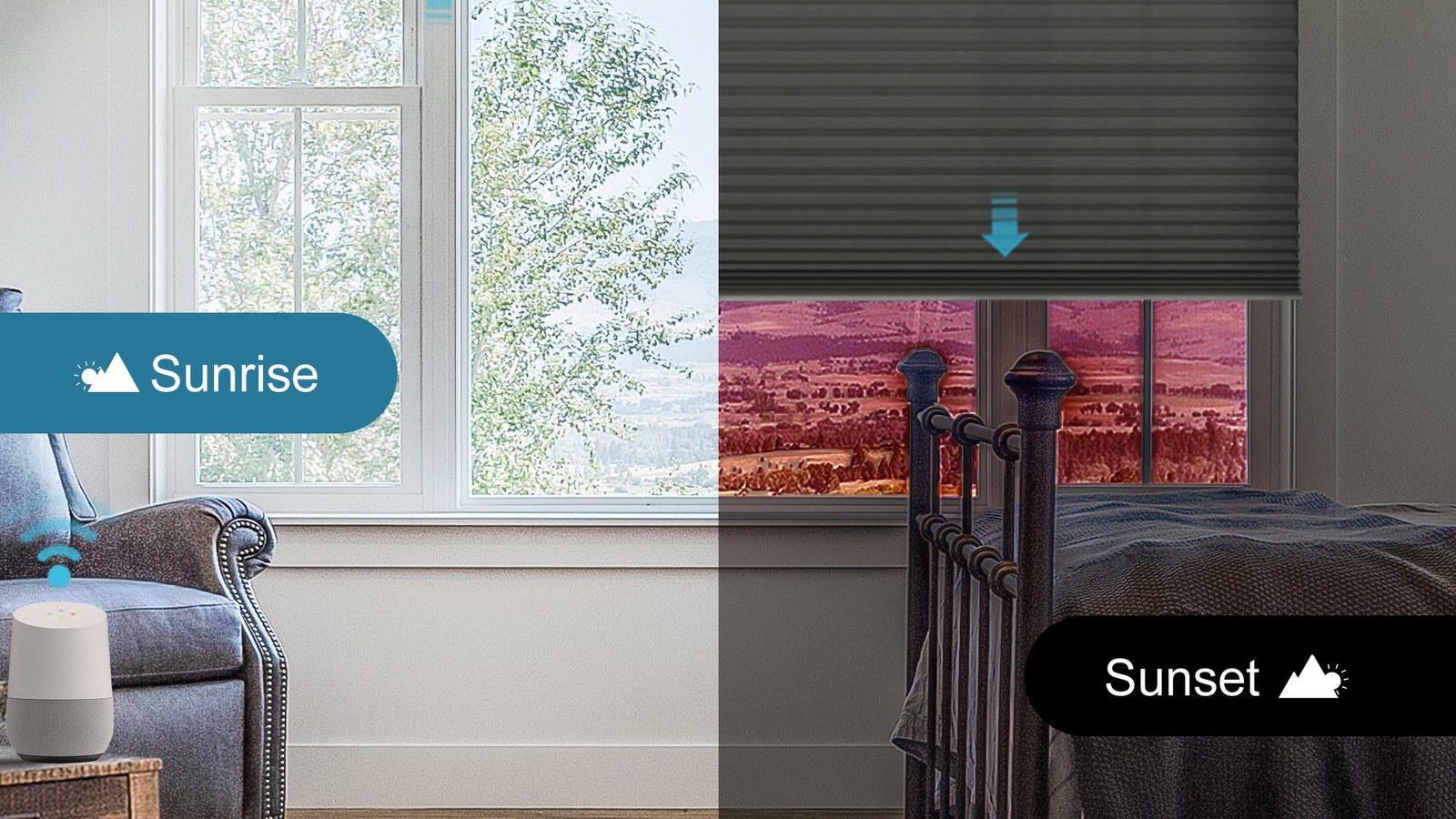
If a voice assistant is involved, use the physical control for the diagnosis. Voice commands can be delayed, duplicated, or routed to the wrong shade name. See motorized shades Alexa Google Home for naming and routine planning, and smart home motorized shades setup for hub architecture.
Mechanical causes of a humming shade
Look at the left and right edges while the shade is stationary. A fabric roll that has telescoped toward one side can press against the bracket or cassette. Blackout fabric with a stiff liner is particularly unforgiving when a roller is not level. A side channel, handle, window latch, or trim return can also press against the bottom rail.
For a 60-inch-wide shade, a small difference in bracket height can grow into a visible diagonal after several turns. Measure the top of both brackets from the same horizontal reference, not from a sloping sill. If the headrail is crooked, correcting the support may be safer than replacing the motor. World Wide Shades can review photos before you remove anything. Request a fit review.
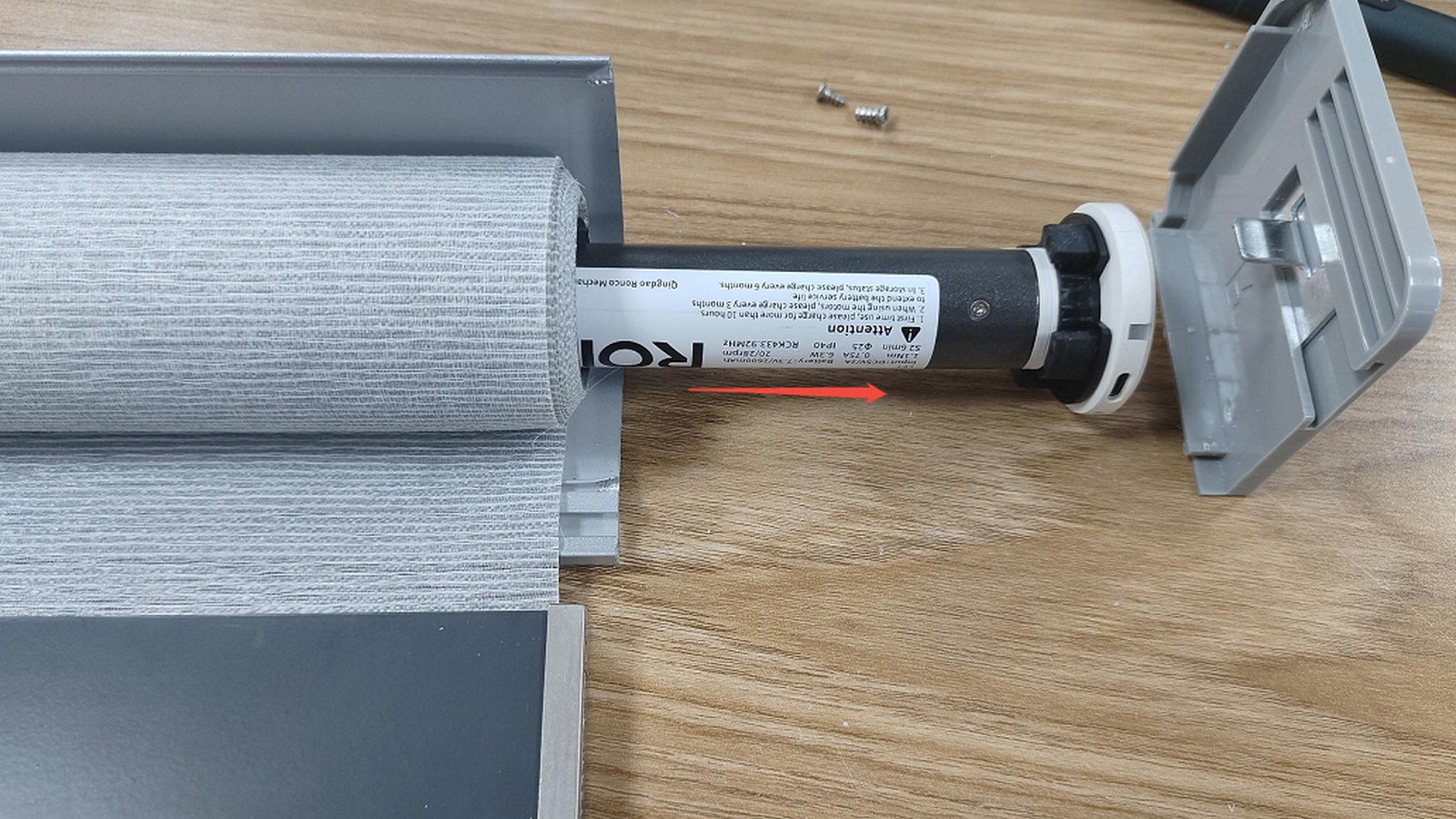
Motor selection depends on fabric weight, width, height, tube diameter, and the required travel speed. A 96-inch-wide shade with dense room-darkening fabric may need more torque than a smaller solar shade even if the motor model looks similar. A humming sound under load can be a sizing problem that appears only when the shade is nearly fully lowered or raised.
Do not add weight to the bottom rail, tape the fabric to the tube, or force the roller to “help” the motor. Those workarounds can create an unbalanced load. World Wide Shades can specify the tube and motor as a system. Compare a correctly sized motorized option before buying a generic replacement.
A shade that hums at one end of travel but moves in the middle may have a limit, calibration, or obstruction issue. A power interruption can leave some systems needing a re-initialization. The correct sequence varies: some motors use a programming button, some use a remote combination, and some use a hub workflow. Follow the exact manual for the model and avoid random reset combinations.
If the motor was recently installed, ask whether the lower limit was set with the fabric fully level and the sill clear. If the problem began after a fabric change, confirm that the tube and motor are rated for the new weight. Contact World Wide Shades for setup guidance.
How to distinguish low power from a failed motor
Low power often produces a short hum, sluggish movement, or a motor that works after charging. A failed motor may hum continuously, grind, smell hot, or fail in both directions even after a confirmed charge and clear travel path. A binding shade can mimic either symptom, which is why the mechanical inspection comes first.
Compare the sound with another shade of the same system. If one shade hums while three matching shades operate normally, the problem is likely local. If every shade hums after a power event, look at the controller, hub, supply, or remote rather than replacing individual motors. Record whether the motor can jog a small amount; do not repeat the test more than once or twice.
World Wide Shades can help identify whether a replacement is a motor-only job or a full shade rebuild. Share the model and measurements before ordering a component that may not fit the tube.
Repair, retrofit, or replace?
Repair is a good choice when the fabric and tube are sound, the motor is accessible, and the manufacturer still supports the model. A battery or remote can be a small fix. A motor retrofit may make sense when the existing shade is custom-sized and visually good but the motor has failed. Replacement is better when the roller is bent, fabric edges are damaged, parts are discontinued, or the original motor was undersized.
Planning figures vary widely, but a remote may be $30 to $150, a compatible motor or retrofit roughly $150 to $450, and a complete custom motorized shade often several hundred dollars or more depending on size and fabric. Labor and access can exceed the part cost on a 12-foot opening. A quote should include compatibility, brackets, limits, charging method, and disposal of the old component.
For sleep spaces, the replacement should also address darkness and privacy rather than just motion. Compare best window shades for bedroom, blackout curtains vs blackout shades, and energy-efficient window shades. World Wide Shades can preserve the room’s appearance while correcting the operation. Build a complete replacement plan.
Preventing repeat motor problems
Keep the bottom rail clear, charge rechargeable motors on a predictable interval, and avoid commanding a shade that is visibly tilted. Name shades by room and window so voice commands do not trigger a neighboring product. Leave a small label with the motor model, remote model, and last service date inside a safe documentation folder.
For new installations, confirm the shade’s maximum width, fabric weight, cassette clearance, and power access before finalizing the order. A motor should not be selected from width alone. A dual shade, blackout liner, or very tall opening can change the load and headrail requirements. Ask World Wide Shades to check the specification before you commit to a multi-window project.
FAQ
A short hum is not automatically dangerous, but repeated stalled commands can heat the motor. Stop using it, keep hands away from the mechanism, and disconnect only the user-accessible approved charger if the product instructions allow it. Hardwired or hot-smelling products need qualified service.
Common causes include a low battery, a fabric edge rubbing the frame, a crooked roller, a lost limit, an overloaded tube, or a failed gear. Check power and the travel path once, then contact World Wide Shades with the model and sound description.
Do not spray lubricant into a motor, headrail, cassette, or fabric. Oils can contaminate fabric and attract dust, while the sound may be electrical or gear-related. Use only maintenance steps listed for the exact product.
Allow at least 5 to 10 minutes after repeated commands so the motor can cool and protection logic can clear. Then make one short test after confirming the path is clear. More testing is not better if the shade is binding.
Replace only the motor when the tube, brackets, fabric, and controls remain compatible and in good condition. Replace the whole shade when the fabric is damaged, the system is discontinued, or the original motor was not sized for the load. Have World Wide Shades compare both paths.
Get the sound diagnosed before it gets louder
A humming shade is a prompt to inspect, not a verdict. Check power, control, alignment, and travel in that order, then let the motor rest. World Wide Shades can match a repair or replacement to the actual window. Configure the next shade, test fabrics with swatches, or contact World Wide Shades. Call (844) 674-2716 for tall, hardwired, or multi-shade systems.