The quick answer: they’re not interchangeable
Polyester, vinyl, and PVC roller shade fabrics can look similar online, but they behave very differently once they’re hanging in a sunny window, in a steamy bathroom, or in a busy kitchen.
If you’re comparing materials because you want shades that last, clean easily, and look great for years, this guide breaks down what actually matters: hand-feel, dimensional stability, stain resistance, UV performance, safety, and where each material is the smartest buy.
Ready to skip the guesswork? Start a custom quote in the World Wide Shades online builder and pick your fabric style in minutes.
First, what do “polyester,” “vinyl,” and “PVC” mean in roller shades?
In the shade world, material names are often shorthand.
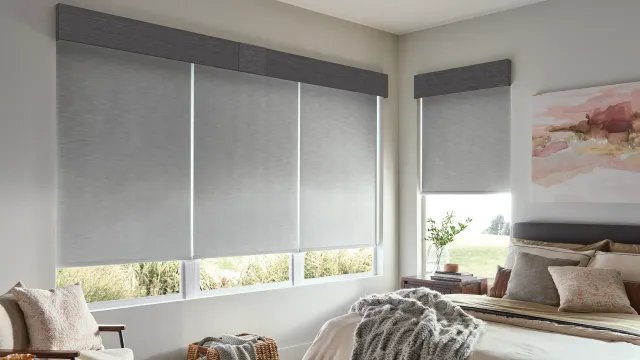
Polyester roller shade fabrics are usually woven textiles (sometimes with a textured face) that can be light filtering or blackout.
Common variations include:
- Woven polyester light-filtering fabrics
- Polyester blackout fabrics with an acrylic foam or coated backing
- “Linen-look” or “basketweave” polyester textures
“Vinyl” usually refers to a PVC-based coating or layer applied to a fabric base (often fiberglass or polyester). Many solar screen fabrics are fiberglass or polyester yarns coated with PVC.
PVC is the polymer used to make most vinyl coatings. In everyday shopping language, vinyl and PVC are often used interchangeably.
What matters for homeowners: the performance depends on the full construction (weave + coating + backing), not the label alone.
If you want help choosing the right construction for your room, request curated options through World Wide Shades swatches.
Side-by-side comparison: what you actually feel and see
- Polyester often feels softer and more like home décor fabric.
- Vinyl/PVC-coated fabrics tend to feel smoother, denser, and slightly “technical.”
If you want a cozy, residential look in living rooms and bedrooms, World Wide Shades often recommends starting with polyester textures, then selecting openness/opacity based on light control.
Polyester usually wins for style range:
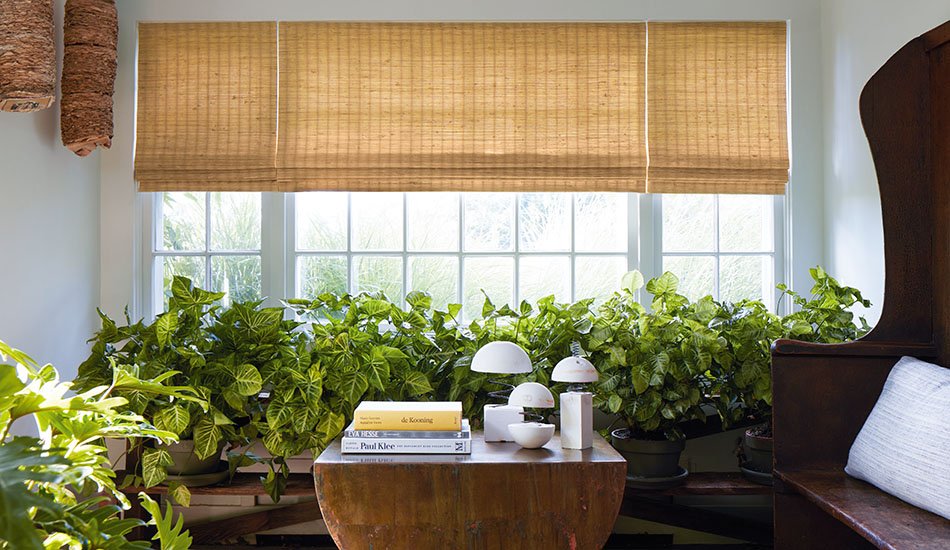
- More weaves that resemble linen, wool, or natural fibers
- Better color depth and less “plastic sheen”
- Easier to match to paint, flooring, and upholstery
Vinyl/PVC-coated fabrics excel when you want a clean, minimal look or a true screen-style appearance.
Want to see the difference in your lighting? Order World Wide Shades swatches and hold them up to the window at morning and late afternoon.
Durability: stretching, waviness, and edge curl
One of the biggest differences shows up over time.
- Polyester can be very stable when properly engineered, but lower-quality textiles may show slight rippling in high heat or humid conditions.
- Vinyl/PVC-coated fabrics are often excellent at staying flat, especially screen-style fabrics designed for sun exposure.
Edge curl is more about construction, thickness, and how the fabric is finished than material alone.
If you’re battling curl on an older shade, you may also like: Roller Shade Fabric Fading and UV Damage and How Long Do Roller Shades Last?.
World Wide Shades can help you avoid common failure modes by matching fabric weight and roll diameter to your window size—start with the builder.
Cleanability: kitchens, kids, and real life
If cleanability is your top priority, don’t just ask “is it wipeable?” Ask what happens when the mess sits.
Polyester fabrics can be easy to maintain, but they’re typically more “absorbent” than coated screens.
- Dusting and vacuuming (soft brush) is usually safe.
- Spot-cleaning is possible, but harsh scrubbing can distort textured weaves.
For best practices, see How to Clean Roller Shades.
Vinyl/PVC-coated fabrics are usually the easiest for wipe-down cleaning.
- Many spills stay on the surface longer.
- Grease and cooking residue are often simpler to remove.
If your shades live near a cooktop or sink, vinyl/PVC-coated options are often a strong choice—especially when paired with the right mount. For room-specific tips, check Roller Shades for Kitchen and Bathroom.
Need a recommendation based on your room? Contact World Wide Shades or call (844) 674-2716 to talk through your constraints.
UV protection and fading: what to know before you buy
Sun exposure changes everything.
Many vinyl/PVC-coated screen fabrics are designed for UV performance, heat reduction, and glare control.
If your main goal is protecting floors and furniture without making the room feel dark, compare screen-style choices with this guide: UV Protection Window Shades.
Polyester can perform well in sun, but dyes and finishes vary.
If the window is south- or west-facing, plan around stronger UV load:
World Wide Shades can help you choose fabrics that look consistent across multiple rooms—start a project in the builder.
Safety, indoor air, and certifications
Shoppers often ask whether vinyl/PVC is “safe.” The honest answer is: you should evaluate the specific fabric line, not the category.
What to look for:
- Third-party indoor air certifications (e.g., low-VOC programs)
- Clear manufacturer documentation
- Appropriate use-case selection (especially for nurseries and bedrooms)
If safety is a key driver, you may also like Child-Safe Window Treatments.
To get curated low-odor, family-friendly options, request World Wide Shades swatches and tell us the room type.
Fire ratings and commercial requirements
If you’re ordering for an office, retail space, or multifamily property, fire rating can be a deciding factor.
Many coated screen fabrics are available with common commercial ratings, but availability depends on the exact line.
For commercial planning, see Commercial Roller Shades for Offices and then reach out to World Wide Shades for spec help.
Which material is best for each room?
Most bedrooms need either blackout or strong light filtering.
- Polyester blackout fabrics are popular for their soft, cozy feel.
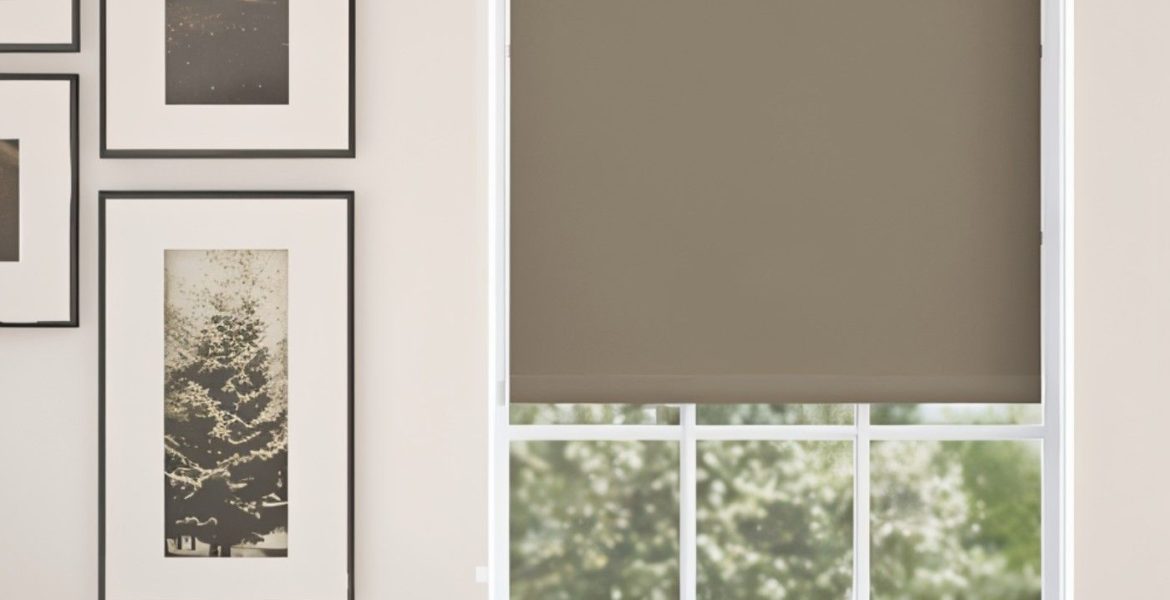
- Coated options can work too, especially if you want wipeable durability.
If you’re building a true sleep setup, read Best Window Shades for Bedroom and Blackout Curtains vs Blackout Shades.
Want a no-compromise recommendation? Start at World Wide Shades builder and choose “bedroom” as the room type.
Prioritize cleanability and stability.
- Vinyl/PVC-coated fabrics are often the practical winner.
- Polyester can work if the window is away from grease and moisture.
Humidity matters.
- Coated fabrics often handle wipe-down and moisture better.
You have the most flexibility.
- Polyester textures can look designer and “finished.”
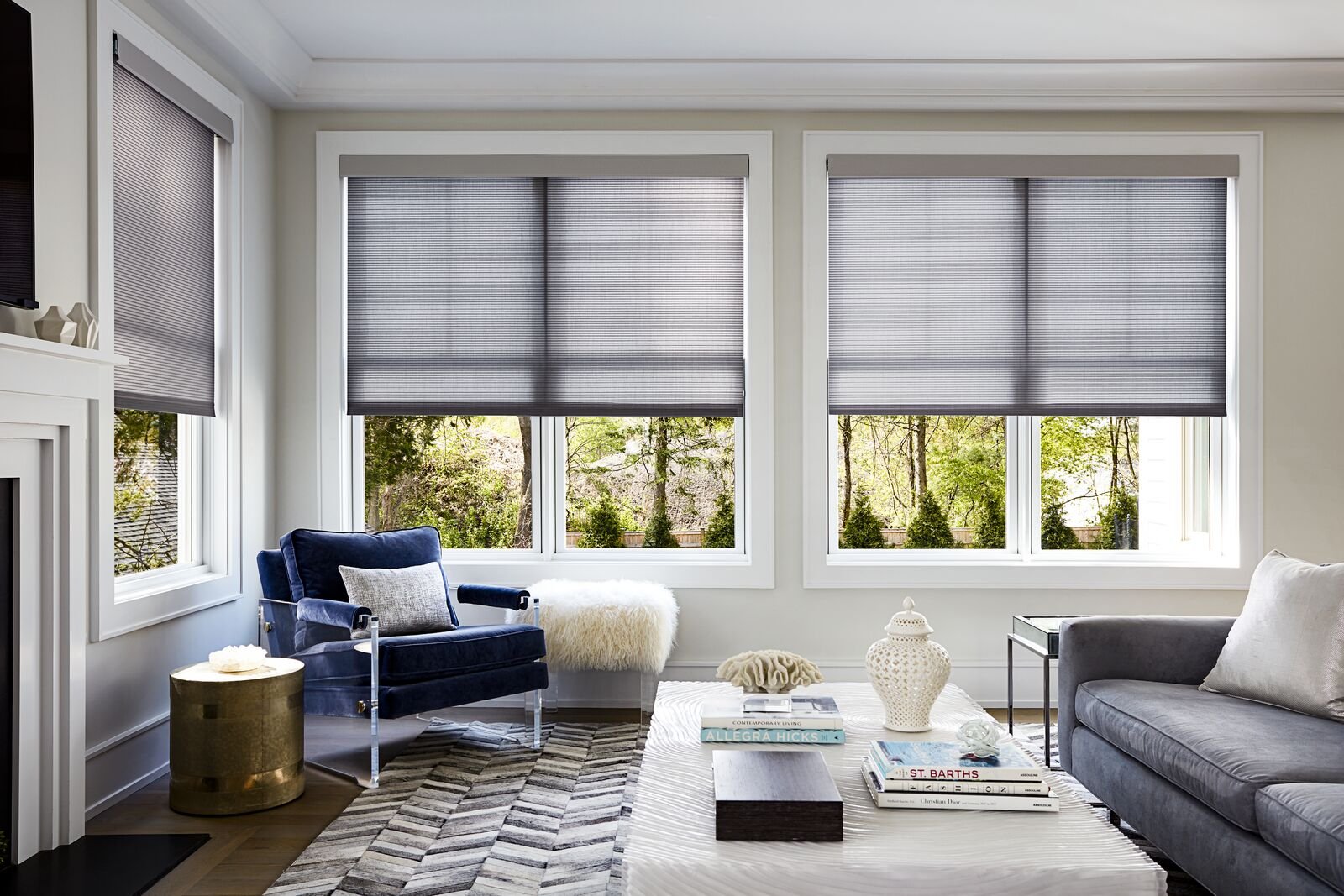
- Screen fabrics can preserve the view while cutting glare.
For living room ideas: Best Roller Shades for Living Room.
If you work near a window, glare control is everything. Screen fabrics (often PVC-coated) are a common choice.
For more: Best Shades for Home Office Zoom.
Price and value: what you’re really paying for
Material labels don’t tell you the whole price story.
Polyester fabrics may cost more when:
- The weave is premium or textured
- The color palette is curated
- The blackout backing is engineered for flatness
Vinyl/PVC-coated fabrics may cost more when:
- The screen yarns and coatings are engineered for UV
- The fabric is wider (for larger windows)
- You need commercial ratings or specialty performance
The best value is the fabric that fits your room’s stressors so you don’t replace shades early.
World Wide Shades can help you choose a fabric that looks great and holds up—build your quote in the online builder.
FAQs: polyester vs vinyl vs PVC roller shade fabrics
In many roller shade products, “vinyl” refers to PVC-based coatings, but the base fabric and finish still matter.
Most are not machine-washable. Many can be dusted, vacuumed gently, and spot-cleaned. Follow the cleaning approach in How to Clean Roller Shades.
If you want easy maintenance and durability, many vinyl/PVC-coated screen fabrics are strong candidates. You can also consider neutral polyester textures if the home is less exposed to grease and moisture.
Ask for fabrics with clear low-VOC documentation and request swatches first. World Wide Shades can point you toward options that feel more comfortable—use swatches or call (844) 674-2716.
Yes. Many modern polyester textures are engineered for real life, and some coated fabrics have surprisingly refined faces. The fastest way to compare is to order World Wide Shades swatches.
How to choose confidently (without overthinking it)
- Decide your primary job: view, glare control, privacy, or blackout.
- Match the fabric construction to the room’s stressors (UV, grease, humidity, pets).
- Confirm the look at your window with physical samples.
If you want an expert shortcut, contact World Wide Shades or call (844) 674-2716, and we’ll help you pick a fabric that fits your space.
When you’re ready, build your custom shades in the World Wide Shades builder and order with confidence.