Roller shade fabric fading can sneak up on you: one day your shades look perfectly even, and the next you notice a lighter band where the sun hits hardest. In most homes, that fading isn’t a “bad shade” problem—it’s a UV exposure problem, and it’s especially common on south- and west-facing windows.
If you’re trying to protect a design you love (and avoid replacing window treatments early), this guide breaks down what causes roller shade fading, which fabrics resist UV damage best, and the practical steps that slow color loss. If you want a quick recommendation for your exact windows, World Wide Shades can help you spec the right fabric in minutes—start with our Shade Builder to see options that match your goals.
What “fading” really is (and why it shows up as stripes)
Fading is a chemical change in dyes and fibers caused mostly by ultraviolet light, plus heat and oxidation. Your roller shade doesn’t fade evenly because sunlight isn’t even:
- The “sun path” concentrates light on a predictable portion of the fabric for hours at a time.
- Reflected UV from floors, counters, and nearby walls can brighten certain bands.
- Edge gaps and mounting choices can create a brighter strip near the sides.
When customers call World Wide Shades about “a stripe” or “a patch,” the pattern usually matches where direct sun lands. If your shade looks lighter at the bottom or the middle, it can also be because that’s the section you keep lowered most often.
Want help diagnosing what you’re seeing? Send a photo and window orientation to Contact World Wide Shades or call (844) 674-2716 and we’ll point you toward the best fix.
The biggest causes of roller shade fabric fading
UV radiation breaks down many common textile dyes. The more direct sun the fabric receives, the faster the change. South- and west-facing windows are usually the highest risk.
If you’re shopping for a new shade because your old one faded, start by reading Best shades for south-facing windows and UV protection window shades, then come back here for the fabric-level details.
Even if a fabric blocks UV reasonably well, heat at the glass can accelerate aging. Darker colors can run hotter, especially if your window gets afternoon sun.
Bathrooms, kitchens, and coastal climates add humidity and airborne oils. Some cleaners (especially harsh solvents or bleach) can strip finishes and change the way a fabric reflects light.
If you need shades for steamy spaces, cross-check our guidance in Roller shades for kitchen and bathroom.
Not all “polyester” or “screen” fabrics are created equal. Some use coatings, stabilizers, and tighter weaves that hold color longer. Others are decorative fabrics intended for moderate sun, not constant UV.
Which roller shade fabrics resist fading best?
The short version: if fading is your priority, look for fabrics engineered for UV exposure—often solar screen fabrics, performance polyesters, and specialty coatings.
Solar shades are designed to manage sun and glare. Many screen fabrics are built with UV stability in mind and can be an excellent choice for bright rooms.
A practical way to think about it:
- Lower openness (e.g., 1%–3%) often blocks more light and can reduce UV impact.
- Higher openness (e.g., 5%–10%) preserves view better but may allow more light through.
If you’re comparing solar to classic roller fabrics, this companion article helps: Solar shades vs roller shades.
Ready to match openness to your room? Use World Wide Shades swatches to see how different screen options look in your actual lighting.
High-quality polyester roller shade fabrics can be very stable and resist stretching, sagging, and daily wear. The key is choosing performance-grade materials rather than purely decorative textiles.
If you want a broader materials comparison, you’ll like: Best fabrics for roller shades.
Blackout fabrics often use coatings that improve opacity. Depending on construction, coatings can either help stabilize the fabric or, in cheaper products, crack and discolor over time.
If blackout is part of your decision, also read Blackout curtains vs blackout shades.
Window orientation: how it changes your fabric choice
These get long, consistent sun exposure in many regions. UV-resistance matters more here than almost anywhere else.
If you’re outfitting multiple rooms, World Wide Shades can help you standardize a fabric that holds color across the whole elevation—start with the Builder and we’ll confirm the best match for your lighting.
West-facing glass often delivers intense afternoon sun and heat. That combination can accelerate fading and also raise room temperature.
Consider combining a UV-stable fabric with better coverage (like a valance) if your concern is concentrated sun bands near the top.
Morning sun is typically less harsh than afternoon sun. Many decorative fabrics do fine here, but if you have valuable flooring or art, UV management is still worth planning.
These usually have the least direct sun. Fading risk is lower, so you can often prioritize texture and style.
9 ways to prevent (or slow) roller shade fading
You can’t eliminate UV exposure entirely, but you can significantly extend how long your shades look “like new.”
This is the biggest lever. When you select a fabric intended for solar exposure, you’re starting ahead.
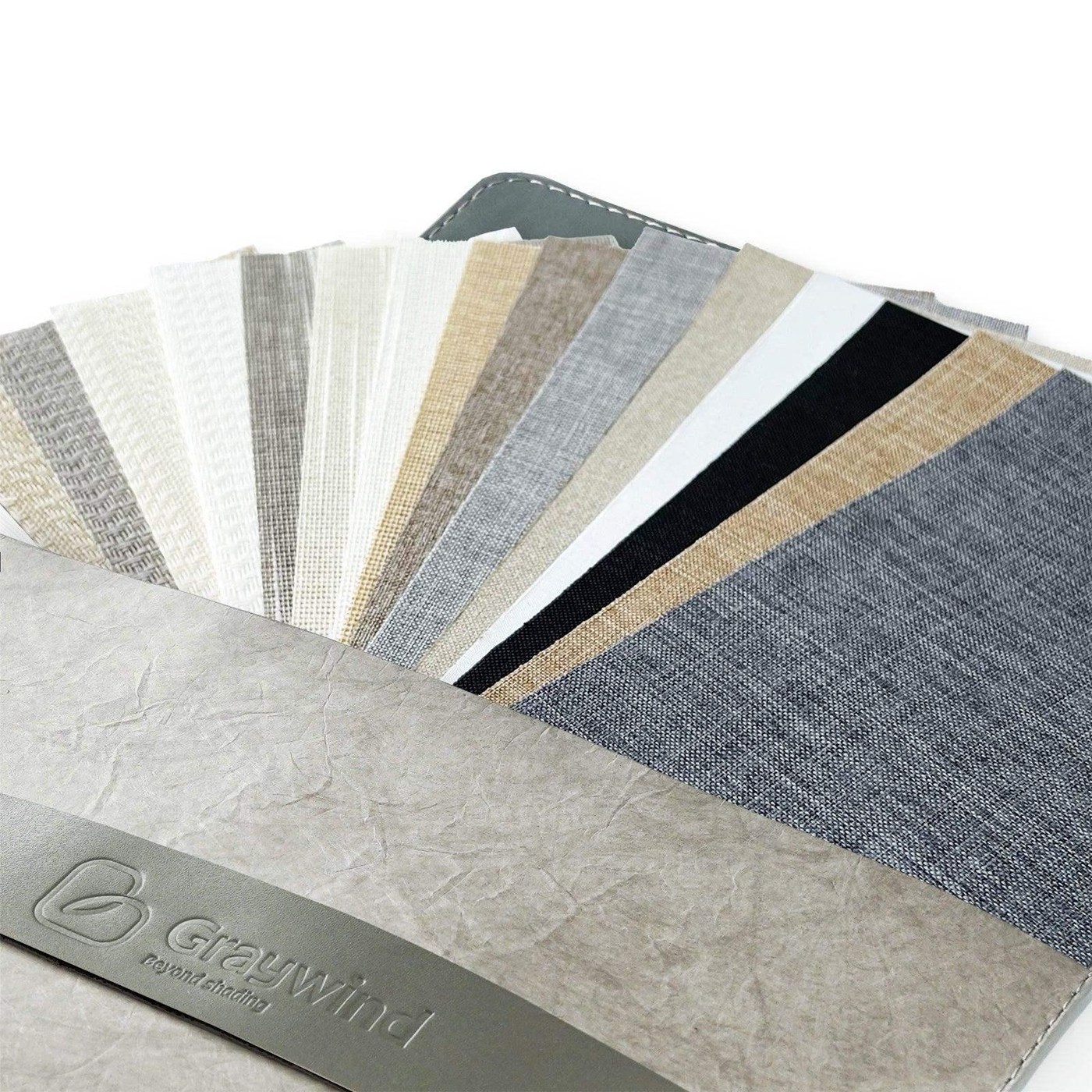
To avoid guessing, order a few World Wide Shades swatches and hold them up at the exact window where fading happened.
Inside mounts can reduce side gaps and reduce bright edge bands that make fading patterns look worse.
If you’re planning a DIY install, bookmark How to install roller shades.
Covering the top portion of the shade can reduce concentrated UV at the roll and top fabric edge.
If you’re comparing options, see Roller shade valance options.
Side channels reduce light leakage and help keep sunlight off the edges. They’re popular for bedrooms and media rooms.
For sleep spaces, pair this with Best window shades for bedroom.
If you always leave a shade lowered to the exact same height, the same band of fabric takes the brunt of UV. Adjusting the height occasionally can distribute exposure.
Dust and grime on glass can scatter sunlight. Clean glass can reduce hotspots and make light more consistent.
Use a soft duster or vacuum brush first. If you must spot-clean, test a hidden area and avoid harsh chemicals.
If fading concerns include floors and furniture, choose fabrics and openness factors that reduce UV entering the room. You’ll often solve two problems at once.
Motorized shades can close during peak sun hours and open when UV is lower. This not only protects the fabric but also your interior finishes.
If you’re building a smarter setup, cross-link this guide: Motorized shades Alexa Google Home and Smart home motorized shades setup.
Want a recommendation for a sun-protection schedule? Call World Wide Shades at (844) 674-2716 or start with the Builder and tell us your window orientation.
How to tell if your shades are fading (or if it’s dirt)
Before you replace anything, confirm what you’re seeing:
- Wipe-test: Lightly dust a small section. If the “fade” changes, it may be surface buildup.
- Reverse-roll check (if your shade allows it): If the back side looks richer in color, UV has likely lightened the face.
- Compare to protected areas: The top portion hidden by a valance or roll often shows the original shade.
If you’re unsure, World Wide Shades can help you diagnose. Share a couple photos via Contact and include whether it’s a south, west, east, or north window.
When to replace vs re-cover vs upgrade
If your shade mechanism works well, a fabric replacement can be a cost-effective refresh—especially for standard roller systems.
If your “fading” complaint is really that the shade looks uneven because light is blasting through the sides, a new mount approach or channel system may be the better upgrade.
For large or high windows, consistent daily operation is hard to maintain manually. Motorization makes UV protection automatic.
If your home has hard-to-reach windows, you might also like: Skylight shades guide.
FAQ: Roller shade fading and UV damage
It depends on sun exposure, fabric construction, and color. High-sun windows can show changes sooner than low-sun rooms, especially with darker colors.
Lighter colors can hide fading better, but they can still change tone over time. The more important factor is whether the fabric is engineered for UV stability.
They can. Some blackout fabrics use coatings and stabilizers that hold up very well; others may discolor or show wear in high heat. If blackout is your goal, World Wide Shades can help you choose the right construction—start at the Builder.
In some cases, UV-blocking film can reduce UV entering the room. But it changes glass appearance and isn’t always allowed by HOA rules. If you’re balancing rules and performance, talk to World Wide Shades at (844) 674-2716 or use Contact.
Order swatches and check them at the window at different times of day. Then match a UV-resilient fabric to your room goals using World Wide Shades swatches.
Get fade-resistant roller shades that stay beautiful
Fading is common, but it’s also preventable with the right fabric and a few smart design choices. If you want your shades to look consistent for years—not just months—focus on UV stability, orientation, and coverage.
To get a personalized recommendation, build your shade in minutes with World Wide Shades Shade Builder, request swatches, or reach out through contact. You can also call (844) 674-2716 to talk through the sun exposure in your space.