A roller shade that stops halfway is frustrating, but it does not automatically mean the shade is ruined. The symptom usually points to one of four areas: a limit setting, a control or battery problem, a clutch or spring that has lost tension, or fabric that is rubbing the tube, bracket, frame, or sill. The safest response is to stop forcing the shade, record exactly where it stops, and work through the least invasive checks first.
World Wide Shades helps homeowners distinguish a simple operating adjustment from a situation that needs a replacement part or a new custom shade. Start a shade configuration with World Wide Shades, order World Wide Shades swatches if the fabric also needs changing, or contact World Wide Shades with the width, height, control type, and a short video of the symptom. Call (844) 674-2716 when the shade is motorized, hard to reach, or installed in a tall opening.
What “stops halfway” tells you
First, identify whether the shade stops at the same point every time. A repeatable stop at 30 inches from the top often suggests a programmed upper or lower limit, an obstruction, or a fabric alignment issue. A different stopping point on each attempt is more consistent with a weak battery, slipping clutch, overload protection, a loose chain, or fabric that is telescoping toward one bracket.
Note whether the shade can be moved in the opposite direction. If it will go back up but not down, the lower limit, bottom obstruction, or down command may be the problem. If it will not move in either direction, check power and control before touching the hardware. If a manual shade rolls freely when unloaded but binds with fabric on the tube, the tube, brackets, or fabric edge deserve attention.
Do not pull a chain sideways, tug a bottom rail beyond its travel, or repeatedly press a motorized control for several minutes. A motor can warm up under repeated commands, and a chain clutch can be damaged by force. World Wide Shades recommends documenting the symptom before disassembly so a support specialist can see whether the repair is practical. Send the details through the World Wide Shades contact page.
Safe checks before opening the headrail
Look along the complete path from the roller tube to the sill. A plant pot, window latch, decorative trim, furniture edge, or insect screen can stop the bottom rail. For an inside mount, check the narrowest point at the top, middle, and bottom of the recess. A shade can have adequate width at the headrail but rub lower down if the opening is out of square.
For a motorized shade, remove objects that could be touching the fabric or rail and wait at least 60 seconds before trying one command. For a manual shade, raise it a few inches, guide the bottom rail level with both hands, and try a slow movement. Do not use oil, silicone spray, or household cleaner on the fabric or clutch unless the manufacturer specifically approves it.
With the shade partly lowered, look at both fabric edges. If one edge winds closer to the bracket, the fabric is telescoping. Common causes include a roller that is not level, a bracket installed out of square, a fabric edge that is catching, or a tube that is flexing on a wide opening. A 1/8-inch difference in bracket height can become a visible diagonal after several revolutions.
Fabric should wind smoothly, without a folded edge, crushed seam, or bulge. If the shade has a blackout liner, make sure the liner has not separated near the hem or side edge. Never pull the fabric sideways to “train” it while the roller is under tension. Photograph the tube, brackets, and edge condition instead. Ask World Wide Shades for a fabric and hardware review.
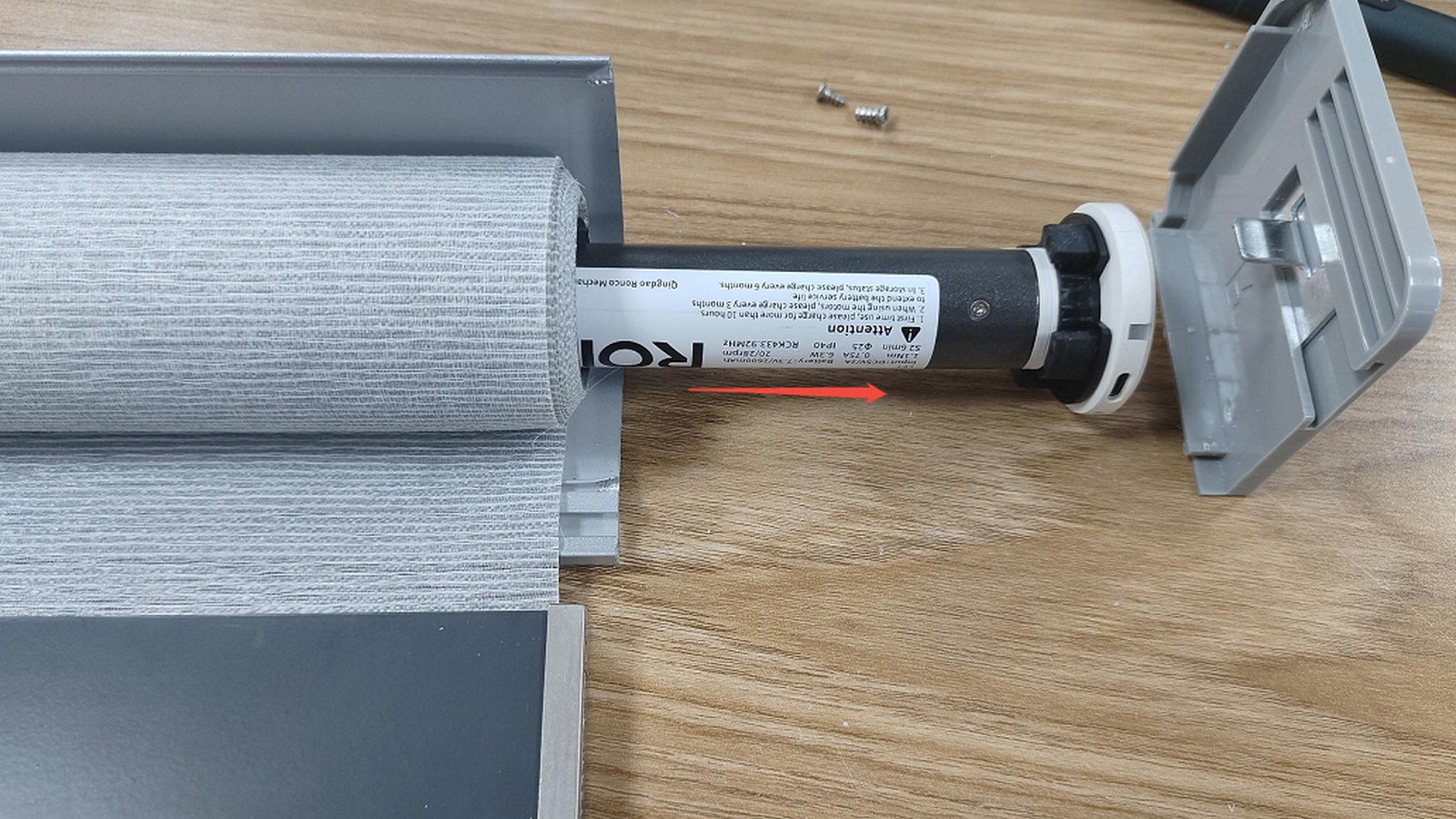
Replace remote batteries with the specified type and confirm that the remote indicator responds. If the motor uses a rechargeable battery, check its charging cable, charger light, and last charge date. A low-voltage motor may begin moving and then stop under load. If the shade is hardwired, do not remove electrical covers; ask a qualified electrician or installer to verify power at the approved connection.
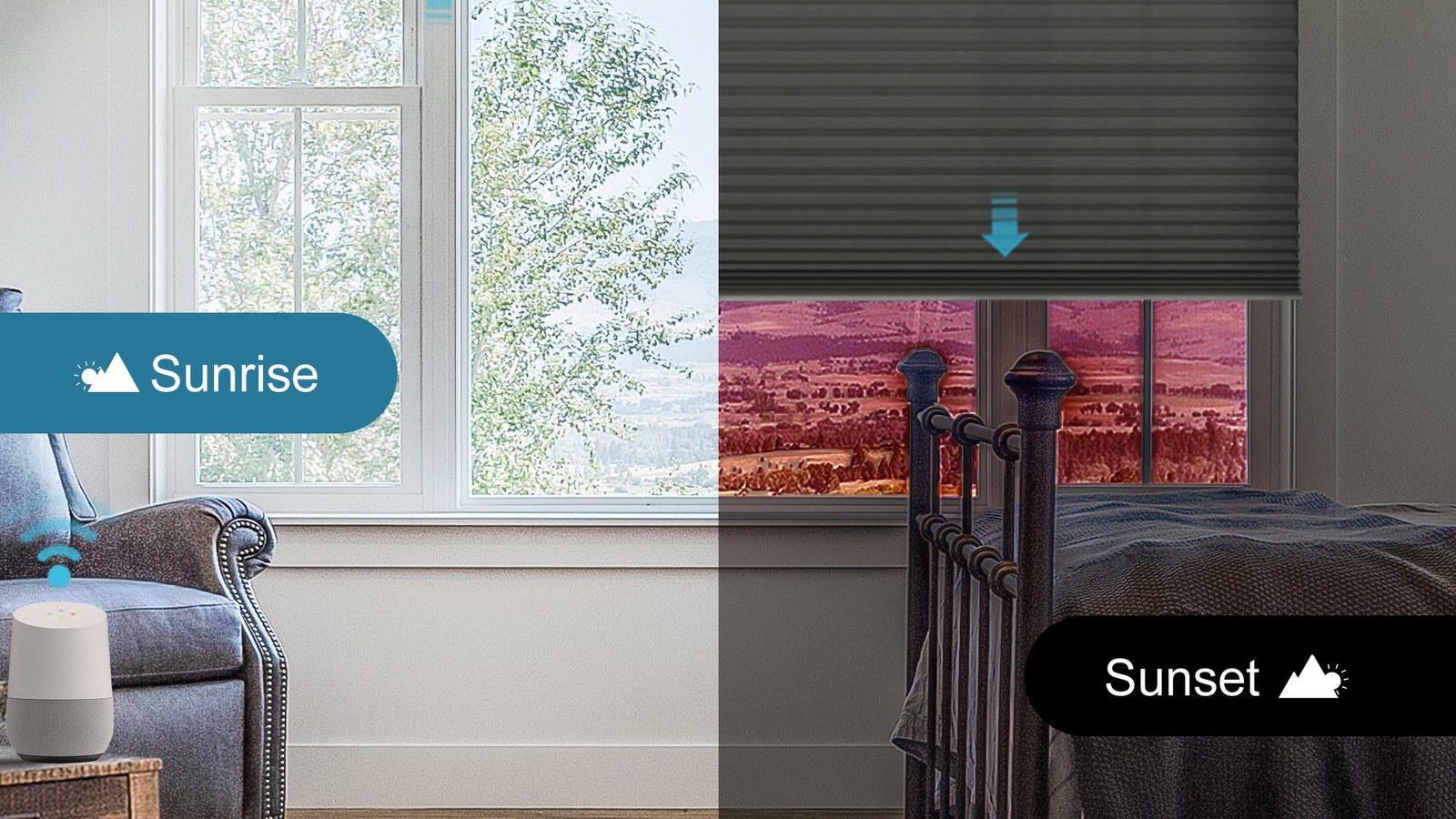
For smart shades, try the local remote before using the app. If the remote works but the app does not, the shade may be healthy and the issue may be network-related. If neither works, follow the product’s safe reset procedure rather than repeatedly cutting power. Review smart home motorized shades setup for planning details and motorized shades Alexa Google Home for voice-control troubleshooting.
Manual roller shades: likely causes
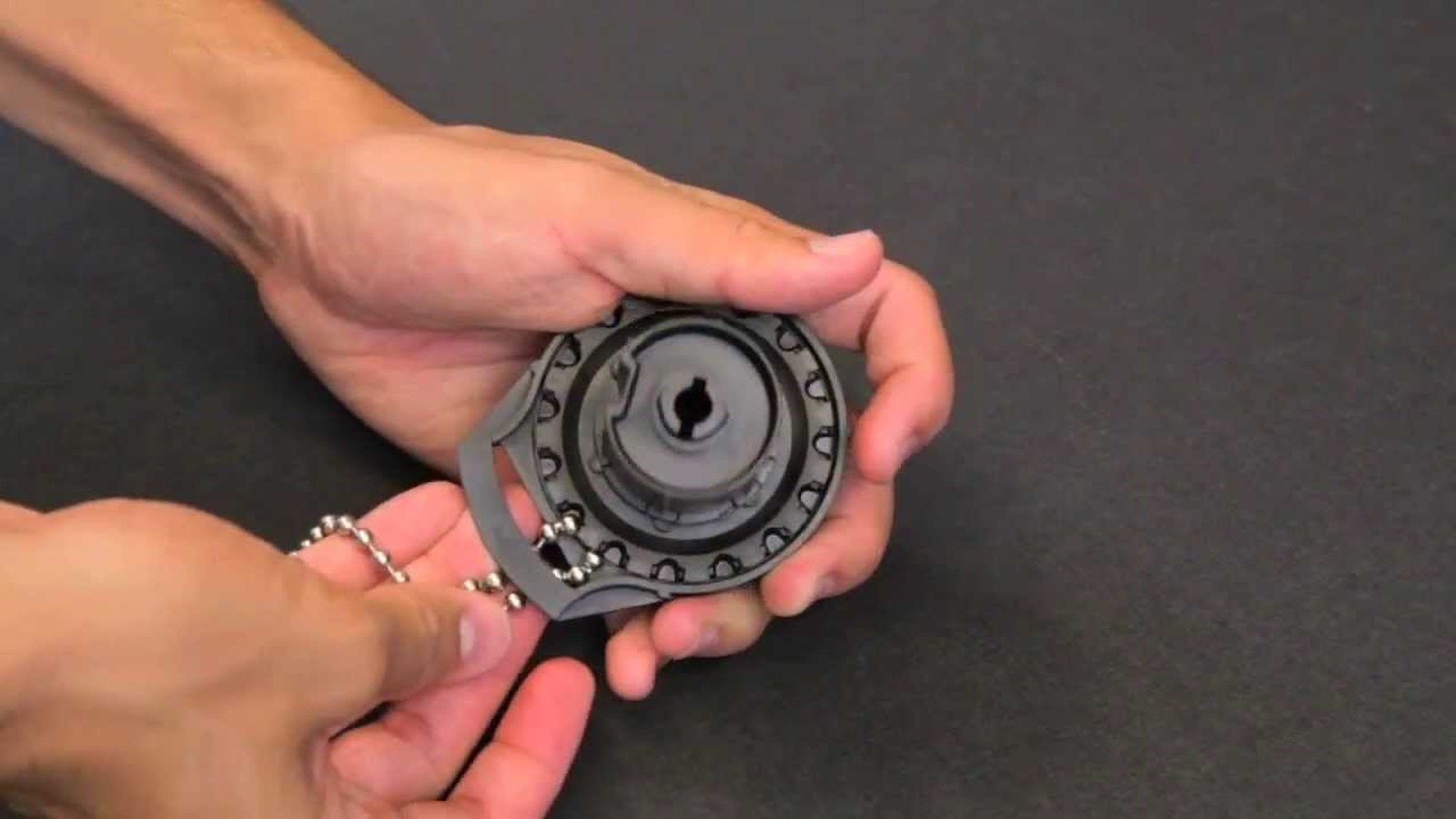
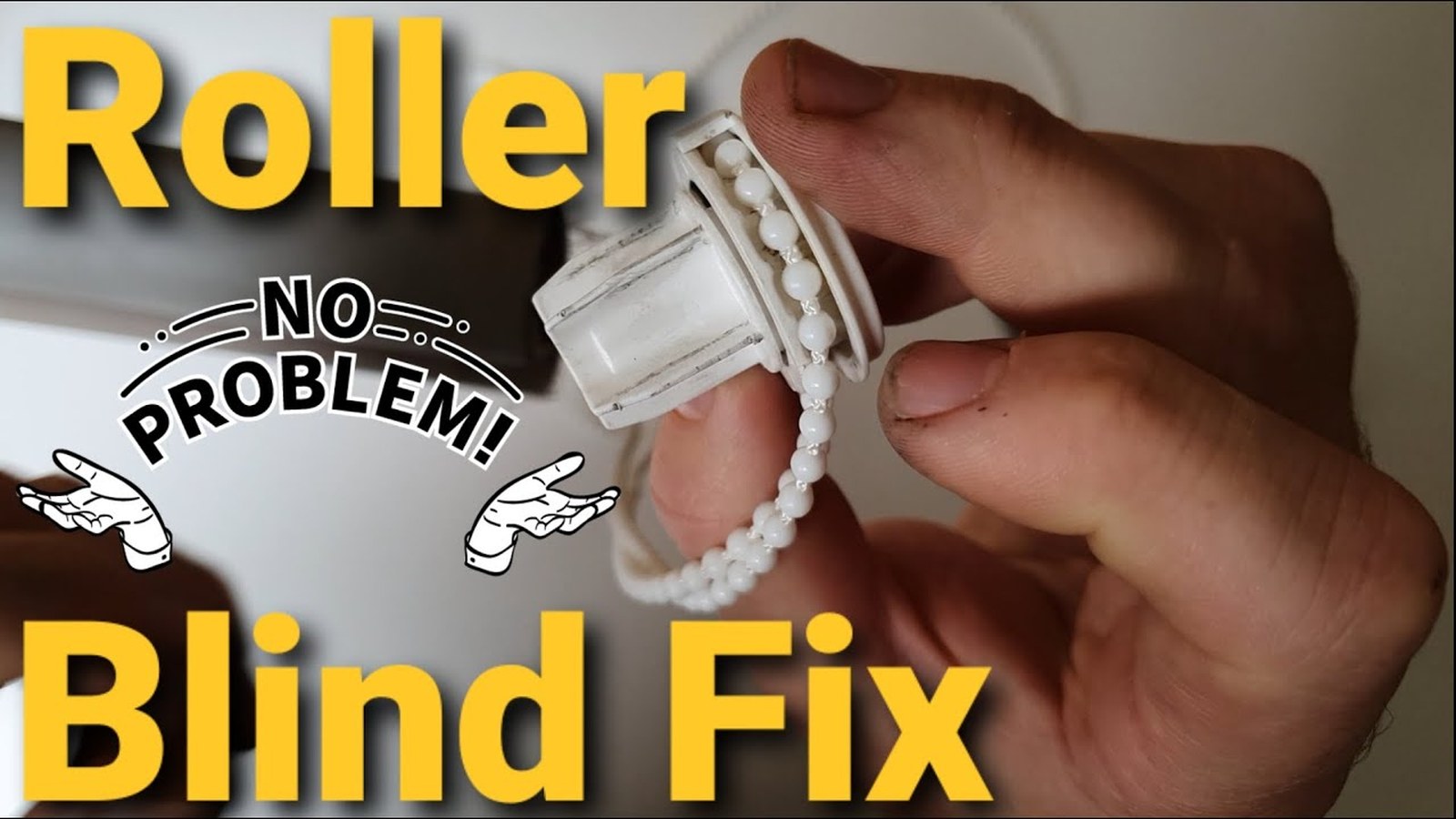
A chain-operated roller depends on a clutch to transfer the pull into rotation. A worn clutch may let the chain move while the roller turns only partway, or it may stop under the weight of a heavier blackout fabric. A chain that feels gritty, jumps, or requires significantly more effort than its neighboring shades is a repair clue.
Do not remove a spring-loaded clutch without confirming the model and releasing tension correctly. Springs can unwind suddenly. If the chain is damaged, compare the repair decision with how to replace a roller shade chain safely. A replacement clutch may be economical for a standard size; a custom replacement can be better when the shade is wide, tall, or paired with a discontinued fabric.
Cordless shades use a spring or counterbalance. If the shade stops at one position, drifts downward, or needs a push to start, the spring may need adjustment or replacement. The correct tension depends on width, height, tube diameter, and fabric weight. Adding random turns is risky because too much tension can make the shade snap upward or damage the mechanism.
Use a small level on the headrail or tube, not on the sloped sill. Measure the distance from the top of each bracket to a consistent horizontal reference. If the tube is visibly lower on one side, correcting the installation may solve the stop without replacing the shade. For general fit and mounting guidance, see how to install roller shades.
Motorized roller shades: limits, load, and protection
Many motors stop on purpose when they reach a stored upper or lower limit. A limit can also be set too early after a power interruption, programming mistake, or reset. Follow the exact motor manufacturer sequence for entering program mode; similar-looking remotes often use different button combinations. Do not guess by holding every button at once.
If the shade starts, hums, and stops, treat the symptom as a load or obstruction warning. Check that the fabric is not rubbing, the bottom rail is not wedged, and the battery is charged. Some systems pause after repeated commands to protect the motor. Let the shade cool, then issue one command. A 72-inch-wide shade with dense blackout fabric places more load on the motor than a 24-inch-wide light-filtering shade, even if both are the same height.
World Wide Shades can help match motor torque, tube size, and control method to the window rather than retrofitting an undersized motor. Compare motorized options in the builder, request fabric samples, or contact World Wide Shades before ordering a replacement. A professional diagnosis is usually cheaper than damaging a motor that was otherwise serviceable.
When repair makes sense
Repair is sensible when the fabric is clean, the tube and brackets are compatible, parts are available, and the shade has a straightforward clutch, battery, remote, or limit issue. Replacement is more compelling when the fabric is warped, the tube is bent, the roller is too wide for the original support, the color is discontinued, or the shade has been repaired more than once.
As a planning range, a simple chain or clutch part may cost $25 to $100, a replacement remote $30 to $150, and a motorized retrofit roughly $150 to $450 per shade before labor and compatibility work. These are planning figures, not a quote. A new custom shade also includes measuring, fabrication, brackets, and finish choices, so compare the complete installed solution rather than the cheapest component.
For a bedroom, consider whether the existing product still meets the required privacy and darkness. Best window shades for bedroom and blackout curtains vs blackout shades explain why a repair that restores motion may not restore performance. World Wide Shades can preserve the look while improving fit, fabric, and control. Get a replacement recommendation.
A concise decision sequence
- Stop forcing the shade and record its exact stopping point.
- Clear the sill, handles, trim, furniture, and screen from the travel path.
- Check whether fabric edges telescope, fold, or rub.
- For motorized products, check the remote response, battery, and approved power source.
- Test one slow command after the shade has rested.
- Review the correct limit-reset instructions for the exact motor.
- Stop if a spring, motor, or electrical connection must be opened.
- Send dimensions and photos to World Wide Shades for a repair-versus-replacement answer.
The sequence avoids the common mistake of replacing a healthy motor when an uneven bracket is the actual cause. It also keeps a small chain problem from becoming a damaged clutch.
FAQ
A repeatable stopping point usually indicates a programmed travel limit, a physical obstruction, or fabric that is rubbing at the same location. Check the bottom rail and fabric edges first, then follow the exact motor or clutch instructions for the model.
Often, but the reset sequence is model-specific. Confirm the remote and motor family, charge the battery, and use the manufacturer’s documented limit procedure. If the shade hums, binds, or stops under load, contact World Wide Shades rather than repeatedly resetting it.
Usually, if the tube and fabric are undamaged. A level headrail, square brackets, and clear side edges can correct telescoping. A permanently creased fabric edge or bent tube may justify replacement.
A basic chain or clutch repair may be about $25 to $100 for parts, while a remote or motor replacement can range from about $30 to $450 before labor. Exact cost depends on size, brand, compatibility, and access.
Replace one shade when the fabric and finish are still available and the problem is isolated. Consider a room-wide update when colors are discontinued, several mechanisms are failing, or you want consistent motorization and light control. Ask World Wide Shades to compare both options.
A better next step
A halfway stop is useful information: it narrows the diagnosis to travel, load, alignment, or control. World Wide Shades can turn that clue into a practical plan instead of a guess. Configure a new shade, see fabrics in person, or contact World Wide Shades for help. For urgent questions about a tall or motorized opening, call (844) 674-2716.