Bow vs bay windows: the practical difference (in plain English)
People mix up bow and bay windows because both push outward from the wall and create a panoramic feel. The difference that matters for shades is geometry.
A bay window typically has three sections:
- One larger center window
- Two angled side windows
Those angles create defined corners, which often makes it easier to plan shade placement and split the window into “panels.”
A bow window usually has four, five, or six sections that form a smoother curve. Instead of sharp angles, you get multiple smaller windows that create a rounded arc.
Because bow windows have more individual lites, they almost always require more individual shades or a more engineered multi-shade plan.
If you’re deciding between shade types for large window groups, also compare other wide-window solutions in roller shades for large glass doors and sliders.
World Wide Shades designs custom roller shade layouts for both bow and bay windows—start with the Shade Builder to build your window group.
The biggest mistake: trying to use one shade for the whole window group
A single wide roller shade looks tempting, but it’s rarely the right solution for bow/bay windows.
Here’s why:
- Width limits: extra-wide shades hit fabric and tube limits.
- Roll quality: wider shades are more likely to track to one side over time.
- Light control: one shade rarely matches the angles and depth changes across a bow/bay.
- Aesthetics: one huge shade can look bulky and hides the architectural character.
A better approach is a coordinated set of smaller shades that move together and look unified.
World Wide Shades can quote multi-shade layouts quickly—use the Shade Builder and upload a photo for guidance.
Roller shade strategy for bay windows (most common “3-panel” plan)
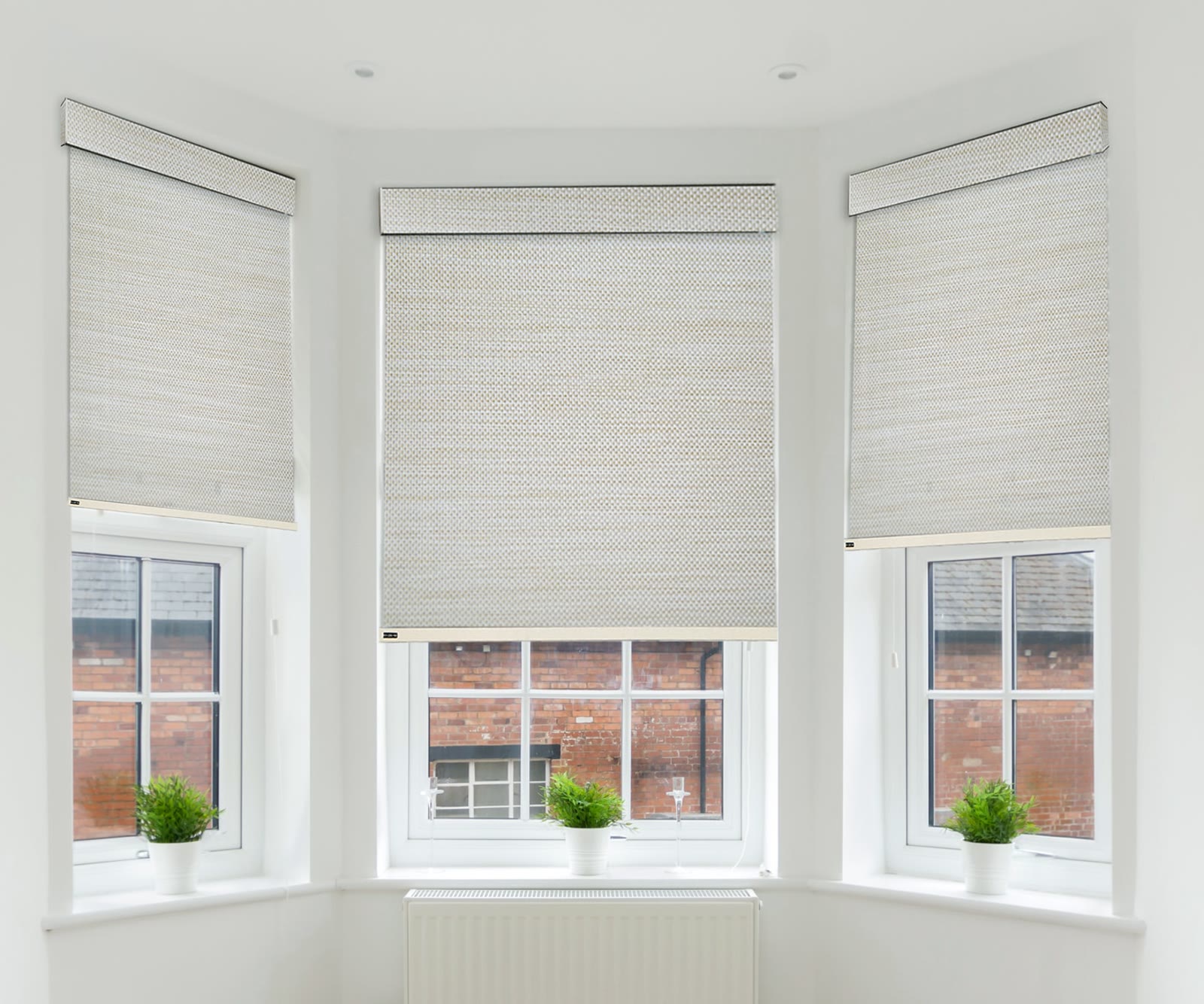
A bay window’s structure makes a three-shade plan natural.
This is the most common bay window roller shade layout:
- Center shade sized to the center section
- Left shade sized to the left angled section
- Right shade sized to the right angled section
Benefits:
- Easy to measure and install
- Clean alignment when shades are at the same height
- Lets you fine-tune privacy: you can lower only the street-facing side
If the center section is very wide, splitting it into two narrower shades can:
- Reduce roll tracking risk
- Make the shade stack smaller
- Improve long-term durability
If your bay window is in a main living space, pair this with the room-specific guidance in best roller shades for the living room.
World Wide Shades can recommend the optimal split based on center width—start in the Shade Builder.
Roller shade strategy for bow windows (why “multiple narrow shades” wins)
Bow windows are usually a set of narrower, repeating windows. The best result is typically one roller shade per lite.
Bow windows require more shades because:
- Each window is narrower
- The curve changes the “ideal” mounting line
- You want consistent alignment across multiple glass sections
A practical bow window plan often means 4–6 roller shades, coordinated to look like one continuous treatment.
To make multiple shades feel intentional:
- Align the top-of-shade line across all sections
- Use the same fabric and hembar style
- Consider a consistent fascia/cassette choice
For hardware aesthetics, see cassette headrail vs exposed tube roller shades.
World Wide Shades can design a coordinated bow-window set that looks seamless—get a layout recommendation through Contact.
Inside mount vs outside mount for bow and bay windows
Mount choice is where many bow/bay projects go sideways.
Inside mount looks tailored, but you need:
- Enough frame depth (often around 2 inches, depending on hardware)
- Square corners
- Consistent depth across each section
Inside mount works well when each section has a deep, consistent frame.
Outside mount is often the safer choice when:
- Frames are shallow
- Trim is uneven
- You want more coverage to reduce side gaps
Outside mount also makes it easier to hide light gaps when you use room-darkening or blackout fabrics.
If your goal is serious light control, compare the strategies in blackout curtains vs blackout shades.
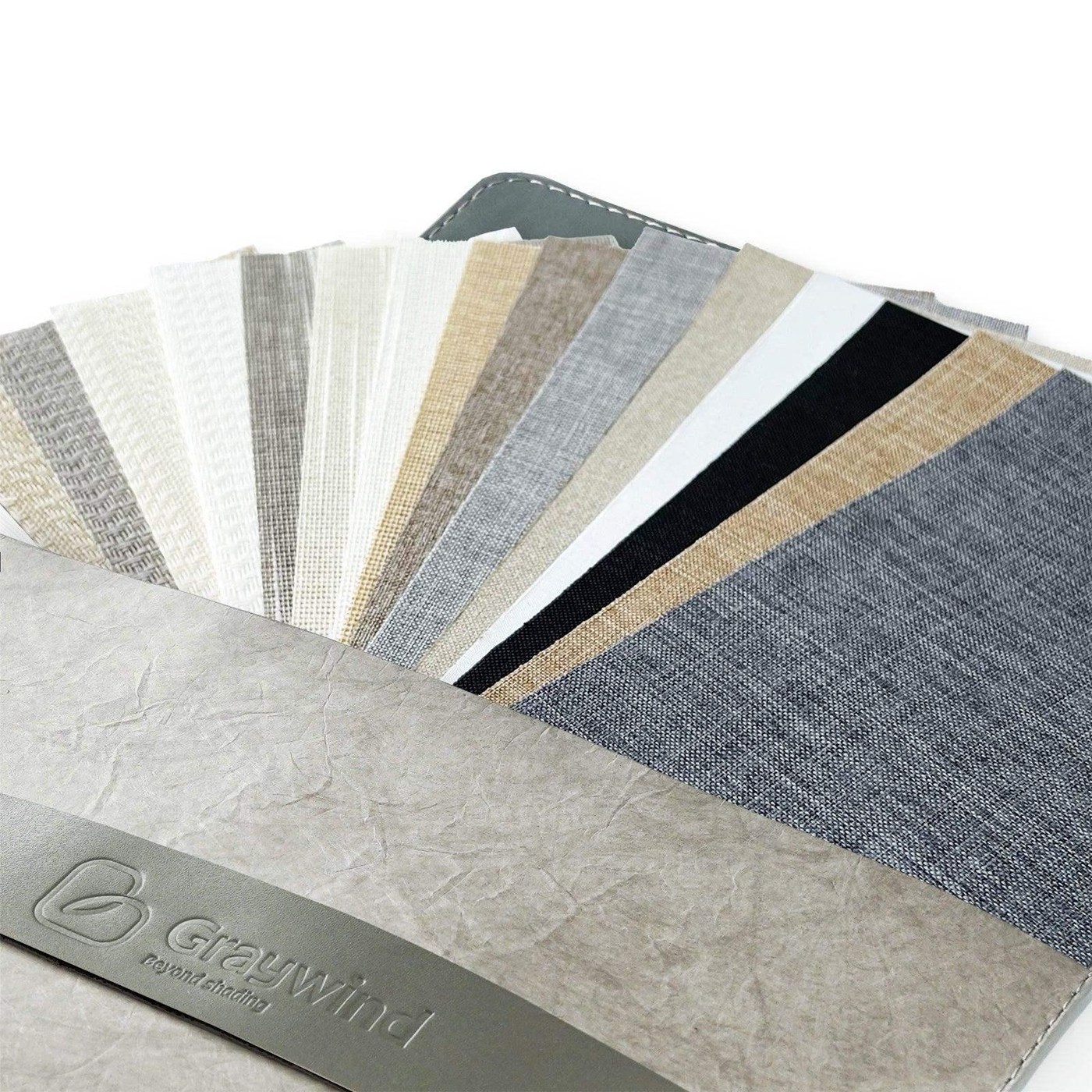
World Wide Shades can help you decide on mount style based on photos and dimensions—use Swatches to confirm fabric first, then finalize mount.
Fabric selection: matching privacy, view, and glare to the room
Bow and bay windows are usually focal points, so fabric selection should match how you actually use the room.
Most homeowners want:
- Softer light
- Reduced glare on screens
- Daytime privacy without blocking the view
That points to light-filtering or solar fabrics.
For sun-heavy rooms, compare options in best shades for south-facing windows.
Bedrooms often need stronger darkness. If the bay window is in a bedroom, see the full plan in best window shades for the bedroom.
These areas often need easy-clean fabrics and light control that won’t feel gloomy. See room-specific guidance in roller shades for kitchen and bathroom.
World Wide Shades can help match fabric type to room use—start a quote in the Shade Builder.
Light gaps: why bow/bay windows show leaks more than normal windows
Even if you choose blackout fabric, light can leak at:
- The sides (especially in inside mounts)
- The top (if the roller is exposed)
- The bottom (if the sill is uneven)
Bow and bay windows often amplify these issues because:
- You view them from an angle
- The window depth changes across the curve
- The sill line may not be perfectly level across sections
If you want a “tight” finish, consider:
- Outside mount for more overlap
- Fascia/cassette to reduce top light
- Side channels when total darkness matters
For a deeper guide to controlling gaps, use The complete bedroom blackout shade checklist.
World Wide Shades can build a light-control plan that matches your expectations—call (844) 674-2716 or use Contact.
Motorization and synchronization for multi-shade windows
Multiple shades don’t have to mean multiple hassles.
Motorization becomes valuable when:
- You have 3+ shades in one window group
- The windows are tall or hard to reach
- You want consistent daily use (open in the morning, lower in the afternoon)
A well-planned system can let you:
- Control all bow/bay shades together
- Fine-tune one shade when needed
- Add schedules and scenes
If you’re new to smart control, start with smart-home motorized shades setup.
World Wide Shades can recommend the right control method for a bow or bay group—get a quote in the Shade Builder.
Cost factors: what increases price in bow/bay window projects
Bow and bay windows often cost more because you’re buying multiple shades, not one.
Expect price to increase with:
- Number of sections (more shades)
- Motorization (especially for grouped control)
- Cassette/fascia upgrades
- Blackout and side-channel details
For a general budget baseline, use how much do custom roller shades cost.
If you’re pricing motorization, see how much do motorized roller shades cost.
World Wide Shades can map your bay/bow layout to a realistic budget—call (844) 674-2716 or start in the Shade Builder.
Bay and bow window measurement tips (so the shades line up)
Even if the windows look identical, measure each section. Old homes often have small variations.
If the sill line isn’t level, your shades may “look” uneven when lowered to the same position. In some cases, adjusting the mount height slightly can make the finished result look straighter.
Bay windows often have:
- Window cranks
- Locks that protrude
- Deep stools
Those may affect inside-mount feasibility.
For a measuring and drilling refresher, see how to install roller shades.
World Wide Shades will sanity-check measurements before you finalize—use Contact for help.
FAQ: Bow windows vs bay windows roller shades
Usually no. One large shade often exceeds practical width limits and rolls less reliably. A multi-shade plan looks cleaner and performs better.
Most bow windows use 4–6 separate shades—often one per window section—so the curve is covered evenly.
Only when each section has enough consistent depth and square framing. Outside mount is more forgiving and often reduces light gaps.
Solar fabrics (often 3%–5% openness) are a popular choice because they reduce glare and heat while keeping the view.
If you have multiple shades in one group, motorization helps ensure you actually use them. World Wide Shades can price grouped control in the Shade Builder.
Measure each window section separately, confirm level lines, and keep hardware consistent (same fascia/cassette style and hembar). A pro consult helps when the window is irregular.
Get a bow or bay window shade plan that looks seamless
Bow and bay windows are architectural features—your shades should enhance them, not fight them.
World Wide Shades will help you choose the right number of shades, mount style, and fabric openness for your exact bow or bay window layout. Start in the Shade Builder, order Swatches, or call (844) 674-2716 to talk through your window group.