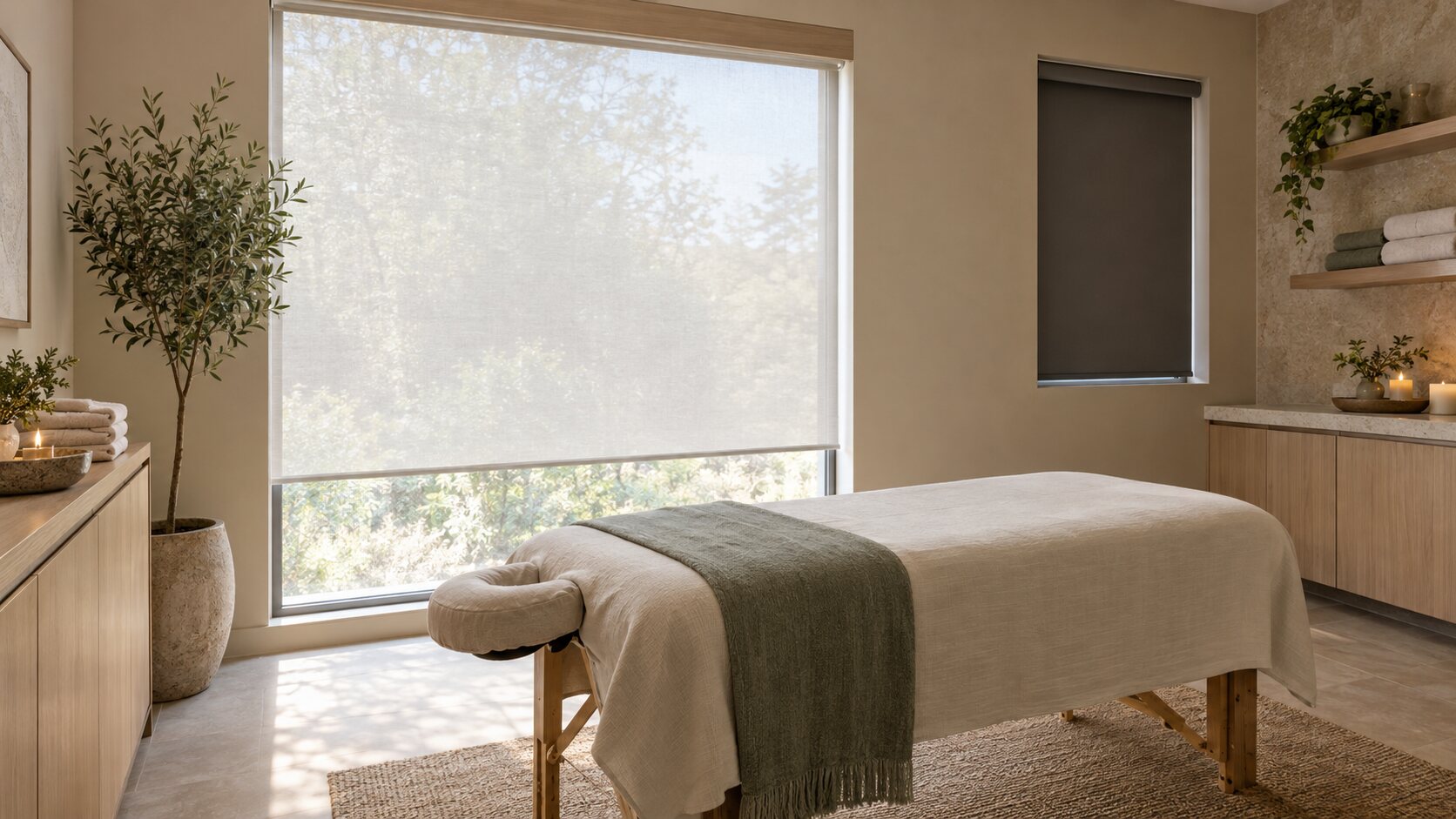
Roller shades for spa treatment rooms should support three everyday needs: comfortable privacy, gentle light, and a workable cleaning routine. Start with what guests do in the room, who can see the windows, and how staff maintain the space between appointments.
A room used for fully clothed consultations presents different concerns from one where guests change for massage. At World Wide Shades, we recommend choosing the privacy level first, then reviewing fabric care, mounting options, and controls. A beautiful shade is only useful when its details suit the service.
Define Privacy Around the Guest Experience
Think about privacy from every viewing position, not just from the treatment table. Consider someone standing on the sidewalk, walking through a corridor, or looking down from an adjacent building. Then consider a guest changing near the window with the room lights on.
Do not select an open-weave screen solely because it seems private during a daytime visit. For a spa project, make evening testing part of the decision: illuminate the treatment room and assess the proposed material from the actual exterior viewing positions. Include silhouettes, movement, and close-range visibility in that review.
If a guest will undress, choose a material specified for the required privacy rather than relying on exterior brightness. Review the entire installed opening, including the edges and bottom, before using the room for private services.
A corridor window needs its own privacy strategy because people may pass close to the glass. Where a shade covers a door or partition, plan for movement, access to handles, and any required vision panel. Ask the building team about applicable safety and local code requirements before covering glazing.
For a spa entrance with narrow glazed sidelights, our guide to roller shades for front-door sidelights can help you assess that adjoining glass separately from the treatment-room window.
Write a simple room rule, such as “lower privacy shades before the guest changes.” Bring that scenario to World Wide Shades through our treatment-room project contact form, or call (844) 674-2716 to discuss the window and service together.
Balance Soft Daylight With Dependable Coverage
Treat light filtering and blackout as different design choices, not competing quality levels. A facial room might need gentle daylight for consultation and a darker setting for relaxation. A massage room facing a busy walkway might place visual privacy above daylight throughout every appointment.
Consider a privacy-oriented light-filtering fabric when you want a softly illuminated room without preserving a view through the window. Evaluate a physical sample with someone standing behind it, using the room lighting and distances that matter for your guests.
Do not assume that every fabric labeled “light filtering” offers the same visual screening. Ask for the specific material’s privacy description and assess it for the intended service. Our light-filtering shade guide is a useful starting point for comparing that approach with more opaque coverage.
Choose blackout fabric when blocking light through the material is a priority, but evaluate the mounting system separately. A blackout fabric specification does not describe what happens around the shade’s edges, brackets, or sill.
For a room that needs both daylight and darkness, discuss a compatible dual-shade arrangement rather than asking one fabric to provide opposite experiences. Compare the space and care implications in our blackout curtains versus blackout shades guide. Before ordering, request World Wide Shades swatches and review them against your walls, linens, and actual room lighting.
Select Materials Around a Real Cleaning Routine
Begin fabric selection with the products and methods your team actually uses. Ask for written care instructions for the exact shade material, including its backing or coating, rather than relying on a broad description such as “commercial” or “easy care.”
For a massage room, consider where hands carrying lotion might touch the bottom bar or control. For a facial room, consider accidental product splashes and whether staff can reach the shade without leaning across equipment. Keep the shade outside predictable splash zones whenever possible.
CDC’s community-facility advice says regular cleaning is enough in most situations, recommends regular cleaning of high-touch surfaces, and advises cleaning other surfaces when visibly dirty (CDC facility cleaning guidance). Use that guidance as a starting point for an ordinary spa’s procedures, while checking requirements specific to your services and location.
Ask the shade manufacturer whether your intended cleaner, dilution, application method, and cleaning frequency are permitted. Do not interpret “wipeable” as permission to saturate the fabric or use every disinfectant. Avoid promising staff that a shade tolerates bleach, alcohol, steam, or scrubbing unless its written instructions specifically support that method.
CDC advises checking that a disinfectant is suitable for the surface and keeping that surface wet for the required contact time (CDC cleaning and disinfection instructions). If the shade cannot tolerate the required process, choose a different material or location rather than improvising a shorter application.
Use our roller-shade fabric selection guide to organize your questions. Then contact World Wide Shades about care requirements before settling on a fabric color.
Keep Moisture and Clinical Requirements Separate
A dry massage room, a humid facial room, and a wet treatment area should not share an automatic material specification. Describe expected moisture, nearby equipment, ventilation, and splash exposure when discussing the project. Do not assume that a shade suited to occasional wiping is intended for continuous dampness.
For rooms near showers or steam equipment, ask about the suitability of the complete assembly, including brackets, bottom bar, and motor if present. Let cleaned materials dry as their care instructions require before rolling them up. Our kitchen and bathroom roller-shade guide offers related planning considerations, but a spa’s actual conditions still need individual review.
An ordinary spa providing relaxation massage or beauty services should not be described as a hospital simply because its rooms are called treatment rooms. Conversely, a setting providing medical procedures needs its clinical team to determine applicable infection-control practices and local requirements.
CDC’s healthcare recommendations address healthcare facilities and call for following cleaning-product instructions, including material compatibility; they also address cleaning blinds and curtains in patient-care areas when visibly contaminated or soiled (CDC healthcare disinfection recommendations). Those recommendations are not a blanket mandate for every day spa.
If your facility provides clinical care, have its infection-prevention lead approve the shade specification and cleaning procedure before purchase. World Wide Shades can discuss product options, but the facility must establish the requirements its care setting demands.
Address Side Gaps Before Calling a Room Private
Evaluate fabric coverage separately from the overall shade width. Ask how much space the selected brackets and controls occupy, and how the fabric will sit relative to the glazing. A narrow exposed strip deserves attention when the adjacent walkway is close to the window.
An outside-mounted shade may be worth discussing when additional overlap is possible. Where stronger edge coverage is needed, ask whether a compatible channel or other privacy detail is available for the chosen system. Do not assume a generic accessory will work with every shade.
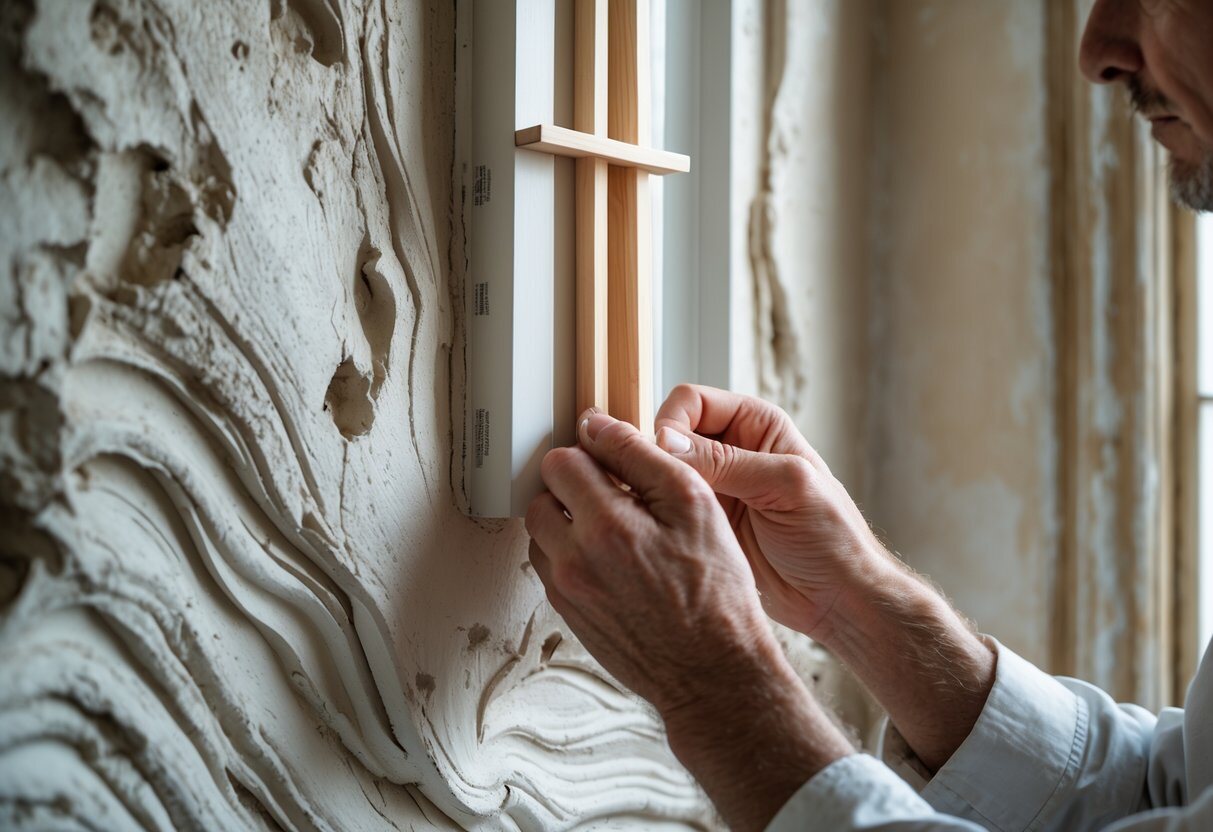
Older trim and uneven walls also deserve attention during installation planning. Review our guide to roller-shade bracket gaps and uneven walls, then check the installed shade from both inside and outside under realistic lighting. Keep furniture placement in that review: a changing area beside a fabric edge creates a different exposure than one farther into the room.
Before purchasing, start your shade configuration with World Wide Shades and confirm the proposed coverage for your opening. For help discussing a difficult reveal or nearby corridor, call (844) 674-2716.
Choose Controls Staff Can Use Consistently
Consider cordless or motorized operation when you want to avoid accessible operating cords. Review the complete product and installation, not just the control label, and keep remotes and wall controls in appropriate locations. Our child-safe window treatment guide provides related considerations for facilities welcoming families.
For motorized shades, make privacy part of the opening routine rather than depending entirely on a schedule. Assign a staff member to confirm the shade position before each private service, and decide what staff should do if power, a remote, or a network connection is unavailable.
If connected controls are being considered, review our local versus cloud motorized-shade control guide. Ask about available manual controls, operating noise, and power requirements before choosing the system. Keep the daily process simple enough for a substitute team member to follow.
Related roller-shade planning
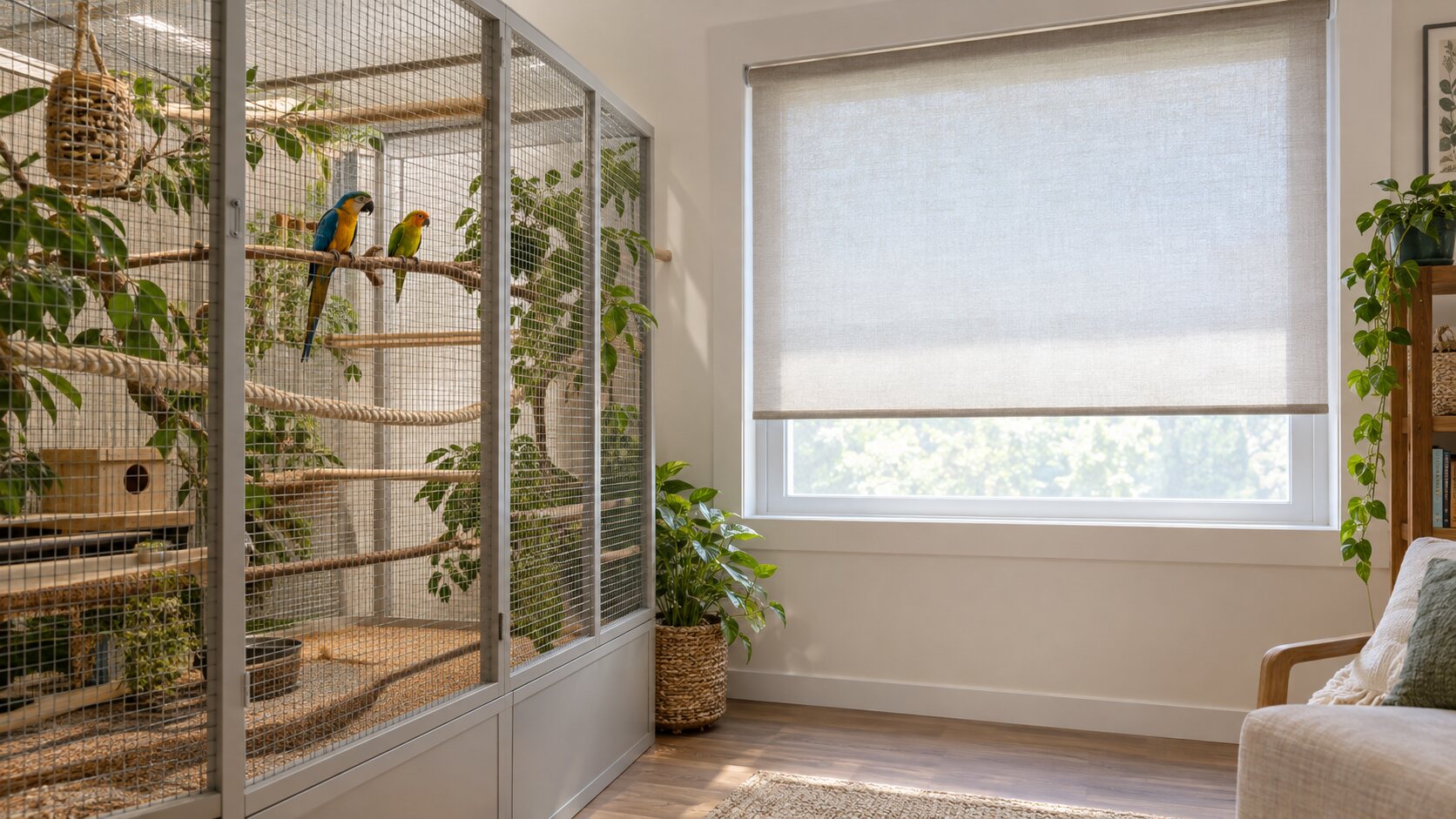
Other rooms raise related questions about how the shade fits and operates. Explore bracket gaps on uneven walls, daylight and mirror glare in yoga studios, local control for motorized shades, and safe window-shade choices for indoor bird aviaries.
Frequently Asked Questions
Only select them after verifying the specific fabric and installed coverage for changing and treatment activities. If silhouettes or movement remain visible during a realistic test, choose a more opaque material or a different privacy arrangement.
Do not assume that it will. Review the fabric edges, top, and bottom, and discuss compatible overlap or edge-control options when the room needs stronger light exclusion.
That depends on the exact material’s care instructions and your facility’s procedures. Obtain written compatibility guidance for the intended disinfectant and application method before making repeated disinfection part of the routine.
Do not specify them as interchangeable without reviewing the services and cleaning requirements. A clinical facility should involve its infection-prevention or clinical lead, while either setting should verify manufacturer compatibility and applicable local requirements.
Start with the guest’s privacy needs, then evaluate lighting, cleaning, fit, and controls together. Request swatches from World Wide Shades, or contact our team about your spa project to discuss those priorities before configuring the final shade.