Solar shades and blackout shades solve different window problems. Solar shades reduce glare and solar intensity while preserving a filtered view. Blackout shades prioritize darkness and privacy, usually with a more opaque fabric and closer attention to edge gaps. The best choice depends on the room, exposure, sleep schedule, and whether you want to see outside.
World Wide Shades can help specify either treatment, a dual-shade system, or different fabrics for different windows. Compare options in the online builder, order swatches in actual daylight, or contact World Wide Shades with your room dimensions. This guide separates the performance questions so “light control” does not become an overgeneralized promise.
Solar shades: view and glare control
Solar shades use an open-weave screen to reduce brightness while keeping some view through the fabric. Openness factors commonly range from 1% to 10%. A 1% screen filters more view and glare; 3% is a common balance; 5% and 10% provide a more transparent appearance but allow more daylight and can provide less privacy after dark.
They work well in living rooms, offices, breakfast areas, and bedrooms where you want to see trees or sky. Solar fabric can make a television or monitor easier to see by lowering contrast at the window. It does not make a room fully dark, and street-facing windows can reveal silhouettes once interior lights are on.
Build a solar shade with World Wide Shades and order samples to test the screen from the sofa or bed. Read UV protection window shades and best shades for south-facing windows when direct sun is a major part of the decision.
Blackout shades: darkness and privacy
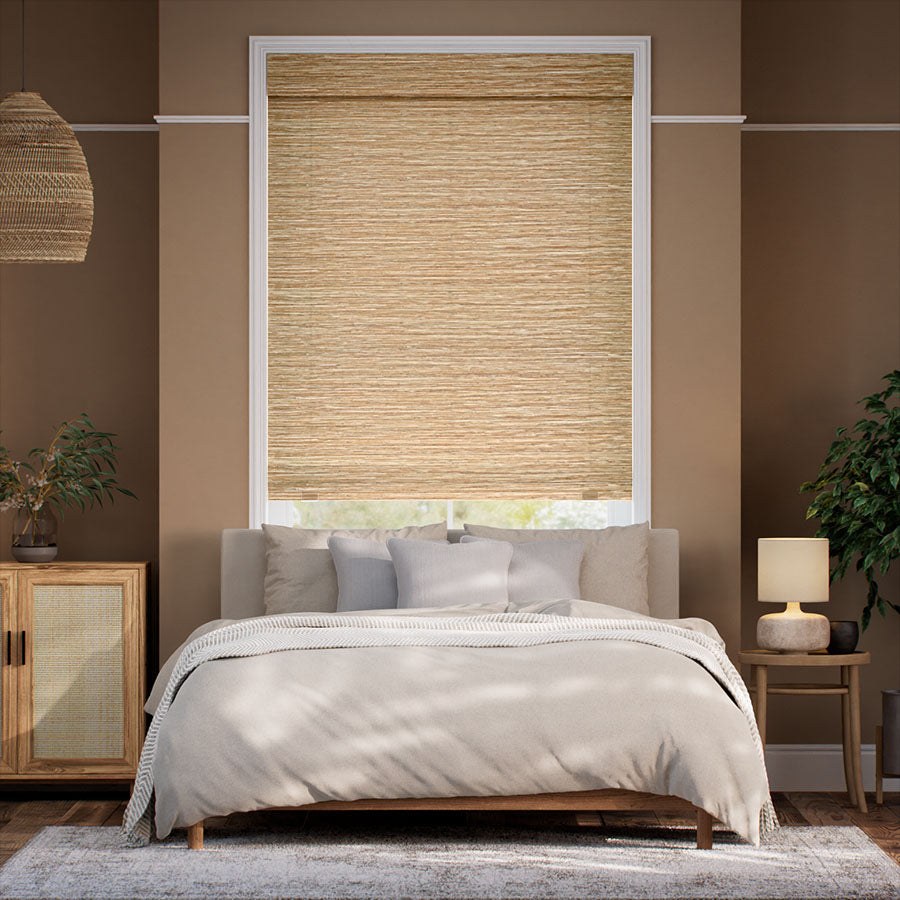
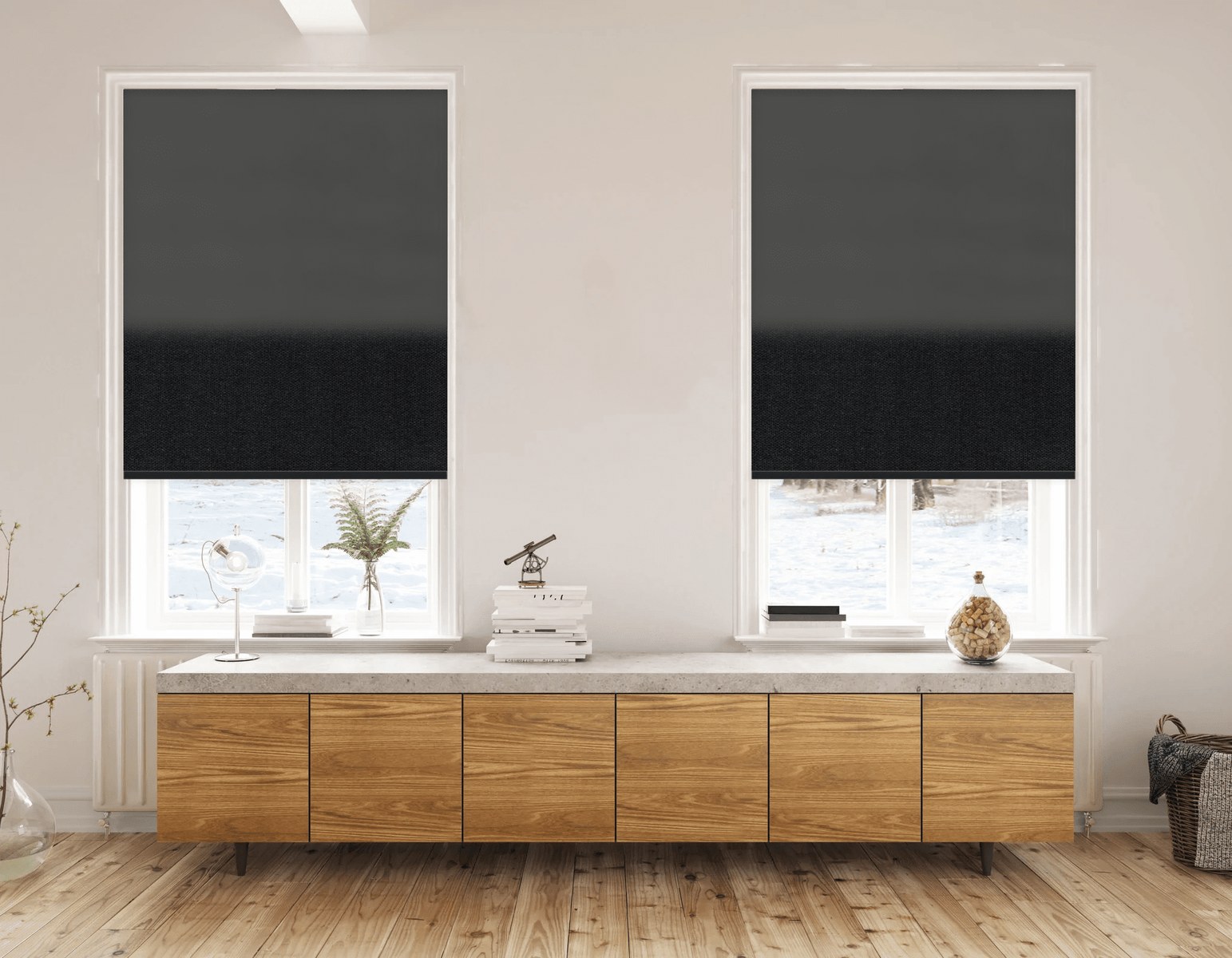
Blackout shades use an opaque or coated fabric designed to block most visible light through the material. They suit bedrooms, nurseries, media rooms, and any space where sleep or projection depends on lower light. Blackout fabric can reduce the brightness of a room dramatically, but “blackout” does not always mean a perfectly dark box.
Light can enter around the sides, top, bottom, and gaps between adjacent shades. An inside-mounted shade may leave a perimeter of glow. An outside mount with 2 to 3 inches of overlap per side, a cassette, and side channels can improve coverage. Compare blackout curtains versus blackout shades for a broader room-darkening plan.
World Wide Shades can help match a blackout fabric to the sleep room rather than using one opacity everywhere. Contact World Wide Shades with window direction and desired darkness, then request swatches against bedding and paint.
Side-by-side performance comparison
Solar shades win if the outdoor view matters. Blackout shades intentionally obscure the view when closed. A dual roller system can provide both: a solar layer for the day and an opaque layer for sleep.
Solar screens are generally better for reducing glare while maintaining usable daylight. Blackout fabric removes much more light but can make a room feel visually closed. For a home office, a solar shade is often more practical; for a nursery nap window, blackout may be more useful.
A low-openness solar shade can look private in daylight but may show shadows at night. Blackout fabric gives stronger privacy through the material, although edge gaps still matter. If a room faces a sidewalk, test a lamp-on condition before ordering.
Both can reduce direct sun when closed, but the outcome depends on fabric color, window glass, fit, and exposure. The energy-efficient window shades guide explains why performance cannot be inferred from opacity alone. Ask World Wide Shades for available solar and thermal data.
Solar shades have a clean, architectural look and come in many neutral colors. Blackout shades can be smooth and minimal, or they can sit behind a decorative treatment. A dual system adds hardware depth and cost, so confirm headroom before choosing it.
Which rooms need which shade?
A bedroom often benefits from blackout fabric if sunrise, streetlights, or irregular work hours affect sleep. A living room with a view generally benefits from a solar screen. A nursery may use blackout for naps and a softer light-filtering fabric for daytime play. A media room usually needs blackout plus careful edge coverage.
A south- or west-facing office may need a 1% or 3% solar screen so the desk remains usable. A breakfast nook may prefer a 3% or 5% screen. A glass door beside a bed may need a blackout roller with a shallow profile. See best window shades for a bedroom, light-filtering shades guide, and roller shades for French doors.
Use the World Wide Shades builder to model the room's function, order swatches, and contact the team if adjacent windows need different fabrics but a coordinated appearance.
Mounting and measuring
Measure each opening separately even when windows appear identical. Record width at the top, middle, and bottom and keep the narrowest width. Measure height at the left, center, and right. Note handles, cranks, trim, sill depth, and any obstruction near the roll.
Inside mounts maximize trim visibility but leave more potential edge gaps. Outside mounts can improve coverage and make a window look taller or wider, but they need wall space. A cassette reduces the visible roll; side channels can improve blackout performance on some configurations. The how to install roller shades guide covers basic mounting decisions.
Contact World Wide Shades for a second opinion on an unusual frame. Call (844) 674-2716 for a wide window, a recessed opening, or a shade mounted above a door.
Motorization and daily routines
Motorization is useful when shades are high, wide, numerous, or part of a consistent sleep routine. A solar shade can lower to 30% when afternoon glare starts; a blackout shade can close at bedtime; a dual system can switch layers for a movie or a nap. A rechargeable motor often adds $150 to $350 per opening. Hardwired work can add $300 to $600 or more when walls need electrical access.
Read smart-home motorized shades setup and motorized shades Alexa and Google Home before choosing a hub. World Wide Shades can specify a remote-only solution when you do not need voice control. Configure your operating style, order fabric swatches, and contact World Wide Shades. Call (844) 674-2716 when the shades must coordinate with lighting, alarms, or a sunrise routine.
Cost guide
A custom manual shade for a standard window may fall around $150 to $350. Solar performance, blackout construction, cassettes, side channels, dual rollers, and motorization can move one opening to $400 to $1,000 or more. A three-window bedroom with blackout motors could reasonably range from $1,200 to $3,000.
Ready-made products may have lower initial prices, but compare fit, edge coverage, replacement parts, installation, and warranty. Use the World Wide Shades builder for a configuration and contact the team for a project-specific quote.
Solar versus blackout FAQ
No. Solar shades filter glare and preserve some view; room-darkening or blackout shades prioritize lower light. Choose based on the room's function rather than the generic phrase “light control.”
They can reduce visibility, but many solar fabrics reveal silhouettes when interior lights are on. Test nighttime conditions or choose an opaque layer. Order World Wide Shades swatches and evaluate them with a lamp behind the fabric.
The fabric can block most light through the material, but gaps around the shade may glow. Outside mounting, a cassette, and side channels can improve darkness. Contact World Wide Shades for edge-coverage guidance.
Blackout is usually better when sleep depends on darkness. Solar can work when you want a view and only need glare control. A dual roller system provides both performance modes.
Custom manual shades often start around $150 to $350 per standard opening. Specialty fabrics, dual layers, hardware, and motors can raise the total to $400 to $1,000 or more per opening. Build a configuration for a more relevant range.
Yes. World Wide Shades can coordinate the color and hardware while matching each room's exposure and function. Contact the team with a window list and preferred privacy level.