Why transom windows are easy to overlook
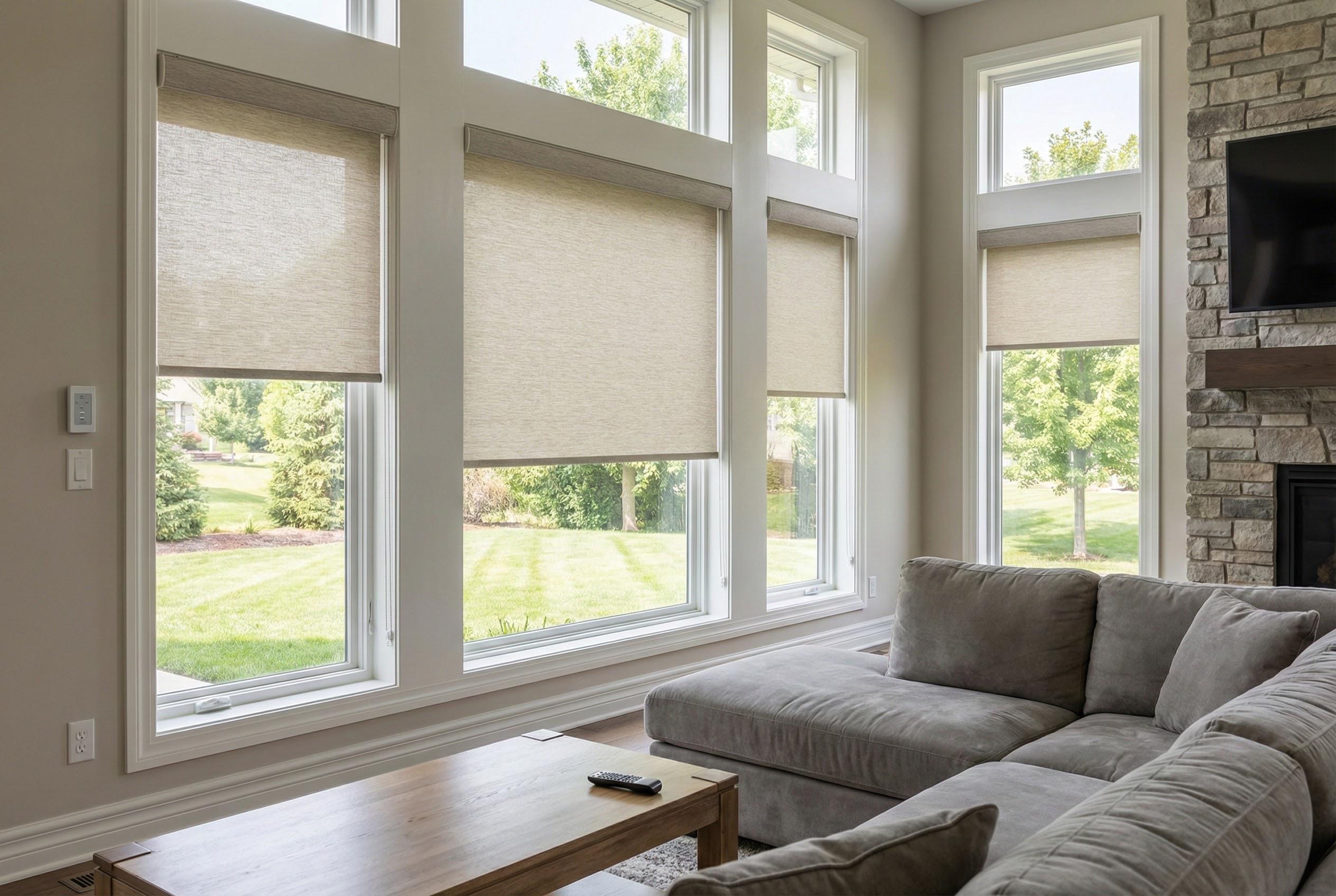
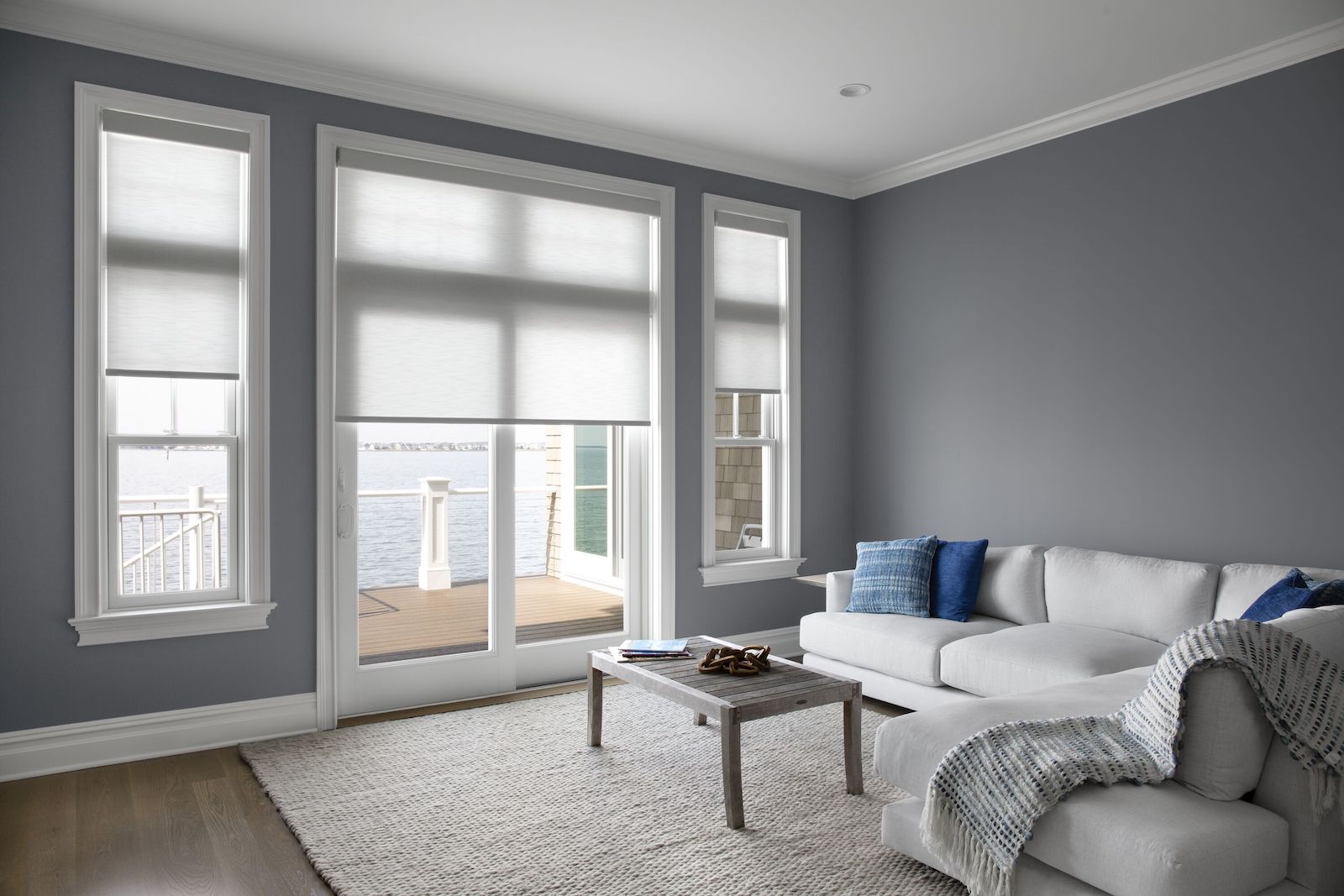
Transom windows sit above doors, larger windows, or interior openings, often several feet above eye level. They bring daylight into a hallway, office, entry, or living room, yet that high glass can still create glare, silhouettes, and unwanted visibility from a taller neighboring building. Transom window roller shades solve a problem that curtains and standard-width treatments often cannot: they fit a narrow, elevated opening without adding visual bulk.
The key is to decide whether the transom’s main job is daylight, privacy, glare control, or architectural balance. A small shade lowered halfway may be perfect for afternoon glare, while a bedroom transom facing a street may need full closure after dark. World Wide Shades can match the fabric, cassette, and operating method to the opening rather than forcing a standard window solution. Begin a custom transom shade plan.
For overhead glass that receives direct sun, compare the guidance in skylight roller shades for solar heat.
Our transom and clerestory window shades guide covers the architectural use case. For fabric selection, compare our light-filtering shades guide and window shades color guide.
Decide what the shade must control
A transom above a work surface can put a bright strip of light across a monitor or floor. A 3% or 5% openness solar screen can soften direct sun while keeping the opening visually light. A light-filtering fabric diffuses the glow further and can make a narrow shaft feel less harsh. Test the fabric at the problem hour; a showroom sample under even lighting does not show the same contrast.
High glass is not automatically private. A neighbor on an upper floor, a nearby hill, or a bright interior can turn a transom into a view into the home. Solar screen fabrics that look opaque from outside during the day may reveal silhouettes at night when interior lights are on. If nighttime privacy is essential, choose a light-filtering, room-darkening, or blackout fabric and close it before turning on the room lights.
Even a narrow transom can expose wood trim, art, and flooring to direct light. The U.S. Department of Energy notes that window coverings can help manage solar heat gain, daylight, and glare (Energy Saver: Window Coverings). For rooms with valuable finishes, read our UV protection window shades guide and choose a shade that is easy to close consistently.
Request fabric swatches from World Wide Shades so you can view daytime openness and nighttime privacy before placing a multi-window order. For a high-window review, call (844) 674-2716 or contact World Wide Shades.
Measure more than width and height
Record the smallest width and height at three points, then measure the available mounting depth and the distance to the door or window below. A transom may have only 1 1/2 inches of recess, while a decorative casing can project far enough to require an outside mount. Note mullions, alarm contacts, sprinkler heads, crown molding, and any trim that could block the cassette or hem bar.
High windows are difficult to reach, so identify the control location before the shade is ordered. A cord or chain may be unsafe, impractical, or visually distracting. A remote, wall switch, rechargeable motor, or hardwired motor can put control at a usable height. If the transom is above a door, confirm that the shade does not interfere with the door’s swing, closer, or latch.
For a bank of transoms, measure each opening independently even when they look identical. Framing can vary by 1/8 inch or more, and a continuous shade may be heavier and harder to operate than separate units. World Wide Shades can compare a single shade, linked shades, and a split arrangement based on the span and the desired alignment. Send your dimensions for a review.
Choose one shade, a split, or linked units
A single shade creates a clean line, but it becomes heavier as the opening grows. A split shade can reduce motor load and let you control a sunny section without darkening the entire wall. Separate units also make sense when transoms serve different rooms or orientations. Align the fabric and bottom rails so the bank still reads as one architectural element when closed.
For a long opening above French doors or a sliding door, confirm handle clearance and the active panel. Read roller shades for French doors and roller shades for sliding glass doors before selecting the split line. World Wide Shades can coordinate seams with mullions rather than placing a division in the most visible part of the glass.
Fabric and mounting options
An inside mount keeps the trim visible and looks integrated, but it requires enough depth for the cassette and leaves small light gaps at the edges. An outside mount covers the frame and can reduce side light, yet it needs a flat surface and enough overlap. For a narrow transom, a small cassette and a fabric that rolls tightly can preserve the glass area.
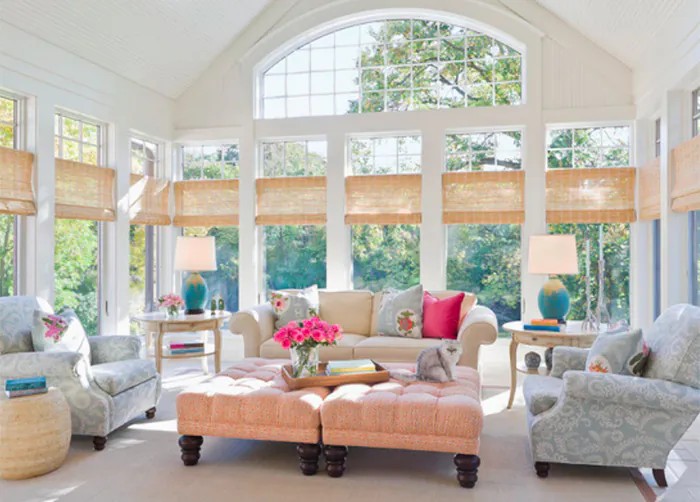
Neutral colors generally keep a high band of glass from becoming a visual stripe. A dark screen may reduce perceived glare but appear more prominent from the room; a light fabric can blend with trim while changing the quality of daylight. Compare the material with adjacent treatments, including any living-room or bedroom shades. Our best shades for a living room guide can help coordinate the larger windows.
Motorization makes high glass usable
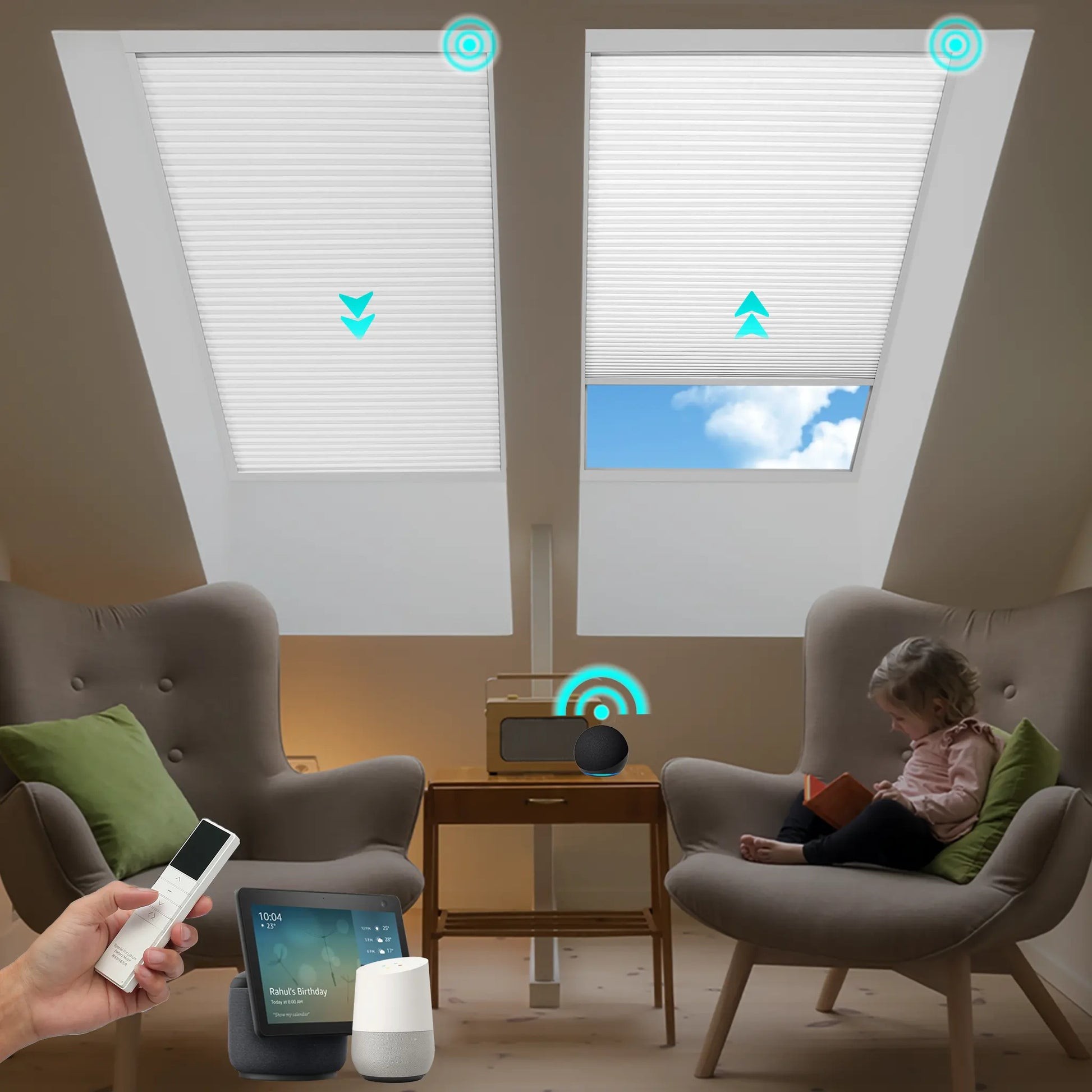
If the transom is above a stair, entry, or tall wall, motorization turns a difficult manual task into a normal daily control. A rechargeable motor can work when the shade is reachable for periodic charging. Hardwired power is worth discussing during construction or when access requires scaffolding or a tall ladder. For control integration, use a simple wall control first, then add scenes if the behavior is predictable.
A useful routine might lower west-facing transoms to 60% at 3 p.m., close them at sunset, and reopen them at 8 a.m. if privacy permits. Avoid an arrival scene that opens high glass after dark. Combine a local control with automation so a guest can change the position without a phone. World Wide Shades can help you choose motor power and control based on the final width and fabric weight. Call (844) 674-2716 for a project review.
For smart-home ideas, explore SmartThings motorized shades integration and geofencing motorized window shades. Automation is especially valuable for high windows because consistent operation protects the room without requiring a ladder.
Installation and maintenance details
The installer should verify that the mounting surface is secure and level. A slightly out-of-square cassette can cause fabric telescoping or uneven rolling. On a narrow shade, the bottom rail may look visibly crooked if the side gaps differ. Leave access to the motor and ensure the shade can be serviced without removing trim.
Dust settles on high ledges and can transfer to the fabric. Use a soft brush or low-suction vacuum attachment rather than scrubbing the material. Never spray cleaner directly onto a roller shade. Ask for the fabric’s care instructions, especially if the transom is above a kitchen where airborne grease is common.
Transom window roller shades FAQ
Sometimes. High glass can still cause glare, solar heat, UV exposure, and nighttime silhouettes. The need depends on orientation, neighboring sightlines, room use, and the finishes below the window.
A 3% to 5% solar screen is a common starting point for daytime glare with a view. Choose light filtering, room darkening, or blackout when nighttime privacy or sleep matters more than preserving the view.
Yes. Motorization is often the most practical choice when the opening is too high for comfortable daily operation. Select rechargeable, plug-in, or hardwired power based on access, shade size, and construction stage.
A split or linked arrangement can reduce weight, motor load, and service difficulty. One shade may look cleaner on a modest span. The best option depends on width, mullions, mounting depth, and the desired independent control.
There is no single number for every opening, but overlap should cover the frame and reduce edge light without colliding with trim or the door below. World Wide Shades can specify the finished width after reviewing the mounting surface.
World Wide Shades makes high glass easier to live with through accurate measuring, appropriate fabric, and usable control. Call (844) 674-2716 or design your transom shades, request swatches, or contact World Wide Shades.