Why SmartThings motorized shades need a plan
SmartThings can turn a collection of motorized window coverings into a coordinated home system, but reliable results start with shade design rather than app settings. Each opening has a different job: a bedroom may need blackout at bedtime, a living room may need glare control after lunch, and a street-facing room may need privacy the moment your household leaves. A good SmartThings motorized shades plan maps those jobs before anyone creates a scene.
The practical goal is not to make every shade move at once. It is to make the right shade move at the right time, with a manual option when a guest or changing weather makes the routine inconvenient. World Wide Shades can help you choose fabric openness, cassette style, motor power, and control options before you start programming. Start a custom shade plan with World Wide Shades.
For location-aware routines, pair this guide with geofencing motorized window shades.
For a broader look at hub-based scenes, compare this approach with our smart home motorized shades setup guide. If you want to see how scenes differ from simple schedules, our guide to smart home shade scenes and automations is a useful companion.
How the SmartThings connection works
SmartThings is the orchestration layer. A shade motor, bridge, or compatible controller does the physical work; SmartThings supplies routines, device groups, presence inputs, and condition logic. Compatibility can depend on the motor protocol, bridge, firmware version, and whether a device is exposed as a shade, blind, or generic actuator. Confirm those details before buying five or ten units for a whole home.
A typical architecture has four parts:
- Shade hardware: a quiet tubular motor, rechargeable battery, plug-in supply, or hardwired motor sized for the fabric roll and shade width.
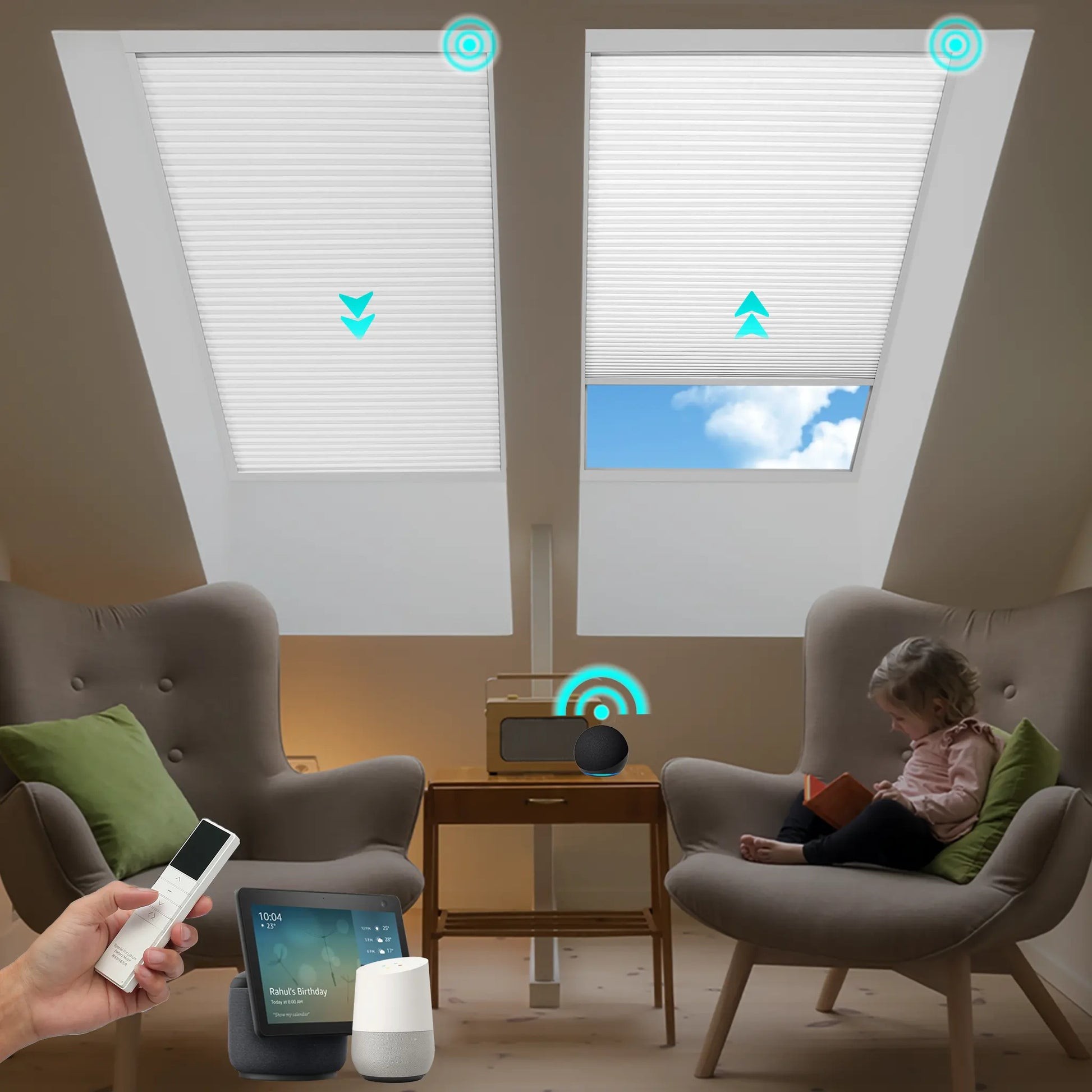
- A bridge or hub: the device that translates the motor’s protocol into SmartThings commands when direct pairing is not available.
- A SmartThings location: the home, floor, or property where devices, rooms, members, and presence states are organized.
- Routines and scenes: repeatable instructions such as “close west-facing shades at 3:30 p.m. when the sun is bright.”
Treat the bridge as infrastructure. Put it in a central location, keep it on a dependable network, and avoid hiding it inside a metal cabinet. A 2.4 GHz Wi-Fi connection often reaches farther than 5 GHz through walls, while a mesh network can improve coverage across multiple floors. Exact requirements vary by motor and bridge, so World Wide Shades will verify the selected system before your order is finalized.
Build room-by-room automations that feel natural
A bedroom routine can close blackout or room-darkening shades at 9:30 p.m., open them to 20% at a weekday wake time, and stay closed on weekends until a later trigger. Use a physical remote or wall control beside the bed as a direct override. If two windows receive different morning light, group them only for bedtime; separate them for the wake scene.
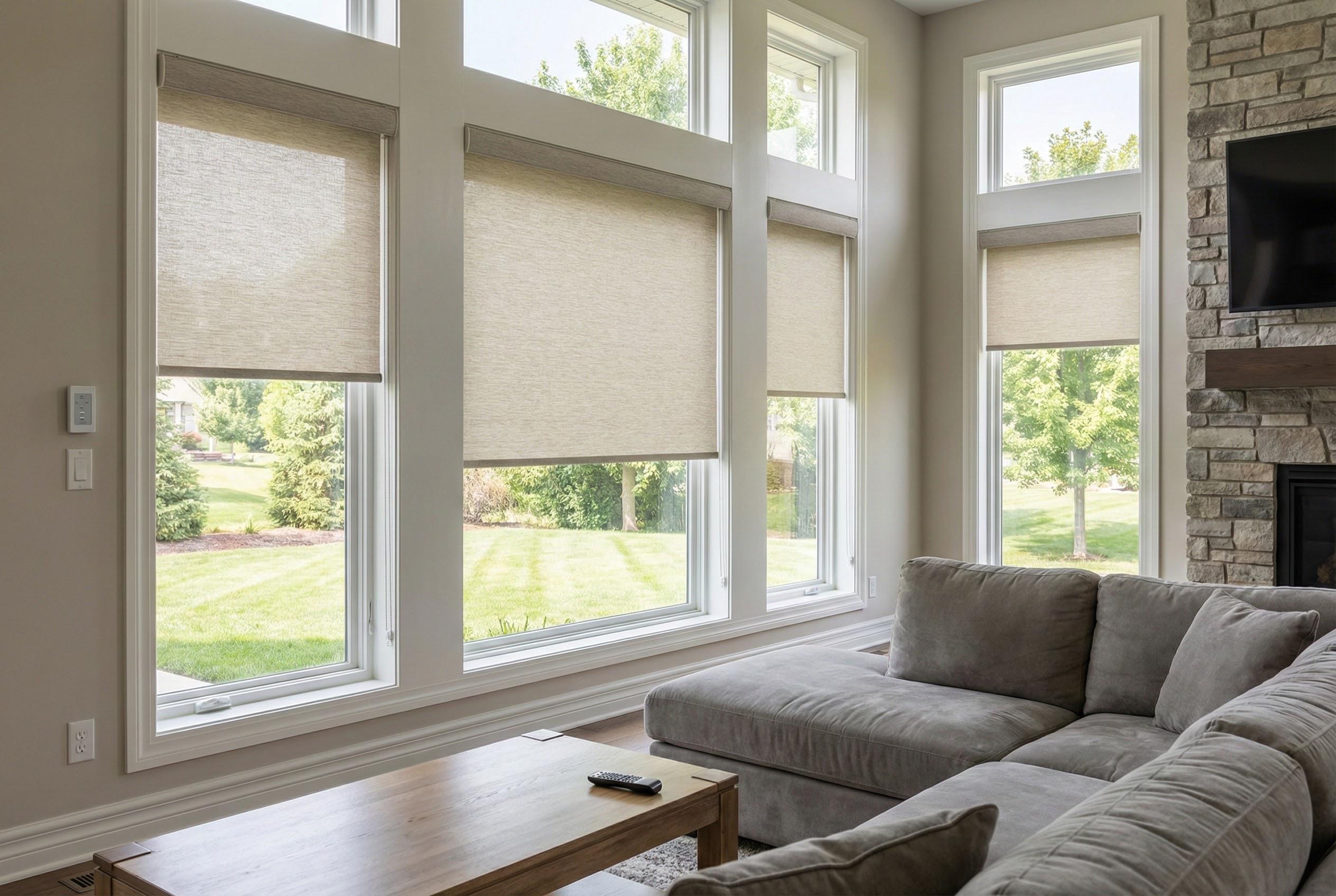
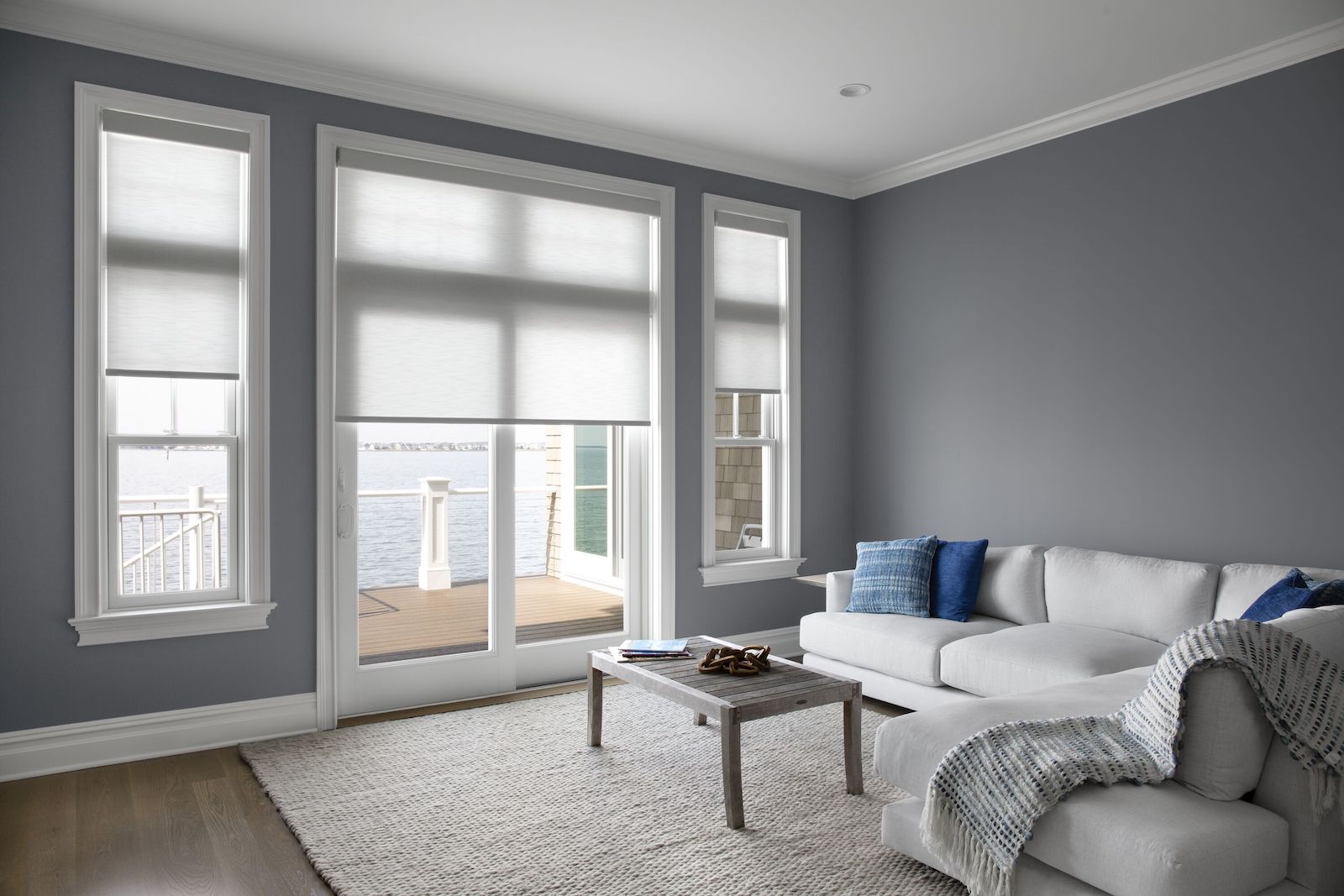
For a south- or west-facing living room, a 35% to 50% openness solar screen can reduce direct glare while preserving a daytime view. A practical scene might lower the west window group to 60% at 2 p.m., then close to 20% during late-afternoon television use. The percentage is a starting point, not a promise of exact visible openness; fabric color, glass, and sun angle change the result. Read our best shades for south-facing windows guide before choosing the fabric.
Kitchen shades should respond to strong low-angle light without blocking the counter. Consider a light-filtering fabric, a 40% preset, and a manual “cooking” scene that leaves the window open above the sink. Avoid placing a shade schedule directly over a door or appliance task if it creates a collision with daily use. World Wide Shades can help coordinate the shade depth with cabinets, trim, and backsplash clearances.
A home office routine can lower shades during a video call or when a lux sensor reports glare. Do not make occupancy the only condition: a geofence can be late, a phone can lose location permission, and a guest may not carry the household member’s device. Pair a schedule with a manual scene and set an opening limit that keeps a monitor readable. For fabric strategy, see our light-filtering shades guide.
Request fabric samples from World Wide Shades so you can test glare, privacy, and screen contrast in the actual room rather than judging a small online color chip. For motor compatibility help, call (844) 674-2716 or contact World Wide Shades.
A reliable seven-step setup
- List every opening. Record room, width, height, orientation, desired privacy, and whether the window is a door, skylight, transom, or standard opening.
- Choose the operating mode. Decide which rooms need blackout, light filtering, solar screen, or dual shades. One fabric across the house is rarely the best automation plan.
- Confirm motor capacity. Wider or heavier shades need a motor rated for the finished roll. Battery life is affected by shade size, fabric weight, travel distance, and daily cycles.
- Confirm the control path. Ask whether the selected motor pairs directly with SmartThings or requires a bridge. Verify supported commands such as open, close, stop, and percentage position.
- Name devices consistently. Use names such as “Office West 1” and “Office West 2,” not “Shade 7.” Put every device in the correct SmartThings room before creating scenes.
- Program one room first. Test a morning scene, a privacy scene, a manual override, and a network-outage fallback. Then duplicate the logic instead of troubleshooting ten rooms at once.
- Review after seven days. Note late sun, unexpected glare, battery alerts, and times when people manually changed a position. The best routine reflects observed behavior, not a theoretical schedule.
For battery and wiring decisions, compare our hardwired motorized shades wiring plan with our explanation of motorized shade battery life expectations. World Wide Shades can help you decide whether a rechargeable motor is adequate or whether a low-voltage power plan is more appropriate.
Reliability rules that prevent frustrating routines
Keep “must happen” and “nice to have” logic separate. A bedtime privacy routine should not depend on a weather API, a voice assistant, and a presence state all being available. Use one clear trigger and one or two conditions. For example, “at 10 p.m., close the bedroom shades” is more dependable than “if a person is home, the moon is below the horizon, the TV is off, and the weather is clear.”
Build a fallback for every automated room. A wall switch, handheld remote, or local control should still move the shade if the internet is down. Keep a note of motor reset steps and bridge placement. If one device reports an error, test the motor locally before rebuilding the whole routine. A single misnamed group or duplicate device can make a routine appear unreliable when the shade hardware is fine.
Use position percentages thoughtfully. Many systems accept a 0-to-100 value, but the physical result may vary slightly because fabric rolls, hem bars, and calibration differ. If privacy matters, close fully rather than trusting 10%. If glare matters, start at 50%, observe the room at the problem hour, and adjust in 5% increments. Never assume an open shade provides privacy after dark; interior lights can turn a translucent fabric into a silhouette screen.
When to choose custom shades instead of generic devices
Off-the-shelf smart shades may suit a narrow, standard window with easy access to a charging cable. Custom shades become more valuable when openings vary, windows sit close to handles, the room needs a clean cassette, or you need coordinated colors across several rooms. A custom order also lets you address inside-mount depth, outside-mount overlap, extra-wide spans, French doors, and specialty openings before installation.
Review custom roller shades versus Home Depot options and how much custom roller shades cost to compare the trade-offs. World Wide Shades can turn the room list into a coordinated package, including fabric samples, mounting recommendations, motor selection, and a control strategy. Talk with World Wide Shades about your SmartThings project or call (844) 674-2716 for help with the opening-by-opening plan.
SmartThings motorized shades FAQ
No. Compatibility depends on the motor protocol, bridge, firmware, and the commands exposed by the integration. Confirm direct pairing or bridge requirements before ordering. World Wide Shades can help verify the control path for your selected shade system.
No. A 50% position in a west-facing office may still produce glare, while the same position in a north-facing bedroom may be comfortable. Set percentages by room function, orientation, and fabric openness, then refine them after observing the space.
They can be, provided the motor is correctly sized and the charging plan is practical. Shade width, fabric weight, travel distance, and number of daily cycles affect battery life. Use a hardwired or plug-in option where access is difficult or the shade is exceptionally wide.
Start with one simple, high-value routine: close a bedroom or street-facing shade at a consistent evening time, then test local control and a manual override. Add lighting, weather, and presence conditions only after the basic command works consistently.
Yes. A remote, wall control, or local button is important for guests, unusual weather, and network interruptions. Automation should remove repetitive work, not remove human control.
World Wide Shades designs motorized shade packages around real rooms, not just app screenshots. Call (844) 674-2716 or build your room-by-room solution, order swatches, or contact World Wide Shades to begin.