Why sliding glass doors need purpose-built shades
Sliding glass doors combine a wide span, moving panels, handles, tracks, and frequent traffic. Roller shades for sliding glass doors must control glare and privacy without blocking the panel, catching on the handle, or becoming a daily obstacle. The best solution is designed around how the door opens, where people walk, and which side receives the most sun.
A standard window shade can look fine in a photo and still fail when a family uses the door twenty times a day. Measure the moving panel, stationary panel, frame, handle projection, headroom, and nearby furniture. World Wide Shades can coordinate the shade split, cassette, fabric, motor, and mounting method for the actual opening. Start a sliding-door shade plan.
For another specialty opening, compare transom window roller shades when high glass sits above the door.
For a related door application, read roller shades for French doors. If the opening is a wall of glass, compare outdoor roller shades for a patio and our best shades for south-facing windows.
Choose the right split for the active panel
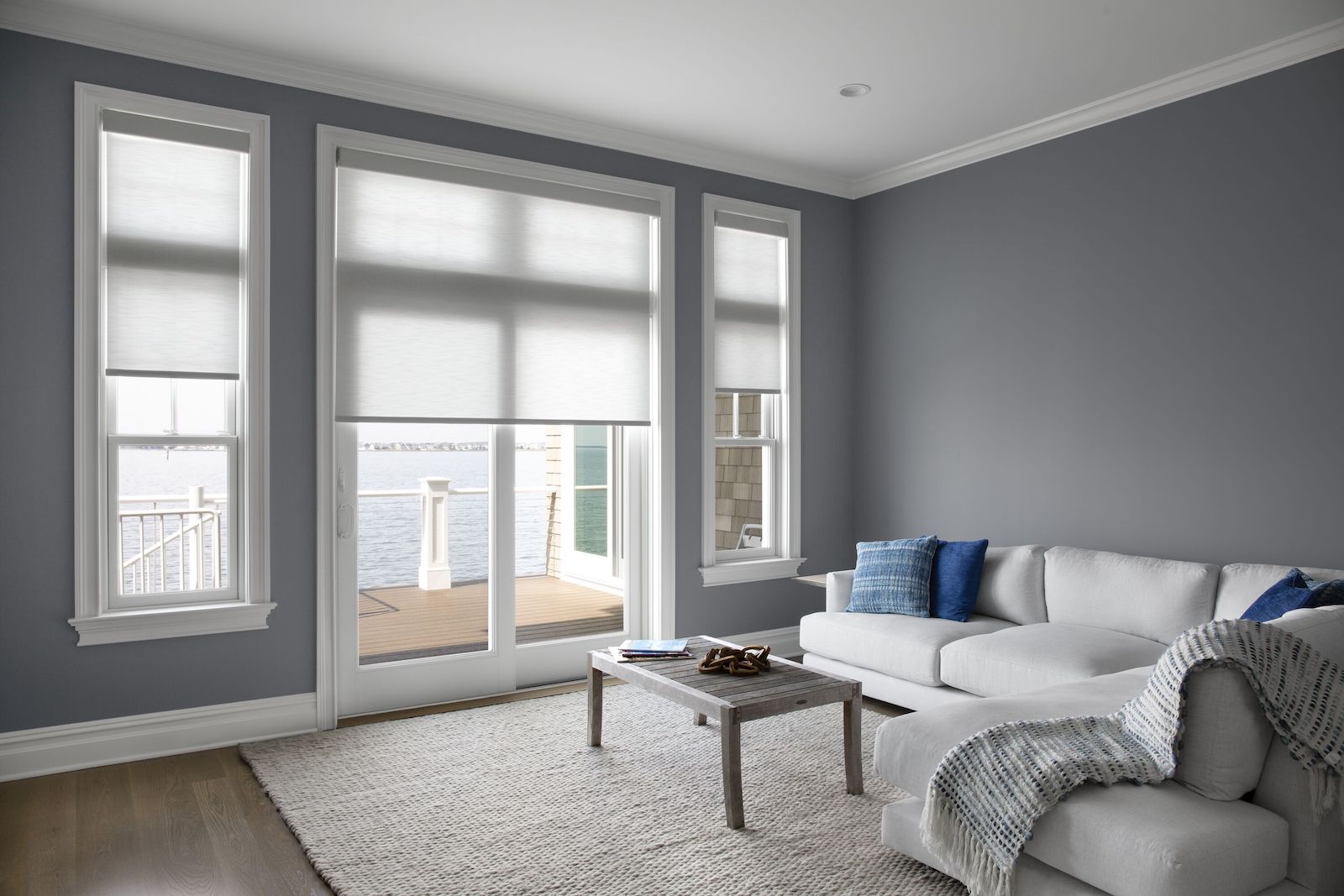
The split is the line where two or more shades meet. Ideally, it aligns with the door’s meeting stile or a mullion, not the center of a handle or a main sightline. A two-shade arrangement lets you raise the active panel’s shade while leaving the stationary panel covered. A single wide shade can look seamless but may be heavier, more expensive, and harder to operate.
Before choosing the split, identify which panel moves, which direction it travels, and whether the active panel changes seasonally. Measure the handle from the glass and from the top of the frame. The fabric and bottom rail need enough clearance to move past the handle without rubbing. If the shade sits outside the opening, calculate the projection from the wall and check for drapery rods, shelving, and adjacent doors.
For an extra-wide opening, linked or grouped motorized shades can create a unified command while keeping the hardware manageable. World Wide Shades can help place the division where it looks intentional. Send your opening details for a design review.
Fabric choices for glare, privacy, and views
Sliding doors often face a patio, yard, or neighbor, so many homes need daytime glare control and nighttime privacy. A 1% to 5% openness solar screen can preserve an outdoor view during the day while reducing direct glare. It is not automatically private after dark: when indoor lights are on, silhouettes may be visible from outside. A light-filtering or room-darkening fabric improves evening privacy, while blackout fabric is useful for bedrooms or media spaces near the door.
Color affects the experience. A darker screen can reduce perceived glare on a television or monitor, while a lighter neutral can keep the room brighter and blend with trim. Ask for swatches against the actual glass at morning, afternoon, and night. Order samples from World Wide Shades before deciding on a large span. For a clearance review, call (844) 674-2716 or contact World Wide Shades.
Solar control also protects flooring and upholstery. The U.S. Department of Energy identifies window coverings as one way to manage solar heat gain and glare, with results that depend on orientation and the covering selected (Energy Saver: Window Coverings). Our UV protection window shades guide explains why openness, fabric construction, and consistent use matter more than color alone.
Mounting options and critical clearances
An inside mount gives a clean, integrated appearance but requires enough recess depth for the cassette and leaves small side gaps. An outside mount can cover the frame and reduce edge light, but it needs a secure, flat header. For a door with limited headroom, a low-profile cassette may preserve the top clearance needed for the sliding panel.
Measure from the finished floor to the bottom of the shade. A low hem bar can create a trip or contact hazard near the threshold, while a high hem bar can leave an exposed band of glass. Keep the shade clear of the door handle, lock, screen door, and curtain rod. If the door opens to a narrow balcony or patio, check that the shade does not project into the walking path.
Do not attach hardware to the moving door unless the system is specifically designed for it. A shade mounted to the stationary header usually gives better alignment and durability. If a screen panel or exterior solar shade is present, coordinate both systems so they do not collide when the door is in use. World Wide Shades can review photos and dimensions before finalizing the mount.
When motorization earns its place
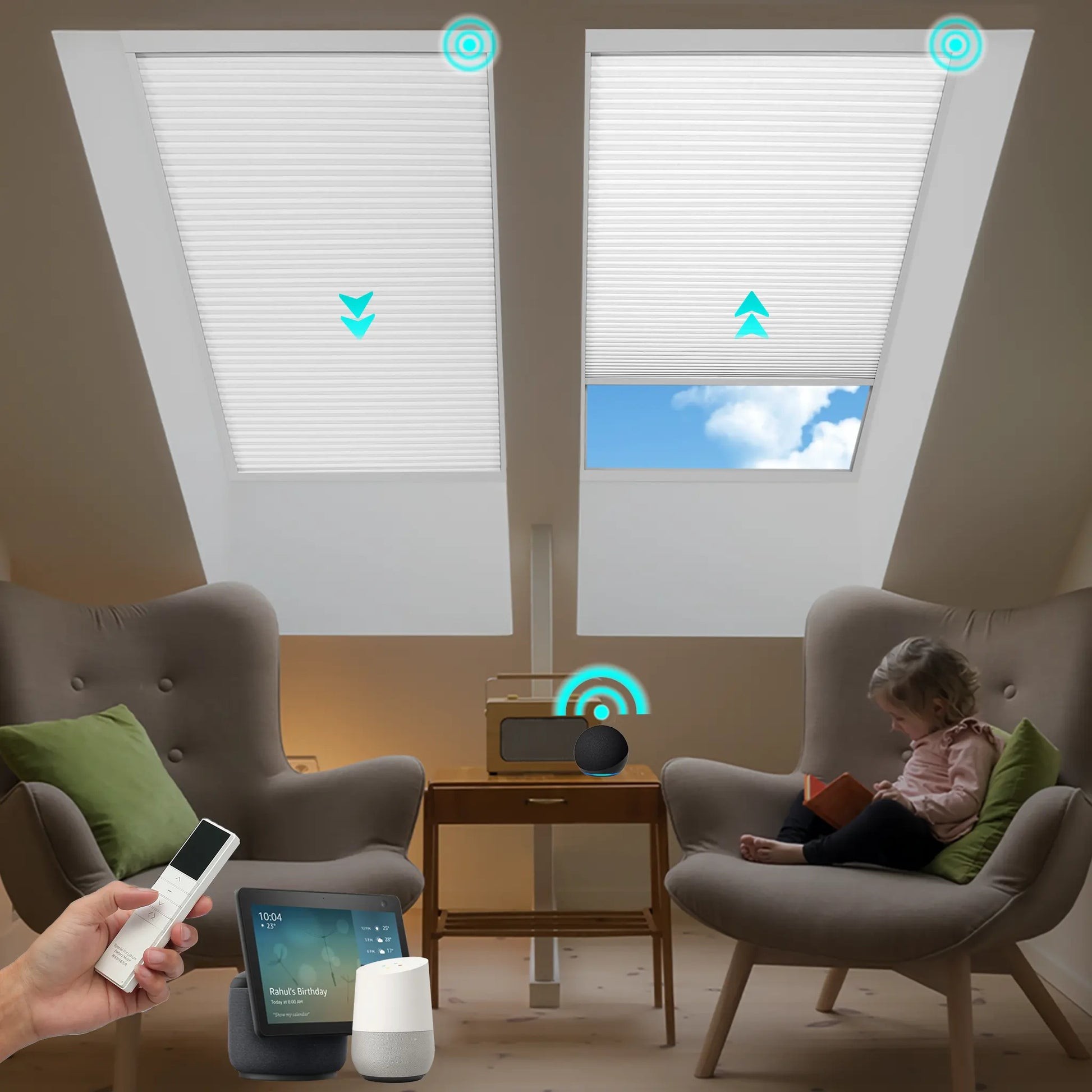
A sliding door shade is wide, heavy, and often used every day. Motorization can eliminate tugging across a long span and lets you raise the active-panel shade before opening the door. It can also close the room at sunset or lower a west-facing group during peak glare. Choose rechargeable power where the motor is accessible, and consider plug-in or hardwired power when the shade is large or difficult to reach.
Use independent controls for the active and stationary panels, then add a group command for whole-room privacy. A wall switch near the door is valuable because guests should not need an app to open the shade. Smart-home scenes can handle predictable conditions, but a local override should always win. For setup ideas, read smart home motorized shades setup, motorized shades with Alexa and Google Home, and SmartThings motorized shades integration.
Call World Wide Shades at (844) 674-2716 if you need help comparing battery, plug-in, and hardwired options for a wide door.
Daily-use routines that prevent frustration
A useful morning routine can open the stationary panel to 70% while leaving the active panel at 100% if the door is likely to be used. At sunset, close both shades to protect privacy. During a movie, lower both to 10% or 20% depending on the fabric. Avoid a full-close command when the door is open unless the system has a sensor or a clear household rule; a shade can obstruct a doorway that someone expects to use.
Keep furniture out of the shade’s travel path. A sofa arm, plant, or pet bed can push the hem bar off track or rub the fabric. If children or pets use the door, choose cordless operation and keep remotes out of reach. For safety planning, read child-safe window treatments and pet-friendly window treatments.
Clean the glass and shade separately. Dust the fabric with a soft brush or low-suction vacuum and follow the manufacturer’s care instructions. Do not spray glass cleaner onto the fabric. Check the bottom rail and side edges twice a year for rubbing, especially after seasonal door adjustments.
Common design mistakes to avoid
The first mistake is ordering one shade because the opening looks like one rectangle. A split often works better when one panel moves. The second is choosing a fabric by daytime privacy alone. A screen can look opaque from the outside at noon but show silhouettes at 8 p.m. The third is ignoring the handle projection and assuming the hem bar will clear it.
Another mistake is measuring before flooring, trim, or the final door is installed. Use finished dimensions or ask for a professional measure. Finally, do not assume a wide shade can use the same motor as a narrow bedroom shade. Finished width, fabric weight, roll diameter, and daily cycles all affect the motor choice. World Wide Shades can review the entire opening rather than selling a generic width.
Roller shades for sliding glass doors FAQ
Two shades are often more practical when one panel moves. The active panel can open independently, while the stationary panel remains covered. One wide shade may provide a cleaner look on a modest opening but can be heavier and harder to operate.
Measure the handle projection and keep the cassette, fabric roll, and hem bar clear of the handle’s travel. An outside mount, low-profile cassette, or split aligned to the meeting stile may solve the conflict. Confirm finished door and trim dimensions before ordering.
Usually not completely. Solar screens are designed primarily for daytime glare and solar control. Interior lights can make silhouettes visible after dark, so choose light-filtering, room-darkening, or blackout fabric when nighttime privacy is essential.
They can be, especially for a wide, heavy, or hard-to-reach shade. Motorization makes daily operation easier and supports sunset, glare, and smart-home scenes. A wall control and manual override keep the system convenient for guests.
The required clearance depends on the cassette, mount, door frame, handle, and finished opening. Measure the top recess, head height, and shade projection rather than using a universal number. World Wide Shades can specify a low-profile system after reviewing the opening.
World Wide Shades designs sliding-door shades for movement, clearance, privacy, and style in the same package. Call (844) 674-2716 or build your custom door solution, request swatches, or contact World Wide Shades.