Why sunrooms need shades that manage heat without blocking the view
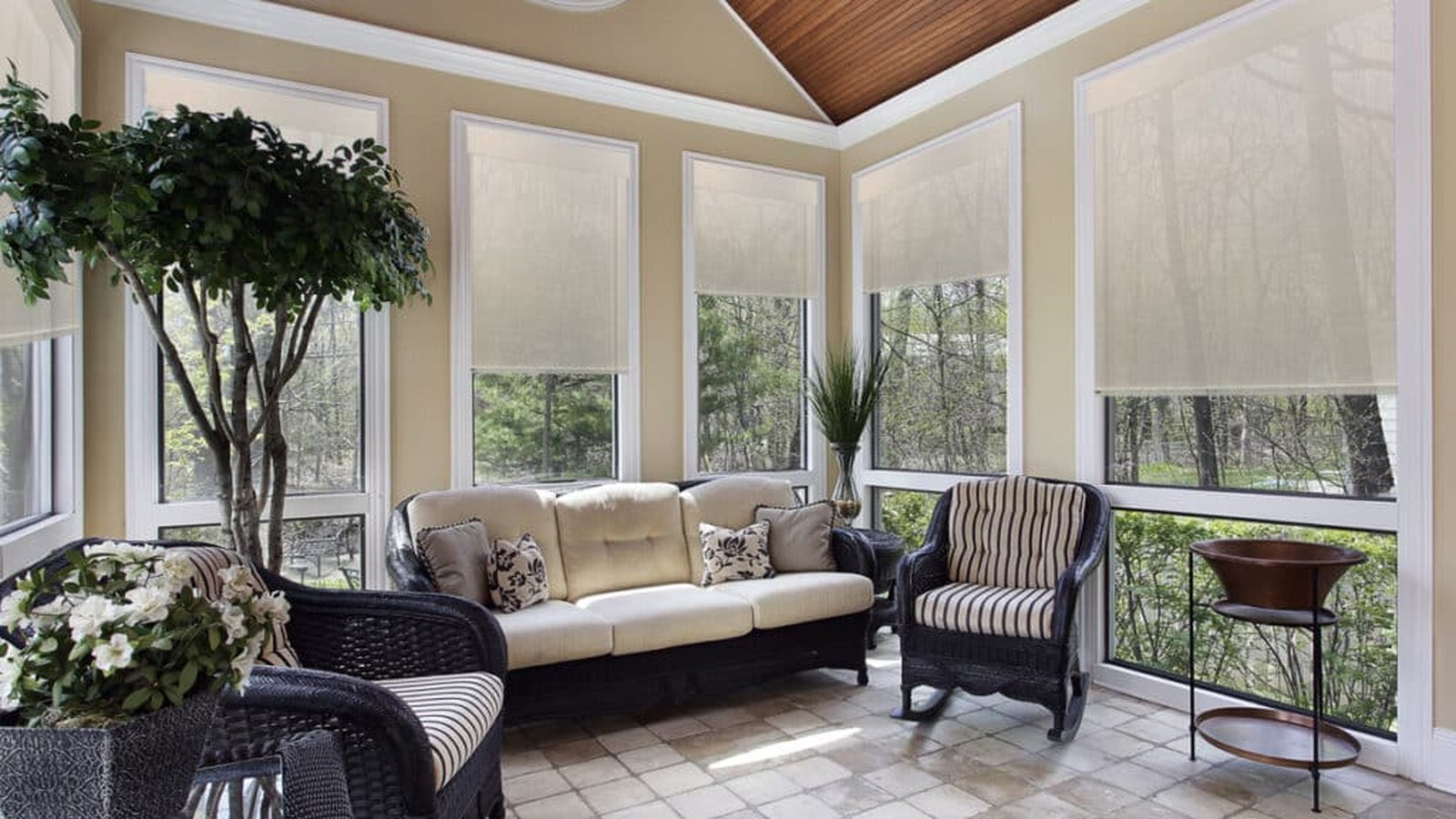
Sunrooms and four-season porches are designed for natural light, but that same light brings UV, glare, and heat buildup. Roller shades are a great fit because they can reduce solar intensity while preserving the open, airy feel that makes the room worth having.
To build a sunroom shade plan around your exact window sizes and orientations, start in the World Wide Shades tool.
The three problems sunroom shades must solve
Sunrooms often have the most sunlight in the home. Over time, UV can fade rugs, upholstery, and wood finishes. A solar roller shade can reduce UV while maintaining a bright space.
For a deeper UV overview, read UV Protection Window Shades.
A sunroom can run 5–15°F hotter than the rest of the house during peak sun depending on glazing and orientation. Shades help reduce solar load, which can lower HVAC strain and improve comfort.
If energy performance is your goal, pair this with Energy-Efficient Window Shades.
Sunrooms often double as reading rooms, home gyms, or lounge spaces. Glare control is essential for comfort.
If you need quick recommendations, contact World Wide Shades or call (844) 674-2716.
Best roller shade types for sunrooms
A sunroom is the one place most homeowners don’t want to feel “closed in.” Two practical tactics help:
- Use a higher openness (5%–10%) on the primary view wall.
- Use a lower openness (1%–3%) on the wall that takes direct sun.
World Wide Shades can help you mix fabrics while keeping a consistent look—price combinations in the World Wide Shades tool.
If your sunroom feels harsh even when there’s no direct sun patch (for example, lots of sky light and reflective surfaces), a light-filtering fabric can make the whole room more comfortable.
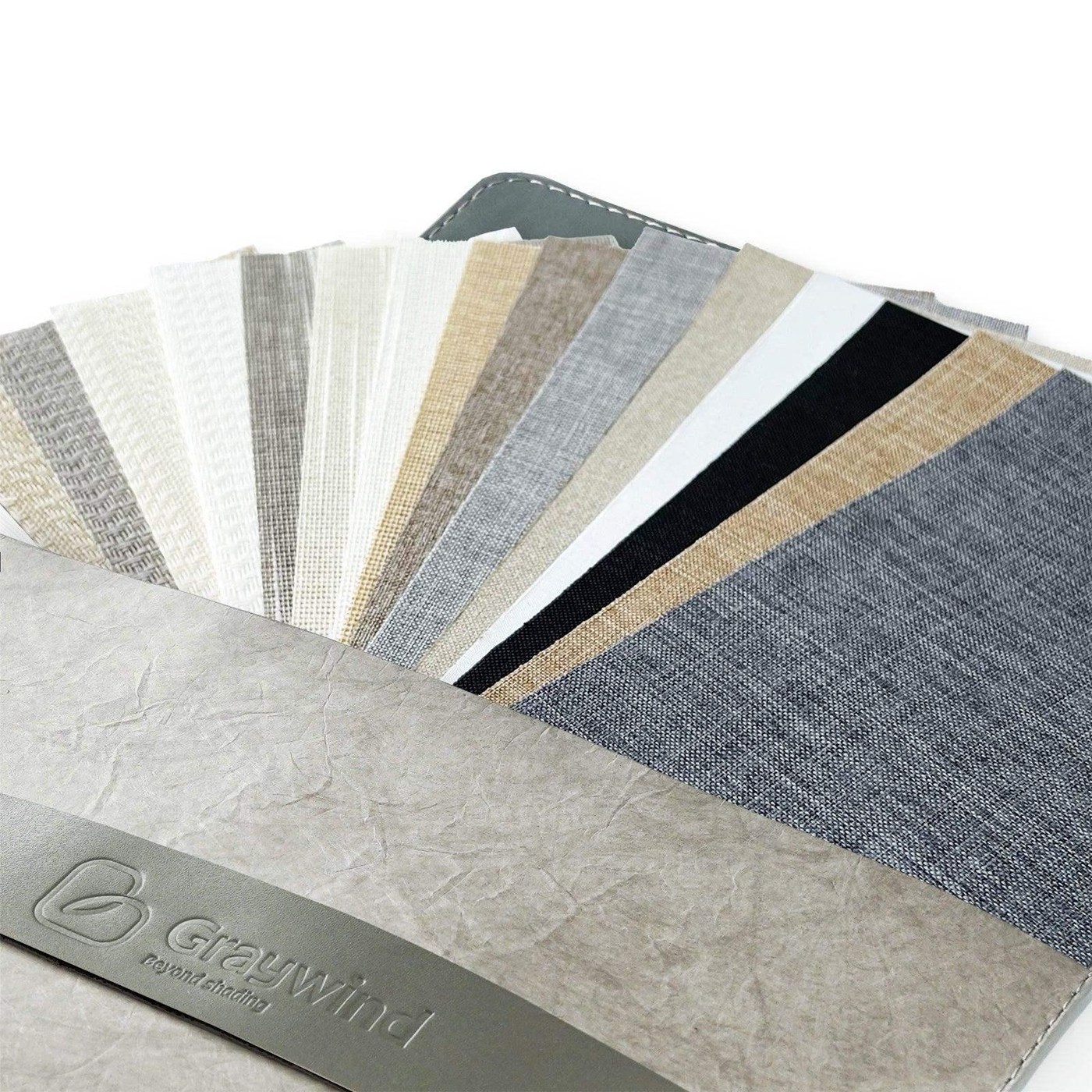
To compare softness and color in your actual light, request samples from World Wide Shades.
Solar fabrics reduce glare and UV while keeping view. They’re often the best first choice for a sunroom.
Recommended openness starting points:
- 1%–3% openness for intense sun and maximum glare control.
- 5% openness for balanced view + comfort.
- 10% openness for maximum view when sun is mild or shaded.
To compare colors and openness levels in your real sunlight, request samples from World Wide Shades.
Light-filtering fabrics turn harsh sun into a softer, evenly lit room. They’re great when you want a “bright but gentle” feel, especially for morning coffee and reading.
If your sunroom becomes a guest room or media space, room-darkening or blackout can be useful. See Blackout Curtains vs. Blackout Shades for the tradeoffs.
To price different fabrics for your sunroom sizes, use the World Wide Shades configurator.
Material and design decisions that matter in bright rooms
Darker solar fabrics often reduce glare more effectively. Lighter colors can feel brighter but may allow more visible light.
For a practical guide, see Window Shades Color Guide.
Four-season porches can see humidity swings. Choose materials that are easy to wipe down and stable over time.
A valance can hide the roller tube and make the room feel more finished. See Roller Shade Valance Options.
Mounting and measuring for sunroom windows
Sunrooms often have stacked windows where the upper glass is out of reach. Motorization makes these usable, but even manual shades can work if you plan for access.
If you’re choosing between manual and motorized, start with Smart-Home Motorized Shades Setup and then configure pricing in the World Wide Shades tool.
If your sunroom connects to the outdoors, coordinate interior shades with patio comfort. For related ideas, see Outdoor Roller Shades for Patios.
Many sunrooms have unique trim, angled frames, or large spans.
- Use How to Install Roller Shades for measuring and mounting basics.
- For unusual windows, reference Skylight Shades Guide to think through coverage and heat control principles.
If you’d like a measurement review before ordering, reach out at World Wide Shades or call (844) 674-2716.
Motorization and automation: the best way to manage changing sun
Sunrooms change dramatically hour to hour. Motorized shades let you keep the “view room” feeling while reducing heat at peak times.
Common sunroom routines:
- Morning open for gentle daylight.
- Midday lower to reduce heat and glare.
- Late afternoon adjust for low-angle sun.
For smart-home control ideas, see Motorized Shades for Alexa and Google Home and Smart-Home Motorized Shades Setup.
To explore motorized sunroom configurations, use the World Wide Shades tool.
Best sunroom setups by orientation
Prioritize glare and heat control. Start with 1%–3% openness and consider darker colors. See Best Shades for South-Facing Windows.
Morning sun can be intense. A 3%–5% solar shade often balances comfort and brightness.
Afternoon low-angle sun is challenging. Outside-mount shades can reduce edge light and improve comfort.
Light is more even. You may be able to use 5%–10% openness for a brighter view-forward experience.
Mixing fabrics in one sunroom (the “bright wall vs view wall” strategy)
Many sunrooms perform best when you stop trying to solve every window the same way.
This is the wall that takes direct sun for the longest stretch of the day. Start with 1%–3% openness solar or a stronger light-filtering fabric here.
This is the wall you care about looking through. Start with 5%–10% openness to preserve view while reducing glare.
World Wide Shades can often keep the look consistent by matching colors across openness levels. Use the World Wide Shades program to compare side-by-side.
Cleaning and maintenance tips for sunroom shades
Sunrooms collect pollen and fine dust.
- Dust periodically with a soft microfiber cloth.
- Spot-clean gently instead of soaking.
- Keep shades fully dry before rolling up after cleaning.
If you want a fabric recommendation based on your climate and use, contact World Wide Shades or call (844) 674-2716.
Sunroom fabrics: what homeowners usually regret (and how to avoid it)
Most sunroom “shade regret” comes from choosing a fabric that’s either too dark (killing the view) or too light (not actually improving comfort).
A practical approach:
- Start with solar openness that matches your brightest wall.
- Use samples in real sun to confirm.
- Plan for automation if the room changes dramatically during the day.
World Wide Shades can help you choose quickly by sending a curated set of options through World Wide Shades and pricing in the World Wide Shades tool.
FAQ: sunroom and four-season porch roller shades
For many sunrooms, 5% openness is a balanced starting point. If the room is extremely bright, 1%–3% can improve comfort while still keeping a view.
They can significantly improve comfort by reducing direct solar intensity. Results depend on glazing, orientation, and how much direct sun hits the room.
Not if you choose the right openness and color. Solar fabrics are specifically designed to preserve outward view while controlling glare.
Often yes. Sunrooms have the most variable sun, and automation helps you manage heat without constant manual adjustments.
Yes. Many homeowners use stronger glare-control fabrics on the brightest exposures and lighter options where the view is the priority.
Make your sunroom comfortable in every season
World Wide Shades can help you pick the right openness, fabric, and control style for sunroom windows. Start your order in the World Wide Shades tool, request samples at World Wide Shades, or contact World Wide Shades or call (844) 674-2716.
Only if the sunroom is used as a guest room, nursery overflow, or media room. Most sunrooms feel best with solar or light-filtering fabrics that keep the space bright.
Motorization is often the easiest way to make tall sunroom windows usable day-to-day. You can schedule shade positions to manage heat during peak sun.
Inside-mount looks clean when frames are deep and square. Outside-mount can improve coverage and reduce edge light, which helps comfort on intense exposures.