Custom roller shades are not an item to add after the moving truck arrives. Fabric selection, final measurements, manufacturing, shipping, and installation each take time, and one late construction decision can reset the schedule. For a straightforward order, plan on roughly 4–8 weeks from approved measurements to installation; complex motorized or specialty projects may need 8–12 weeks.
World Wide Shades helps homeowners work backward from the date a room must be usable. Start with the World Wide Shades builder, then contact World Wide Shades with your move-in, paint, or inspection date. A timeline is more useful when it names the decisions that must be finished at each stage.
A realistic custom shade timeline
Begin by identifying which rooms matter most. A primary bedroom may need blackout, a west-facing living room may need glare control, and a street-facing bathroom may need privacy. Count windows, doors, and specialty openings. A rough budget can be built before every dimension is final.
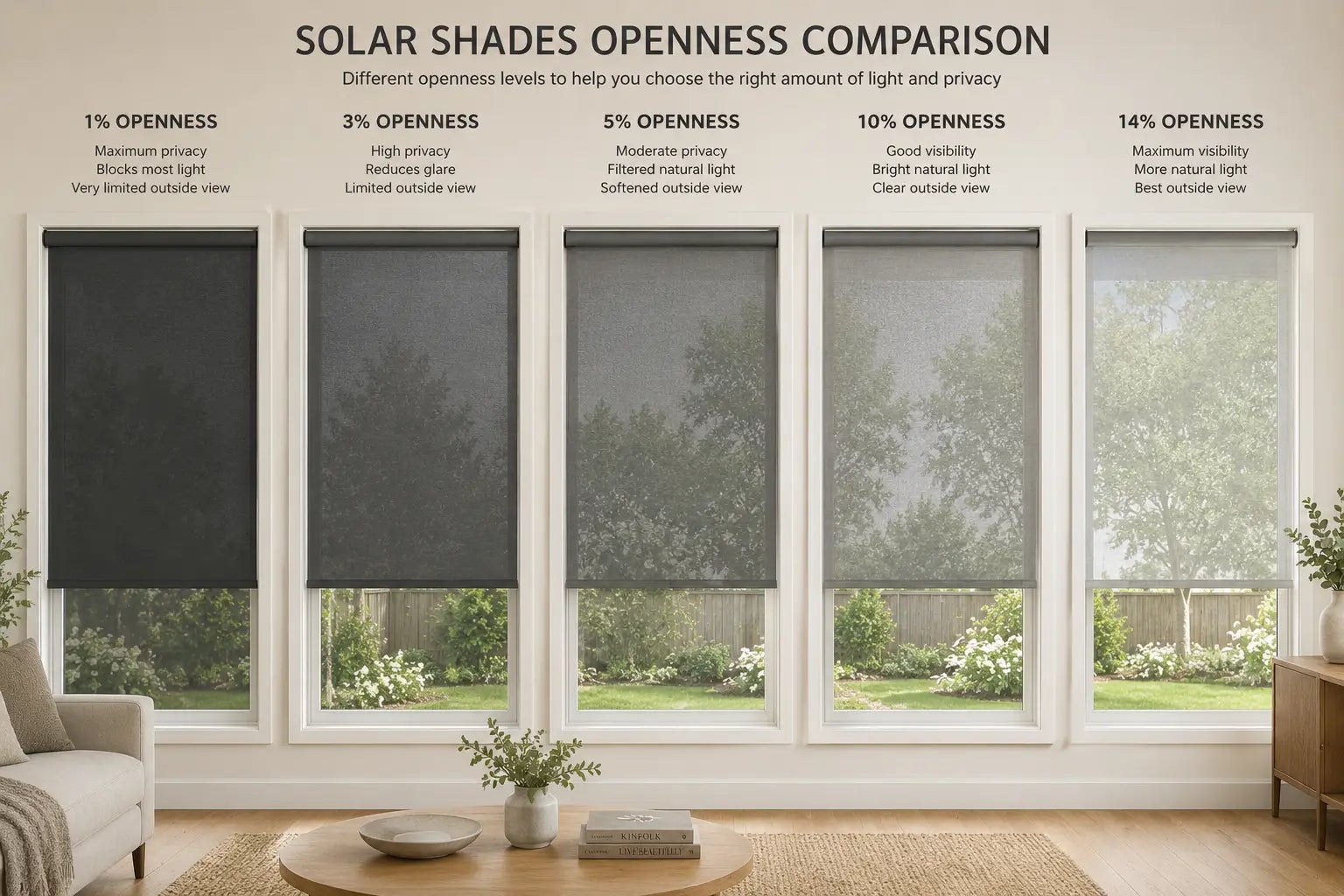
Use World Wide Shades swatches to compare color, texture, openness, and room darkening. A swatch appointment or sample review can take several days if samples must be mailed. Choose a first-choice and second-choice fabric so a discontinued color does not stop the whole project.
The window shade color guide and window shade trends 2026 can help narrow the visual direction without making trendiness the only criterion. Ask World Wide Shades for a planning call when your move date is fixed but the fabric decision is still open.
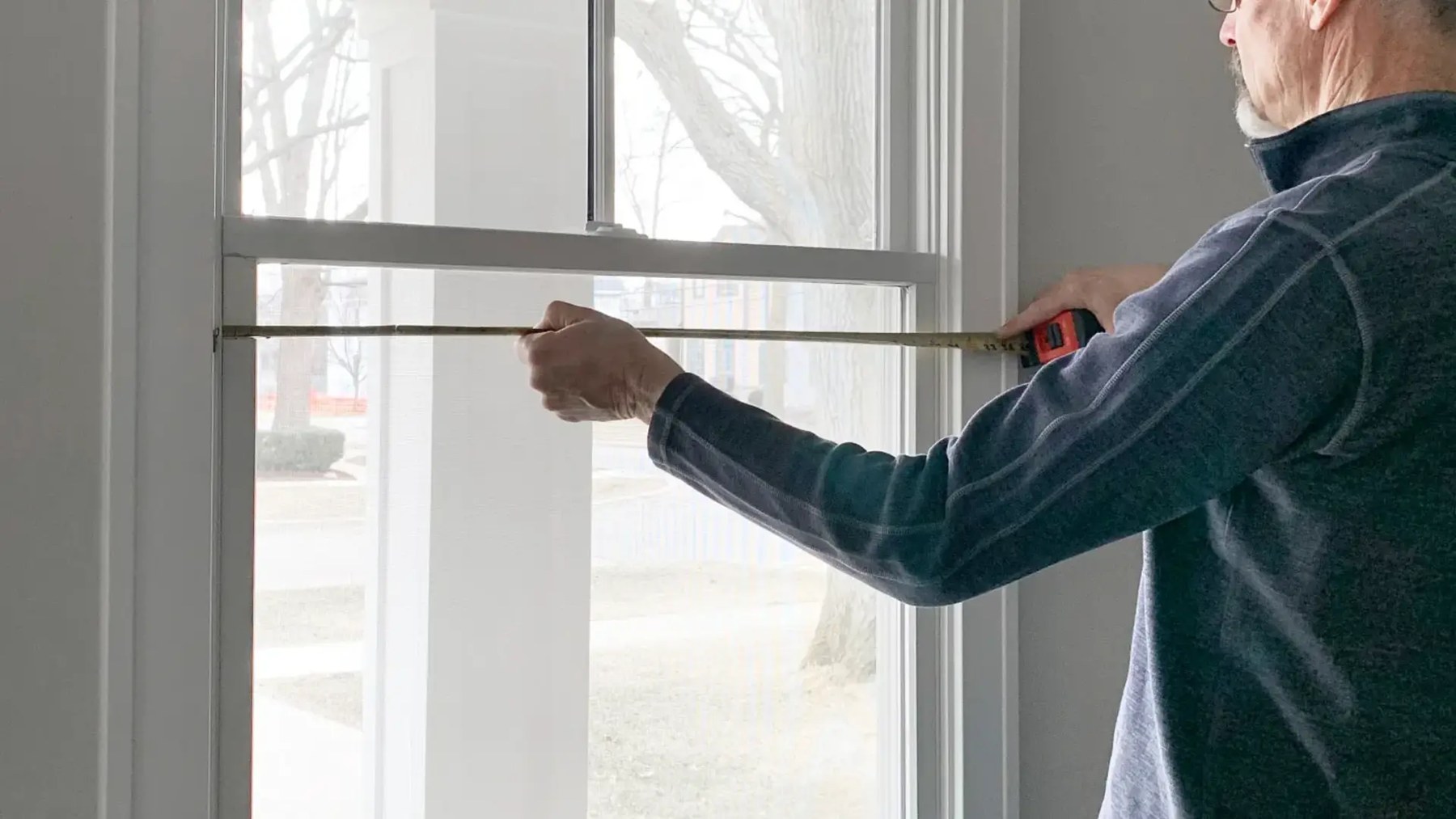
Final measurements should happen after trim, drywall, flooring, and relevant hardware are complete. A professional visit may take 15–30 minutes for a few standard windows or 60–120 minutes for a whole home with doors and specialty shapes. Confirm inside versus outside mount, cassette, valance, side channels, bottom rail, and control method.
Do not treat rough builder dimensions as fabrication dimensions. The custom shade measuring service guide explains why an opening can vary by 1/8 inch from top to bottom and why a door handle can change the mounting choice. World Wide Shades can flag a conflict before the order is released.
Fabrication time commonly falls in the 2–6 week range after approval, but the range changes by fabric availability, order size, motor platform, and season. A small manual shade can move faster than a whole-home order with 20 units, custom valances, or wired controls. Ask whether the quoted lead time starts at deposit, final measurement, fabric approval, or production release.
The manufacturing window is when a schedule is most vulnerable to change. Substituting fabric, adding a window, or changing from rechargeable to hardwired motorization may require a new engineering review. World Wide Shades can keep the order moving by documenting approved alternates before fabrication begins.
Allow 3–7 business days for shipping after fabrication in many domestic projects, plus time for receiving and inspection. Installation may be scheduled 3–14 days after the product arrives, depending on installer availability. Tall windows, multi-room orders, and motorized commissioning need longer appointments than a single manual shade.
Build at least a 7–14 day buffer before a move, photo shoot, rental launch, or final renovation reveal. If the shades are part of a new-construction handoff, plan the final measure after paint and trim but before furniture blocks access. Contact World Wide Shades with the deadline so the team can identify an achievable priority order.
What makes lead times longer
A popular color may be temporarily unavailable, and a specialty solar or blackout fabric may be produced in a limited run. Ask for the current availability, not a generic catalog timeline. A 2-week material delay can push installation into a different month once shipping and installer scheduling are included.
A 120-inch-wide shade, a 16-foot opening, a skylight, and a bifold door require different engineering than a standard 36-by-60-inch window. Wider units may need a split design, heavier tube, cassette, or motor with greater capacity. Compare the best shades for south-facing windows with the skylight shades guide when the glass is unusually exposed.
Rechargeable motors often simplify retrofit work, but battery access and charging need to be planned. Hardwired shades require an electrician, transformer, cable routes, and coordination with drywall or millwork. A simple group might add 1–3 weeks to the coordination calendar even if fabrication is unchanged.
Read the how to wire hardwired motorized shades guide and smart home motorized shades setup before choosing controls. Call World Wide Shades at (844) 674-2716 if construction is open now; early planning is easier than reopening a finished wall.
How to plan shades during a renovation
Photograph existing windows, note room orientation, and decide which openings are staying. If trim will be replaced, do not use old casing dimensions as final numbers. Ask the contractor to protect any wiring or blocking required for motorized shades.
Confirm whether motorized shades need low-voltage cable, outlets, recessed pockets, or a dedicated transformer. Mark the headrail location and keep the pocket accessible for service. World Wide Shades can supply configuration information for the contractor, while the electrician remains responsible for code-compliant wiring.
Schedule the final measurement when the finished surfaces are in place. Confirm furniture, countertops, cabinet doors, and door swings will not block the shade. This is also the point to check whether a window has changed size or a casing has reduced recess depth.
Inspect boxes for damage, verify the room labels, and keep remotes and charging cables together. If installation cannot happen before the move, prioritize bedrooms, street-facing rooms, and rooms with severe glare. Temporary paper shades can cover a window, but they are not a substitute for a correctly measured custom product.
How to shorten the schedule without cutting quality
- Choose in-stock or readily available fabrics after confirming performance.
- Approve a backup color and control method in writing.
- Group measurements into one visit rather than adding rooms later.
- Finish trim and paint before the final measurement.
- Reserve installation before the order ships when the calendar is tight.
- Choose rechargeable motors when hardwiring would reopen walls.
- Prioritize the rooms that affect sleep, privacy, and move-in comfort.
A rush request may be possible, but it can limit fabric choice or add a rush fee of roughly 10%–25%. Ask what is actually being expedited: material, production, freight, or installation. World Wide Shades can separate a genuine time-saving option from a promise that only sounds faster.
Build a room-by-room schedule with World Wide Shades and include the date the shades must be installed, not just the date you hope to order. The earlier the team sees the constraint, the more alternatives it can offer.
Budgeting around timing
Custom roller shade prices vary widely. A basic manual shade may be around $200–$600, a premium solar or blackout shade may be $400–$1,200, and a motorized unit can exceed $1,000 depending on size and controls. Installation, wiring, tall-window access, and specialty hardware add to the project. The custom roller shade cost guide explains the cost drivers.
Do not choose the cheapest rushed substitute for a room that will use the shade for years. A $150 temporary product may be reasonable for a construction phase, but replacing it after six months creates more cost and waste. Contact World Wide Shades for a phased plan if the whole home cannot be completed at once.
FAQ: custom roller shade lead times
A straightforward order often takes about 4–8 weeks from approved final measurements to installation. Specialty sizes, motorization, backordered fabric, or complex construction can extend the schedule to 8–12 weeks or more.
Begin planning 8–12 weeks before move-in and aim to complete final measurements 6–8 weeks before the deadline. Add a 7–14 day buffer for shipping, damage inspection, and installer scheduling. Bedrooms and privacy-critical rooms should be prioritized.
Sometimes. Rush production may limit fabric and control choices and can add roughly 10%–25% to the price. Ask whether the rush applies to materials, fabrication, shipping, or installation. World Wide Shades can discuss realistic alternatives rather than guessing.
Use early measurements for budgeting only. Final fabrication measurements should follow trim, paint, flooring, and relevant hardware because a casing or countertop can change available space by more than 1/8 inch.
They can. Rechargeable systems may add little coordination, while hardwired systems require an electrician, power planning, and sometimes wall access. Plan an extra 1–3 weeks for electrical coordination when wiring is part of the project.
List each room, opening type, target function, and deadline. Then use the World Wide Shades builder and call (844) 674-2716 or contact World Wide Shades to review measurements, fabric availability, and installation timing.