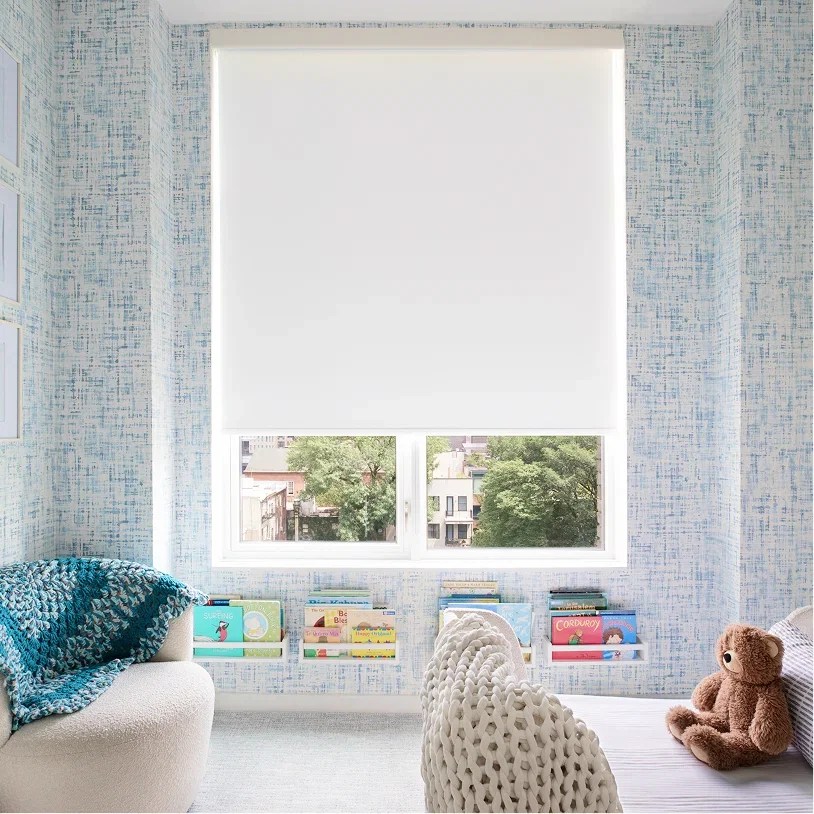
A greenhouse window turns a kitchen sink area or plant nook into a sunny display shelf, but the same glass that helps plants thrive can also cook them by mid-afternoon. A well-chosen roller shade lets you moderate the sun without giving up the view or the light plants need. The trick is choosing a fabric that filters ultraviolet radiation and heat without shutting off the growth-supporting spectrum, then installing it in a way that respects ventilation and moisture.
World Wide Shades can help match fabric openness and coating to the plants you actually grow. Configure a greenhouse window shade with World Wide Shades, order fabric swatches, or contact World Wide Shades with the window orientation, plant list, and photos of the space. Call (844) 674-2716 if the greenhouse window sits over a sink, in a bathroom, or in a room with a humidifier.
What makes a greenhouse window different
A greenhouse window projects outward from the wall and typically has glass on three or more sides, sometimes including the top. The design maximizes daylight and often includes shelves for herbs, small plants, or decorative objects. That geometry changes shade planning:
- Three-way light exposure: the sun can hit the fabric from the side as well as the front.
- Sloped or angled top glass: a standard roller shade may not cover the top pane cleanly.
- Ventilation openings: some greenhouse windows have side vents that must remain functional.
- Humidity: plants transpire, and a kitchen sink adds steam, so fabric and coatings must tolerate moisture.
- Structural depth: the projecting cavity is usually shallow front-to-back, limiting bracket depth.
Before you pick fabric, decide what the shade must do. Some homeowners want a shade only for evening privacy and let the plants take full daylight. Others want a shade that reduces afternoon heat when a young tomato seedling would scorch. The plan changes based on the goal. World Wide Shades can help clarify the priorities. Ask World Wide Shades for greenhouse-specific guidance.
Understand the sun on your greenhouse window
Note the window orientation and record when direct sun hits the glass. A south-facing greenhouse window may receive four to six hours of intense midday sun in summer, while a north-facing window may never see direct light but benefits from a shade for winter frost protection. Track:
- Morning sun start time and duration.
- Afternoon peak intensity and duration.
- Seasonal variation, especially winter sun angle.
- Any nearby tree shade that changes across the year.
For a south- or west-facing greenhouse window, a shade with a lower openness percentage (3% to 5% solar screen) can dramatically reduce heat while preserving daylight. For a north or east window, a lighter fabric may be enough for occasional glare control. Read best shades for south-facing windows for orientation-specific fabric planning.
World Wide Shades can help identify a fabric that reduces heat gain by measurable amounts. Order swatches from World Wide Shades and test them in the actual window at midday.
Fabric selection for plants
The best roller shade fabric for a greenhouse window depends on the plants and the level of sun control needed:
- Solar screen fabrics with 5% openness allow light and view but block roughly 95% of direct sun; useful for succulents and heat-tolerant herbs.
- Solar screens with 3% openness block more sun; better for young seedlings or shade-loving houseplants.
- Solar screens with 10% openness maintain more brightness; suitable for plants that need full daylight.
- Light-filtering fabrics offer softer diffusion but less specific solar performance; useful for occasional glare control.
- Blackout fabrics remove daylight completely; rarely appropriate for a greenhouse window because plants need photosynthesis.
Some plants tolerate a partially shaded environment: pothos, spider plants, and many ferns thrive in indirect light. Sun-loving herbs like basil, oregano, and thyme prefer full or filtered sun and can suffer if the shade is closed all day. Match fabric openness to the collection.
Coating matters too. Choose a fabric rated for moisture resistance if the greenhouse window is over a kitchen sink, near a bathroom, or in a plant room with high humidity. Read best fabrics for roller shades for a broader comparison of materials and coatings.
Mounting in a shallow greenhouse cavity
Greenhouse windows often have limited depth between the interior trim and the glass. A standard roller shade bracket may not fit inside the cavity, and a shade mounted too close to the glass can trap heat. Options include:
- Outside mount above the greenhouse frame: gives full coverage of the front glass, extends past the projecting cavity.
- Inside mount at the front lip: requires a low-profile bracket and a shallow tube; may not clear plant shelves.
- Ceiling mount above the greenhouse opening: keeps brackets away from the humid cavity, often the cleanest look.
For a projecting greenhouse window, an outside mount at the top of the wall usually works best. The shade covers the front glass; side and top glass remain open. If you also need to control side glass, consider separate small shades on each side panel, though clearance for plant shelves may make this impractical.
The how to install shades in recessed windows guide covers depth-limited installations that apply to shallow greenhouse cavities. World Wide Shades can recommend a bracket profile that clears shelves and vents. Contact World Wide Shades with a shelf layout photo.
Ventilation and moisture management
Many greenhouse windows include operable vents or side awning windows. A shade must not block a vent that is essential for airflow. If ventilation is limited, closing the shade in a hot window can raise temperatures on the glass side and stress plants. Plan the fabric to:
- Leave vents accessible from inside the room.
- Allow air circulation between the shade and the glass when closed.
- Retract quickly when ventilation is needed.
Humidity from plant transpiration and any nearby sink can affect fabric and brackets over time. Choose:
- Fabrics rated for moisture resistance (many solar screens qualify).
- Corrosion-resistant hardware, especially if the kitchen environment is warm and humid.
- Cassettes only if the enclosed space does not trap significant humidity.
For a plant room with a humidifier or many transpiring plants, avoid natural-fiber fabrics that can absorb moisture and warp. World Wide Shades can identify fabrics that hold up in humid environments. Ask World Wide Shades for humidity-tolerant fabric options.
Controls that keep plants safe
Manual controls should be reachable without leaning across plant shelves. Options include:
- Chain or bead control on the side of the greenhouse window that is easiest to reach; place the control opposite the plant shelves.
- Cordless spring-lift, which eliminates loose chains that could catch on plants or dangle into a sink.
- Motorized control, which allows a schedule that opens the shade at sunrise for morning light and lowers it before afternoon heat peaks.
Motorization is especially useful for a plant care plan. A schedule can open the shade at 7 a.m., lower it to 50% at 1 p.m. during summer, and fully retract at 5 p.m. so evening plant photosynthesis is not cut short. The HomeKit roller shade scenes guide explains how to build sunlight scenes if the home uses Apple Home; other ecosystems offer similar options.
For a greenhouse window with children nearby, choose cordless or motorized to eliminate cord risks. Review the child-safe window treatments guide for control safety principles.
World Wide Shades can coordinate the motor selection and battery vs hardwired decision. Configure a motorized greenhouse shade with World Wide Shades and read battery vs hardwired motorized shades to compare power options.
Care and cleaning around plants and sinks
A shade near plants and water sources needs a maintenance plan that respects both:
- Dust with a soft brush or low-suction upholstery attachment monthly; more often if plants shed leaves or soil.
- Wipe the hem bar and hardware with a dry cloth; avoid saturating the fabric.
- Inspect the fabric edges for water spots or humidity marks after seasonal changes.
- Rotate plant placement if a shelf blocks daylight to specific plants when the shade is retracted.
- Retract the shade fully during watering to avoid moisture on the fabric.
If the shade shows staining from irrigation overspray or humidity, spot clean with the manufacturer's recommended method. Do not soak the fabric in place; a wet shade can rot the fabric attachment or warp the tube. Read the how to clean solar shade fabric guide for cleaning steps.
World Wide Shades can quote a fabric-only replacement if the original fabric is damaged by long-term humidity or plant care. Contact World Wide Shades for replacement quotes.
Design touches that make the greenhouse window inviting
A greenhouse window is often a focal point in a kitchen or den. The shade should complement the plants and hardware:
- Choose a fabric color that harmonizes with the greenhouse frame and cabinetry.
- Match cassette color to trim or the greenhouse hardware.
- Consider a low-profile roll-up appearance when the shade is retracted, so the plants remain the visual focus.
- Pair with under-shelf lighting to accentuate plants when the shade is closed for evening privacy.
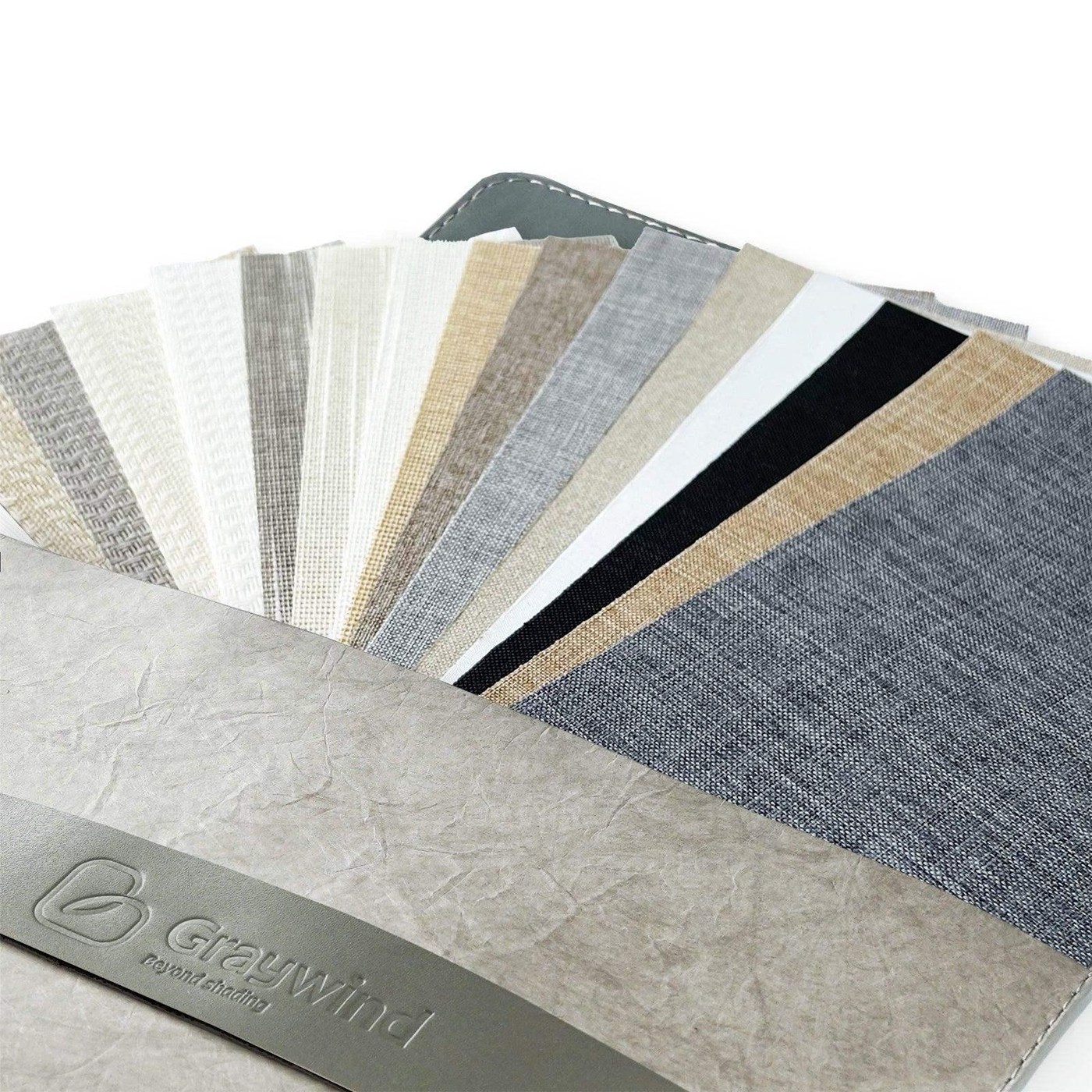
Some homeowners choose a shade with a subtle pattern that adds texture without competing with the plants. Others prefer a neutral solar screen that disappears. World Wide Shades can help you visualize the shade in the space with color-matched swatches. Order World Wide Shades swatches.
Budget considerations for a greenhouse window shade
A greenhouse window shade may include:
- Custom size fabric.
- Solar screen or moisture-tolerant fabric upgrade.
- Low-profile bracket or reverse-roll cassette.
- Corrosion-resistant hardware.
- Motorized control if desired.
- Installation labor.
Use the custom roller shades cost guide to see how each factor affects the quote, then request a project-specific plan. World Wide Shades can prepare a proposal that separates fabric, hardware, and control so you can adjust the plan for the plants and the room.
Final checklist before you order
For a greenhouse window shade, confirm:
- Window orientation, sun exposure, and plant list are documented.
- Fabric openness and coating suit the plants and humidity.
- Mount type (outside, inside, ceiling) works with the greenhouse cavity.
- Bracket profile clears shelves, vents, and side glass.
- Control placement is safe and reachable without leaning across plants.
- Fabric is moisture-tolerant if the environment is humid.
- Installation plan accounts for plant relocation during work.
- Maintenance plan includes regular dusting and fabric inspection.
A greenhouse window shade should protect plants without cutting them off from the light they need. World Wide Shades can supply the fabric and coordinate the installation plan. Configure your project with World Wide Shades, order swatches, or contact World Wide Shades for a plant-friendly quote. Call (844) 674-2716 for help selecting fabric openness for a specific plant collection.
Frequently asked questions
A solar screen with 3% to 5% openness usually balances plant sun needs with heat control on a south- or west-facing window. For a north or east window, a lighter 10% openness may be enough. Choose a moisture-tolerant fabric if the environment is humid.
A shade closed all day would harm sun-loving plants that need photosynthesis. Use the shade during peak heat, then retract it during less intense periods. A motorized schedule can automate this pattern. Match fabric openness to the plants' light preferences.
Rarely appropriate, since plants need daylight. A blackout shade may work for evening privacy in a room where the greenhouse window is decorative rather than functional, but for a plant collection, a solar or light-filtering fabric is a better fit.
An outside mount above the greenhouse frame or a ceiling mount usually works best. An inside mount at the front lip is possible with low-profile brackets if plant shelves do not block the clearance. World Wide Shades can recommend a bracket profile based on shelf layout photos.
Motorization is useful because it enables a daylight schedule that protects plants during peak sun and opens the shade for morning and evening photosynthesis. It also removes cords that could tangle with plants or dangle over a sink. Choose a motor appropriate for the shade size.
Dust with a soft brush or low-suction attachment monthly. Wipe the hem bar and hardware with a dry cloth. Retract the shade during watering. Spot clean stains with the manufacturer's recommended method; do not soak the fabric in place. World Wide Shades can quote a fabric replacement if damage occurs.