The short answer: choose for the problem your window creates
Roller shades and honeycomb cellular shades can both improve comfort, privacy, and light control, but they solve different problems. A honeycomb shade uses air pockets to slow heat transfer. A roller shade uses a continuous fabric panel, precise fit, and fabric openness to manage glare, privacy, and solar heat. The best choice depends on whether your priority is winter insulation, summer glare, blackout, a clean profile, or a predictable budget.
For a quick side-by-side, a typical custom roller shade costs about $250–$700 per window installed, while a custom cellular shade often lands around $300–$850. Large windows, specialty fabrics, top-down operation, and motorization can add $150–$500 per opening. World Wide Shades can narrow those choices with a custom shade builder and fabric samples from World Wide Shades swatches.
How honeycomb cellular shades insulate
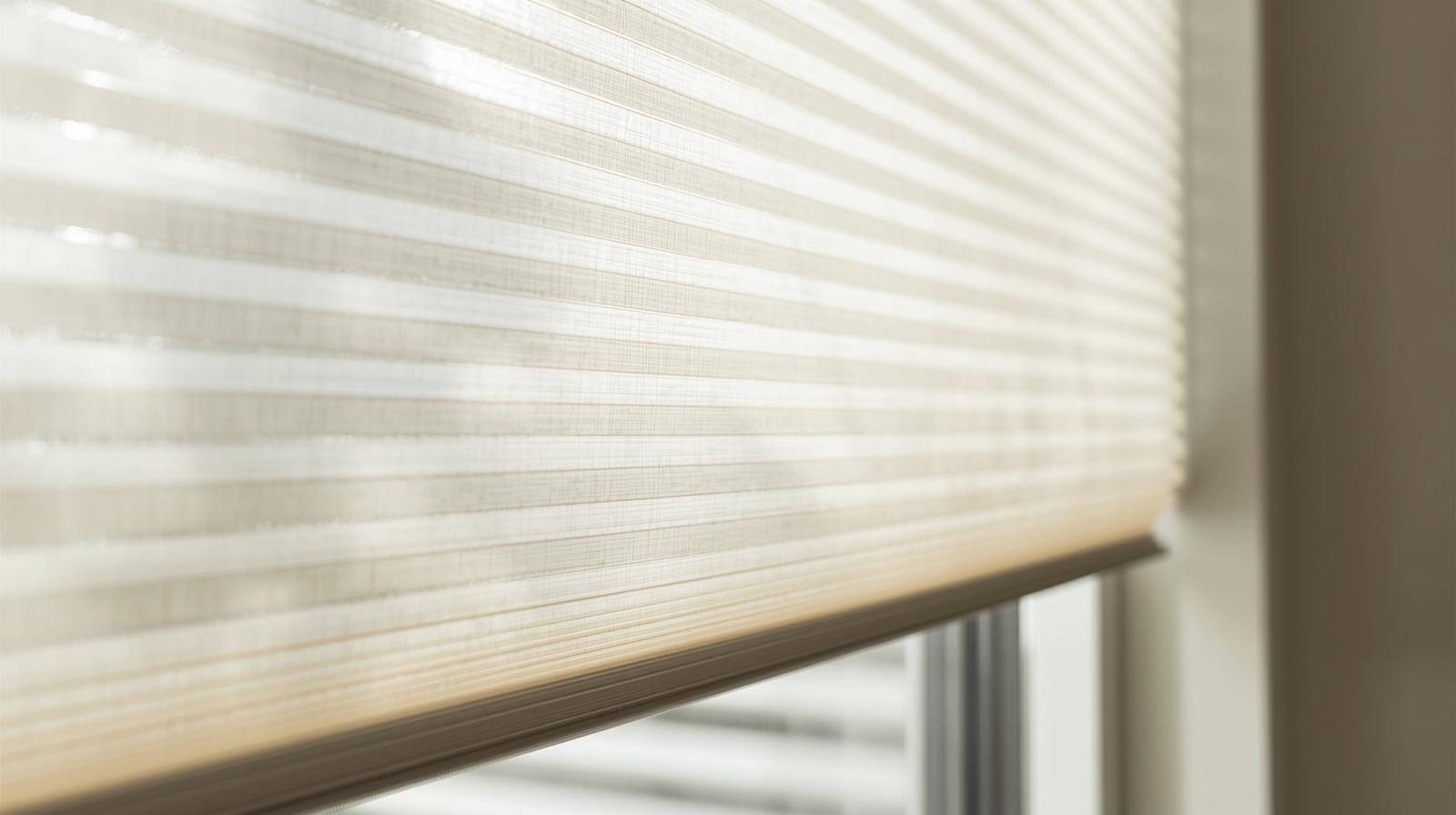
The folded cells create one or more air chambers between the room and the glass. Single-cell products have one layer of chambers; double-cell products add another barrier. That geometry can reduce convection near the window, especially when the shade is lowered before the room gets cold or hot.
The practical result is not a magic R-value for every window. Glass type, frame, edge gaps, installation, and weather all matter. A 1-inch double-cell shade mounted with 1/2-inch side gaps will not perform like a tightly fitted treatment. World Wide Shades recommends looking at the complete opening rather than shopping by the word “cellular” alone.
Honeycomb is compelling for north-facing bedrooms, drafty older windows, and rooms where winter comfort is the main concern. A $100–$200 premium per opening may make sense when the shade is used daily and the window is a major comfort problem. It is less compelling for a rarely used guest room or a shaded interior window.
For a broader energy strategy, compare the mounting and fabric advice in energy-efficient-window-shades and the solar-control details in best-shades-south-facing-windows.
How roller shades manage heat, glare, and privacy
A 1% solar fabric blocks much more glare and ultraviolet exposure than a 5% fabric, but it also leaves less outward visibility. A light-filtering fabric may transmit roughly 5%–15% of daylight; a blackout fabric can block nearly all visible light when the installation closes edge gaps. These percentages vary by fabric, so order samples before choosing from a screen.
Roller shades are especially strong in living rooms, offices, and media spaces where you want a flat, modern surface and predictable glare control. World Wide Shades can help match openness to the room’s compass direction, screen placement, and privacy requirement. Start with World Wide Shades swatches, then save the final configuration in the builder.
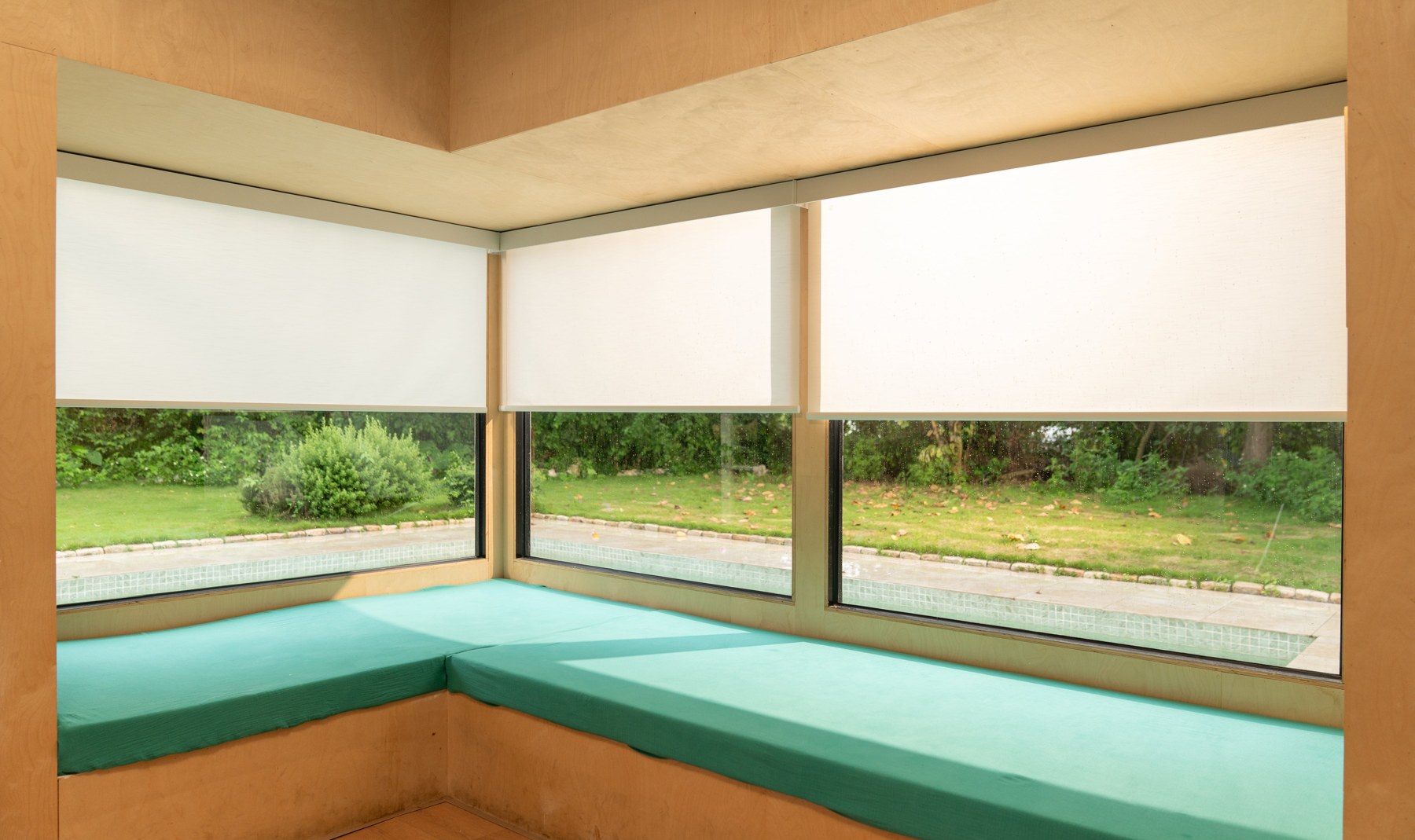
An outside mount with 2–3 inches of overlap on each side reduces side light and can make a roller shade feel more effective than a loosely fitted cellular shade. For true darkness, side channels or a cassette may be worth the upgrade. See roller-shades-with-side-channels-light-blockers and blackout-curtains-vs-blackout-shades before deciding.
Cost comparison: what you are actually paying for
A basic manual roller shade commonly starts near $150–$350 per window for the product, with custom fabrics and larger widths pushing the range to $500 or more. Cellular shades often start near $200–$450 and rise with cell size, specialty pleats, and top-down/bottom-up hardware. Installation is frequently $75–$200 per opening when purchased separately.
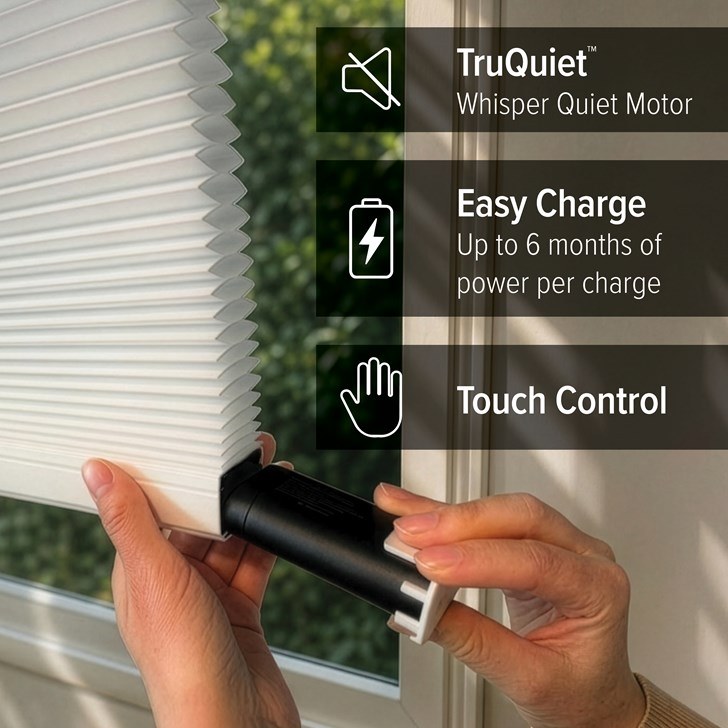
Add approximately $250–$600 per motorized opening for a rechargeable or battery motor, depending on the control system and size. A multi-window project may also require a hub or bridge costing $50–$250. Over 10 years, batteries, occasional service, and replacement remotes can add $20–$120 per shade. World Wide Shades can quote the complete package instead of hiding hardware in a low headline price; request help through contact or call (844) 674-2716.
A $400 manual shade used for 10 years costs about $40 per year before service. A $900 motorized shade over the same period costs about $90 per year, or $7.50 per month. That comparison does not prove motorization is better; it shows how daily convenience can be priced against a decade of use. Read how-much-do-custom-roller-shades-cost for a fuller budget framework.
Room-by-room recommendations
Choose honeycomb when the window is cold and you want soft insulation. Choose a blackout roller when darkness, simple cleaning, and a low-profile headrail matter most. For children’s rooms, prioritize cordless or motorized operation and review child-safe-window-treatments.
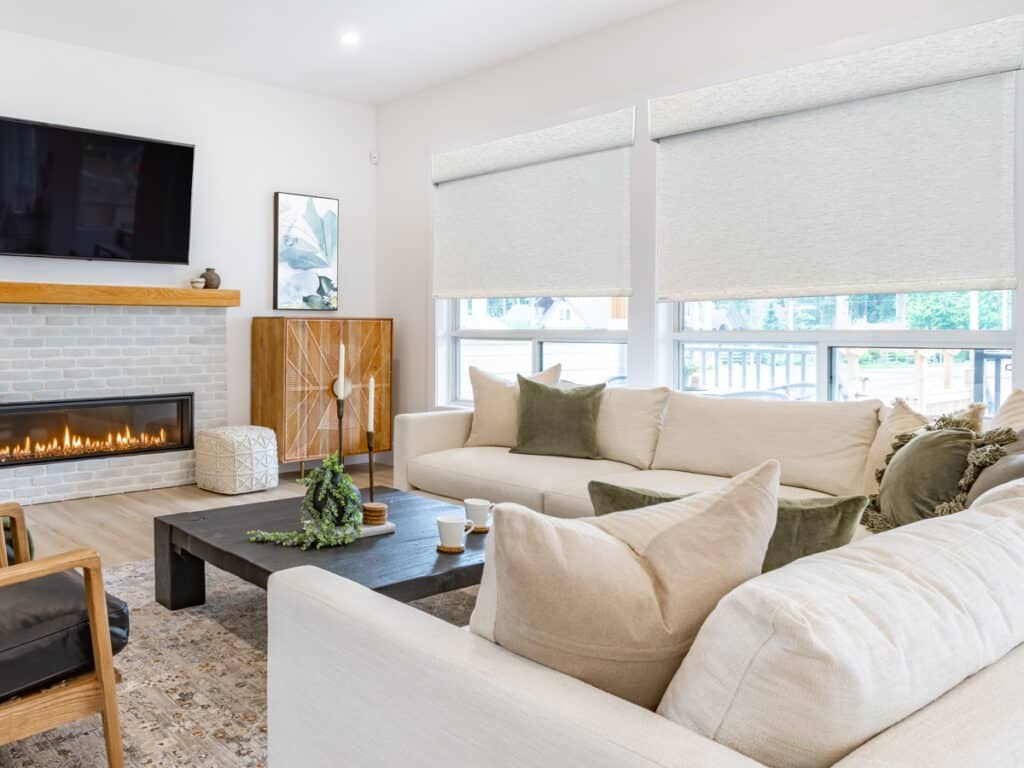
Roller shades usually win for clean lines, wide fabric choices, and easy glare control. A 3% solar fabric can be a useful starting point for a bright room with a television, while a light-filtering weave is better when daylight is part of the design. World Wide Shades can coordinate the shade with upholstery using the window-shades-color-guide.
A roller shade with 1%–3% openness often balances screen glare and outside view. Honeycomb can work well when the desk is beside a cold window, but make sure the cell stack does not interfere with monitors or a sill. For a commercial-style approach, see commercial-roller-shades-office.
Use moisture-tolerant fabrics and avoid untreated materials directly over a sink or shower. A smooth roller shade is easier to wipe than a deeply textured cellular surface. For additional room-specific guidance, read roller-shades-kitchen-bathroom.
Installation details that change performance
Measure width at the top, middle, and bottom of the opening; record the narrowest width for an inside mount. Check depth: many roller systems need about 2–3 inches for a standard mount, while a cassette can need more. For an outside mount, add at least 2 inches of overlap per side when wall space permits.
A shade should travel straight, sit level, and clear handles or locks. If three windows share a wall, order each opening separately rather than assuming identical construction. World Wide Shades can review unusual dimensions before you order; send questions through contact. For the basic measuring sequence, use how-to-install-roller-shades.
Motorization, safety, and daily use
Motorization benefits tall windows, multiple openings, and households that want scheduled heat or glare control. A rechargeable motor may run for several months between charges, but frequency depends on width, fabric weight, and cycles per day. Manual cordless operation can cost less and still remove dangling cords.
Smart control is useful when it creates a repeatable habit: close south-facing shades at 2 p.m., raise bedroom shades at sunrise, or lower media-room shades before a movie. World Wide Shades can help specify a control method that fits the number of windows instead of adding technology for its own sake. Compare setup considerations in smart-home-motorized-shades-setup and the sibling guide motorized-vs-manual-roller-shades-cost.
Which shade should you buy?
Choose honeycomb cellular shades when winter comfort, air pockets, and a soft pleated look are the priority. Choose roller shades when you want a slim profile, broad fabric selection, simple cleaning, solar control, or stronger blackout options. Choose a layered plan when different rooms have different jobs; there is no rule that every window in a house must use the same product.
Get a tailored recommendation from World Wide Shades by starting the builder, requesting swatches, or calling (844) 674-2716. World Wide Shades can compare the total cost, mount, openness, and operating method before you commit.
Frequently asked questions
Honeycomb shades generally have an insulation advantage because their cells trap air. A properly sized roller shade with an outside mount, overlap, and a dense fabric can still improve comfort substantially. Window gaps and installation quality can erase part of the difference.
Often, yes. A common custom installed range is about $300–$850 for cellular shades versus $250–$700 for roller shades, before unusual sizes or motorization. Exact pricing depends on width, fabric, mount, and control.
A blackout roller shade usually offers the most direct fabric choice and a smooth appearance. Either product can leak light at the sides; an outside mount, cassette, or side channel improves darkness. Compare edge-control options before comparing fabric labels.
They can reduce solar gain, glare, and radiant discomfort, but savings vary with climate, glass, shade use, and air sealing. Treat a shade as one part of a window-efficiency plan, not a guaranteed percentage reduction.
They can be worth it for tall, hard-to-reach, or frequently scheduled windows. Calculate the premium over 10 years and consider whether the household will actually use schedules or group control. A manual cordless shade may be the better value for an accessible opening.
View samples at the window in morning and afternoon light, hold them against the glass, and check privacy from outside after dark. World Wide Shades can provide swatches so the decision is based on the real room rather than a phone display.
Ready to compare your windows?
World Wide Shades offers custom sizing, fabric guidance, and operating options for both roller and cellular-style projects. Start your World Wide Shades builder, order swatches, or contact World Wide Shades for help with a multi-room plan.