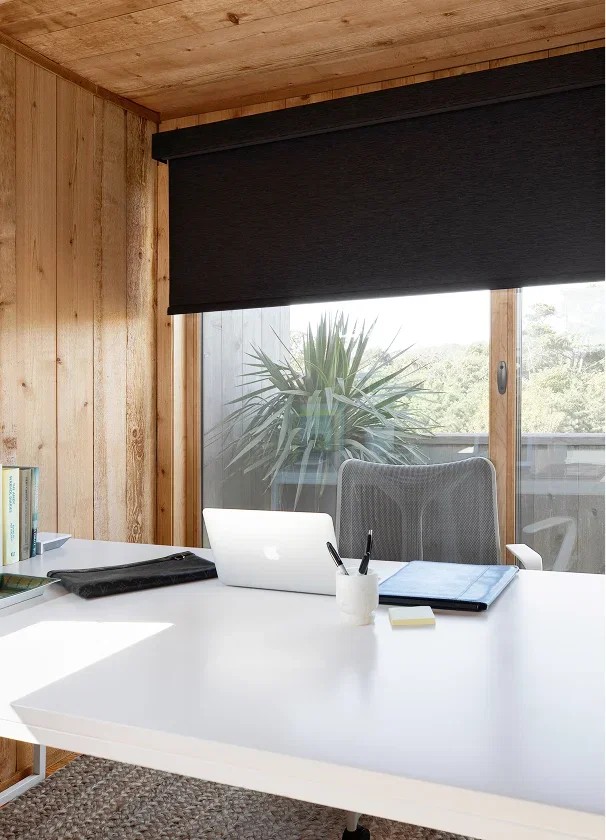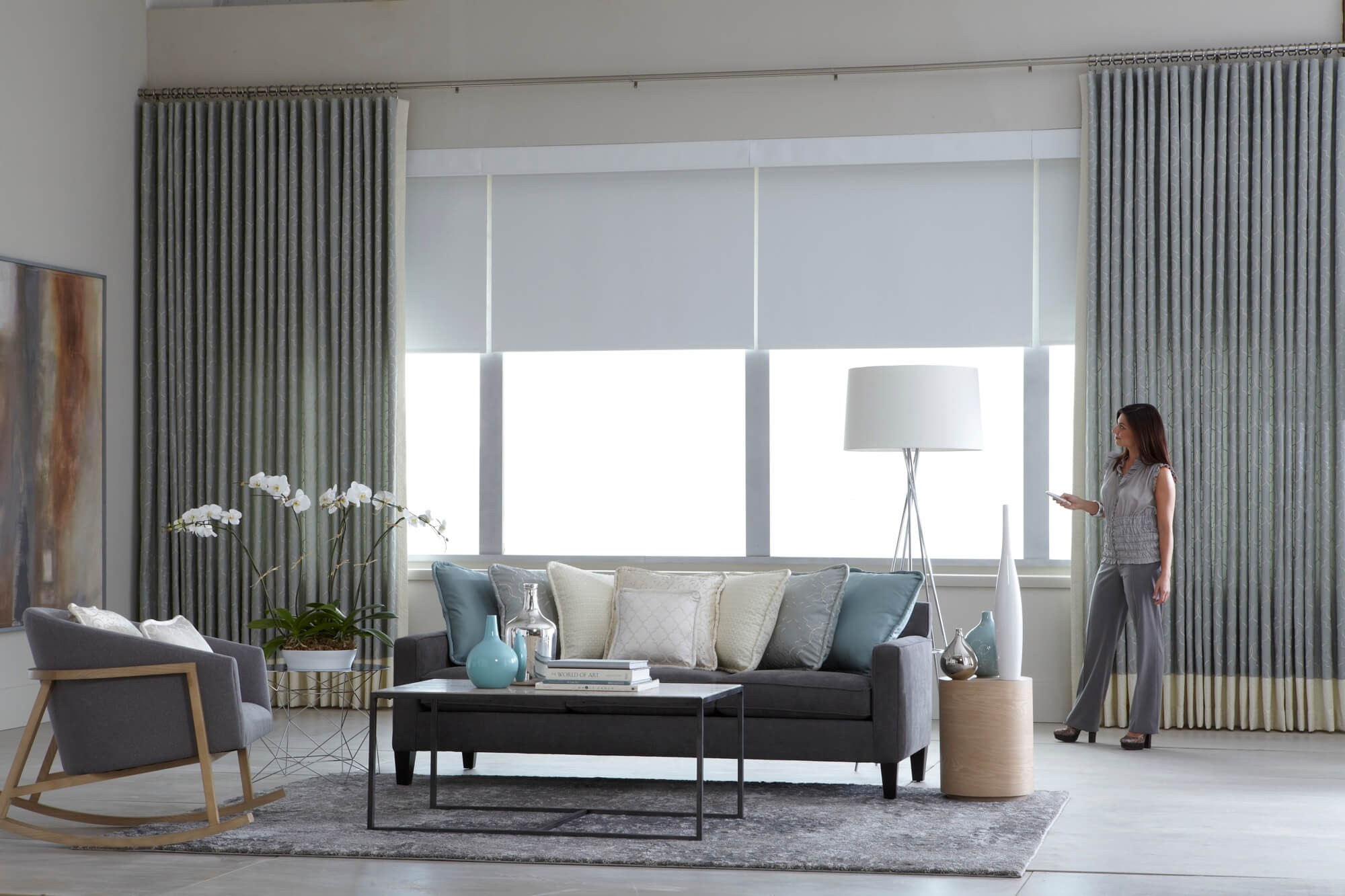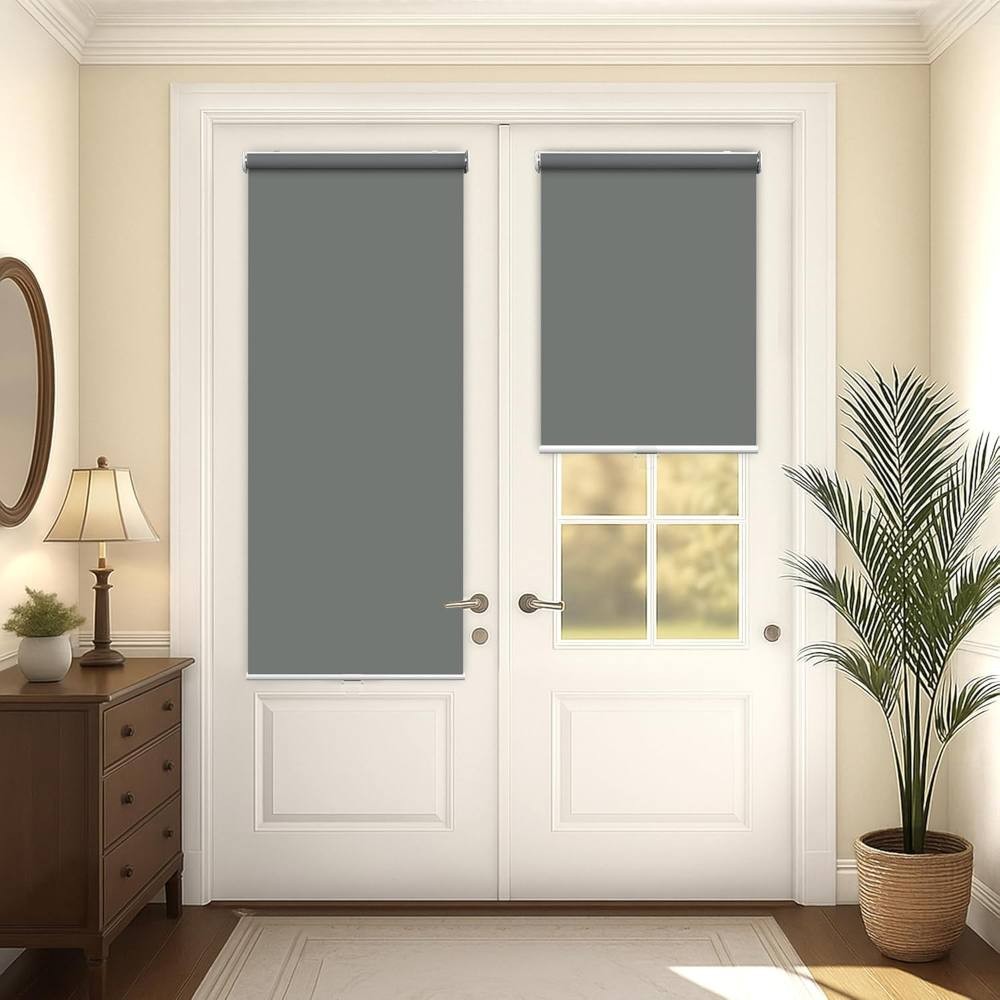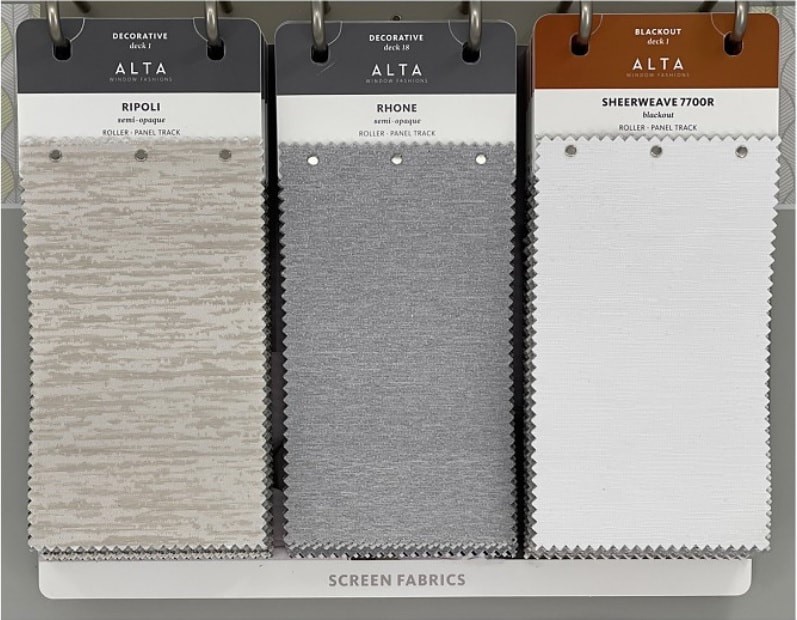
A roller shade sample is a small piece of fabric, but it answers questions that a screen image cannot. The same “warm white” can look gray beside cool paint, cream next to oak trim, or bright beside a dark window frame. A 5% solar screen can look open in a product photo yet feel private in one room and too transparent in another. Sampling before ordering reduces color surprises, performance assumptions, and expensive custom-order mistakes.
World Wide Shades makes fabric selection easier by connecting the sample to the actual window, furniture, light direction, and control goal. Order samples through World Wide Shades, start a shade project in the builder, or contact World Wide Shades with photos of the room. Call (844) 674-2716 if you are choosing fabric for several exposures or need to coordinate a large order.
What a small sample can reveal
A sample can show hue, undertone, weave, sheen, texture, backing, and approximate openness. It can also reveal how the fabric relates to trim and furniture. Hold it flat and rolled, view it from the front and back, and move it from direct sun to shade. The visual result changes as the fabric's holes, coating, and surface reflect light.
A sample cannot perfectly predict a full 96-inch drop. Large shades can show a more continuous pattern, a different amount of roll at the headrail, and more visible edge light. For a high-visibility opening, ask World Wide Shades whether a larger memo, photo, or installed sample is available. Contact World Wide Shades before using a two-inch swatch as the sole basis for a whole-home decision.
Test color in the room's real light
Color temperature changes through the day. Morning light may be cool, late afternoon light may be warm, and LED bulbs can add a third influence after dark. Put the sample beside the window trim, wall, flooring, and largest upholstered item. Take photos at morning, noon, late afternoon, and evening, but judge the fabric with your own eyes because cameras alter white balance.
A white shade can make a room feel brighter, but the wrong undertone can make bright paint look yellow or blue. Gray fabrics can balance daylight, yet a cool gray against warm wood can look slightly purple. Beige, taupe, and stone may coordinate with natural materials but can appear darker when the shade is closed. Use the window-shade color guide and ask World Wide Shades for a coordinated palette.
For a room with several windows, test the sample on the brightest and darkest exposure. A color that works on a north-facing window may read differently on west glass. Review best shades for south-facing windows and UV-protection shade options when sunlight is intense.
Compare openness and privacy
Openness factor describes the percentage of a solar-screen fabric that is open. A 1% screen generally gives more solar control and daytime privacy than a 5% screen, while a 5% screen usually provides a clearer view and a brighter room. Color, glazing, exterior surroundings, and sun angle still matter. A sample lets you discover whether the view is crisp, hazy, or visually busy from your favorite chair.
Test privacy in both directions. Stand inside during the day and look outward, then stand outside if safe and permitted. Repeat the test after dark with interior lights on. Many screen fabrics that feel private during daylight can show silhouettes when the room is brighter than outdoors. A light-filtering fabric diffuses the view more thoroughly; a room-darkening fabric provides stronger privacy and less daylight.
Compare the light-filtering shades guide, read about roller shades for bedrooms, and ask World Wide Shades whether a layered or dual-shade approach better fits the room. Order a purposeful sample set instead of choosing from a single color.
Evaluate glare and heat, not just appearance
Place the sample between your eyes and the window during the hour when glare is strongest. Look at the television, monitor, artwork, and floor reflections. A dark screen may preserve contrast, while a lighter backing may bounce more visible light into the room. A coated room-darkening textile can cut brightness dramatically but may require a different color or cassette to manage edge light.
Heat is also directional. South- and west-facing windows can receive hours of direct solar load; an airy north-facing room may have little heat gain but still need privacy. Samples cannot measure a precise percentage of energy savings in your home, but they can help compare the visual and comfort differences between screen, light-filtering, and room-darkening constructions. Read about energy-efficient window shades and sunroom heat and glare control.
Ask World Wide Shades for a fabric-performance comparison when the shade will cover a large glass wall, skylight, or office monitor.
Check texture, repeat, and visual scale
Smooth roller fabrics create a quiet architectural look. Woven or textured surfaces add depth and can disguise small dust marks, but they may show a repeat or subtle slub across a wide opening. A printed or patterned material can look much larger when it spans several feet. Turn the sample over to inspect the backing, edge finish, and consistency.
If the room includes woven wood, linen, wool, or wood trim, compare texture rather than matching color exactly. Explore the woven wood shades guide and roller-shade valance options if the headrail should blend into the architecture. World Wide Shades can help decide whether the shade should disappear or become a deliberate feature.
Test the sample with hardware and mounting
A shade does not end at the fabric. Place the sample beneath the proposed cassette finish, bottom bar, side channel, or trim. A soft white fabric beside a black cassette may look intentionally graphic; the same fabric beside a white cassette may appear seamless. Check how much of the rolled shade will be visible above the glass and whether the bottom bar relates to the sill.
Use painter's tape to mark the likely fabric edges and mounting height without drilling. Open and close the window, door, cabinet, or closet below it. If a handle, crank, or French-door latch is in the way, the sample test should expose the conflict early. Review French-door shade clearance if the sample is for a moving panel.
Send a photo of the mock-up to World Wide Shades for a second opinion before the order becomes final.
How many samples should you order?
For one room, start with three to five candidates: one light, one medium, one dark, and one alternate texture or openness. For a whole home, build a smaller palette rather than ordering a different fabric for every window. A common approach is one living-area fabric, one bedroom light-control fabric, and one specialty fabric for office or media use.
Order more than one openness factor when the goal is uncertain. Comparing 1%, 3%, and 5% in the same color often clarifies whether you value view, glare reduction, or privacy most. If blackout performance matters, include a room-darkening sample and test its backlighting. World Wide Shades can help narrow the set so you are comparing meaningful differences instead of twelve nearly identical neutrals.
A five-step sample test
- View in place: Tape the sample to the window and observe it from the room's main seating position.
- View at multiple times: Check morning, midday, late afternoon, and evening light.
- Check privacy: Look in and out with lights off and on.
- Check glare: Place the sample between the window and the monitor or television.
- Check the assembly: Compare cassette, bottom bar, trim, handles, and nearby furniture.
Photograph the winning sample with the room lights on and off. Note the date, time, weather, and shade position. Share the results with World Wide Shades when you are ready to convert the sample into a measured order.
Sample mistakes to avoid
Do not judge a fabric only on a phone screen. Do not hold a sample flat against a wall while ignoring the window behind it. Do not assume the front and back look the same. Do not test privacy only during daylight. Do not choose a fabric before checking handle clearance, recess depth, or the amount of light at the edges.
Do not confuse “blackout fabric” with a perfectly dark room. A shade can block light through its material while light enters around the sides, bottom, cassette, or center seam. Compare blackout curtains and blackout shades and read roller-shade side-channel guidance before promising theater-level darkness.
Sample-order FAQ
Usually yes, because a sample can reveal color, texture, openness, privacy, and glare differences before a custom order is made. The value is highest for large, expensive, motorized, or difficult-to-replace shades. Order samples from World Wide Shades before choosing a whole-room fabric.
Keep it through at least one full day and evening, and longer if the room changes dramatically with the seasons. Observe it in direct sun, shade, artificial light, and the actual shade position you expect to use.
It can give a useful indication, but test it with the room lights on after dark. The result depends on the fabric openness, color, glass reflection, exterior lighting, and distance from observers.
Yes. A large fabric area reflects more light and creates a different visual scale than a small memo. Mounting hardware, the window behind the fabric, and surrounding trim also influence the finished appearance.
Not necessarily. A consistent palette can look cohesive, but bedrooms, offices, media rooms, and sun-facing rooms often need different light-control performance. World Wide Shades can create a coordinated set instead of forcing one fabric everywhere.
Make the sample do useful work
A good sample process is a small lighting experiment. Test the candidate at the window, compare privacy and glare, inspect hardware clearance, and let the room's real exposures guide the decision. Order World Wide Shades samples, build the final project, or contact World Wide Shades. Call (844) 674-2716 for help narrowing a whole-home palette. World Wide Shades wants the fabric to look right on the screen, in the room, and after installation.