Why bay windows and large picture windows are different
Bay windows and large picture windows look simple—until you try to shade them.
Compared to standard rectangular windows, these window types introduce challenges that directly affect performance:
- Angles and projections (bay windows)
- Very wide spans (picture windows)
- Multiple panes with narrow mullions
- Depth constraints for inside mounts
- Greater fabric area, which increases sag risk and requires stronger hardware
The good news: roller shades are one of the cleanest solutions for both, as long as you match the design to the window geometry.
CTA: Want an exact plan for your bay or picture window? Start with the World Wide Shades builder and price configurations in minutes.
Bay window vs picture window: pick the right strategy
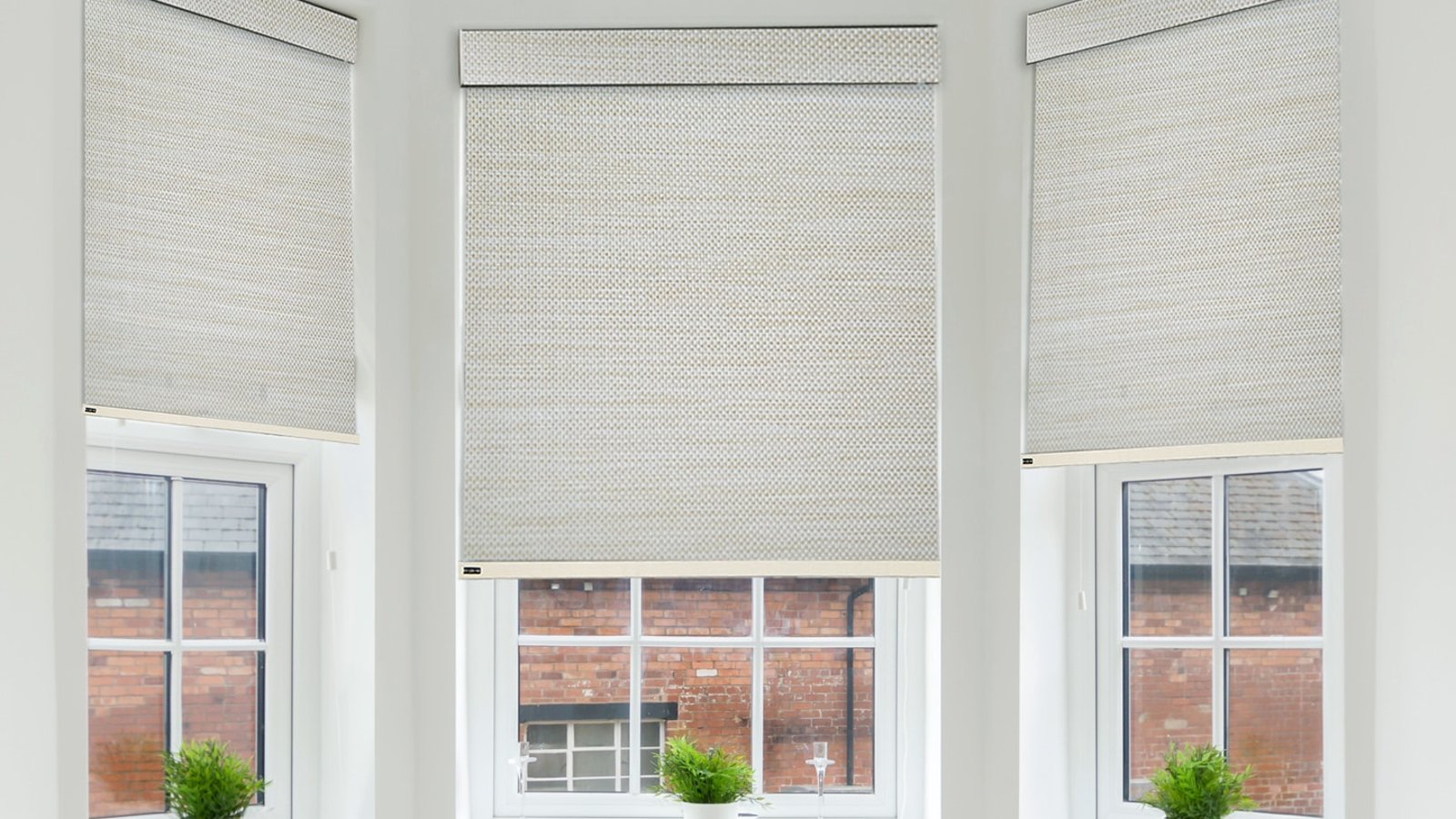
Most bay windows have three or more sections. Your decisions are usually:
- One shade per section (most common)
- Coordinated paired shades (for larger side sections)
Because bay windows are angled, the key is avoiding interference when shades are lowered.
A single roller shade can look seamless, but there are limits:
- Very wide shades can require larger tubes to prevent deflection.
- Larger spans increase the chance of light gaps at the edges.
- Motor torque and hardware strength matter more.
Sometimes, two synchronized shades provide better reliability and easier service.
If your room also gets intense sun, read best shades for south-facing windows for performance considerations.
CTA: For help choosing single vs split shades, call World Wide Shades at (844) 674-2716 or contact us at /contact.
Measuring rules that matter for bay and picture windows
Correct measuring is the foundation of a good outcome.
Inside mount looks built-in, but you need adequate depth for:
- Brackets
- Tube diameter
- Valance/fascia (if used)
If you’re tight on depth, an outside mount can still look premium with the right valance. See roller shade valance options.
For each section (or for the full picture window):
- Top width
- Middle width
- Bottom width
Use the narrowest measurement for inside mounts.
Roller shades need clearance at the brackets, which creates small light gaps.
To reduce edge light:
- Consider outside mount overlap.
- Choose an appropriate opacity.
For bedrooms or media rooms, compare blackout decisions in best window shades for bedroom and material types in blackout curtains vs blackout shades.
CTA: If you want help selecting opacity for a high-glare room, order samples at /swatches and compare them in your real daylight.
Best roller shade types for bay windows
Light-filtering fabrics reduce glare while keeping rooms bright. They’re popular for:
- Living rooms
- Breakfast nooks
- Open-concept spaces
Use the selection framework in light filtering shades guide.
Solar fabrics are ideal in bay windows with views because they:
- Cut glare
- Reduce UV exposure
- Preserve outward visibility
They also require specific maintenance. If you choose solar, keep the care routine from how to clean solar screen roller shades.
Some bay windows are part of a bedroom. In that case, blackout is often worth it.
If you’re choosing blackout, compare fabrics in best fabric blackout shades and understand tradeoffs in blackout curtains vs blackout shades.
CTA: Want to see the difference between solar vs light-filtering vs blackout? Build three options side-by-side in the World Wide Shades builder.
Best roller shade types for large picture windows
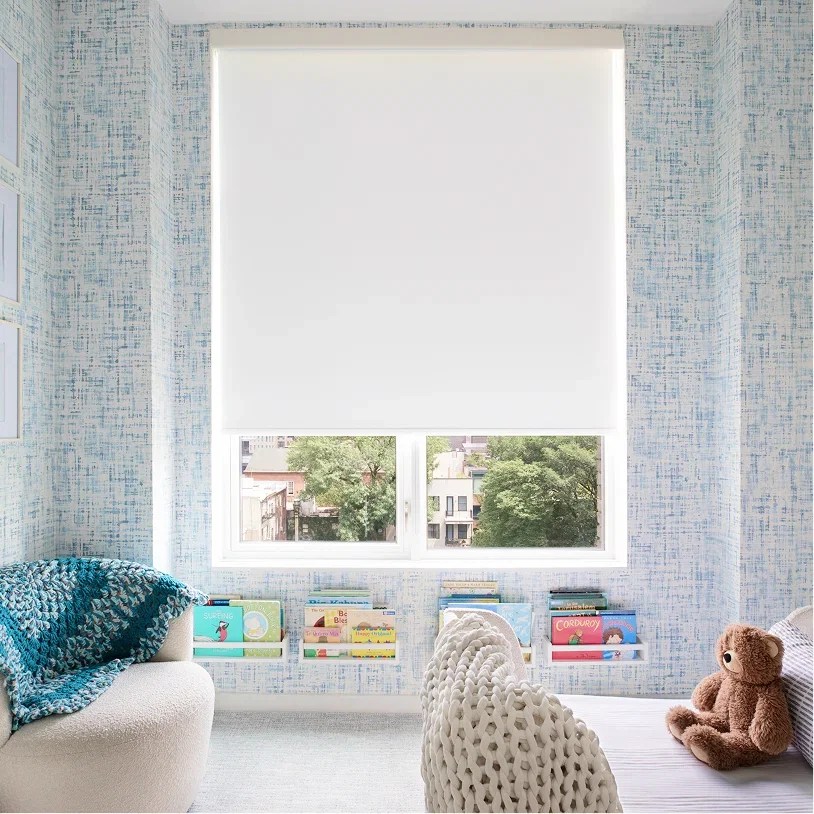
Wide spans magnify small problems. World Wide Shades recommends focusing on:
- Tube size appropriate for width
- High-quality brackets
- Smooth clutches (or properly sized motors)
If you’re considering a big motorized shade, start with smart-home motorized shades setup.
Two shades can be better than one when:
- The window is extremely wide
- You want partial coverage during the day
- You want easier future service
For many homeowners, split shades also help with daily light control—especially in living rooms. See best roller shades for living room.
CTA: If you want guidance on the best split point and mount approach, contact World Wide Shades at (844) 674-2716 or visit /contact.
Bay window layout tips that prevent “shade collisions”
When bay sections are angled, lowered shades can hit each other at the corners.
Practical strategies:
- Use one shade per section sized to the inside of each frame.
- Avoid excessive outside-mount overlap that intrudes into neighboring sections.
- If you need outside mount for coverage, keep overlaps minimal and symmetrical.
Aesthetics: how to make bay and picture window shades look intentional
Small inconsistencies show up on large window walls. Match:
- Hem bar style
- Bracket style and color
- Fascia/valance choice
Large windows become focal points. Use the planning approach in window shades color guide and current ideas in window shade trends 2026.
CTA: Want colors that are proven to work in bright spaces? Order sample sets at /swatches.
Common bay-window and picture-window mistakes (and quick fixes)
Small planning errors show up fast on big or angled windows.
Bay angles mean trim and returns can steal depth.
Fix:
- Measure depth at multiple points.
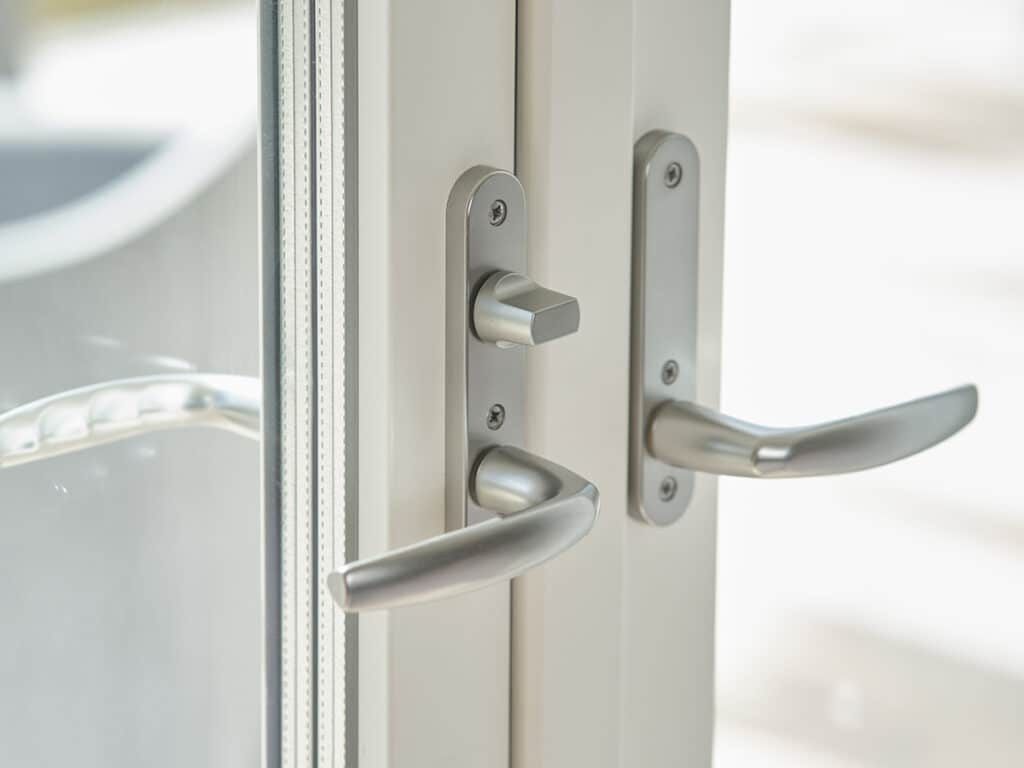
- Verify the bracket and tube will clear the window crank/locks.
A shallow inside mount can force the fabric too close to trim, creating rub marks.
Fix:
- Switch to outside mount with a clean fascia.
- Keep overlap consistent across sections for symmetry.
Roller shades need bracket clearance, so edge gaps are normal.
Fix:
- Use outside mount with 1–2 inches of overlap per side when privacy or light control is important.
- Consider higher-opacity fabrics in bedrooms.
If a motor fails, a single oversized shade can be harder to service.
Fix:
- Consider splitting into two shades.
- Standardize motors across rooms (easier remotes, batteries, and troubleshooting).
For system planning, see smart-home motorized shades setup.
Picking fabrics and colors that look great on big windows
Large windows amplify color, texture, and light transmission.
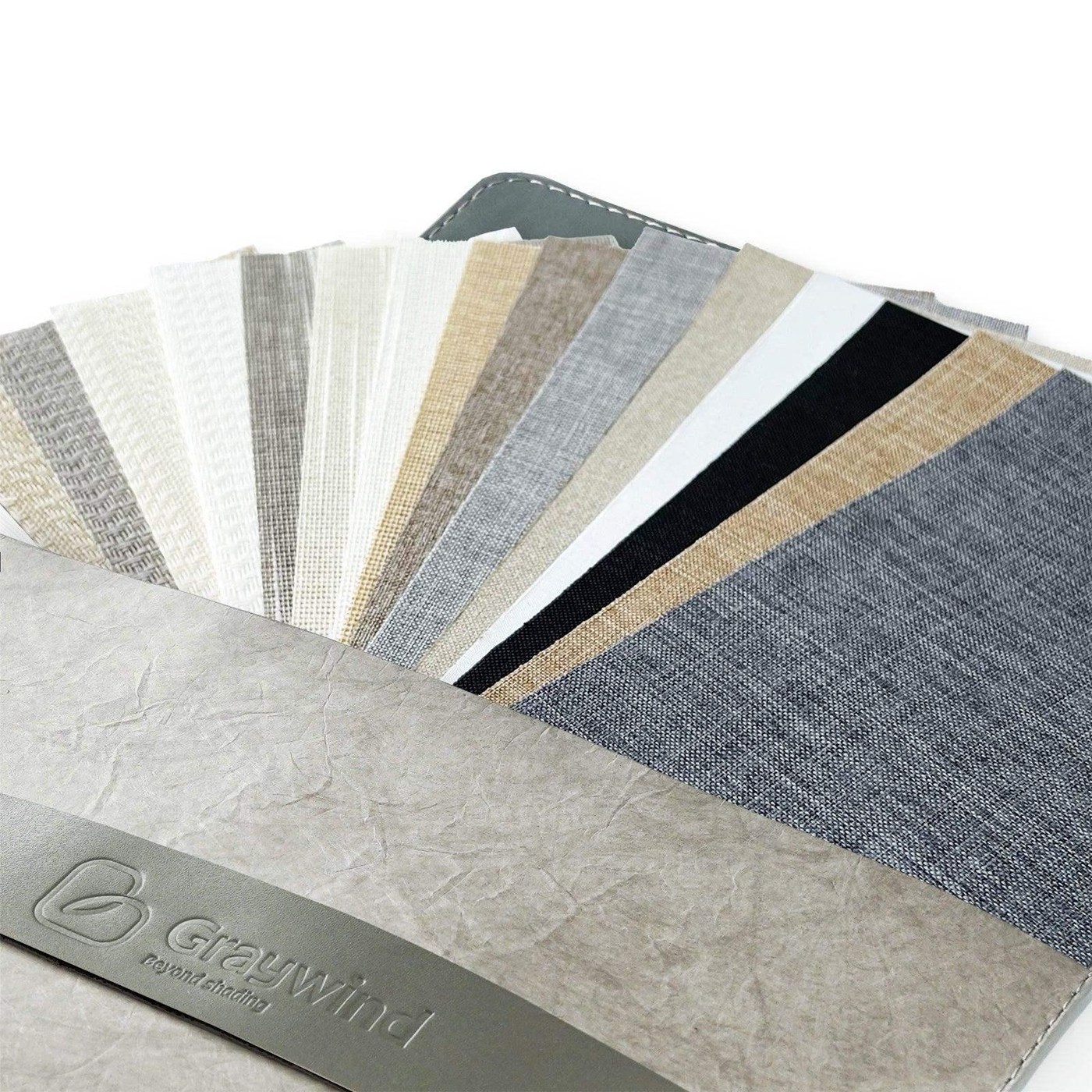
A fabric can look “perfect” at one time and washed out at another. World Wide Shades recommends checking swatches:
- In direct sun
- In cloudy daylight
- At night with interior lights on
Order sample sets at /swatches.
- Media/bedrooms: consider blackout or room-darkening.
- View windows: solar fabric with appropriate openness.
- High-traffic family rooms: easy-clean performance fabrics.
If you’re deciding between shade styles, compare roller shades vs roman shades.
CTA: Want a fast, confident choice? Build a bay-window configuration at /builder and compare fabrics side-by-side.
Installation considerations for big or complex windows
For bay and large picture windows, installation precision matters more than ever.
Key practices:
- Use a level and measure bracket spacing carefully.
- Confirm the tube is centered and square.
- Test operation multiple cycles before finalizing trim/valance.
Reference the step-by-step method in how to install roller shades.
FAQ: Bay window and large picture window roller shades
Most bay windows work best with one shade per section because it avoids interference at angles and makes measuring and installation simpler.
Sometimes, but very wide spans require the right tube size and hardware. Many homeowners choose two shades for better reliability and easier servicing.
Outside mount overlap helps the most. You can also choose higher-opacity fabrics and ensure precise measuring and level installation.
Yes. Solar screen fabrics reduce glare and UV while preserving view, making them a popular choice for bay windows in living spaces.
Order samples and view them at different times of day. World Wide Shades recommends using /swatches and then pricing your exact configuration in /builder.
CTA: Ready to shade a bay window or picture window the right way? Start with the World Wide Shades builder or call (844) 674-2716.