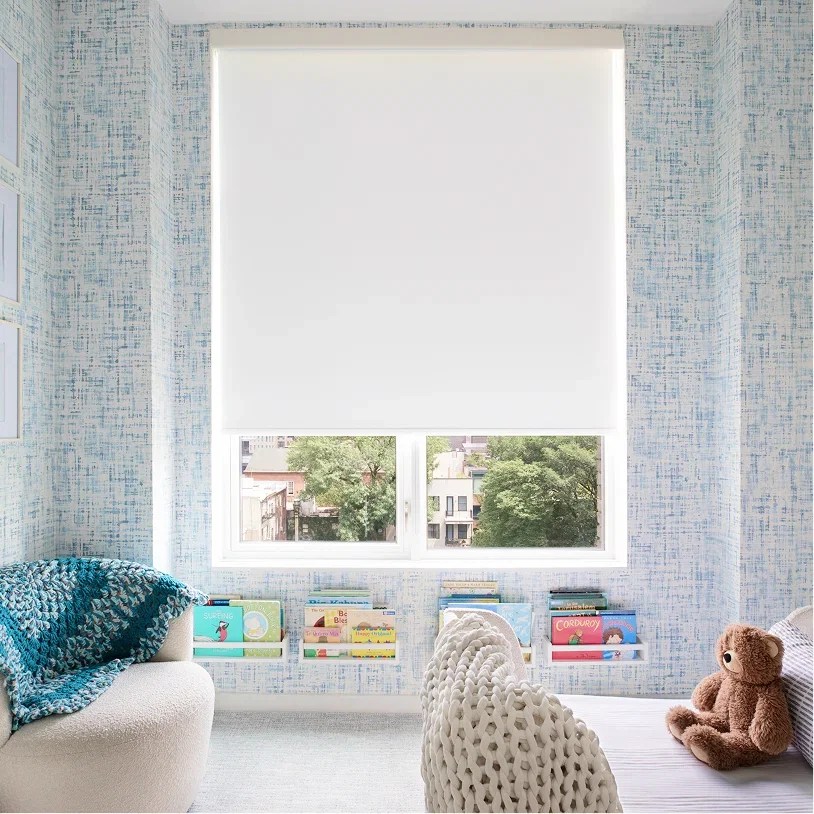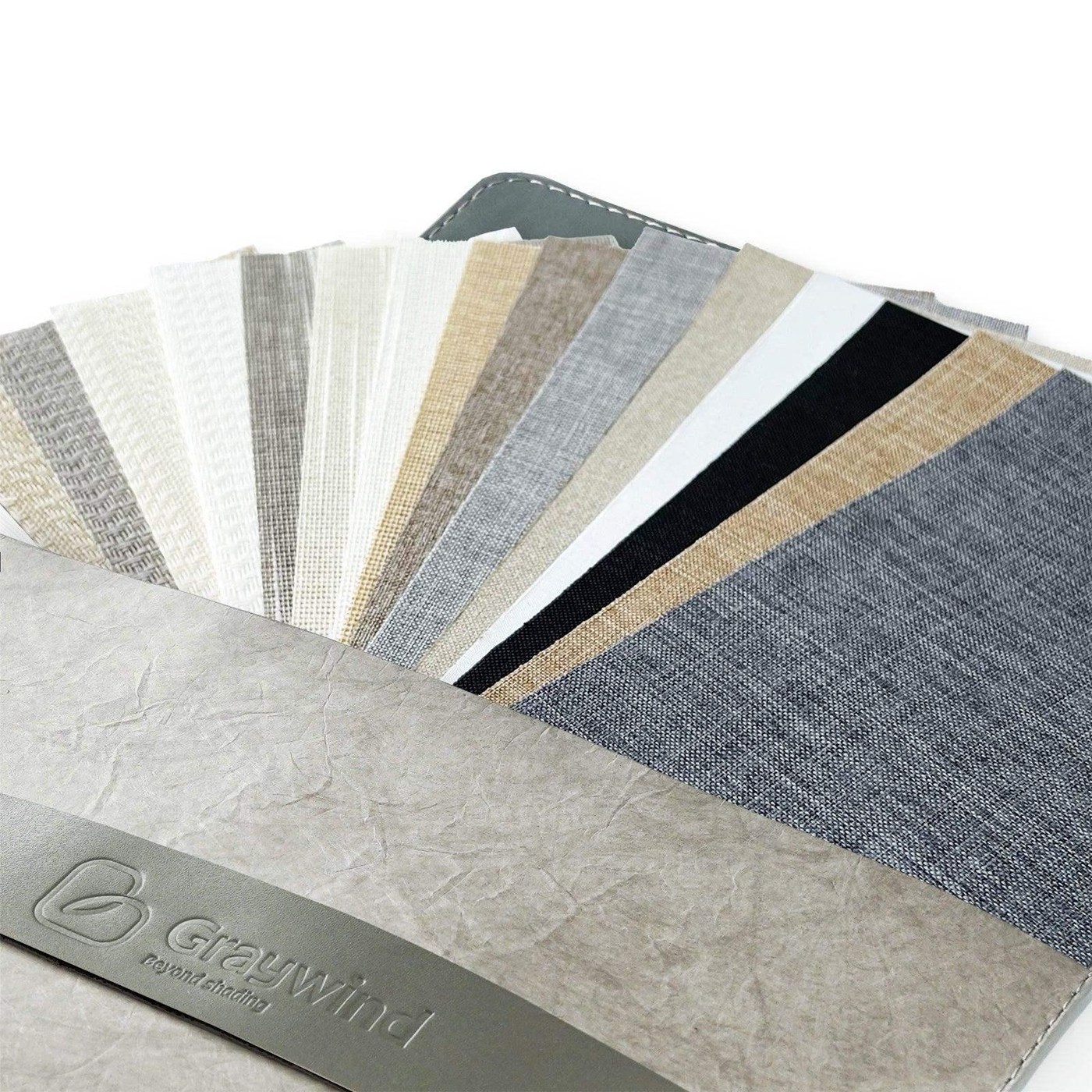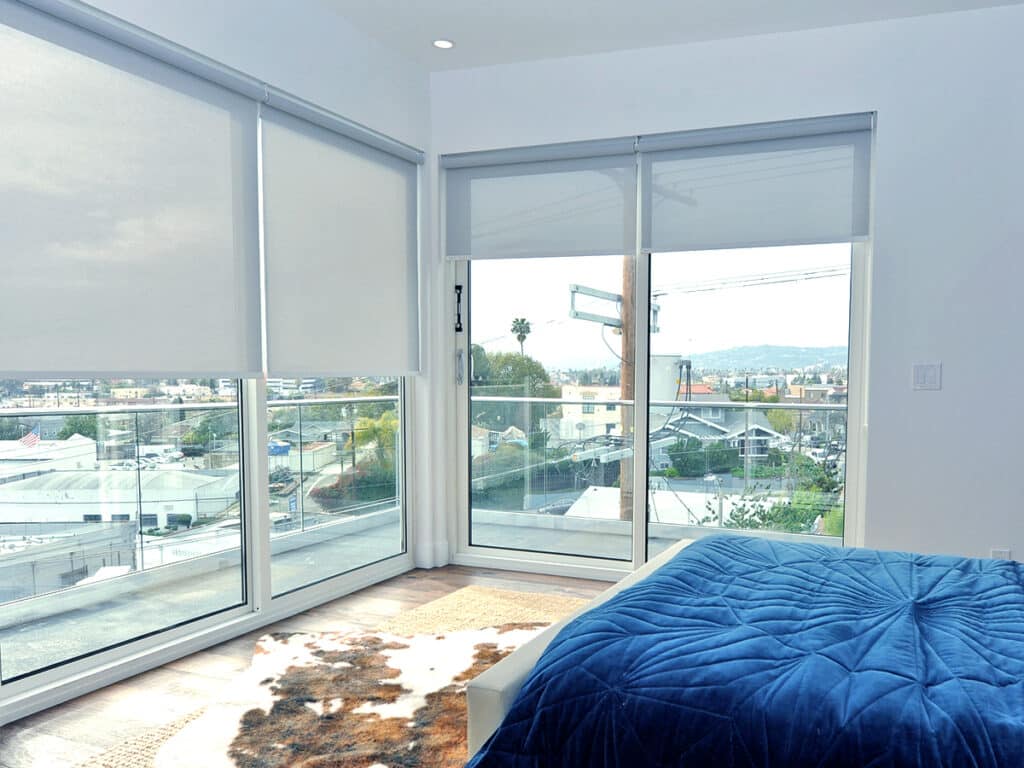
Roller shades vs. solar shades is not a simple choice between two unrelated products. A solar shade is a type of roller shade that uses an open screen weave, while a traditional roller shade usually uses a more continuous fabric. The better option depends on whether the room needs a view, glare control, daytime privacy, nighttime privacy, or darkness.
World Wide Shades can compare both systems against the actual window orientation and furniture placement. Use the World Wide Shades builder to compare fabrics, order World Wide Shades swatches for a light test, or contact World Wide Shades for a room-by-room recommendation. Call (844) 674-2716 when a screen, television, or street-facing window makes the decision harder.
Quick answer: which should you choose?
Choose a solar shade when glare reduction, UV management, and preserving an exterior view are the main goals. Choose a conventional roller shade when you need more privacy, more darkness, more color and texture choices, or a continuous fabric face. Choose a dual roller when the room needs both daytime view and nighttime blackout.
The difference is easiest to understand as a performance table in words. Solar screen: open weave, view retained, strong daytime glare control, limited nighttime privacy. Light-filtering roller: diffuse daylight, softer view, more privacy than a screen, not blackout. Blackout roller: very little light through the cloth, strongest sleep and projection control, but perimeter gaps still matter.
For a deeper fabric overview, see best fabrics for roller shades. World Wide Shades can make the recommendation by window rather than forcing the whole home into one material. Start the comparison before you measure every room the same way.
How solar shades manage glare
Solar shades use a woven fabric with an openness factor, commonly 1%, 3%, or 5%. The percentage describes the approximate open area of the weave. A 1% screen filters more light and view than a 5% screen. A 3% screen is often a balanced starting point for a home office, living room, or media wall that still benefits from daylight.
Solar fabric reduces the contrast between a bright window and the interior, which can make a monitor or television easier to see. It does not always make the room dark. A dark charcoal screen can reduce perceived glare around a display, while a light screen can keep the room brighter but may show more reflected brightness. Color, glazing, orientation, and mount all affect the result.
A solar shade is especially useful on a south- or west-facing window that creates a bright patch across a floor or sofa. The best shades for south-facing windows guide explains why the sun angle should influence your openness choice. Order samples and view them during the actual glare period instead of relying on a catalog label.
How traditional roller shades manage privacy
A conventional roller shade uses a more continuous face, from translucent to room-darkening or blackout. It generally offers more daytime and nighttime privacy than a solar screen, especially when the fabric has a privacy backing. Light-filtering fabric softens silhouettes but still permits a glow. Room-darkening fabric reduces brightness. Blackout fabric blocks visible light through the material.
Privacy is not a binary promise. At night, interior lights can reveal shapes around the side gaps or below the hem. An inside mount preserves trim but leaves a recess gap. An outside mount can overlap the frame by approximately 2 to 3 inches per side when the wall and hardware allow. Side channels can reduce the remaining perimeter glow for bedrooms or media rooms.
Read blackout curtains versus blackout shades when you are comparing a clean roller profile with a fabric panel. World Wide Shades can recommend a cassette, overlap, or side-channel strategy. Contact the team if privacy matters after dark.
Compare view, light, and privacy by room
A 3% or 5% solar shade fits a living room where the view is valuable and the main problem is afternoon glare. Use a light-filtering roller when the room faces a neighbor or needs softer silhouettes. See best roller shades for a living room for furniture and color considerations.
A room-darkening or blackout roller is usually better than solar fabric for sleep. If the bedroom also needs a daytime view, a dual roller lets you lower a screen layer in the day and a blackout layer at night. Compare best window shades for a bedroom.
Solar shades reduce monitor reflections while retaining a usable background. Start at 3%; move to 1% for hard west light or 5% when view is more important. Mounting the shade outside the recess can reduce side brightness around the screen.
Privacy takes priority. A privacy or room-darkening roller will usually outperform an open solar weave. Use a cordless or motorized system when the window is near a tub, sink, or child-accessible area, and review child-safe window treatments.
World Wide Shades can mix these specifications without making the fabric colors look disconnected. Build a multi-room plan to see how the options work together.
Consider heat and UV, not just brightness
Solar screens can reduce the amount of direct sunlight entering a room and can help slow fading of floors, rugs, artwork, and upholstery. Actual performance varies with openness, color, glazing, and installation. A blackout roller may make the room darker, but a dark fabric is not automatically the highest-performing solar screen.
The energy-efficient window shades guide explains how window treatments interact with comfort and solar gain. The UV protection window shades guide covers furnishings and finishes. Use these as design inputs, not as a promise of a specific energy percentage for every window.
Compare mounting and light gaps
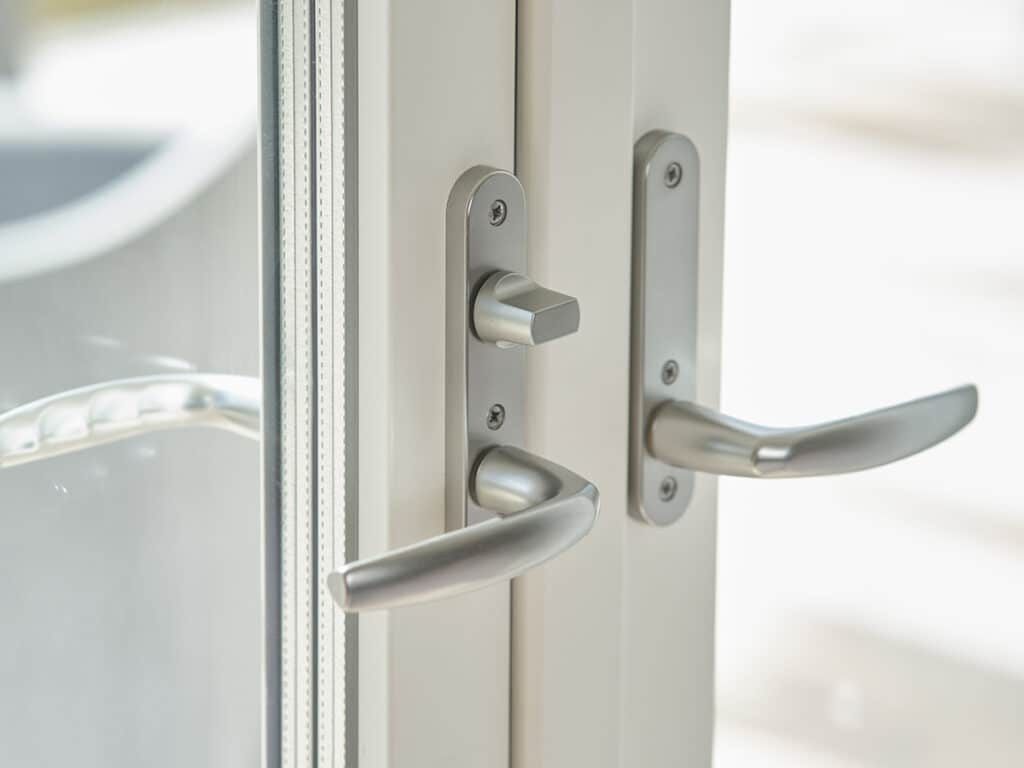
Inside mount is neat when the recess is deep and square. Measure width at the top, middle, and bottom; measure height at the left, middle, and right; and follow the shade manufacturer’s deductions. Check window handles, cranks, screens, and trim before selecting brackets.
Outside mount can cover the frame and reduce edge light. Plan at least 2 to 3 inches of overlap on each side as a starting range, then confirm the cassette and fabric dimensions. For a wide opening, two shades may operate more reliably than a single heavy tube and can let you close only the brighter section.
World Wide Shades can check whether the chosen shade clears a door handle or adjacent casing. Send the dimensions through the contact page for a fit review. For specialty openings, see roller shades for French doors and skylight shades.
Price the performance you will notice
A small manual solar or light-filtering shade may fall around $175 to $400 as a planning range. A larger blackout cassette may run approximately $350 to $850. Motorization commonly adds $250 to $600 per shade. Side channels, dual rollers, tall windows, and split units can increase the price.
Those are planning figures rather than a quote. Fabric, width, height, mount, controls, quantity, and installation all change the total. Use the custom roller shades cost guide to identify the cost drivers. Compare an exact configuration in the builder, then ask World Wide Shades for a dimension-based proposal.
Add controls for changing conditions
A solar shade often moves with the sun, while a blackout shade may move with bedtime. Motorization makes those distinct schedules practical. A living room can lower to 50% at 3:30 p.m.; a bedroom can close at sunset; an office can open at 8:00 a.m. and lower during the strongest screen reflection.
Rechargeable motors fit finished rooms. Hardwired systems make sense in new construction or a remodel. Keep a physical remote even when the shades join a smart-home hub. Review smart-home motorized shades setup and motorized shades with Alexa or Google Home.
Ask World Wide Shades about coordinated controls when the same facade has different glare and privacy needs.
FAQ: roller shades vs. solar shades
Yes. Solar shades are roller shades made with an open screen weave. They are designed to reduce glare and preserve some view, while conventional roller shades offer a broader range from translucent to blackout.
Solar shades generally perform better for daytime glare while retaining a view. A 1% or 3% screen is a useful starting point for bright west-facing glass; fabric color and mounting also matter.
A conventional privacy, room-darkening, or blackout roller is usually better. Solar screens can reveal silhouettes when the interior is brighter than outside, so test the fabric with lights on behind it.
Usually not completely. Solar screens filter light but preserve some daylight. Choose blackout fabric, an outside mount, a cassette, or side channels when sleep and perimeter darkness are the priority.
Choose 1% for stronger glare and view reduction, 3% for balanced glare control and daylight, and 5% when preserving more view is the priority. No openness factor alone guarantees nighttime privacy.
A planning range is about $175 to $400 for a small manual shade, $350 to $850 for a larger cassette shade, and $250 to $600 extra for motorization. Exact pricing depends on size, fabric, mount, and controls.
Choose by the problem, not the label
The best answer to roller shades vs. solar shades changes by room. World Wide Shades can pair open-weave glare control with privacy-focused fabric where the home needs it. Start in the builder, test swatches, or contact World Wide Shades for a window-specific plan. Call (844) 674-2716 when a single facade has several competing needs.