Large windows make a room brighter and more connected to its view, but they also magnify every window-treatment decision. Roller shades vs. Roman shades for large windows is not only a style debate: fabric weight, operating width, stack height, seam placement, light gaps, and installation all affect the result. The right choice keeps a wide opening balanced, usable, and comfortable.
World Wide Shades helps homeowners compare the two styles by starting with the opening’s dimensions and the room’s job. Configure both options in the World Wide Shades builder, order World Wide Shades swatches to test scale, or contact World Wide Shades for a split-window recommendation. Call (844) 674-2716 when the opening is wider than a standard shade, taller than reach, or divided by mullions.
For related planning ideas, compare guest-room blackout shades, transitional roller shade design, French Country roller shades, and industrial loft roller shades.
The quick answer for a wide opening
Choose roller shades when you want a clean plane, a low profile, predictable light control, and an easier path to multiple coordinated units. Choose Roman shades when you want fabric folds, softness, and a more decorative focal point and can accommodate extra stack and weight.
For many large windows, the best answer is not one 120-inch shade. It may be two or three rollers aligned at mullions, or several Roman shades divided to match the architecture. Product width and fabric limits vary, so treat the opening as a system rather than assuming a single unit is automatically better.
Start a side-by-side build, then contact World Wide Shades with the rough width, height, and window photo.
How the two styles behave at large scale
A roller shade wraps fabric around a tube and creates a flat plane when lowered. It has minimal stack when raised, so more glass remains visible. That matters when a 96-inch-wide opening sits above a low sofa or when a room already contains strong architecture.
Rollers also scale well across several windows. Matching hem bars and headrails can create a consistent horizontal line, while each unit can have a different width or opacity. A 3% solar roller might serve a bright living-room opening; a blackout roller can cover the adjacent bedroom without changing the overall design language.
Roman shades stack fabric folds at the top and bring pattern, texture, and tailoring to a large opening. That softness can balance concrete, hard flooring, or a minimalist room. The tradeoff is stack height: a large shade may cover more glass when raised, and the fabric can weigh more than a comparable roller.
Roman shades need carefully selected operating hardware for width and weight. A wide shade may require a split into two or more panels, which creates seams and can change the pattern repeat. Order a sample at full scale when possible, especially if the fabric has stripes, large botanicals, or a directional weave.
Compare light control and privacy
Roller shades offer a straightforward range of light control. A 1% to 5% solar screen can reduce glare while preserving a view; light-filtering fabric diffuses daylight; room-darkening fabric reduces visible light; and blackout fabric blocks light through the material. Large windows amplify edge gaps, so outside mounts, cassettes, and side channels can matter as much as the fabric.
Roman shades can also be light filtering, room darkening, or blackout, but folds, seams, and lining affect the result. A blackout lining can make a Roman shade heavier and increase the stack. If the large window faces a street or bedroom, plan coverage at the sides and top rather than evaluating the sample only in the center.
See blackout curtains vs. blackout shades for edge-light principles and light-filtering shades guide for daylight choices. Ask World Wide Shades to compare fabrics for the actual exposure.
Measure the opening before choosing the style
Measure width at the top, middle, and bottom and record the narrowest inside dimension. Measure height on both sides and in the center. Check depth, handles, mullions, casing, and the clearance needed for a door or window to open. Photograph the opening with a tape measure in the frame.
A 108-inch opening may fit one shade in one fabric but require two units in another. A 72-inch-tall window may need an outside mount because the inside recess is too shallow for the selected cassette or Roman headrail. An outside mount that adds 3 inches above and 3 inches on each side gives more coverage, but it also needs clear wall and trim.
For installation context, see how to measure windows for roller shades, inside mount vs. outside mount shades, and how to install roller shades. World Wide Shades can review the dimensions before the final order. Send the window details through contact when the opening is unusually wide.
Plan splits, seams, and visual rhythm
Multiple units are often more reliable than one oversized unit. Splitting a 120-inch opening into two 60-inch rollers can reduce tube deflection and make manual or motorized operation easier. Three 40-inch units may align better with mullions and allow a seated person to open only the section they need. The exact division depends on the fabric roll, tube, motor, and hardware.
Romans benefit from the same architectural logic, but their pattern repeat and fold alignment become part of the decision. If a large botanical crosses the split, the design may look intentional or interrupted depending on how the pattern is matched. A solid or small-scale texture is more forgiving.
Use consistent gaps between adjacent units and align hem bars across the opening. A 1/8-inch mismatch can be visible across a long horizontal line. Order swatches and ask World Wide Shades to show how the fabric will read at the proposed panel width.
Compare operation and safety
Roller shades generally have a simpler operating path and fewer moving fabric folds. Cordless operation is intuitive on reachable windows. For tall or wide openings, rechargeable motorization can raise several units together and prevent a chain from hanging beside furniture.
Roman shades can be cordless or motorized too, but the added fabric weight makes hardware selection more important. A large Roman should not feel jerky, sagging, or difficult to stop. If children or pets use the room, follow child-safe window treatments and keep cords away from reach.
Motorization commonly adds about $250 to $600 per shade, depending on the motor, battery, control, size, and integration. A multi-shade scene can close a wall of glass at sunset, but each unit still needs proper alignment and charging access. Review smart-home options before choosing a hub.
World Wide Shades can match control to the opening. Build a cordless roller for a reachable opening, or contact World Wide Shades when a tall Roman needs motorization.
Compare design impact
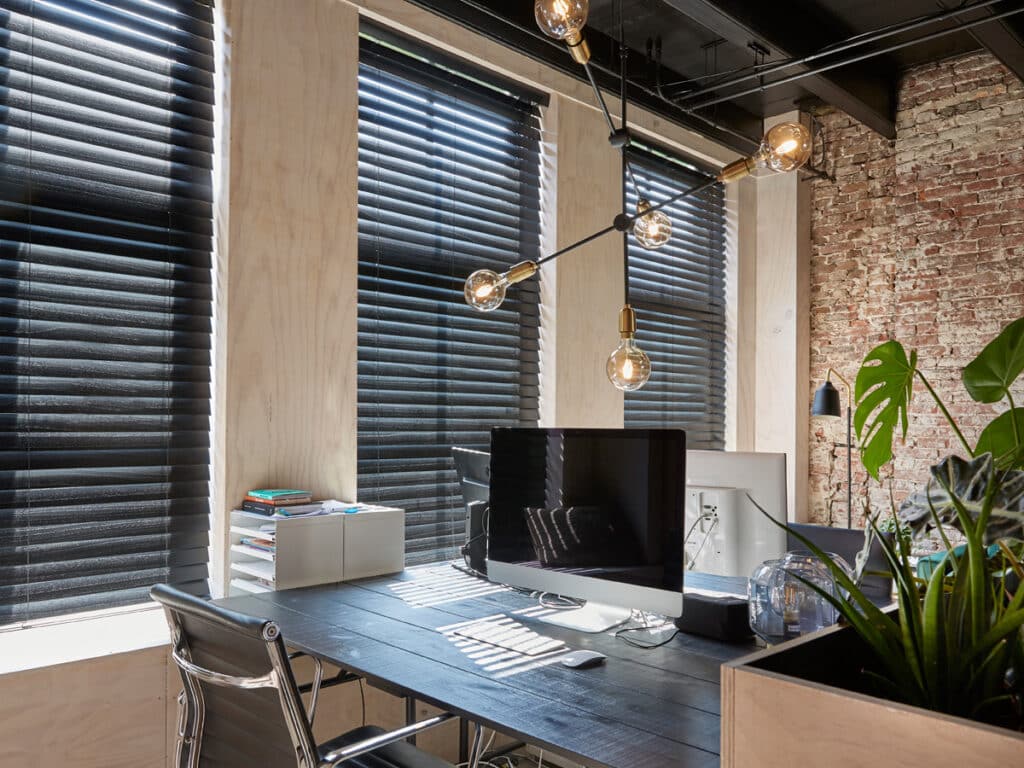
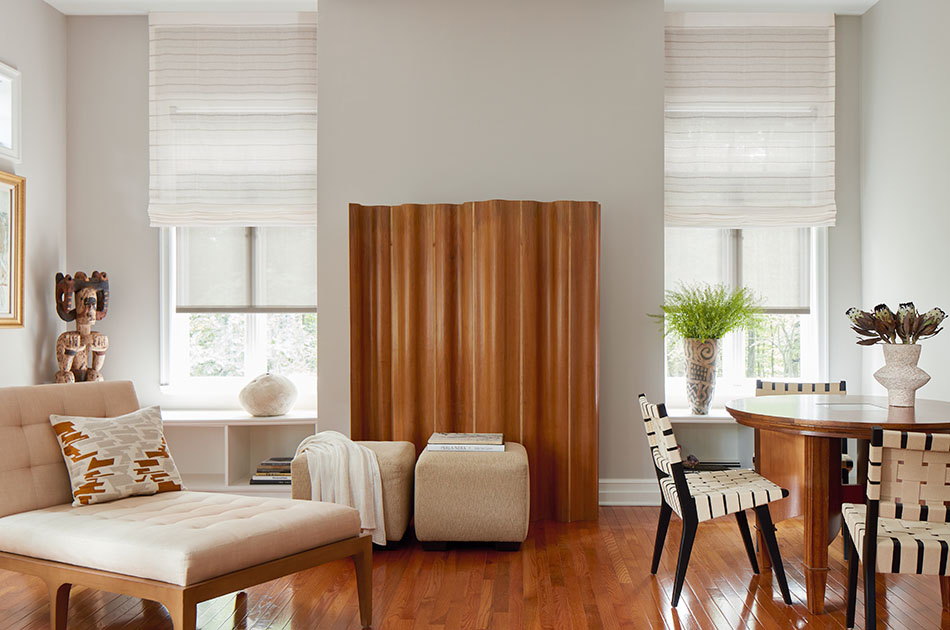
Rollers disappear more easily when raised and create a clean rectangle when lowered. They work well in contemporary, transitional, Scandinavian, and industrial rooms. Texture can warm the plane without adding folds; a subtle linen look or woven surface gives a wide shade depth.
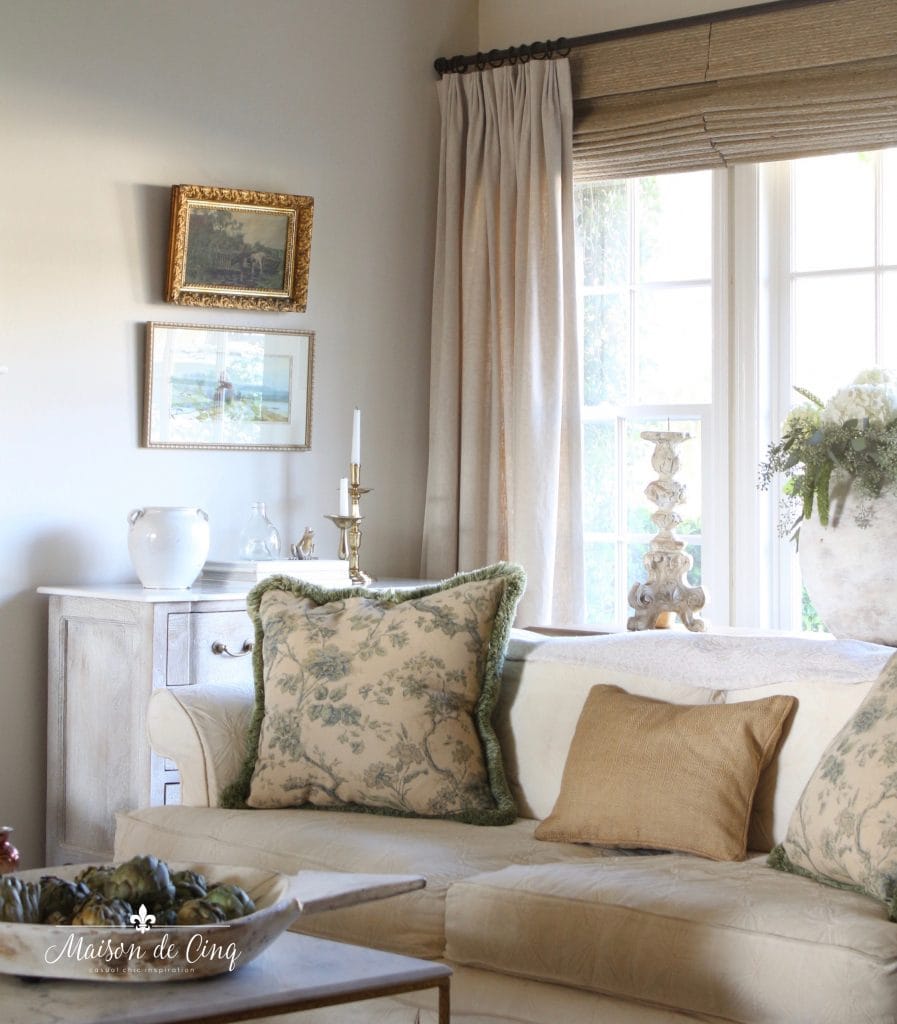
Romans add softness and can become the room’s textile focal point. They suit traditional, French Country, cottage, and layered transitional interiors. However, a large patterned Roman can dominate an open-plan room, and a deep stack can shorten the visual height of a small window.
Use woven wood shades guide when the choice is really between a sleek roller and a textured natural layer. Use window shades color guide when the shade must coordinate with a long sofa, rug, and adjacent openings.
Estimate cost for a large window
A small manual roller may start around $150 to $350, but large widths, premium solar or blackout fabrics, cassettes, and multiple units can move the range to $400 to $900 per shade. A custom Roman may start around $300 to $800 and can exceed $1,000 for wide, lined, patterned, or motorized units.
For a 100-inch opening, two manual rollers might total roughly $800 to $1,800, while two motorized rollers might land near $1,300 to $3,000. A pair of large Romans could be $1,000 to $3,000 or more before installation and specialty fabric. These are planning ranges, not quotes; fabric, exact dimensions, lining, and hardware control the final number.
Use how much custom roller shades cost for the main price drivers and price both styles in the builder. Contact World Wide Shades when a large opening needs an engineering or installation review.
Match the style to the room
Rollers are a strong default when view, glare, and a clean profile matter. Choose a 3% to 5% solar screen for a bright view or light filtering for softer daylight. Romans work when the room needs textile softness and the stack will not hide too much glass.
A blackout roller usually offers the simplest path to darkness and low bulk. A lined Roman can work if the fabric and edge coverage are carefully planned. See best window shades for bedroom for sleep-focused specifications.
Either style can work. A textured roller keeps the room crisp; a Roman can echo upholstery and add warmth. Keep fabric clear of chairs and table traffic.
Rollers often win because the flat plane and solar openness options reduce reflections. For projector use, compare blackout shades for home theater and plan side coverage.
Maintain a large treatment
Dust rollers with a soft brush or low-suction vacuum and avoid pulling the fabric sideways. Roman shades need gentle cleaning around folds, cords, and lining; do not saturate the fabric without manufacturer approval. Keep furniture from pressing against the bottom rail.
If a wide roller begins to telescope or rub, stop operating it and check for loose brackets or contact with trim. For troubleshooting, see how to fix uneven tracking roller shades. Save the fabric, mount, split, and control details so a future replacement matches.
FAQ: roller vs. Roman shades for large windows
Rollers are usually easier to scale, operate, and align across a wide opening. Romans are better when fabric folds and softness are priorities and the opening can support the extra stack and weight.
Sometimes, but not every fabric, tube, or motor supports that width. Two coordinated shades may operate more reliably and can align with mullions. Product limits and the exact fabric determine the answer.
Either can use blackout fabric, but edge coverage is critical. Outside mounts, cassettes, and side channels can reduce gaps; rollers often make that hardware path simpler.
Often, because Romans use more fabric, lining, folds, and operating hardware. A large manual roller may cost about $400 to $900, while a custom Roman can range from $300 to more than $1,000 depending on size and fabric.
Motorization is useful when shades are tall, wide, heavy, or grouped across a wall. Reachable openings can use cordless operation, but multi-panel rooms often benefit from synchronized control.
Choose rollers for a clean, low-profile, performance-first treatment. Choose Romans for softness and textile character. Then compare actual samples, split layouts, mounting depth, and total cost in the World Wide Shades builder.
Make the wide opening feel intentional
The best large-window treatment is the one that respects scale, operation, light, and the room’s visual language. World Wide Shades can compare roller and Roman fabrics, divide the opening intelligently, and coordinate control across every panel. Start your comparison, order full-size swatches, or contact World Wide Shades; call (844) 674-2716 for a wide-window plan.