Start With the Problem, Not the Technology
Comparing smart glass vs motorized shades becomes easier when you separate three goals: managing sunlight, protecting privacy, and automating daily routines. A living room with an expansive view has different priorities from a street-facing bedroom. The right investment should solve the actual problem without adding construction or controls you do not need.
World Wide Shades recommends starting with the existing windows and the way each room is used. If the glass is staying, evaluate an attachment-based solution first. If a renovation already includes glazing replacement, compare dynamic glass within that larger construction budget rather than against a shade alone.
Use this comparison as a decision framework, not a universal price chart. Your window system, fabric specification, electrical access, and integration requirements determine the scope.
Understand What Each System Changes
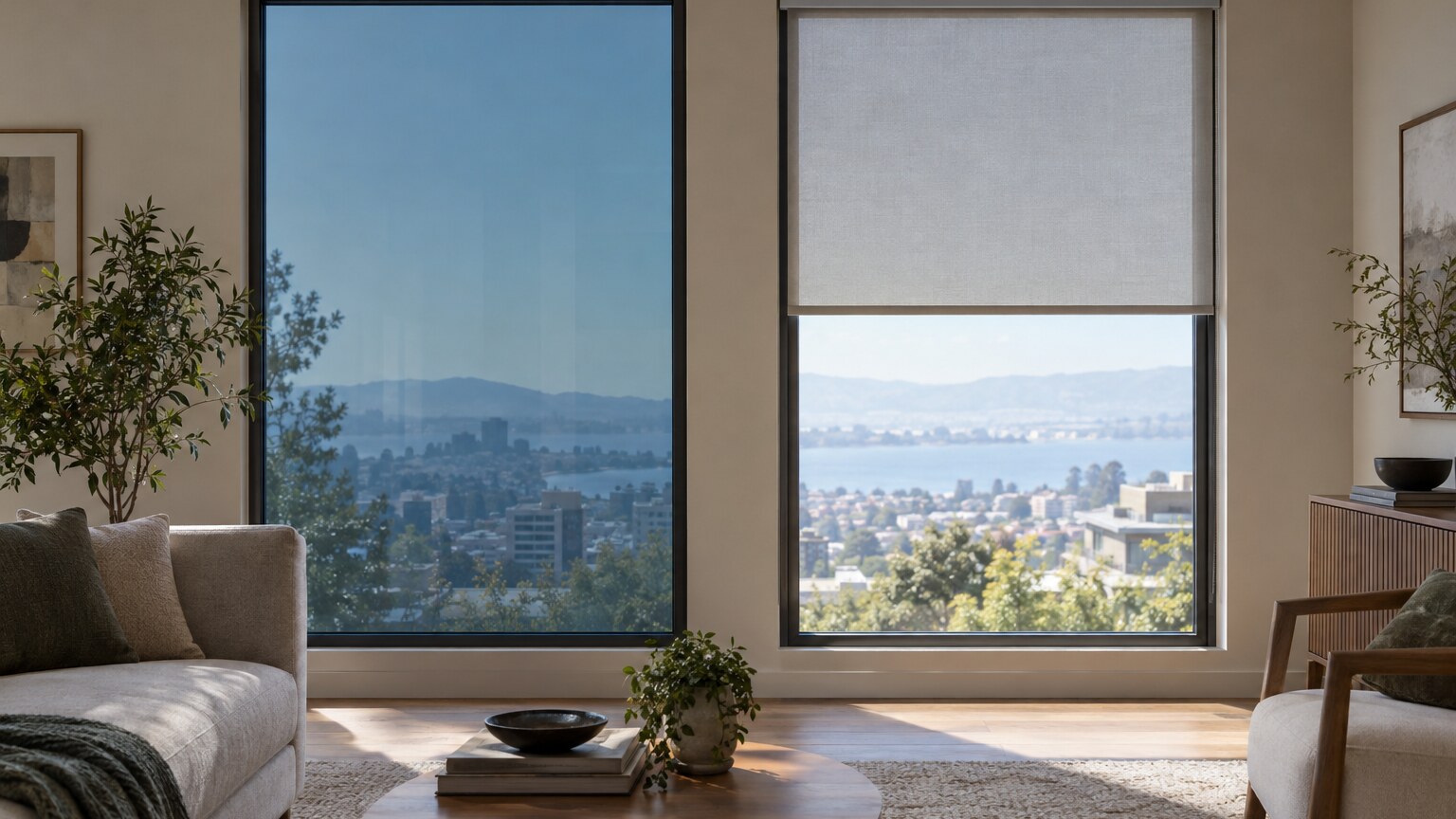
Electrochromic glass changes its tint using an electrical charge rather than moving a fabric covering; SageGlass describes its technology as a coated lite incorporated into an insulating glass unit, with changing visible-light transmission and solar heat gain characteristics (SageGlass product overview). Treat it as a glazing-system decision, not simply a motor upgrade.
SageGlass pairs its glass with automatic controls and offers wall-panel, app, and building-management integration options (SageGlass product overview). Ask the glazing supplier to specify the exact controls included in your proposal instead of assuming every smart-glass installation operates identically.
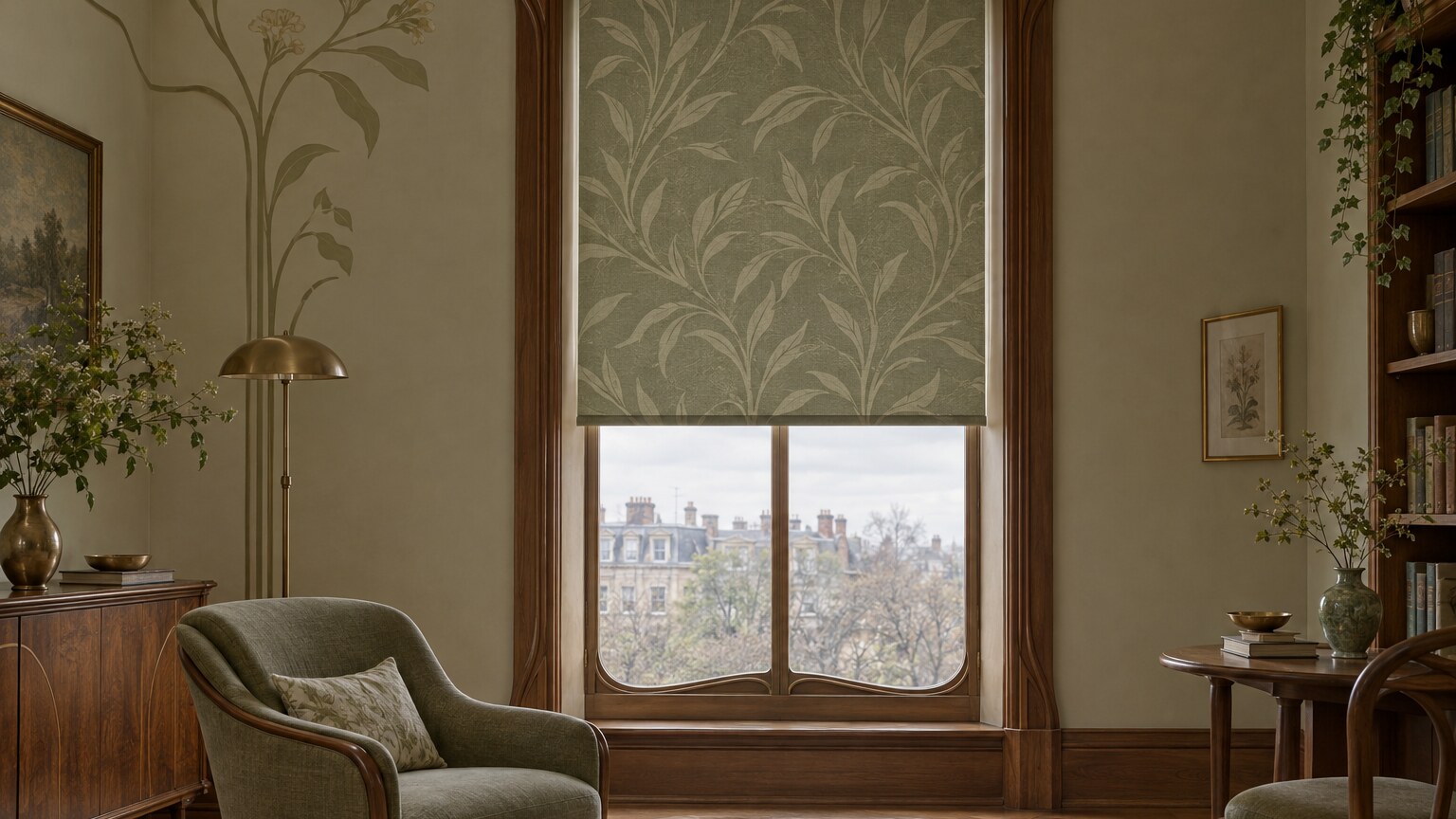
A motorized roller shade raises or lowers fabric in front of the window. In this comparison, the shade changes the covering position rather than the glass itself. Select the fabric and motor as separate decisions: one addresses the visual result, while the other addresses operation.
That distinction matters when reviewing World Wide Shades options. A motor does not turn an open-weave fabric into a privacy fabric, and a blackout fabric does not automatically make the complete window opening light-tight. Our roller-shade fabric guide helps organize the material decision before automation enters the conversation.
Do not assume every product called smart glass uses electrochromic technology. Gauzy describes PDLC technology as switching between transparent and opaque appearances, with both laminated-glass and adhesive retrofit-film formats available (Gauzy smart-glass technology). A privacy-film quote therefore belongs in a separate comparison from a replacement electrochromic glazing quote.
Ask suppliers to name the technology, intended application, and finished system. Avoid comparing three products under one label when their privacy behavior and construction scope differ. For a separate look at attachment-based alternatives, read roller shades versus window film for heat control.
Ready to explore the covering-based route? Start a World Wide Shades configuration and use it to define the shade side of your comparison.
Compare Retrofit Scope Before Comparing Prices
For an existing home, request two clearly bounded proposals. One should describe the work required for the proposed glass system; the other should describe a complete motorized shade installation. Do not compare a glazing-material allowance with a finished shade price.
For glass, have the contractor identify whether existing frames can remain, which glazing components must change, how wiring will reach them, and what finish repairs are included. Request confirmation of permit responsibilities, access equipment, protection of surrounding finishes, and removal of existing materials. These are questions for the project team, not assumptions that apply to every installation.
For shades, define the number of independently operated units, fabric selection, mounting hardware, motor, power arrangement, and controls. Include any electrician or integration work in the same comparison. A quote that excludes those tasks may look attractive without describing a usable finished system.
World Wide Shades suggests separating essential work from optional upgrades. Decorative enclosures, elaborate scenes, and centralized controls should remain visible line items rather than disappearing into a vague automation allowance. Read how much custom roller shades cost for the shade-budget side of that conversation.
Build a Project-Specific Total-Cost Model
Use the same evaluation period for both proposals and write down the costs you can actually substantiate. The useful comparison is installed cost plus foreseeable ownership expenses, not a universal price per square foot. SageGlass says its smart windows cost more than Low-E glass paired with roller shades, while noting they can be cost-competitive or cost-neutral against more advanced glazing-plus-solar-control solutions; it cautions that these are not like-for-like comparisons (SageGlass cost FAQ). Treat that relative comparison as a reason to define project scope, not as a price quote for your windows.
Request a complete initial budget that includes product, delivery, installation, electrical work, controls, commissioning, and any required finish restoration. For a renovation already replacing windows, ask the glazing team to show the incremental cost of the dynamic option separately from the underlying window project.
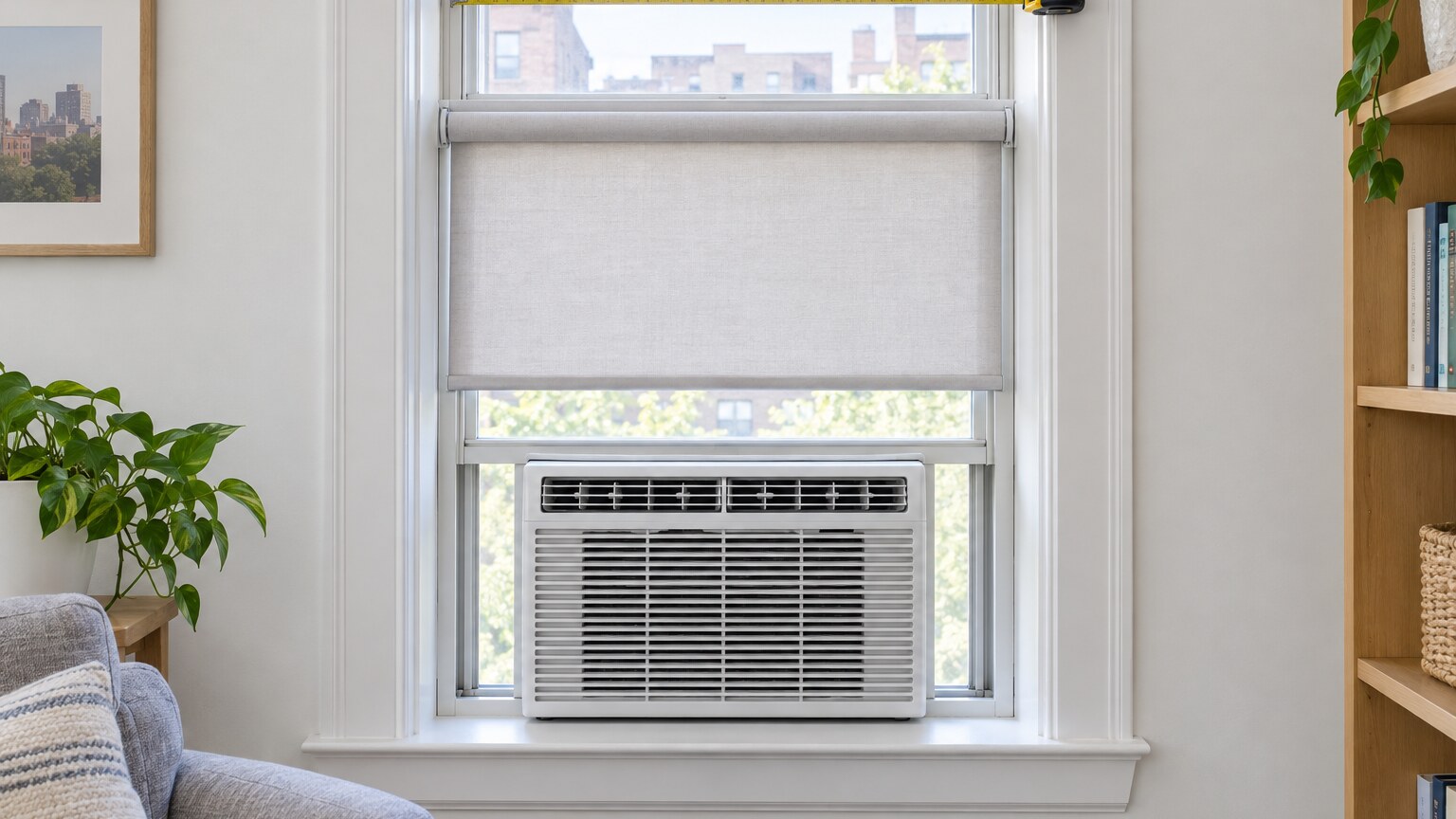
For shades, distinguish a new complete assembly from a proposal to modify existing hardware. Do not assume an existing roller tube, bracket, or fabric assembly can accept an arbitrary motor. Ask whoever supplies the finished product to confirm responsibility for compatibility and performance.
Add a realistic allowance for service access, replacement components, charging or battery replacement where applicable, and changes to the control system. Request written warranty terms for the actual products rather than treating a brand name as a warranty specification.
Ask who troubleshoots a failed command: the shade supplier, electrician, glazing contractor, or integration specialist. World Wide Shades recommends having a named service contact and a documented handoff before accepting any automation proposal. A technically impressive system is less useful when nobody owns the support process.
Keep comfort and financial return separate. You may value a scheduled privacy routine even when the energy savings are uncertain. DOE states that savings from window attachments depend on attachment type, season, climate, and use, so a generic payback promise is not an adequate project estimate (DOE window-covering guidance).
Want help defining the shade scope before collecting bids? Contact World Wide Shades or call (844) 674-2716 to discuss the rooms and operation you want.
Make Nighttime Privacy a Separate Requirement
The most important distinction may appear after sunset. SageGlass explicitly states that its electrochromic glass is not privacy glass and does not provide significant nighttime privacy when the interior is illuminated (SageGlass privacy FAQ). Do not interpret a dark tint as an opaque barrier.
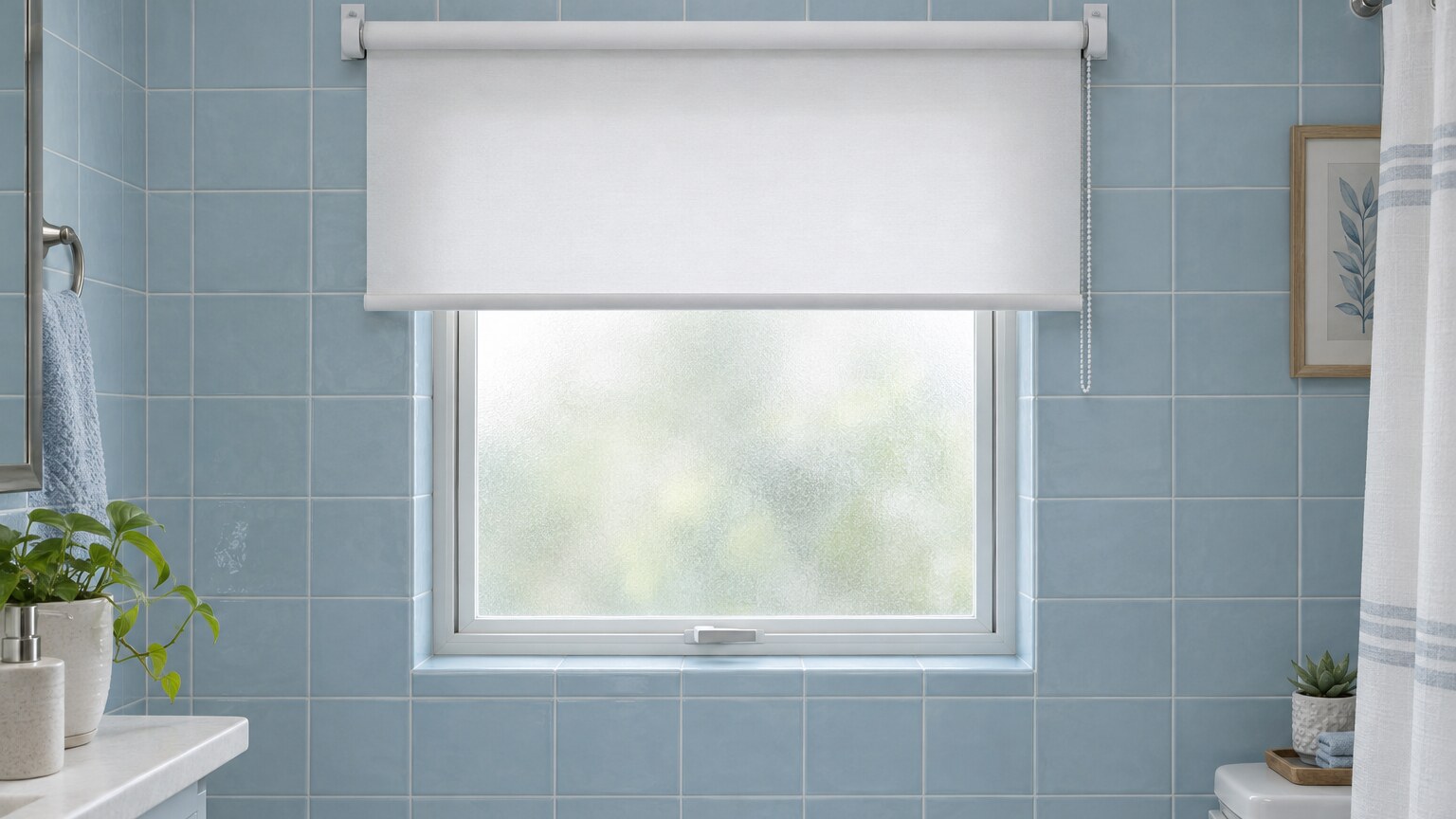
If nighttime privacy is essential, require the proposal to explain exactly how it will be achieved. For a shade-based approach, discuss fabric opacity, edge exposure, adjacent panes, and the position of the covering. Evaluate the complete window opening rather than a small fabric sample alone.
Set your bedroom brief differently from your daytime living-room brief. Our bedroom window-shade guide and blackout curtains versus blackout shades comparison can help distinguish privacy goals from room-darkening goals.
World Wide Shades recommends asking two separate questions: can someone see into the room, and how much light remains? A privacy requirement should not be signed off solely because a material appears dark on a screen.
Before choosing a fabric, request World Wide Shades swatches and consider the room's daytime and evening requirements together.
Match Controls to Your Actual Household
Write down the actions you want before naming a platform. Examples might include closing bedroom shades at bedtime, opening living-room shades from a remote, or giving guests a simple wall control. Then ask each supplier to demonstrate those actions with the exact proposed hardware.
Compatibility is product-specific. Somfy states that Apple Home support through its TaHoma system requires TaHoma switch with select Zigbee motors, and that Apple Home is not compatible with TaHoma Beecon (Somfy TaHoma app documentation). That example illustrates why “smart-home compatible” is not a complete specification.
For either glass or shades, ask which features require a hub, internet connection, account, or third-party service. Get written answers about operation during an internet outage and a power outage. Do not assume that an app, remote, schedule, and voice command share the same dependencies.
Use the smart-home motorized-shade setup guide to organize the discussion. World Wide Shades encourages choosing a clear everyday control method first and treating more elaborate scenes as an additional layer.
Evaluate Sunlight and Comfort Without Overpromising
For an electrochromic proposal, request the performance values for the specified insulating glass assembly and tint states. SageGlass explains that its coating changes visible-light transmission and solar heat gain coefficient, while its product construction includes additional glass and coating choices (SageGlass product overview). Do not substitute a marketing headline for the configuration being quoted.
For solar shades, openness creates a tradeoff. DOE notes that greater solar-screen openness increases visibility and light transmission while reducing protection against glare and solar heat gain (DOE window-covering guidance). Select for the room's priorities rather than assuming the most open fabric also delivers maximum screening.
Discuss seasonal operation as part of the plan. Our energy-efficient window-shade guide provides a starting point for framing those choices without assuming every room needs the same covering.
If glare and privacy call for different solutions, ask whether a layered strategy makes more sense than forcing one product to do everything. Keep both systems and their controls in the cost model.
Choose the Better Fit for the Project
Consider electrochromic glazing when a glazing project is already being evaluated and preserving views during sunlight management is a central design goal. Have the glazing specialist explain any additional privacy treatment needed. Evaluate that combined proposal, not an imagined glass-only solution.
Consider motorized roller shades when your preferred scope is a controllable covering over retained windows. Decide whether your first priority is fabric appearance, nighttime privacy, room darkening, or daily convenience, then build the specification around that priority.
For a mixed project, avoid treating every opening alike. A public-facing room, private bedroom, and high window may justify different solutions. World Wide Shades can be part of the shade-planning discussion while your glazing professional remains responsible for glazing recommendations.
When you are ready to compare a defined shade option, build your motorized-shade configuration. Keep that specification alongside the glass proposal so the alternatives remain comparable.
Frequently Asked Questions
No. Electrochromic glass changes tint within a glazing system, while a motorized roller shade moves a separate fabric covering (SageGlass technology overview). Keep the window specification and shade specification separate when requesting proposals.
No. SageGlass states that illuminated interiors can remain visible from outside even at its darkest tint level (SageGlass privacy FAQ). Require an additional privacy solution if that is essential to the room.
There is no dependable universal answer without a defined scope. Compare complete installed proposals, including electrical work, controls, restoration, and service responsibilities, and distinguish retained-window work from a larger window-replacement project.
Do not assume it will. Somfy's own documentation limits certain integrations to particular hub and motor combinations, so request confirmation for the exact proposed system (Somfy compatibility documentation).
Only as clearly labeled alternatives. Gauzy offers adhesive PDLC films for existing glass, which is a different scope from the electrochromic insulating-glass construction described by SageGlass (Gauzy retrofit-film information, SageGlass product construction).
Plan the Upgrade Around Everyday Use
The best smart glass vs motorized shades decision starts with a room-specific brief and ends with an accountable installed system. Prioritize privacy, choose the desired visual result, and verify controls before comparing the total cost.
For a shade-focused next step, contact World Wide Shades or call (844) 674-2716. Bring your room priorities and preferred controls so the conversation stays focused on the result you want.