If you’re shopping for blackout window coverings, you’ll run into two phrases that sound similar but behave very differently: blackout liner and full blackout fabric. Both can darken a room, but the “feel,” longevity, and real-world light control can vary a lot depending on construction.
This guide explains what you’re actually getting with each option, how to spot marketing shortcuts, and how to pick the best build for bedrooms, nurseries, media rooms, and high-sun windows. If you want to skip the guesswork, World Wide Shades can help you choose the right blackout setup fast—start with the Shade Builder and we’ll confirm the best fabric and mounting for your space.
Definitions: blackout liner vs full blackout fabric
A blackout liner is a separate backing layer designed to block light. It can be attached to the main decorative fabric (factory-laminated or stitched), or it can hang as a second layer depending on the product style.
In roller shades, “liner” often refers to a backing that adds opacity to an otherwise decorative front fabric.
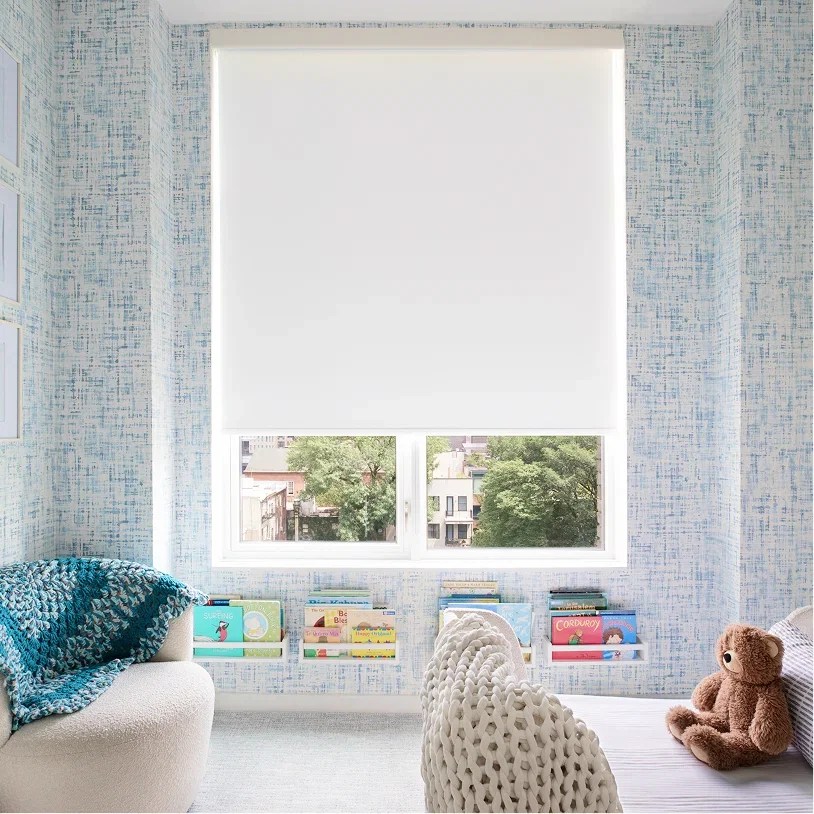
Full blackout fabric is a single material engineered to be opaque on its own. Many full blackout roller fabrics use foam-backed or coated constructions that block light without needing a separate liner layer.
If your baseline question is “which blocks more light,” the answer is usually: both can be fully opaque, but the details of your window, mounting, and edges will determine how dark the room feels.
What actually matters for room darkness (it’s not only the fabric)
Before you get deep into liner vs fabric, remember that the darkest rooms are created by a combination of opacity and coverage.
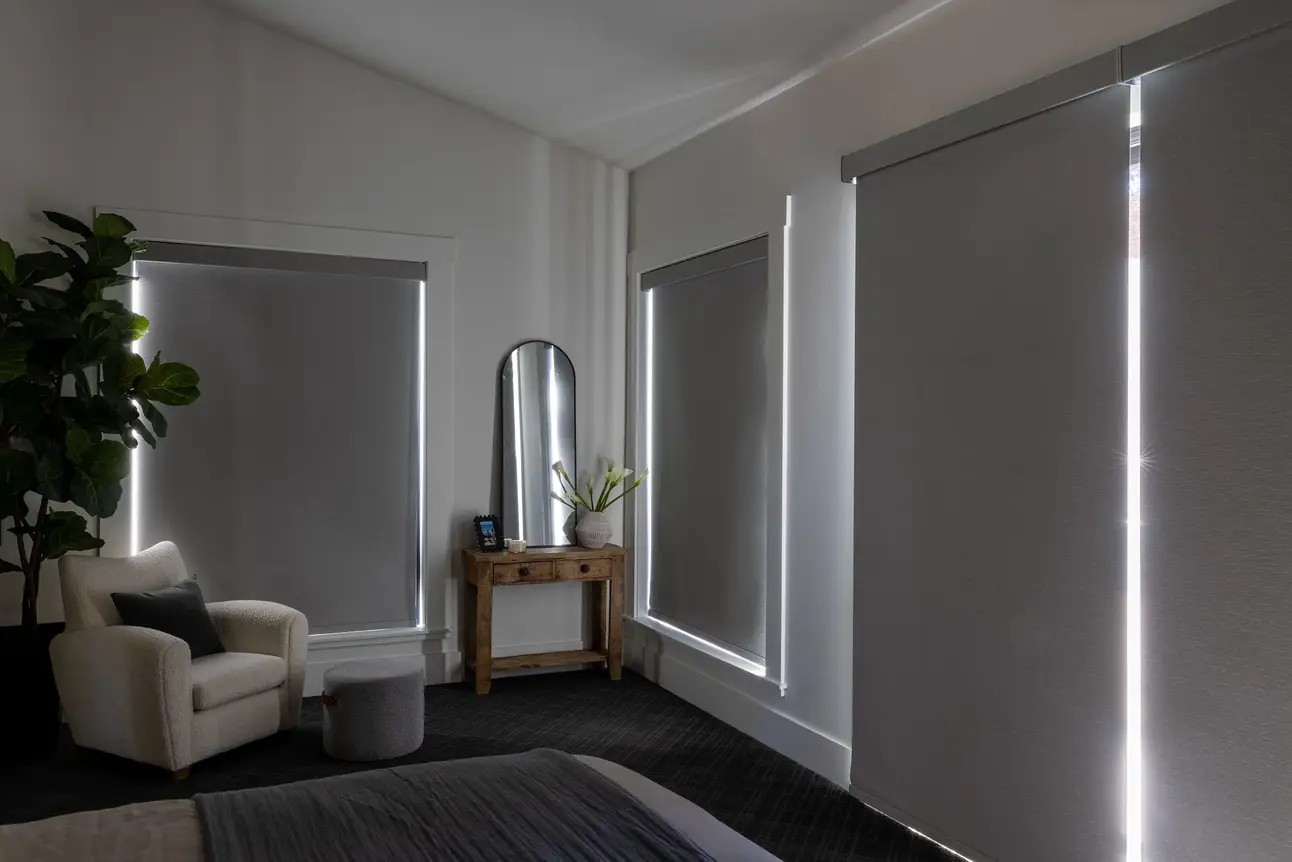
Even true blackout material will still allow light around the edges unless you address gaps. That’s why many buyers comparing blackout options also read:
If you want the most reliable “sleep-dark” outcome, ask World Wide Shades about channel systems or outside mounts via Contact or call (844) 674-2716.
- Inside mount looks clean and built-in, but it typically has more edge gap.
- Outside mount can overlap the frame and reduce light seepage.
If you’re installing yourself, keep How to install roller shades handy.
A valance or fascia can prevent light from leaking at the top and improve the finished look.
Learn what style fits your room: Roller shade valance options.
Blackout liner: pros, cons, and best use cases
- Decor-first aesthetics: You can keep a textured or designer front fabric and add darkness behind it.
- Flexible performance: A liner can upgrade a “room darkening” look to a more blackout-like result.
- Often a softer hand-feel: Some people prefer the drape and look of a lined textile.
- Layer complexity: More layers can mean more thickness and sometimes more curl or memory at the roll.
- Potential delamination (for laminated constructions): Heat and humidity can stress adhesives over time.
- Cleaning considerations: Two layers can hold dust differently and may be less forgiving in kitchens or baths.
Liners can work well when you care about texture and want better darkness—think guest rooms, casual bedrooms, or living spaces where the shade is part of the décor.
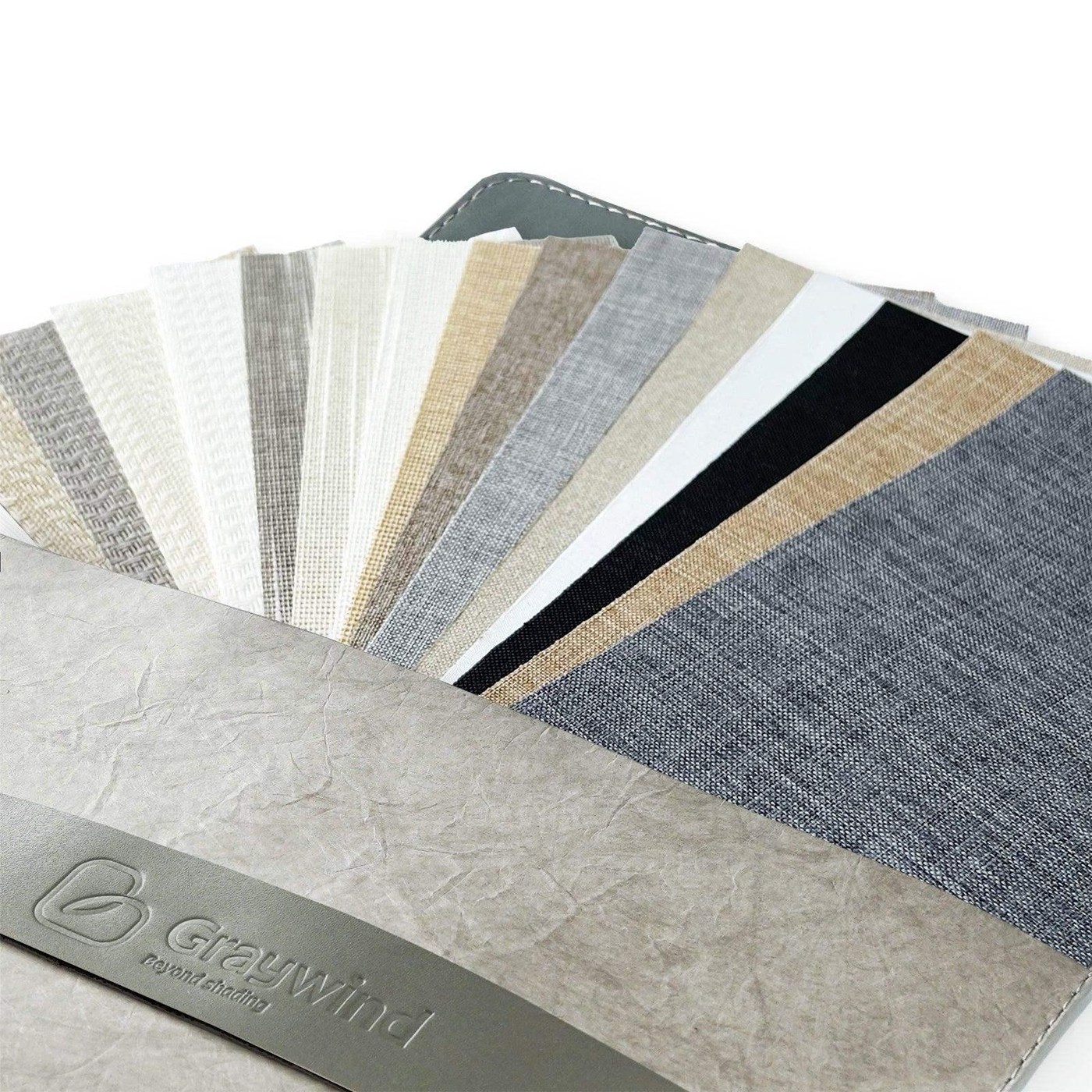
If your main worry is long-term sun exposure, also read Why roller shade fabric fades (and consider ordering World Wide Shades swatches to compare liners and full blackout fabrics side by side).
Full blackout fabric: pros, cons, and best use cases
- Simple construction: One engineered material designed for opacity.
- Consistent performance: Fewer variables than a decorative fabric + liner combo.
- Often easier to clean: Many full blackout roller fabrics are designed to be wiped gently.
- Texture limitations: Some full blackout materials can look more “technical” than textile-like.
- Heat at the glass: Blackout can trap heat. On very sunny windows, managing heat and UV matters.
For hot, bright exposures, review Energy efficient window shades and Best shades for south-facing windows.
- Primary bedrooms where you want predictable darkness
- Nurseries and kids’ rooms
- Media rooms and home theaters
If child safety is part of your project, make sure you also read Child safe window treatments.
How to verify “true blackout” (avoid misleading labels)
The word “blackout” is used loosely online. Here’s how to protect yourself:
Ask whether the fabric itself is rated as fully opaque.
Many blackout fabrics have a white street-side backing for a consistent exterior appearance. This can matter for HOA expectations.
A shade can be 100% opaque and still fail your expectations if edge gaps are ignored.
If you want a quick recommendation for your exact window depth and trim, use World Wide Shades the Builder and we’ll help you select the right mount and coverage.
Cost: what typically drives price differences
While pricing varies, the biggest drivers tend to be:
- Fabric construction (coatings, backing, texture)
- Width and height (large windows need stronger components)
- Lift type (manual vs motorized)
- Add-ons (valance, fascia, side channels)
If you’re budgeting, this post is a good companion: How much do custom roller shades cost.
Durability over time: which holds up better?
In kitchens, baths, and humid climates, full blackout fabrics designed for performance can be simpler to maintain than layered constructions.
If your project includes moisture-prone rooms, revisit Roller shades for kitchen and bathroom.
If your biggest worry is color change, it’s worth choosing a fabric built for UV stability.
For deeper material comparisons beyond blackout, see Best fabrics for roller shades.
Picking the right option: a quick decision guide
- You love a decorative front fabric and want to keep that texture
- You want blackout performance without switching to a more “technical” looking fabric
- Your room doesn’t get extreme heat and sun day after day
- You want the simplest, most predictable blackout result
- You’re prioritizing easy maintenance
- You’re outfitting a nursery, primary bedroom, or media room
Still not sure? Call World Wide Shades at (844) 674-2716 or send your room details via Contact and we’ll recommend the best blackout build.
FAQ: blackout liner vs full blackout fabric
Not always. “Room darkening” usually means significant dimming but not full opacity. A true blackout liner is intended to block light, but the final result still depends on gaps and mounting.
Depending on the shade system, you may be able to upgrade to a more opaque fabric or add a backing, but it’s usually best to select the right construction from the start.
If you’re early in the process, get samples first: World Wide Shades swatches make it easy to compare liner-style looks to full blackout fabrics in your own lighting.
It can, because it reduces light transmission and may trap heat near the glass. Pairing blackout with smart schedules can help.
If you’re interested in automation, see Smart home motorized shades setup and then consider a motorized option in the Builder.
Get the right blackout setup for your home
A blackout liner can be the perfect compromise when you want a designer look and more darkness. Full blackout fabric is often the best choice when you want the simplest, most consistent light control.
To get a recommendation tailored to your windows, start with World Wide Shades Shade Builder, order swatches, or reach out via contact. Prefer to talk it through? Call (844) 674-2716.