Why open floor plans need layered window control
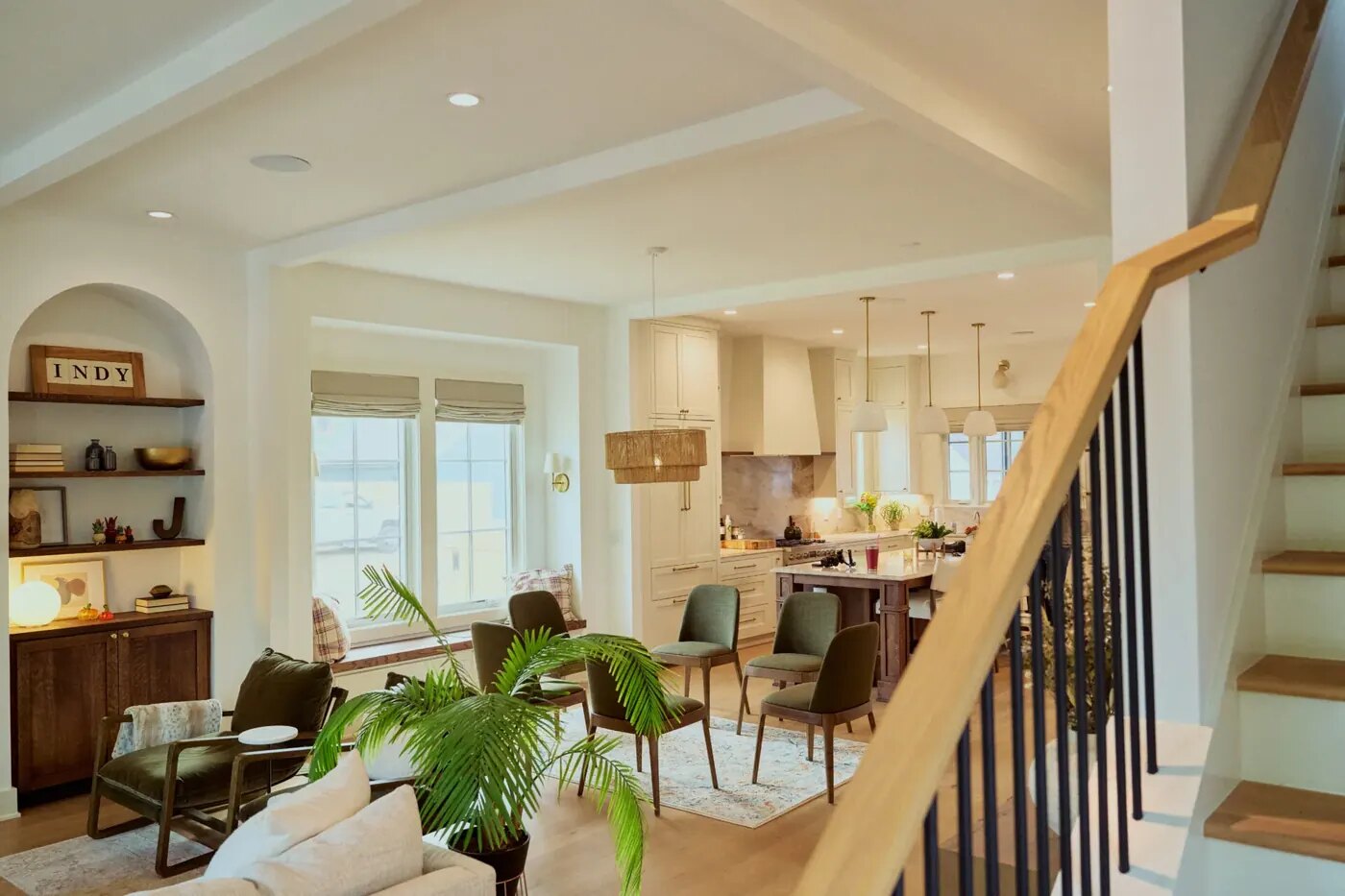
An open floor plan may connect a living room, dining area, kitchen, and hallway under one ceiling, but those zones rarely need the same light level at the same time. The living room may need glare control for a television, the kitchen may need bright task light, and the dining area may need privacy after sunset. Dual shades for open floor plans combine two roller fabrics at one window so you can change the room's light without adding freestanding furniture or bulky drapery.
The most successful plan starts with the activities and sightlines. World Wide Shades can map the windows, seating, screens, and work surfaces before recommending fabrics. Build an open-plan shade layout when several zones share one view but not one schedule.
For a simpler explanation of two-layer products, compare dual roller shades day and night. The tradeoffs against a single roller are outlined in dual roller shades versus single roller shades, while dual shades versus layered window treatments compares a built-in cassette with separate curtains.
What a dual shade does
A common combination is a solar screen or light-filtering front layer plus a room-darkening or blackout rear layer. Open the screen for daytime glare and privacy, lower the blackout layer for movie night, or raise both for a clear view. The layers share a window opening but can respond to different needs.
The word “dual” does not guarantee perfect darkness. Two fabrics still require correct overlap, side coverage, and a square installation. If full darkness matters, review dual shades versus blackout shades for bedrooms and ask World Wide Shades how the cassette and fabric edges will meet.
In an open room, repeated hardware lines can look busy. A coordinated dual shade keeps two fabrics inside one headrail or cassette, reducing the number of brackets and visible transitions. Use the same fascia color across windows, even when one zone needs a different layer combination.
World Wide Shades can specify one visual system across a wide wall and vary the operating logic by zone. Talk to World Wide Shades about a consistent finish before mixing products from several manufacturers.
Zone the light before you choose fabric
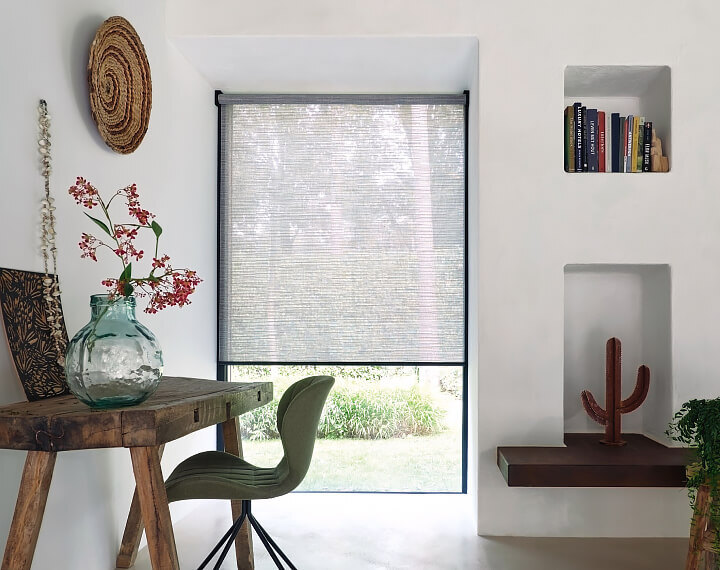
Screens are most sensitive to direct reflections and bright contrast behind the viewer. A 3% or 5% solar screen can reduce glare while maintaining a view; a blackout layer can handle daytime streaming, sports, and movie sessions. Test the shade with the television on at the worst hour rather than judging it from a fabric card.
Read best roller shades for a living room and noise-reducing window shades if the living area also faces traffic. World Wide Shades can align the lower rail across a picture window so the shade does not become the visual focus.
Kitchens need practical cleaning and enough light to read a recipe or see a work surface. A light-filtering layer can diffuse glare without making the room feel closed. Select a smooth, durable fabric and keep the bottom rail clear of a sink, cooktop, or backsplash splash zone. For additional humidity considerations, compare roller shades for kitchen and bathroom windows.
Dining areas often need privacy after dark. A dual shade makes it possible to preserve daylight at breakfast and close a more private layer for dinner. Request World Wide Shades fabric guidance when the dining and kitchen windows face different directions.
An open plan can expose a side window to the front door or a neighboring home. A screen may preserve daytime views but reveal silhouettes at night. Use a more closed weave or blackout layer where the sightline matters, and use a common neutral color so the transition between zones feels deliberate.
If the open plan includes a door wall, pair the treatment with roller shades for French doors. If it includes a tall stair landing, the mounting advice in roller shades for floor-to-ceiling windows can prevent a high, difficult-to-reach installation from becoming an afterthought.
Select fabrics using numbers that matter
Solar screen openness is commonly described with percentages such as 1%, 3%, 5%, and 10%. Lower openness generally means a tighter weave, more glare reduction, and less daytime view. Higher openness generally keeps more view and daylight but can allow more direct brightness. The exact result also depends on color, glazing, orientation, and interior lighting.
For a south- or west-facing living area, start by comparing 3% and 5% samples. For a room where the view is the priority, compare 5% and 10%. Our best shades for south-facing windows and energy-efficient window shades articles add solar-heat context. Ask World Wide Shades for a daylight comparison instead of choosing from a product name alone.
A darker room-side color can absorb more visual brightness and preserve a view, while a light backing may reflect more solar energy. Neutral gray, sand, and warm white can coordinate across an open plan, but the same shade can appear different beside white cabinets, oak flooring, or a dark television wall. Place the swatch next to the trim and furniture at morning and late afternoon.
The color recommendations in window shades color guide can help narrow the palette. World Wide Shades can supply coordinated samples so you do not approve each window in isolation. Order swatches before finalizing five or ten openings.
Plan mounting and panel breaks
Measure every window, even if the frames look identical. Record width at the top, middle, and bottom, height at three points, recess depth, trim projection, handles, and nearby cabinetry. A 1/8-inch difference can change whether an inside mount works, and a 1/4-inch difference across a long wall can make bottom rails look misaligned.
Use outside mounts when the trim is shallow, uneven, or too close to the glass for a dual cassette. Inside mounts can look crisp when recesses are square and deep enough. In a wide opening, split the treatment into two or more shades to control weight, alignment, and access. Put breaks at mullions when possible, but do not force a split that places a bright seam directly in front of a television.
World Wide Shades can prepare an elevation showing headrail lines and panel breaks before fabrication. Send your window schedule to World Wide Shades for a coordinated review.
Manual, motorized, or integrated control
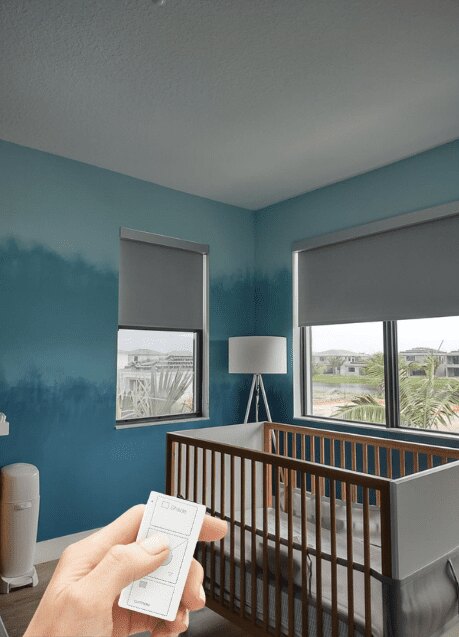
Manual dual shades are reasonable for a small, reachable opening, but two rollers can mean two controls and two daily adjustments. Motorization lets you raise the screen at sunrise, lower it during west-facing glare, and close the blackout layer for a movie scene. Group living, dining, and kitchen shades by use rather than making every window move together.
Add a quiet rechargeable motor when wiring is not available. During a remodel, hardwired power can reduce battery maintenance across a large wall. For scenes, review smart home motorized shades setup and motorized shades with Alexa and Google Home. Call (844) 674-2716 to discuss how World Wide Shades can coordinate control without sacrificing manual access.
Common open-plan mistakes
The same 1% screen on every opening may protect a west-facing television but make a north-facing kitchen unnecessarily dim. Group by exposure and task first, then keep color and hardware consistent.
A screen that looks opaque from inside during the day may show silhouettes after the lights turn on. Test the fabric after dark or plan a more closed layer for windows facing neighbors.
An open-plan room still has zones. A dining window may need to close while the kitchen remains bright. Use groups that match how the family lives, not only the electrical layout.
Dual rollers are deeper than a single roller. Check crown molding, cabinet doors, HVAC grilles, and window handles before ordering. A low-profile cassette or an outside mount can prevent interference.
FAQ: dual shades for open floor plans
Yes. They let one window provide two levels of light and privacy while keeping a coordinated headrail. They are especially useful when a living area, kitchen, and dining zone share a wall of glass but perform different activities.
A 3% or 5% solar screen paired with a light-filtering, room-darkening, or blackout roller covers many homes. The best combination depends on sun direction, screen glare, privacy after dark, and how much view you want to retain.
They can reduce light substantially, but complete darkness depends on mount, side gaps, cassette design, fabric, and the glass. An outside mount with adequate overlap generally controls edge light better than a tight inside mount.
Use the same visible color and hardware when you want unity, but vary fabric openness or layer selection when exposure and activities differ. World Wide Shades can coordinate the appearance without forcing identical performance.
They are often worthwhile when there are many windows, high glass, or two layers that must move throughout the day. A schedule or scene reduces repeated adjustments and keeps a screen in place during the glare window.
Photograph each opening, note its zone and direction, and record the worst glare or privacy hour. Start a World Wide Shades plan, browse fabric swatches, or call (844) 674-2716 for a coordinated estimate.
Make one open room feel intentional
Dual shades are a planning tool as much as a product. When the layers, fabric numbers, panel breaks, and control groups follow the room's zones, the open plan can stay bright, comfortable, and visually calm. World Wide Shades can coordinate the details from the first swatch to the finished installation. Contact World Wide Shades to turn one large window wall into a flexible lighting system.