Why Wide Picture Windows Force a Real Design Decision
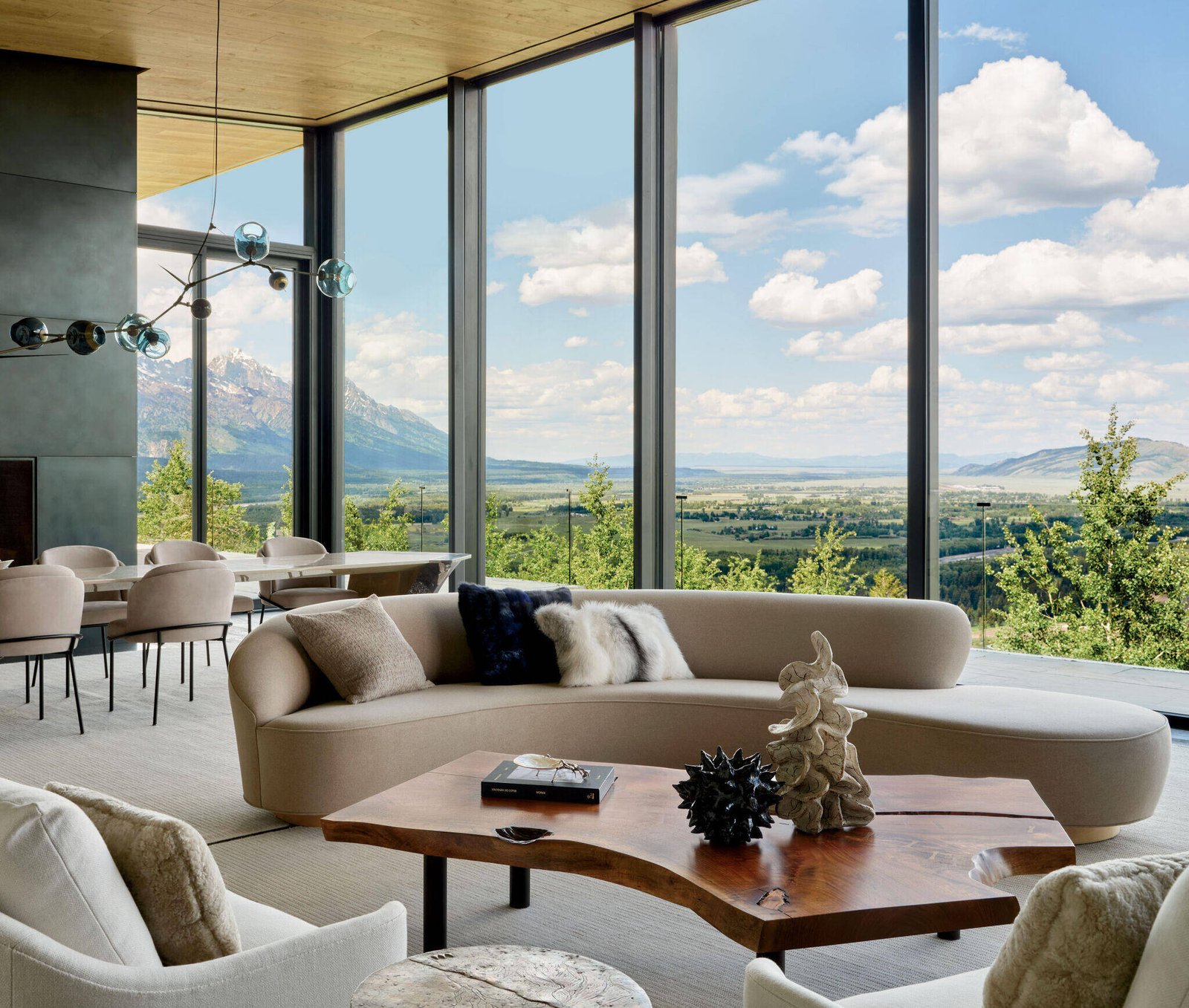
A picture window wider than about 6 feet puts homeowners at a genuine fork in the road: order one continuous single-panel shade that spans the entire opening, or split the window into two or three narrower panels operated independently. Both approaches are structurally sound when built correctly, but they solve different problems and create different tradeoffs in fabric weight, seam visibility, motor requirements, and price. World Wide Shades fabricates both configurations to custom width, and this guide breaks down exactly when each approach makes sense so you don't end up with a shade that sags, binds, or looks disjointed on your specific window.
If your window falls at the opposite end of the proportion spectrum, see our best roller shades for tall narrow windows guide instead. To get real pricing on either configuration for your exact window, use the World Wide Shades builder, which supports single spans up to 12 feet wide and any multi-panel split you specify.
Defining Wide Picture Window Categories
World Wide Shades generally sees three width categories for picture windows: moderately wide (72 to 96 inches), very wide (96 to 144 inches), and oversized (144 inches and beyond, often spanning an entire wall). The single-panel-versus-multi-panel decision becomes relevant starting around 72 inches and becomes a near-mandatory multi-panel decision above 144 inches, for reasons covered in detail below.
The Case for a Single Continuous Panel
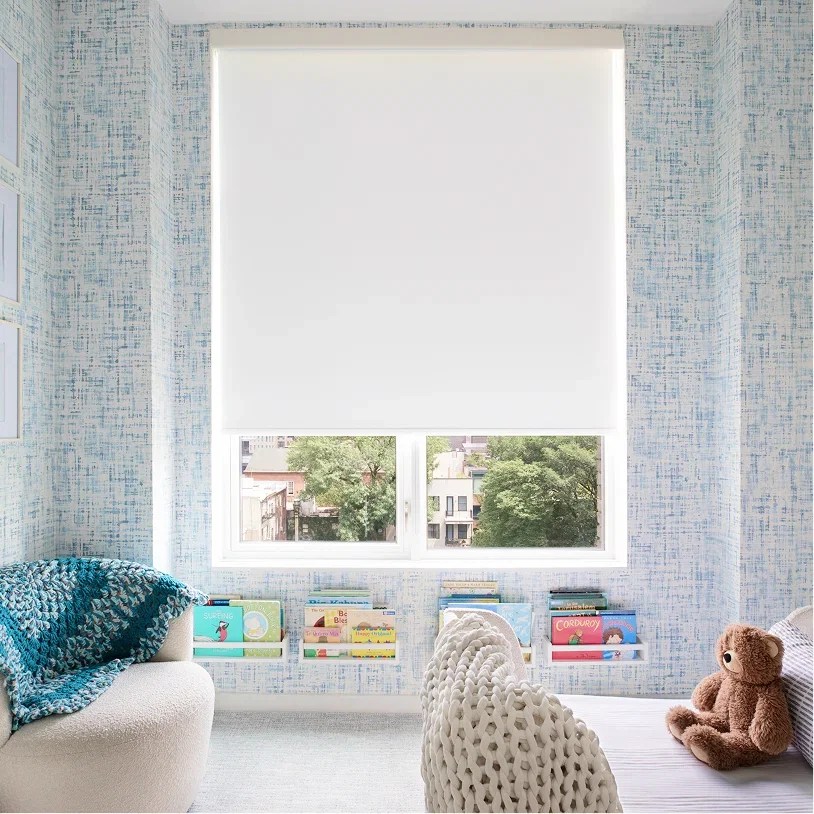
A single-panel shade presents one uninterrupted piece of fabric across the entire window, with no vertical seam or gap breaking up the view when the shade is lowered. For a picture window whose whole purpose is showcasing an outdoor view, many homeowners consider this worth prioritizing over the practical tradeoffs of a wider single span. World Wide Shades can fabricate single-panel roller shades up to 144 inches (12 feet) wide using our reinforced heavy-duty tube and bracket system.
A single panel means a single chain, cord, or motor to operate — you raise or lower the entire window's coverage with one motion rather than coordinating multiple shades to reach a consistent look. For motorized installations, this also means a single motor and single point of smart home integration, simplifying setup within platforms like the ones covered in our smart home motorized shades setup guide.
The tradeoff is fabric weight and tube deflection. A single fabric panel spanning 120 inches carries significantly more total weight than the same fabric split across two 60-inch panels, and that weight all rests on one roller tube supported at just two end brackets. World Wide Shades uses a reinforced 2.5-inch heavy-duty tube with a center support bracket for any single-panel shade wider than 84 inches, which prevents the visible bow or sag that can occur in the middle of an unsupported wide tube. Even with reinforcement, we generally recommend keeping single panels under 10% openness solar or standard light filtering weight (under approximately 10 oz per square yard) above 120 inches wide — heavier blackout fabrics at that width benefit from the center support bracket almost universally.
The Case for Multiple Panels
Splitting a 144-inch window into two 72-inch panels roughly halves the fabric weight each roller tube and bracket set needs to support, which reduces long-term sag risk and allows lighter-duty (and less expensive) tube hardware per panel. This matters most with heavier fabrics — blackout, dual shade combinations, or textured wovens — where a single continuous span at full width would require the heaviest-duty hardware tier.
Multiple panels can be raised or lowered independently, which is a genuine functional advantage picture windows facing mixed sun exposure. A wide window that catches direct morning sun on one side and shade on the other benefits from being able to lower just the sunlit panel while leaving the rest open — something a single continuous panel cannot do. This is especially relevant for south-facing windows, where solar heat gain often varies meaningfully across a wide span.
The obvious tradeoff with multiple panels is a visible vertical seam or narrow gap between panels when both are lowered, typically 1/4 to 1/2 inch depending on mount hardware. World Wide Shades minimizes this by using matched-batch fabric dye lots across panels ordered together, and by offering a butt-mount bracket option that narrows the gap to its minimum possible width. For most fabrics and lighting conditions, this gap is far less noticeable in person than it appears in product photos — but for a true blackout requirement, an overlapping outside-mount configuration (discussed below) eliminates it almost entirely.
Blackout Requirements Change the Calculus
If your wide picture window is in a media room, primary bedroom, or anywhere requiring full blackout, seam gaps in a multi-panel setup become a real light-leak issue, not just a cosmetic one. In these cases, World Wide Shades recommends either a reinforced single panel (if width allows and fabric weight is manageable) or a multi-panel outside-mount configuration with side channels and a center overlap flap that blocks light through the seam. Our blackout curtains vs blackout shades guide compares blackout performance across mount types in more depth, and our best window shades for bedrooms article covers additional light-blocking considerations specific to sleeping spaces.
Motorization on Wide Picture Windows
A single wide panel requires a heavy-duty motor rated for both the width and fabric weight combined. World Wide Shades' heavy-duty Wi-Fi and Zigbee motors handle single panels up to 144 inches wide in light filtering or solar fabric, and up to approximately 120 inches wide in heavier blackout fabric before we recommend splitting to multiple panels for motor longevity reasons.
Multi-panel setups typically use one motor per panel, synchronized through your smart home platform so they raise and lower together despite being independently addressable. This is straightforward through most major platforms — see our guides on Samsung SmartThings, Home Assistant, and Google Nest Hub integration for how grouped scenes work across multiple shade motors in one room. Synchronization latency between panels is typically under 1 second, which is imperceptible during normal use.
Multi-panel motorization generally costs more in total, since you're paying for multiple motors (each $120 to $220 depending on tier) rather than one heavy-duty motor for a single span. However, per-panel hardware (tube, brackets) is often less expensive per panel than the reinforced hardware a wide single span requires, so total project cost differences vary by exact width and fabric — get an itemized comparison for your specific window using the World Wide Shades builder, or call (844) 674-2716 to have a design consultant run both configurations side by side for your project.
Fabric Recommendations by Configuration
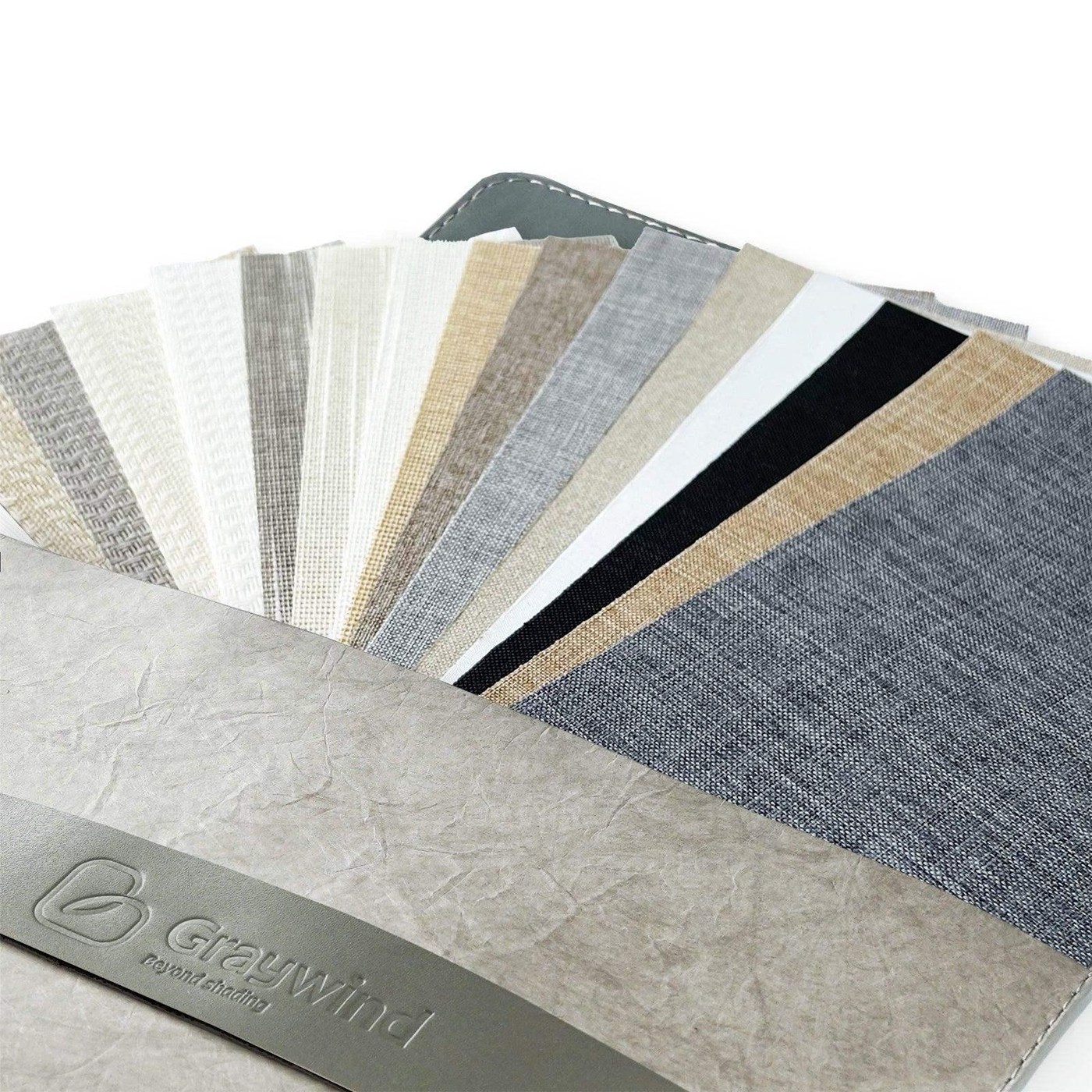
For single-panel wide shades, lighter to medium-weight fabrics (light filtering polyester, 3% to 5% openness solar) are generally the safer choice above 96 inches wide, minimizing sag risk even with center support. For multi-panel setups, you have more flexibility to use heavier fabrics including blackout and woven textures, since weight is distributed across more hardware. Our best fabrics for roller shades guide has full fabric weight specifications, and our woven wood shades guide covers a popular heavier-texture option well suited to multi-panel configurations on wide windows.
Valance and Finish Considerations
A single wide panel has one long, continuous headrail, which reads as a clean horizontal line across the top of the window — often the preferred look for modern or minimalist picture window installations. Multi-panel setups have a headrail break at each panel division, which some homeowners prefer to conceal with a continuous valance box that visually unifies the panels despite separate operation. World Wide Shades offers both individual and continuous valance options; see our roller shade valance options guide for details and photos of each style.
Measuring a Wide Picture Window Correctly
For either configuration, measure width at the top, middle, and bottom of the opening and use the narrowest measurement for an inside mount to ensure clearance. For a planned multi-panel split, decide panel widths based on any interior mullions, window seams, or the window manufacturer's own panel divisions if visible — aligning shade panel breaks with existing window lines tends to look most intentional. Enter your measurements into the World Wide Shades builder, which will flag if a single-panel request exceeds our structural width recommendation for your selected fabric weight and suggest a multi-panel split automatically.
Frequently Asked Questions
World Wide Shades fabricates single-panel roller shades up to 144 inches (12 feet) wide using our reinforced heavy-duty tube system with center support bracket. Confirm feasibility for your exact fabric choice using the World Wide Shades builder.
It depends on width and fabric weight — per-panel hardware is often less expensive, but multiple motors and brackets add up. Get an itemized comparison for your specific window by calling World Wide Shades at (844) 674-2716.
Typically 1/4 to 1/2 inch depending on mount hardware, and generally more noticeable in close-up photos than in everyday viewing. An overlapping outside-mount configuration minimizes it further for blackout applications.
Yes, though World Wide Shades recommends matching fabric type and color across panels on the same window for visual consistency, reserving fabric variation for genuinely separate windows or rooms.
With proper reinforcement — a 2.5-inch heavy-duty tube and center support bracket above 84 inches — sag is minimal over normal use. Unreinforced standard hardware on very wide spans is the primary cause of visible sag.
Yes, both configurations support motorization. Single panels need a higher-torque motor rated for the combined width and weight, while multi-panel setups typically use one standard motor per panel synchronized through your smart home platform.
Get the Right Configuration for Your Picture Window
World Wide Shades fabricates both single-panel and multi-panel roller shades to your exact picture window dimensions, with structural recommendations built into the online builder based on your width and fabric selection. Request free fabric swatches to compare weight and color options before deciding on a configuration, or call our design team at (844) 674-2716 to talk through single versus multi-panel tradeoffs for your specific window before you order. You can also send photos and measurements through our contact page for a tailored recommendation.